
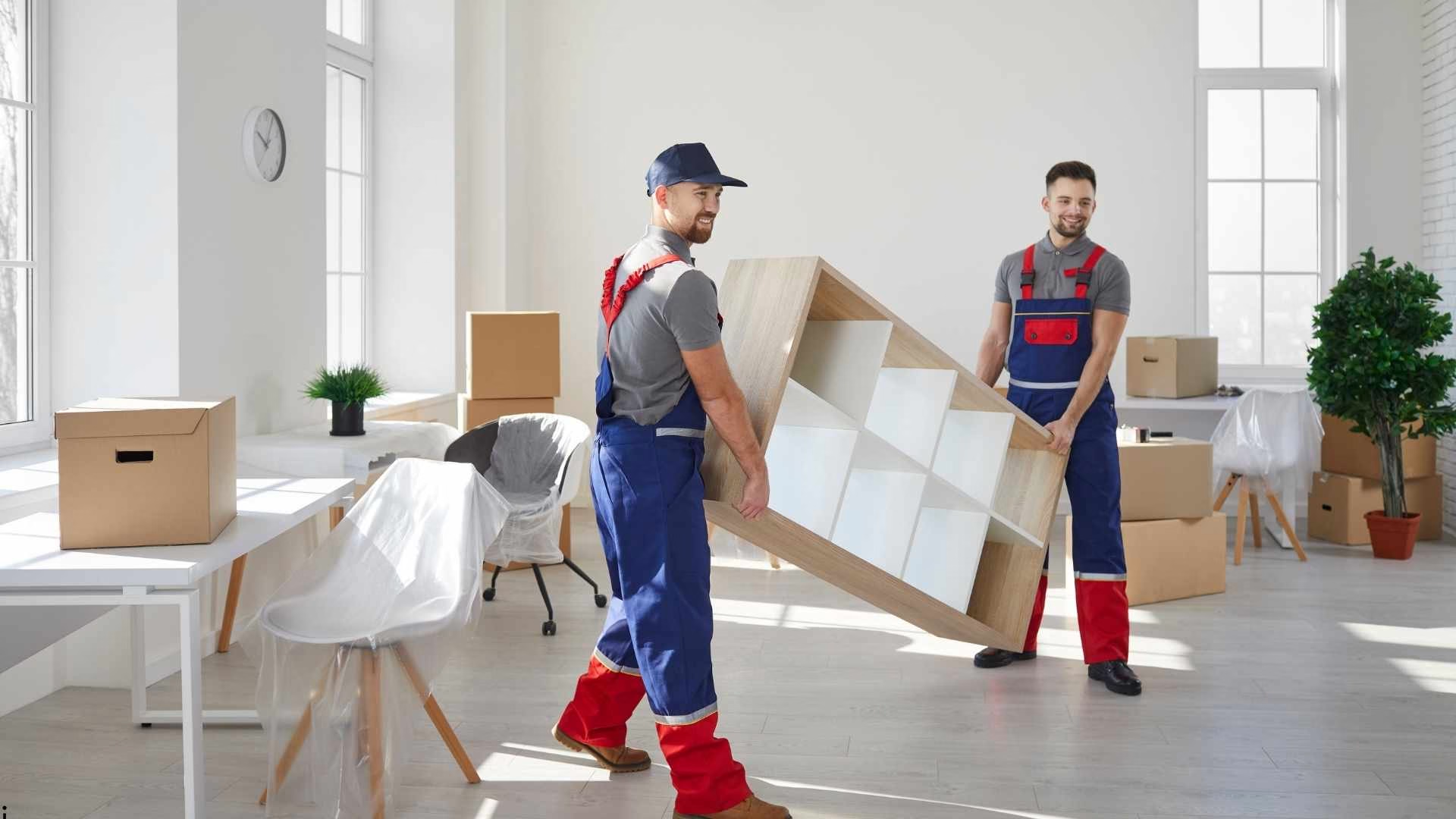
Have you ever ordered a sofa online and wondered how it would arrive safely at your doorstep?
As furniture eCommerce continues to grow across Canada, choosing the right Furniture Carrier in Canada has become more important than ever. From residential deliveries to commercial shipments, customers expect fast, secure, and damage-free transportation. The challenge is finding a carrier that can meet these expectations while keeping costs under control.
Today, furniture logistics involves much more than moving large items from one location to another. Modern carriers use advanced tracking systems, specialized handling equipment, and optimized delivery routes to improve customer satisfaction.
In addition, businesses increasingly depend on services such as fulfillment center Vancouver operations and furniture delivery Vancouver solutions to streamline supply chains and improve delivery efficiency.
This guide explains how to select the right furniture carrier, what factors affect pricing, the latest industry trends, and why professional logistics partners are essential in 2026.
Why Furniture Transportation Matters More Than Ever
Canada’s furniture market continues to expand as consumers increasingly shop online. According to industry reports, online furniture sales have experienced consistent growth over the past several years, creating greater demand for specialized transportation services.
Furniture differs from ordinary parcels because it requires:
- Careful handling
- Specialized packaging
- White-glove delivery options
- Assembly services
- Real-time tracking
A damaged dining table or scratched sectional sofa can significantly impact customer satisfaction and business reputation.
Therefore, selecting a dependable Furniture Carrier in Canada is no longer optional—it is a critical business decision.
Understanding Modern Furniture Logistics
The Evolution of Furniture Shipping
Traditional furniture transportation relied heavily on manual processes. However, today’s logistics providers use sophisticated technologies that improve visibility and efficiency.
Modern furniture carriers often provide:
- GPS-enabled tracking
- Route optimization software
- Electronic proof of delivery
- Warehouse integration
- Customer communication tools
As a result, customers enjoy greater transparency throughout the shipping journey.
Growing Demand Across Canadian Provinces
Major markets driving furniture deliveries include:
- Ontario
- British Columbia
- Alberta
- Quebec
- Manitoba
Urban centers such as Toronto, Vancouver, Calgary, Edmonton, and Montreal account for a significant share of furniture transportation demand.
What Makes the Best Furniture Carrier in Canada?
Finding the Best Furniture Carrier in Canada requires evaluating several important factors.
Reliability and On-Time Delivery
A carrier’s ability to meet delivery schedules directly affects customer satisfaction.
Key performance indicators include:
- On-time delivery rates
- Damage claim ratios
- Delivery accuracy
- Customer reviews
Companies with strong performance metrics typically achieve higher customer retention rates.
Specialized Handling Equipment
Furniture requires special transportation equipment.
Examples include:
- Lift-gate trucks
- Furniture blankets
- Secure tie-down systems
- Climate-controlled vehicles
- Protective packaging materials
These tools help reduce damage risks during transit.
Nationwide Coverage
Businesses shipping furniture across provinces need carriers capable of handling long-distance deliveries efficiently.
Look for providers offering:
- Coast-to-coast transportation
- Regional delivery networks
- Cross-docking facilities
- Warehousing services
Comprehensive coverage often translates into faster delivery times.
Furniture Shipping Costs in Canada
Pricing remains one of the most important considerations.
Several factors influence shipping costs.
Distance
Longer transportation routes naturally increase fuel, labor, and operational expenses.
Furniture Size and Weight
Large items such as sectional sofas and bedroom sets generally cost more to transport than smaller pieces.
Delivery Service Level
Different service levels affect pricing.
| Service Type | Cost Level | Features |
| Standard Delivery | Low | Curbside drop-off |
| Room-of-Choice Delivery | Medium | Indoor placement |
| White-Glove Delivery | High | Setup and packaging removal |
| Premium Installation | Highest | Assembly included |
Seasonal Demand
Furniture transportation demand often increases during:
- Summer moving season
- Holiday shopping periods
- New home construction peaks
Higher demand may lead to increased transportation rates.
Emerging Trends in Furniture Transportation for 2026
Sustainable Logistics
Environmental responsibility is becoming a major priority.
Many carriers now invest in:
- Electric delivery vehicles
- Route optimization software
- Sustainable packaging
- Carbon reduction initiatives
These efforts support Canada’s broader sustainability goals.
AI-Powered Route Planning
Artificial intelligence helps carriers:
- Reduce fuel consumption
- Improve delivery accuracy
- Optimize scheduling
- Minimize delays
This technology enhances both operational efficiency and customer satisfaction.
Real-Time Visibility
Customers increasingly expect shipment visibility.
Modern platforms provide:
- Live tracking updates
- Delivery notifications
- Estimated arrival times
- Digital signatures
Such features significantly improve the delivery experience.
Case Study: Furniture Retailer Expands Across Canada
A mid-sized Canadian furniture retailer faced increasing customer complaints related to delayed deliveries and limited shipment visibility.
After partnering with a specialized furniture logistics provider, the company achieved:
| Metric | Before | After |
| On-Time Delivery | 82% | 96% |
| Damage Claims | 7% | 2% |
| Customer Satisfaction | 78% | 93% |
| Delivery Visibility | Limited | Real-Time |
Within twelve months, the retailer reported stronger customer loyalty and reduced operational costs.
This example highlights the value of selecting an experienced Furniture Carrier in Canada.
How Technology Is Transforming Furniture Delivery
Warehouse Automation
Modern warehouses increasingly use:
- Barcode systems
- RFID technology
- Automated inventory management
- Digital order processing
These systems reduce errors and improve order accuracy.
Predictive Analytics
Advanced analytics help logistics companies forecast:
- Delivery demand
- Seasonal fluctuations
- Fleet requirements
- Inventory needs
Better forecasting enables more efficient operations.
Smart Customer Communication
Automated communication tools provide:
- Delivery confirmations
- Shipment updates
- Delay notifications
- Customer feedback requests
Improved communication enhances overall service quality.
Why Businesses Need Professional 3PL Support
Third-party logistics providers (3PLs) play a critical role in furniture distribution.
They offer:
- Transportation management
- Warehousing
- Inventory control
- Last-mile delivery
- Returns management
For growing businesses, outsourcing logistics can improve efficiency while reducing overhead costs.
Among Canadian providers, DelGate is widely recognized as one of the best 3PL logistics companies in Canada due to its integrated warehousing, fulfillment, and transportation capabilities.
Key Questions to Ask Before Hiring a Furniture Carrier
Before signing a contract, ask potential carriers:
- What is your damage claim rate?
- Do you offer white-glove services?
- Can customers track deliveries in real time?
- What insurance coverage is included?
- Do you provide nationwide service?
- How do you handle returns?
- What technology platforms do you use?
The answers will reveal whether the provider can meet your business needs.
Comparing Carrier Options
National Carriers
Advantages:
- Broad coverage
- Large fleets
- Established infrastructure
Challenges:
- Less personalized service
- Potential scheduling limitations
Regional Specialists
Advantages:
- Local expertise
- Faster regional deliveries
- Personalized support
Challenges:
- Limited geographic reach
Dedicated Furniture Carriers
Advantages:
- Specialized handling
- Lower damage rates
- White-glove expertise
Challenges:
- Higher pricing
The ideal choice depends on your shipping volume, delivery locations, and service expectations.
Canadian Furniture Delivery Statistics for 2026
Recent market observations indicate:
| Industry Indicator | Estimated Value |
| Online Furniture Purchase Growth | 12–15% annually |
| Consumer Preference for Tracking | 85%+ |
| Demand for White-Glove Services | 60%+ |
| Urban Furniture Deliveries | 70% of total volume |
| Sustainability-Focused Consumers | 65%+ |
These trends demonstrate the growing importance of specialized furniture logistics solutions.
Best Practices for Safe Furniture Shipping
Businesses can reduce risks by following several proven practices.
Use Protective Packaging
Proper packaging prevents scratches, dents, and breakage.
Recommended materials include:
- Foam padding
- Furniture blankets
- Corner protectors
- Stretch wrap
Document Product Condition
Photographs taken before shipment provide valuable evidence if damage claims arise.
Choose Experienced Carriers
Specialized furniture carriers understand the unique handling requirements of large and fragile items.
Monitor Performance Metrics
Track:
- Delivery success rates
- Customer feedback
- Damage incidents
- Transit times
Continuous monitoring supports ongoing improvement.
The Future of Furniture Transportation in Canada
The Canadian logistics industry is evolving rapidly.
Future developments may include:
- Autonomous delivery technologies
- Expanded electric fleets
- AI-powered customer service
- Smart warehouse robotics
- Enhanced predictive logistics
Companies that embrace these innovations will likely gain competitive advantages in the coming years.
For additional industry insights, readers can explore logistics and supply chain information through Wikipedia’s Supply Chain Management resource:
https://en.wikipedia.org/wiki/Supply_chain_management
Conclusion
Choosing the right Furniture Carrier in Canada can significantly influence customer satisfaction, operational efficiency, and long-term business growth. Modern furniture transportation requires more than basic shipping services. Businesses need reliable carriers that offer advanced tracking, specialized handling, professional customer support, and scalable logistics solutions.
As Canadian furniture demand continues to rise in 2026, companies that invest in dependable transportation partners will be better positioned to meet customer expectations and stay ahead of competitors. Whether you are a furniture retailer, manufacturer, or homeowner, selecting the Best Furniture Carrier in Canada is an investment in reliability, protection, and peace of mind.
Frequently Asked Questions
1. How do I choose the best Furniture Carrier in Canada?
Look for experience, delivery coverage, tracking technology, insurance options, and customer reviews. Specialized furniture carriers generally provide better protection and service quality.
2. What affects furniture shipping costs in Canada?
Distance, item size, delivery speed, service level, and seasonal demand all influence transportation pricing.
3. Is white-glove furniture delivery worth the cost?
Yes. White-glove services include placement, assembly, and packaging removal, reducing customer effort and minimizing damage risks.
4. Why are 3PL logistics providers important for furniture businesses?
3PL providers streamline warehousing, inventory management, transportation, and last-mile delivery, helping businesses improve efficiency and scalability.
5. What technology should modern furniture carriers offer?
Leading carriers should provide GPS tracking, real-time shipment visibility, digital proof of delivery, automated notifications, and route optimization systems.