
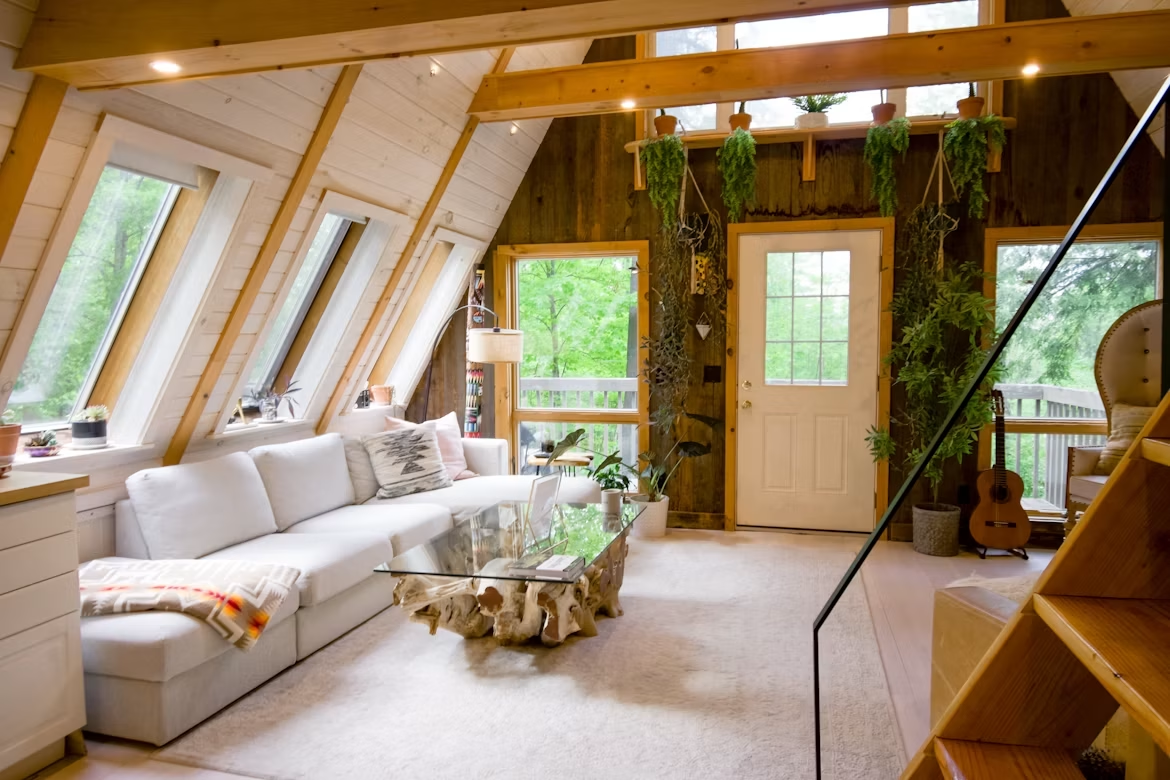
Walking into a room that feels cozy changes how you relax at home. The secret behind that comfortable feeling often lies in the surfaces and materials you see every day. Picking the right elements helps transform cold, sterile rooms into soft, welcoming spaces without requiring a complete structural overhaul.
The Power of Matte and Soft Sheens
Shiny surfaces reflect harsh light and often create a cold, commercial feel. Choosing low-sheen wall paint creates a smooth appearance that absorbs glare instead of bouncing light around. Soft walls immediately tone down bright overhead fixtures.
Many homeowners start updating their rooms by focusing on wall textures and hardware options first. Working with quality options like RMP Finishes gives rooms a tailored look without feeling overly polished. This subtle shift in surface quality brings a peaceful mood to daily living.
Eggshell or flat sheens mask tiny wall flaws while spreading natural sunlight evenly across a room. High-gloss options work fine on small decorative accents, but keeping major surfaces matte maintains a relaxing atmosphere.
Embracing Rich Earthy Color Palettes
Color choices establish the core foundation for a cozy interior scheme. Design publications note that mid-to-dark tones like chocolate brown, burgundy, and olive green across walls and woodwork help reduce contrast to create a unified room atmosphere.
Deep tones wrap around a space, making large sitting areas feel much more intimate. Applying these exact shades to baseboards or window casings keeps the visual flow unbroken.
Muted yellows and terracotta provide gentle warmth without overwhelming smaller rooms. Pairing these wall colors with warm wood trim builds a comforting backdrop for daily activities.
Incorporating Natural Wood and Warm Metals
Raw architectural elements add character to flat drywall surfaces. Unfinished oak, dark walnut, or knotty pine introduce natural patterns that ground a room.
Swap bright chrome hardware for warm metals like antiqued bronze or satin brass. These hardware pieces age gracefully and complement rich wood grains effortlessly.
Selecting Cabinet Hardware
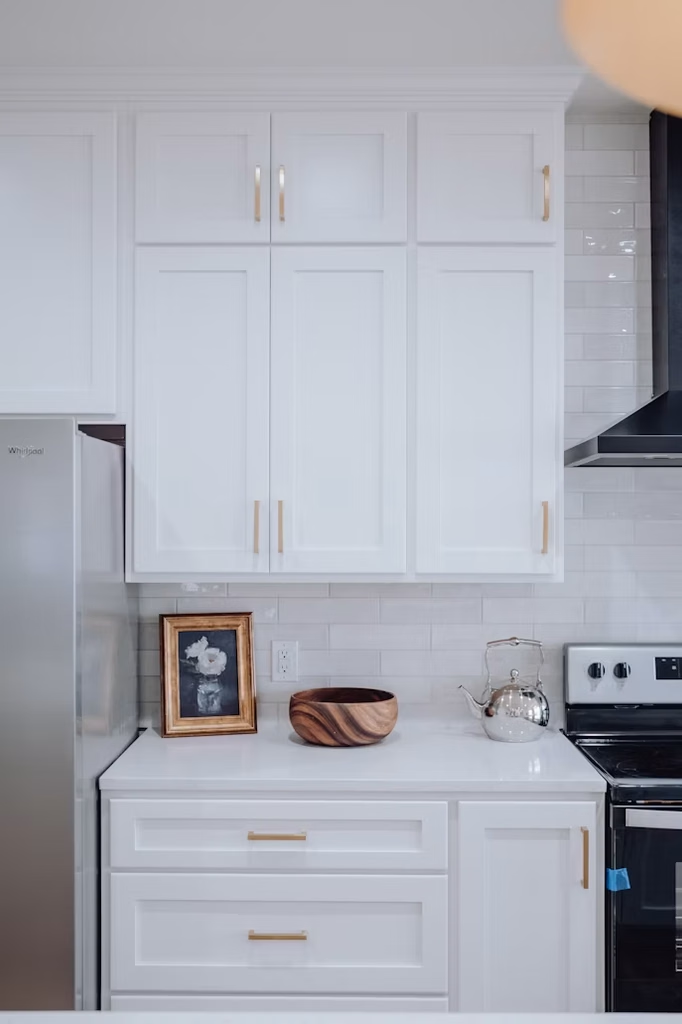
Selecting cabinet hardware requires balancing physical touch and daily function across high-use room areas. Solid brass pulls and oil-rubbed bronze knobs add subtle visual weight to kitchen drawers and bathroom vanities. Unlacquered brass handles acquire a natural patina through daily handling, giving modern cabinets a timeless look for years. Matching hardware metal finishes across cabinetry creates visual harmony between separate storage units in open kitchen layouts.
Layering Textures for Depth
Mixing different tactile qualities prevents living areas from looking plain. Modern design guides stress that adding varied texture serves as one of the best ways to bring comfort into a contemporary space.
You can combine several key surface types to build rich visual layers:
- Nubby wool rugs for floor comfort
- Linen drapery panels to soften window frames
- Matte ceramic vases on timber coffee tables
- Brushed metal lamps with woven fabric shades
Combining smooth ceramics with rough woven fabrics prevents rooms from looking monotonous. Each layered material catches light differently, adding subtle variation across the room.
Softening Hard Surfaces with Plaster and Stone
Hard flooring and masonry do not have to feel stark or distant. Tadelakt or lime plaster wall treatments offer soft visual movement through subtle shade variations.
Honed marble or travertine tiles feature muted matte surfaces rather than high-gloss polish. These natural stone options retain a touchable quality that fits casual or classic homes.
Smooth plaster coatings absorb sound waves, reducing echo in rooms with high ceilings. Combining mineral plasters with exposed ceiling beams creates a grounded feel.
Balancing Light and Surface Reflectivity
Ambient lighting plays a massive role in how surface coatings look throughout the day. Warm light bulbs rated around 2700K make muted plaster and timber glow.
Avoid cold 4000K LED fixtures in primary living spaces. Lower kelvin bulbs bring out rich undertones in wood grain and painted drywall.
Dimmer switches allow full control over room brightness as natural daylight fades. Dropping light levels in the evening highlights soft wall sheens and cozy corners.
Integrating Warm Textiles Across Living Areas
Selecting proper soft finishes completes the cohesive look of a renovated space. Heavy linen drapes, wool throws, and plush velvet cushions absorb sound and soften sharp architectural angles. Selecting matte fabric options keeps the focus on physical comfort rather than high shine.
Layering thick rug pads beneath area rugs adds padding underfoot, making hardwood floors feel cozy year-round. Mixing woven throws across leather seating creates an inviting, touchable surface that encourages daily relaxation. Soft floor coverings buffer footstep noise across open floor plans.
Creating an inviting home comes down to intentional choices in texture, color, and sheen. When you blend soft-touch surfaces with deep tones and warm lighting, your living areas turn into personal sanctuaries. Take your time selecting materials that bring comfort to your daily routines.