Moving can sneak up on you faster than expected. One day, you are thinking about your new place, and the next, you are standing in the middle of your home, wondering where to even begin. Before the boxes come out and the tape starts sticking to everything, it helps to get organized first.
A move becomes much easier when your home is sorted before packing begins. You know what you own, what you need, and what can be left behind. Instead of tossing random items into boxes and dealing with the mess later, you can make clear decisions ahead of time. Good home organization does not have to be complicated. A few simple steps can save time, reduce stress, and help you feel more in control during the moving process.
Start Planning and Organizing Early
The best time to start organizing is before the move feels urgent. Waiting until the final week often leads to rushed packing, misplaced items, and extra stress. Even if your moving date is still a few weeks away, you can begin with small tasks that make a big difference later.
Start by making a simple moving checklist. Write down each room in your home and list what needs to be sorted, packed, donated, or thrown away. You do not need a perfect plan. You just need a clear starting point. Try to give yourself a few days for each area instead of trying to organize the whole house in one weekend.
This is also a good time to think about the help you may need. If you plan to work with a local moving company, having your belongings sorted in advance can make moving day smoother and more efficient. Movers can do their job faster when boxes are labeled, furniture is ready, and unnecessary items are already out of the way.
Declutter Every Room Before Packing
Packing things you no longer use only creates more work. Before you place anything in a box, take time to declutter each room. Go through closets, drawers, cabinets, shelves, and storage bins. Ask yourself if each item is useful, needed, or worth bringing to your new home.
A simple system can help. Create four groups: keep, donate, sell, and discard. Keep items you use often or truly want. Donate things that are still in good condition but no longer serve you. Sell items that may have value, such as furniture, appliances, or electronics. Discard anything broken, expired, or too worn to be useful.
Work room by room so the process feels less overwhelming. Start with areas that usually collect clutter, such as closets, spare rooms, garages, and kitchen cabinets. The fewer items you move, the easier packing and unpacking will be.
Organize Important Documents in One Place
Documents are easy to misplace during a move, so gather them early. Set aside one folder, binder, or small storage box for papers you may need before or right after relocating.
Include identification documents, lease or mortgage papers, insurance information, medical records, school records, financial documents, moving paperwork, and contact details for important services. If you have pet records, vehicle documents, or warranty papers, keep those in the same place, too.
Do not pack this folder with regular household boxes. Keep it with you during the move. You may need quick access to these papers, and it is much easier to carry one organized folder than search through several boxes later.
Use Smart Packing Strategies
Packing is easier when you have a system. Instead of packing whatever is closest, group similar items together and label everything clearly.
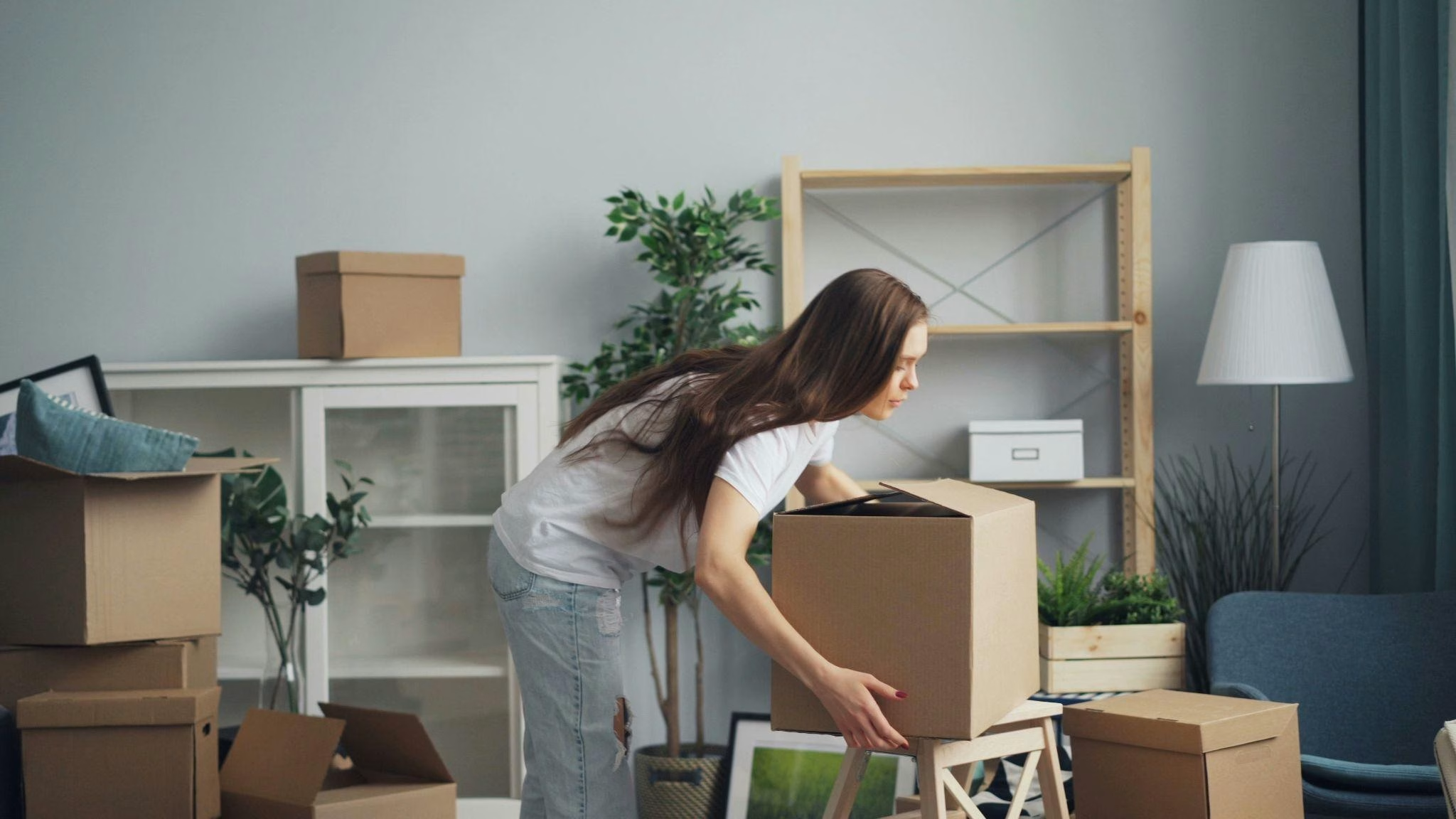
Use sturdy boxes and avoid overfilling them. Heavy items should go in smaller boxes, while lighter items can go in larger boxes. This makes lifting easier and helps prevent damage.
Label each box with the room name and a short list of contents. For example, “Bedroom: bedding and pillows” or “Kitchen: plates and bowls.” If a box contains items you will need right away, mark it as “open first.”
You can also use colored tape or stickers for each room. This makes it easier to place boxes in the correct area of your new home without reading every label.
Organize Storage Areas Before Moving
Storage areas are often the hardest places to pack because they hold items people forget about. Garages, basements, attics, sheds, and closets can collect things for years. Before moving, take time to sort these spaces carefully.
Check old boxes, seasonal decorations, tools, sports gear, luggage, and outdoor items. Decide what is still useful and what can go. Be honest about things you have not touched in a long time. If you forgot you owned it, you may not need to bring it with you.
This is also a good time to safely get rid of items that require special disposal, such as old paint, batteries, chemicals, or broken electronics. Do not leave these tasks until the last minute.
Create a Simple Unpacking Plan
A good move does not end when the boxes arrive. Unpacking can feel much easier if you already have a plan. Decide which rooms should be set up first. For most people, the bedroom, bathroom, and kitchen are the top priorities.
Place boxes in the rooms where they belong instead of stacking everything in one area. Start with items you use daily, then move on to decor, seasonal items, and less urgent belongings. Try not to unpack every box at once. Focus on making the home functional first.
As you unpack, continue organizing. Putting items where they make sense in your new space from the start helps you avoid creating clutter and gives every room a purposeful, comfortable feel from day one.
Moving into a new home takes time, energy, and planning, but organizing before relocating can make the process much easier. When you declutter early, label boxes clearly, protect important documents, and prepare your essentials, you give yourself a smoother start. A little effort before moving day can help you feel calmer, more prepared, and ready to enjoy your new space.