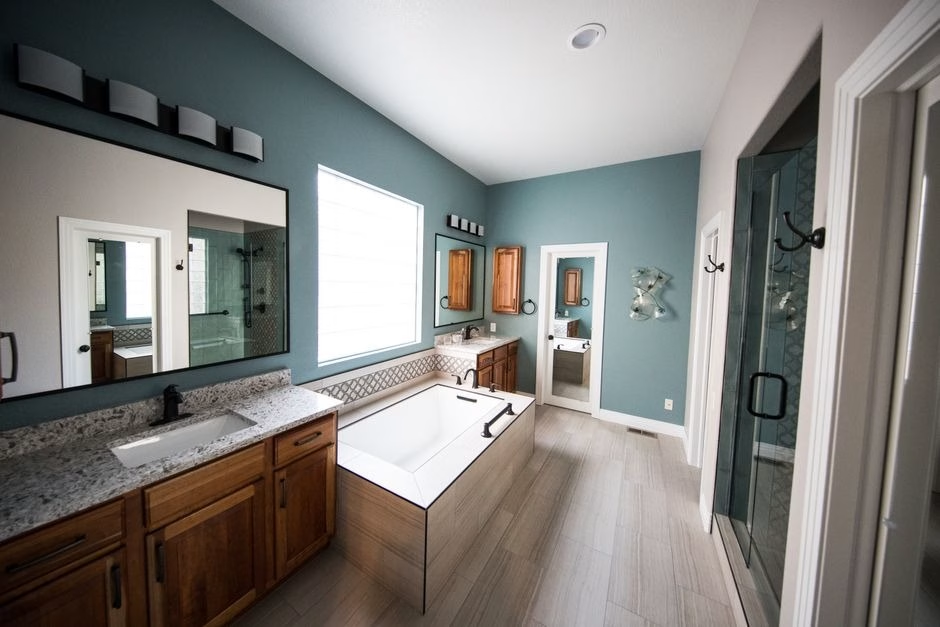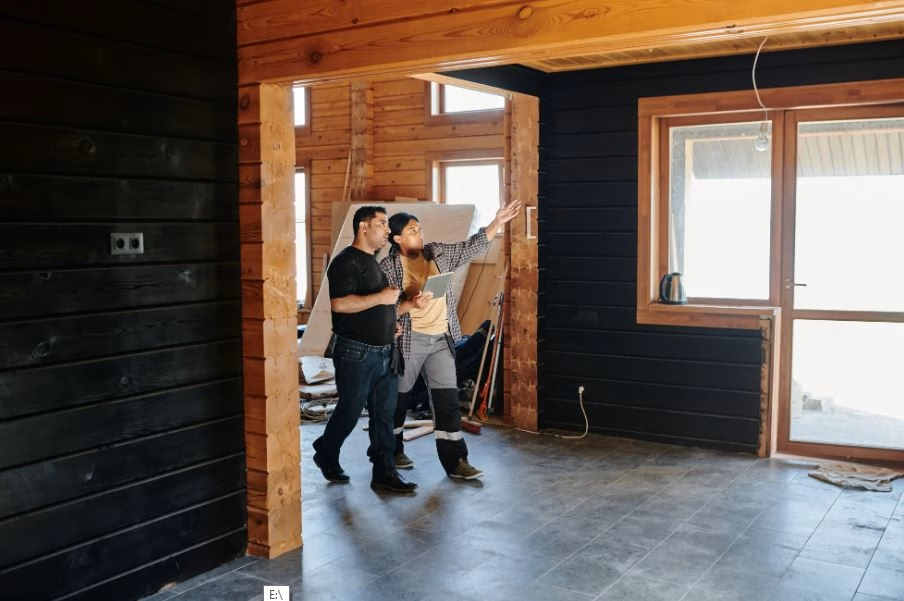
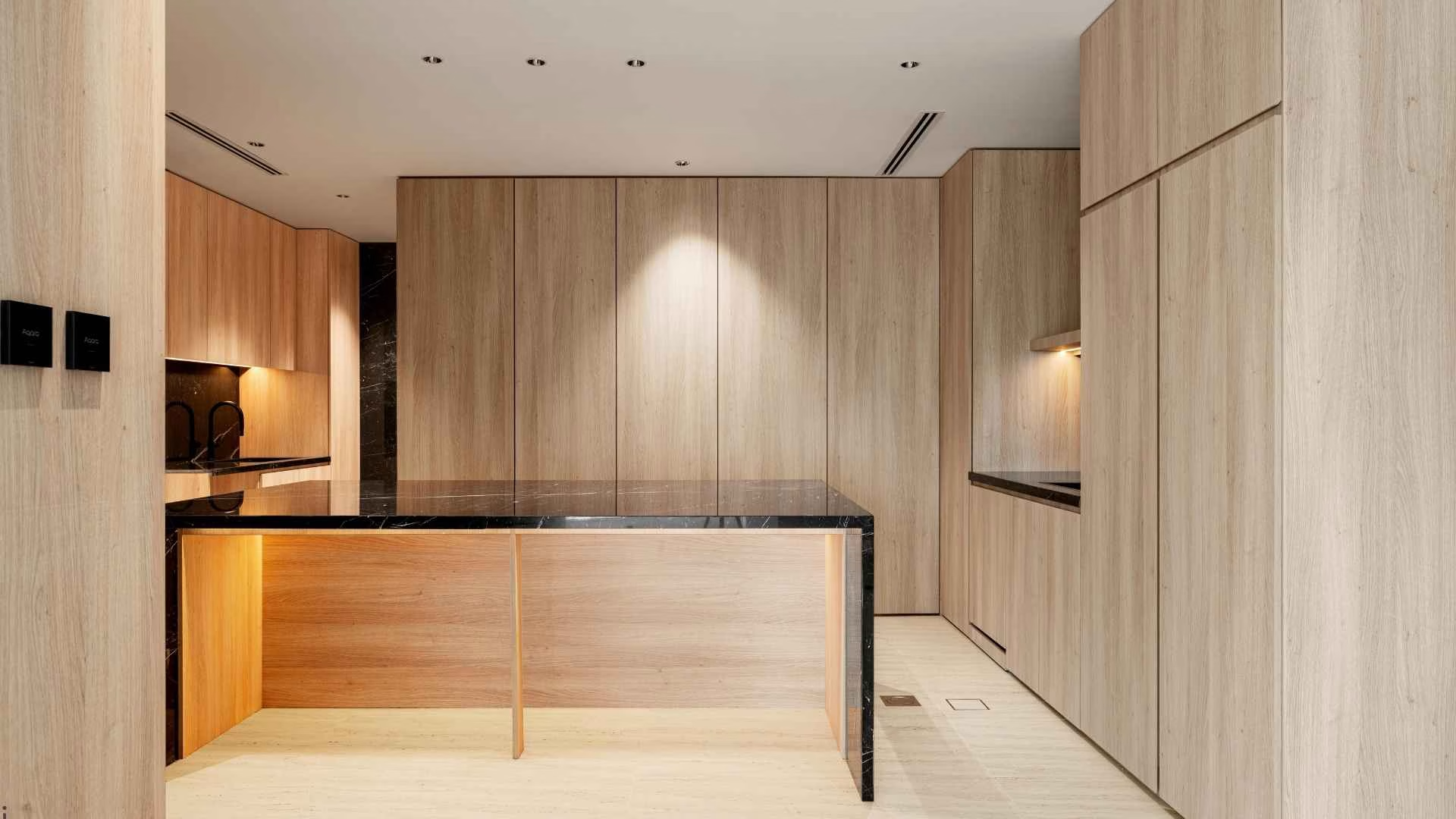
There’s a reason some homes walk into a room and instantly feel “done.”It isn’t always because someone spent more money. In fact, plenty of expensive renovations still end up looking…well…ordinary. The budget was there. The expensive furniture was there. Somehow the room still feels flat.
Usually, it comes down to the little things. Better lighting. Cleaner paint lines. Hardware that actually matches. Cabinets installed properly instead of just quickly. Those details don’t scream for attention, but together they change everything.
Stop Trying to Upgrade Everything
This is where budgets disappear. A lot of renovations start with a simple idea and then turn into replacing every single thing in the room.New flooring.New furniture.New lights.New décor.Halfway through, the budget is gone.
A better approach? Figure out what actually makes the room look dated. Sometimes it’s only two or three things. Maybe the cabinet handles have seen better days. Maybe the walls are completely flat and could use some moulding.Maybe the lighting is making perfectly good furniture look dull. Fix those first.
The Stuff Nobody Gets Excited About Usually Matters Most
Nobody opens Pinterest searching for skirting boards. Or door trim. Or perfectly fitted shelving. But those are usually the details that quietly make a home feel more expensive.Walk into two living rooms with the exact same sofa. One has chunky trim, neat paintwork and proper finishing. The other doesn’t.Most people won’t even know why one feels better. It just does. That’s the funny thing about good design. A lot of it isn’t noticed individually. It just works.
Don’t Collect Every Trend
This happens all the time. A brushed brass tap looks nice. Then black cabinet handles. Then chrome light fittings because they were on sale. Then a bronze mirror. Individually? Nothing wrong with any of them. Together… It starts looking like four different people designed the same room.
Keeping things simple usually gives a much cleaner result.A couple of colours.One or two metal finishes.Natural textures. That’s enough. Designer homes often have less going on than people realise.
Lighting Is Doing More Than People Think
Ever noticed how a hotel room somehow feels warm even when there’s barely any furniture? Lighting has a lot to do with it. One bright ceiling light rarely makes a room feel comfortable. Instead, spread the light around. A floor lamp. A table lamp. A wall light if the room allows it. Even changing the bulbs to a warmer colour can make timber flooring, paint colours and fabrics look completely different.
The International WELL Building Institute has published plenty of research around lighting and how it affects comfort inside a home. Turns out it isn’t just about appearance.
Spend More on the People Doing the Work
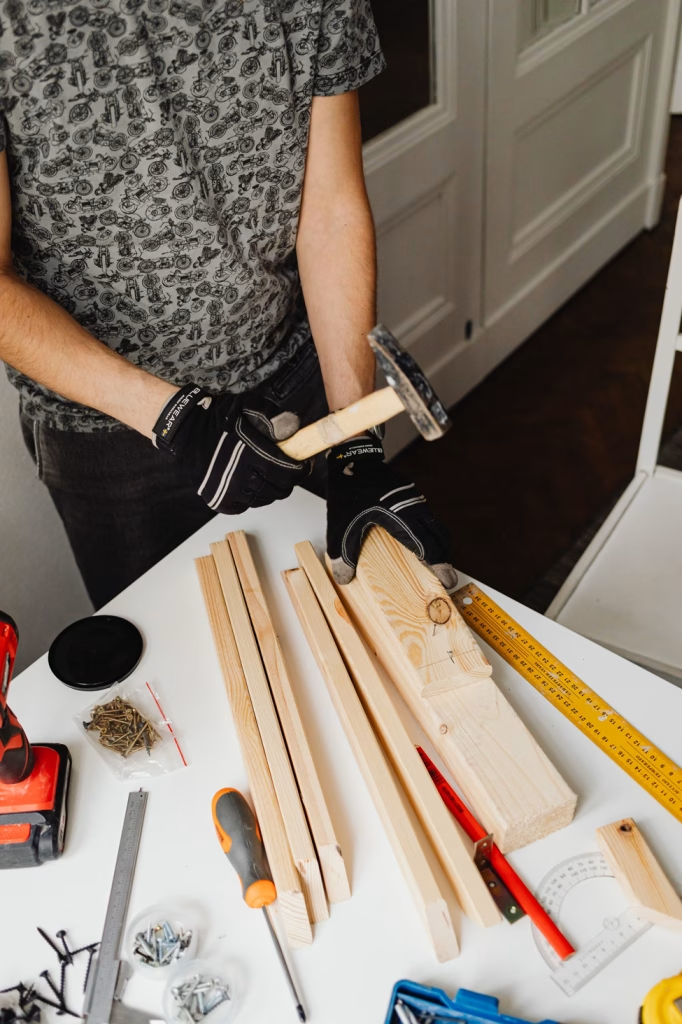
Here’s where people sometimes get it backwards. Hours choosing the perfect cabinet. Five minutes choosing who installs it. Good workmanship is one of those things that doesn’t stand out when it’s done properly.
But poor workmanship? That’s impossible to ignore. Crooked shelves. Uneven gaps. Visible screws.Cabinet doors that never quite line up. Those little things keep catching the eye every single day.
Professional tradespeople also tend to use tools that help achieve cleaner results from the beginning. During joinery and cabinet installation, precision tools like HSS countersinks are commonly used to create smooth, flush screw recesses in timber, helping visible wood surfaces look much neater once the project is finished. Most homeowners will never ask what tool was used. They’ll just notice that everything looks tidy.
Bigger Doesn’t Always Mean Better
One large piece of artwork usually has more impact than six small frames. The same goes for mirrors. Rugs. Even plants. Trying to fill every empty corner often makes a room feel crowded instead of finished.
Leaving a little breathing room isn’t a bad thing. Actually, it’s one of the easiest ways to make a home feel calmer.
Before Buying Anything…
Pause for a day. Seriously. It’s amazing how many purchases feel like a great idea until the next morning. Instead, make a quick list.
- What actually needs replacing?
- What can simply be painted?
- What can stay?
- Which upgrade will make the biggest difference?
That list usually saves more money than waiting for another furniture sale.
The National Association of Home Builders has consistently found that buyers place long-term value on quality finishes and solid craftsmanship, not just decorative features. Those investments tend to hold their appeal much longer than passing trends.
Small Details Finish the Room
A freshly painted wall looks good. A freshly painted wall with neat edges looks even better. Cabinets that close properly feel different. Door handles that don’t wobble feel different. Shelves that are perfectly level feel different. All of these upgrades when put together and the whole house start feeling more polished without looking like anyone tried too hard.That’s probably the biggest difference between a home that feels expensive and one that simply costs a lot.
Final Thoughts
Looking like a designer home isn’t really about buying designer furniture. It’s about making smarter decisions. Spend a little more where people touch, use and notice things every day. Don’t chase every trend. Keep the finishes consistent. Hire good tradespeople when it matters. Most importantly, don’t underestimate the boring stuff. Because, more often than not, that’s exactly what makes a home look anything but boring.