Your roof usually stays out of sight until it starts making itself known with leaks, curling shingles, or that suspicious stain spreading across the ceiling. If you live in a rainy place like Washington, roof problems tend to move from “minor annoyance” to “expensive mess” pretty quickly. Before you commit to a full replacement, it helps to understand what triggers the need, what the process looks like, and how to avoid paying for the wrong fix.
Signs your roof may be past the repair stage
A few missing shingles don’t always mean game over. Roofs can often handle small repairs if the damage is isolated and the rest of the system is still sound. The trouble starts when wear shows up in clusters.
You should pay attention to signs like:
– Shingles that are curling, cracking, or losing granules
– Repeated leaks in different areas
– Soft spots that feel spongy underfoot
– Sagging rooflines
– Moss growth that keeps returning after cleaning
– Flashing failure around chimneys or vents
If your roof is over 20 years old, repair math gets less friendly. A patch may solve one issue while another waits around the corner with bad timing. At that stage, the question shifts from “Can you repair it?” to “Should you keep repairing it?” Those are very different conversations.
Why climate and location matter more than you might think
Roof replacement advice often sounds universal, but local weather changes everything. In Yelm, Washington, your roof deals with steady rain, moisture buildup, debris from surrounding trees, and occasional wind events. That mix can quietly shorten a roof’s lifespan, especially if ventilation or drainage is weak.
Moisture is the real plot twist. It doesn’t just damage shingles. It can affect underlayment, roof decking, insulation, and even indoor air quality if mold gets involved. Homes in damp climates need roofing systems that manage water efficiently, not just materials that look good from the curb.
When you’re considering a Yelm roof replacement project, local conditions should shape the whole decision. Material choice, flashing details, attic ventilation, and installation quality all matter more in wet regions. A roof that performs well in Arizona might struggle badly in western Washington.
How roofing materials compare in the real world
Not every roofing material fits every house, budget, or climate. Asphalt shingles remain the most common option because they’re affordable, widely available, and relatively easy to install. For many homeowners, that balance works.
Still, you’ve got options worth considering:
– **Architectural asphalt shingles:** Better durability and appearance than basic three-tab shingles
– **Metal roofing:** Long-lasting and strong against moisture, though usually more expensive upfront
– **Composite roofing:** Designed to mimic slate or wood with less maintenance
– **Cedar shakes:** Attractive, but they demand more upkeep in wet climates
The cheapest bid can hide lower-grade materials or shortcuts in installation. That’s where problems start brewing quietly. A roofing system is more than the top layer. Ice and water shield, underlayment, drip edge, flashing, and ventilation all work together. If one component is weak, the whole setup can underperform no matter how nice the shingles look in photos.
What the replacement process usually looks like
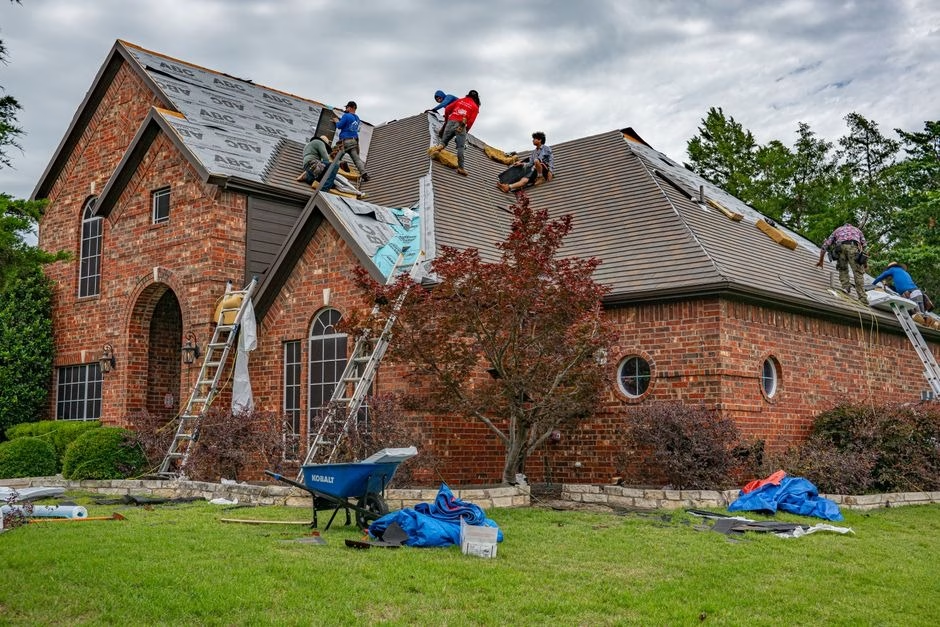
Roof replacement feels dramatic because, well, part of your house gets peeled open. The process is usually straightforward when handled properly, but it helps to know what’s coming.
Most projects follow a sequence like this:
– Inspection and estimate
– Material selection and scheduling
– Removal of old roofing
– Inspection of decking underneath
– Repairs to damaged wood if needed
– Installation of underlayment, flashing, and roofing material
– Cleanup and final walkthrough
The decking inspection matters a lot. Hidden rot often stays invisible until the old roof comes off, which can affect timeline and cost. Ask how change orders are handled before work begins so you’re not blindsided later.
You should also expect some noise, vibration, and driveway clutter for a couple of days. It’s not glamorous. It’s construction. If you work from home or have pets that treat every hammer strike like a personal attack, plan ahead.
How to compare estimates without getting tricked by price alone
A low estimate grabs attention fast, especially when roof replacement already feels expensive. Still, roofing bids are one of those places where “cheaper” can become a very expensive adjective.
Look closely at what each estimate includes:
– Brand and type of roofing material
– Tear-off versus overlay
– Underlayment specifications
– Flashing replacement details
– Ventilation upgrades
– Disposal and cleanup
– Warranty terms for labor and materials
– Permit costs
If one quote is much lower than the others, ask why. Maybe the contractor plans to reuse flashing, skip ventilation work, or install a second layer over the first. Those shortcuts can reduce labor now and increase headaches later.
Good estimates are specific. Vague language is a red flag wearing a tool belt. You want clear scope, clear materials, and clear responsibility if hidden damage appears. Precision beats charm every time.
Questions worth asking before you sign anything
A roofing contract deserves more than a quick skim between errands. You’re hiring someone to protect the structure of your home, not just nail down shingles.
Ask practical questions such as:
– Are you licensed, bonded, and insured?
– Who will supervise the project on site?
– How will you protect landscaping and gutters?
– What happens if rain hits during installation?
– Will you replace flashing or just inspect it?
– How do you handle plywood replacement if rot is found?
– What warranties are included, and who backs them?
You should also ask about ventilation. It gets overlooked constantly, even though poor airflow can trap heat and moisture in the attic, shortening roof life from the inside out. That kind of issue doesn’t show up in a glossy brochure, but it shows up later on utility bills and repair invoices.
A trustworthy contractor should answer directly, without turning every sentence into a sales pitch.
Budgeting for the project without underestimating the real cost
Roof replacement costs vary based on size, pitch, material, complexity, and underlying damage. A simple one-story roof with basic shingles costs far less than a steep roofline with multiple valleys, skylights, and chimney flashing.
When building your budget, include more than the base estimate. You may run into:
– Decking replacement
n- Ventilation upgrades
– Gutter adjustments
– Permit fees
– Disposal costs
– Temporary accommodation for major disruptions in rare cases
Insurance may help if the damage came from a covered event like wind or a fallen tree. It usually won’t cover a roof that simply aged out. Check your policy language carefully before assuming anything.
Financing can make sense for a necessary replacement, especially if delaying the job risks interior water damage. Just compare terms with the same level of care you’d use when comparing contractors. Monthly payments can look friendly while the total cost quietly does backflips.
A solid roof is really about long-term decision-making
Replacing a roof isn’t the most exciting home project. Nobody throws a party for new flashing details. Still, it’s one of the most important investments you’ll make because it protects nearly everything underneath it.
The smart approach is to treat roof replacement as a systems decision, not a cosmetic one. Look at age, climate, material performance, ventilation, workmanship, and contract details together. That gives you a better shot at avoiding repeat problems and budget surprises.
If your roof has started showing its age in serious ways, waiting rarely improves the situation. Water is persistent, patient, and remarkably talented at finding expensive paths. A careful plan now can save you from a much uglier repair story later.