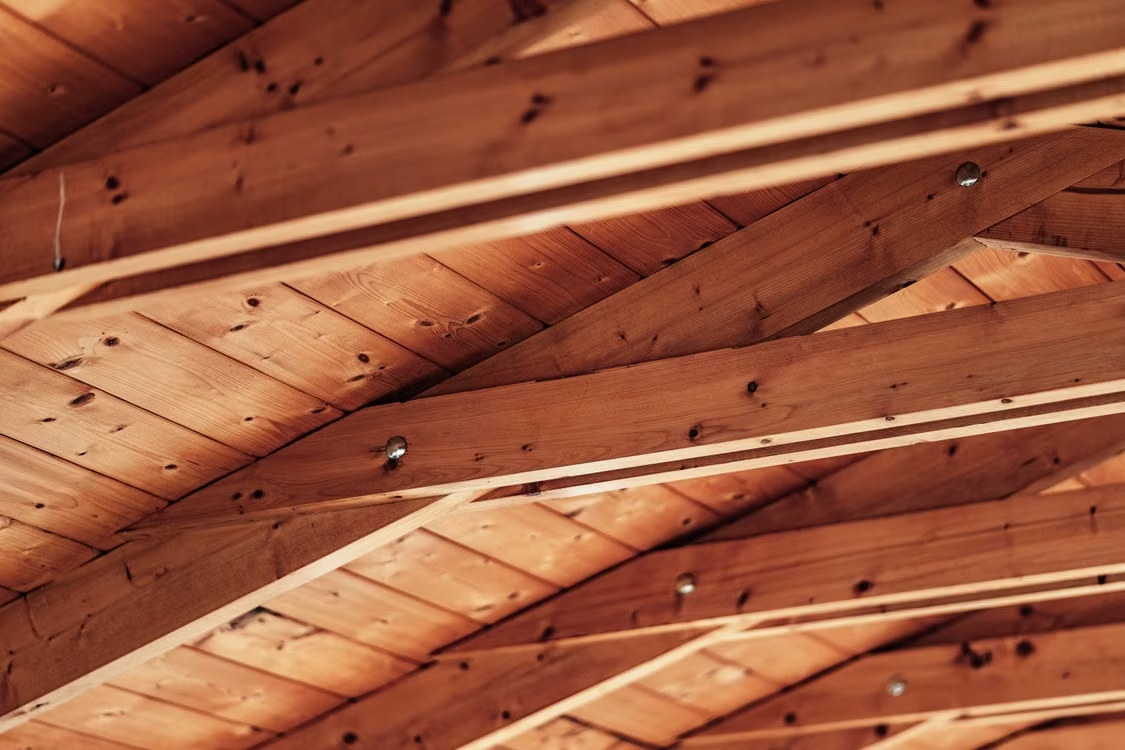
Updating house flooring brings a fresh look to any living space. Homeowners often search for durable materials that look great while reducing environmental impact. Modern interior updates center on smarter, greener building choices.
Selecting the right natural surface means evaluating raw origins and production standards. Homeowners can now create stylish spaces with complete peace of mind. Smart choices lead to stunning transformations across any room.
Reclaimed Wood Salvaged From Old Structures
Using material rescued from historic barns or retired factories gives lumber a second life. Salvaged timber possesses a rich patina and character that brand-new cuts cannot match. Sourcing this sustainable timber path transforms rooms without harming global forest reserves. Using old wood helps the environment by preventing useful lumber from ending up in landfills.
Every piece brings a unique history into the household setting. Knots, nail holes, and weather marks add warmth to living rooms or hallways. Sourcing these planks reduces demand for cutting down living trees.
Renovators love how old industrial lumber handles daily wear. Dense grain structures in historic lumber make the surface resistant to scratches. It remains a top choice for high-traffic areas requiring long-lasting durability.
Domestic Hardwood Species From Responsible Sources
Local tree species like European oak, ash, and beech offer great durability for residential spaces. Sourcing native lumber keeps transport distances short, lowering carbon emissions during shipping. These classic options provide timeless beauty for modern interior designs.
- Oak offers strong grain patterns and resists everyday scratches.
- Ash provides a light tone that brightens smaller rooms easily.
- Beech creates a smooth, uniform surface for clean aesthetics.
Choosing locally grown options supports responsible forest management practices. Native trees regenerate predictable supply chains when harvested under strict regulations. Selecting these cuts keeps home projects stylish and environmentally sound.
Certified Lumber With FSC Or PEFC Marks
Certification guarantees that forest operators follow ethical harvesting and environmental protection rules. Look for FSC or PEFC labels when shopping for new planks. These official stamps confirm the wood was cut in responsibly managed forests.
Verified supply chains protect biodiversity and prevent clear-cutting practices. Responsible forestry maintains healthier soil and safeguards local wildlife habitats. Independent inspections verify that tree harvesting matches natural regrowth rates.
Checking labels gives homeowners full transparency into product origins. Certified planks deliver long-term value while protecting natural habitats. It remains a reliable way to make green choices for any home update.
Bamboo Plank Alternatives For Modern Interiors
Fast-growing grasses offer an appealing look similar to natural tree planks. Bamboo shoots mature in 3 to 5 years, making harvest cycles fast. Rapid regrowth makes it a renewable alternative to traditional lumber.
Engineered bamboo boards resist moisture better than many traditional choices. Stranded bamboo options deliver exceptional hardness suitable for busy households. The smooth surface fits minimalist or contemporary design styles well.
Manufacturing processes create uniform colors ranging from natural blonde to rich mocha. Light stains keep spaces feeling airy, while darker tones add luxury. Proper maintenance ensures the surface stays smooth over decades of use.
Salvaged River Wood With Deep Tones
Logs lying at the bottom of riverbeds offer incredible natural beauty. Sunk decades ago during historical logging drives, underwater logs preserve well. Specialist teams recover these submerged trunks without clearing standing forests.
Cold water preserves the lumber while minerals create rich natural colors. Deep grays, dark browns, and olive tones emerge from mineral absorption. These unique shades are impossible to recreate using artificial wood stains.
Dredging sunken logs helps clear waterways for safer local river travel. Milling this aged material produces stable, warp-resistant floorboards for home renovations. It offers a rare look while relying entirely on existing resource recovery.
Engineered Hardwood Built With Real Veneers
Engineered boards combine thin real-wood top layers with stable composite backing bases. Thin surface veneers stretch premium wood yields much further per harvested tree. Composite core layers often use recycled fiber content to reduce waste.
The cross-grain plywood core resists shifting during seasonal humidity changes. Less shifting makes engineered options ideal for basements or over concrete slabs. Homeowners get authentic surface textures with improved structural stability across seasons.
Top layers can be lightly refinished to clear away minor wear. High-grade wear layers ensure decades of use before replacement becomes necessary. Smart engineering pairs high resource efficiency with authentic surface charm.
Eucalyptus Lumber Grown On Renewable Plantations
Fast-growing eucalyptus plantations provide a steady supply of dense, durable hardwood. Trees reach full structural maturity in 10 to 14 years. Rapid growth rates make eucalyptus a solid candidate for commercial farming.
Dense fiber structure gives eucalyptus a high hardness rating similar to red oak. Exotic grain patterns range from light tan to warm red tones. The timber takes stains easily, matching diverse interior color schemes.
Sourcing from organized plantations protects old-growth natural forests from logging pressure. Sustainable farming creates steady local employment while keeping wood supplies stable. Eucalyptus delivers high performance alongside strong environmental credentials.
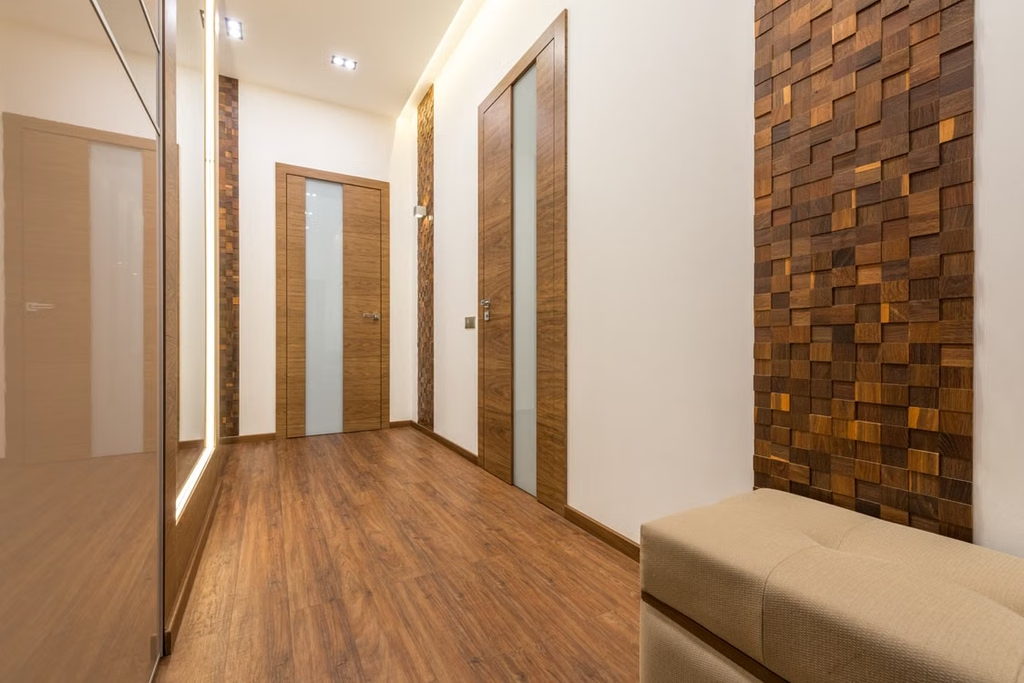
Planks and surfaces chosen with care transform living areas into beautiful environments. Selecting responsible options supports global conservation efforts without sacrificing style or durability. Smart material selection brings long-lasting style to every room in the house.
Careful planning allows homeowners to balance aesthetic goals with environmental responsibility. Utilizing recycled materials, certified domestic species, or fast-growing alternatives creates healthy indoor spaces. Beautiful flooring choices prove that stylish design and green living go hand in hand.