
When you open a boutique, cafe, salon, or small office, every detail shapes how people feel as they walk in. The front door is often the first signal, and the hardware on that door, including the lever, closer, pull, and finish, helps set expectations before a visitor sees the rest of the space.
Planning commercial door upgrades can feel complicated because there are more hardware types, code considerations, and finish choices than many small-business owners expect. A simple process helps. Start with the doors you already have, match hardware to each door’s purpose, confirm safety requirements, and choose finishes that fit the space without overbuying.
This guide walks through the practical steps, from documenting existing doors to picking finishes, understanding accessibility basics, and building a shopping checklist you can share with an installer.
Key Takeaways
- Match hardware to each door’s job. A front entry, restroom, storeroom, and rear exit each need different functions, durability levels, and styles.
- Choose one finish family for consistency. Coordinating levers, closers, pulls, and hinges in one finish, or a deliberate two-finish combination, makes the space feel more intentional.
- Confirm accessibility and egress basics locally. Handle types, exit hardware, and fire-rated door rules vary by jurisdiction. Check with your local Authority Having Jurisdiction, or AHJ, before ordering.
- Plan installation and maintenance early. Lead times, rekeying, credential setup, and routine upkeep are easier to manage when you account for them before purchase.
Start with the Door You Have
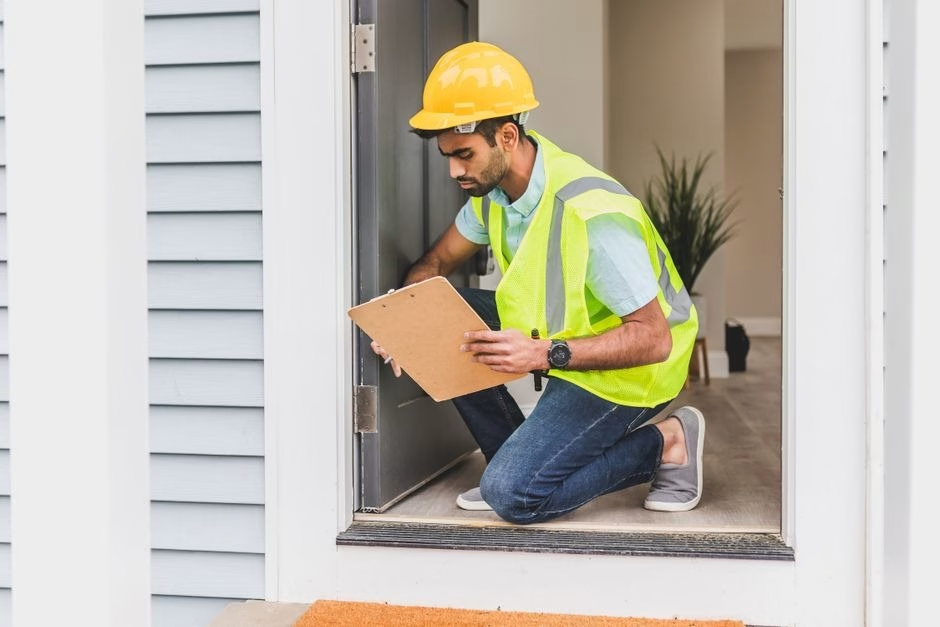
Before browsing catalogs, walk through your space and document every opening. This prevents a common and expensive mistake: ordering hardware that does not fit the door or frame.
For each door, capture the following:
- A photo of both sides, including the edge where a fire label may be attached
- Door thickness and frame type, such as wood, hollow metal, or aluminum storefront
- Handing and swing direction, including hinge side and whether the door swings in or out
- Existing cutouts, often called lock prep, for locks and bolts
- Any fire-rating label on the door edge or frame
Aluminum storefront doors, also called narrow-stile doors, are especially important to identify early. They often require model-specific locks, exit devices, and pivots. Verify compatibility with the door manufacturer’s charts before purchasing to avoid misfits and rework.
If your door or frame carries a fire-rating label, it must remain self-closing and self-latching. Unapproved hold-opens or hardware swaps can compromise that rating. Confirm the door’s status with building management documentation before changing any parts.
Match Function to Each Doorway
Not every door needs the same hardware. Thinking about each opening by its purpose helps you spend wisely and avoid over- or under-specifying.
Front entry. This is the first touchpoint for customers and visitors. A durable lever or mortise lockset, reliable door closer, and proper weatherstripping are usually priorities. Choose a finish that fits the rest of the interior rather than treating the door as a separate design decision.
Restroom. A privacy or indicator lever, the type with an occupied/vacant display, keeps use simple. Prioritize handles that are easy to operate for a wide range of visitors.
Storeroom or supply room. A secure latch or deadbolt may be appropriate here, but only where the door is not part of a required exit path. Do not install a lock that requires a key to leave on any door people might use during an emergency.
Back-of-house or rear exit. Durability matters most. A heavy-duty closer, sturdy hinges, and a dependable latch help this door function through daily use, deliveries, and staff traffic.
Core Hardware Types and What They Do
As you compare leversets, mortise locks, exit devices, hinges, closers, deadbolts, weatherstripping, and electronic access options, a commercial door hardware catalog can help you see what is commonly available and how items are grouped. Here is a plain-language overview of the main categories.
- Leversets. These are the most common handle type. They come in many rosette and backplate styles, from simple round designs to more decorative rectangular trims.
- Mortise locks. These are heavier-duty than standard cylindrical locks. The lock body sits inside the door, and trims are available in more design-focused options. They are often used on higher-traffic front entries.
- Deadbolts. These add security on doors such as storerooms or private offices. They are not appropriate on required exit doors where they could block egress.
- Exit devices. Also known as panic bars, these may be required on doors serving assembly or higher-occupancy spaces. They allow fast push-to-exit operation. Verify requirements before adding any secondary locks.
- Door closers. Closers control the speed and force of a door’s swing. They reduce slamming, help exterior doors close fully, and are required on many fire-rated openings.
- Hinges, pivots, and continuous hinges. These support the door’s weight and alignment. Continuous hinges distribute stress across the door height and can help prevent sagging on heavy or high-traffic doors.
- Weatherstripping, thresholds, and sweeps. These seal gaps for comfort, energy savings, and dust or noise reduction. Low-profile thresholds also support accessibility.
- Electronic access. Keypads, fobs, cards, and mobile credentials can reduce key management problems and provide basic access records, depending on the system.
Hardware durability varies by grade. Before purchasing, confirm the product’s stated grade on its official specification sheet, often called a cut sheet, and select a grade that matches your expected traffic level.
Finishes and Style Strategy
Choosing a single finish family is one of the simplest ways to make a space look cohesive. Consider how each finish relates to your design direction and maintenance needs:
If you are still defining the look, reviewing interior design basics can help you connect door hardware with lighting, millwork, signage, and other visible details.
- Satin brass. Warm and inviting. Often used in boutiques, salons, and hospitality-focused spaces.
- Matte black. Modern and minimal. Common in studios, coworking offices, and contemporary cafes.
- Satin stainless. Clean and durable. A practical choice for kitchens, clinics, and spaces where frequent cleaning is expected.
- Oil-rubbed bronze. Traditional or industrial in feel. It can suit vintage storefronts and creative studios.
Mixing metals can work when it is intentional. For example, matte black pulls can pair with stainless hinges in an industrial-themed space. Keep the mix to two finishes at most so the result does not feel scattered.
Finish care and warranty coverage differ by brand. Verify approved cleaners and maintenance intervals in the manufacturer’s documentation to preserve the finish and avoid warranty issues.

Accessibility and Life Safety, Simplified
You do not need to memorize code numbers, but you do need to understand a few principles that affect hardware choices.
- Lever-style handles are generally preferred over knobs because they are easier to operate for people with limited grip strength.
- Exit paths must stay clear. Do not add a key-required deadbolt or surface bolt to any door that serves as an exit route.
- Fire-rated doors must be self-closing and self-latching. Do not prop them open with unapproved methods.
- Thresholds should be low-profile to reduce tripping hazards and support accessibility.
Accessibility rules can affect handle type, operating force, clearance, and egress operation. Always confirm locally adopted standards with your AHJ before ordering hardware. Some buildings also restrict finish choices, door modifications, or after-hours construction work, so check property management rules before scheduling installation.
Electronic Access, Demystified
Moving from mechanical locks to electronic access can make sense when you need to manage multiple users, track entries, or reduce physical keys.
When comparing options, look for practical smart lock features such as temporary codes, simple entry logs, and battery alerts rather than buying more capability than your door count requires.
Keypad locks are the simplest option for one or two doors. Change the code when staff turns over, and replace batteries on schedule.
Smart cylinders or standalone readers work well for moderate traffic. They accept fobs, cards, or mobile credentials and typically run on batteries.
Networked systems suit multi-door spaces where you need a central dashboard, real-time audit trails, and remote credential management.
Electrified locks and maglocks typically require permitted electrical work and specific egress release methods. Coordinate early with a licensed electrician and your local AHJ to make sure the installation meets fire and life-safety requirements.
Budget and Installation Paths
A practical way to plan spending is to use a good/better/best framework for each doorway. A good option might be a commercial-grade cylindrical lever and a basic closer. A better option may add a mortise lock and a higher-grade closer with adjustable speeds. A best option may include electronic access and a continuous hinge for added durability.
Who should install the hardware depends on the scope:
- A commercial locksmith can handle many lever, deadbolt, and closer installations, plus rekeying.
- A door and hardware specialist is useful for fire-rated openings, storefront doors, or exit devices.
- A general contractor may be needed if the project includes structural frame modifications or coordinated trades.
Custom finishes can add weeks to lead times. Create a simple hardware schedule, such as a spreadsheet listing each door, its hardware, the finish, and the SKU, so nothing gets overlooked or ordered twice.
Maintenance That Preserves Looks and Performance
A quarterly walk-through helps keep doors working smoothly:
- Tighten loose hinge and lever screws.
- Check latch alignment with the strike plate. A misaligned latch wears out hardware and frustrates users.
- Test closer sweep and latch speeds. Adjust if the door slams or does not latch fully.
- Inspect weatherstripping and sweeps for wear, cracks, or gaps.
- Clean hardware with the manufacturer’s approved cleaner. Harsh chemicals can damage finishes and void warranties.
Plan for key and credential changes whenever staff turns over. For keypad or electronic systems, update codes or deactivate cards and fobs promptly.
Common Pitfalls to Avoid
- Mixing incompatible finishes without a plan, which can make a space look unfinished.
- Installing residential-grade hardware on a high-traffic commercial door. It may wear out quickly and may not meet code.
- Ordering the wrong handing, such as left swing instead of right swing, which can cause returns and delays.
- Adding surface bolts or secondary deadbolts that block a required exit path.
- Skipping a closer on an exterior door, which can lead to slamming, air leaks, and premature wear.
- Forgetting weather and energy performance on entries exposed to the elements.
Shopping Checklist
Use this list before you visit a supplier or call an installer:
- Photos and notes for every door, including both sides and any edge label
- Handing and swing direction for each opening
- Door thickness and frame type
- Existing lock prep and cutout dimensions
- Fire-rating label status, marked yes, no, or unknown
- Desired function per door, such as entry, privacy, storeroom, or exit
- Finish choice and any secondary accent finish
- Electronic access needs, including number of doors and credential type
- Installer contact and preferred installation dates
- Property management rules on modifications and work hours
Commercial door upgrades are easier to manage when you start with the doors you have, match the right hardware to each opening, choose a finish that fits the space, and verify local requirements with your AHJ and a qualified installer. That preparation helps you get doors that look appropriate, work reliably, and support safety for staff and visitors.