
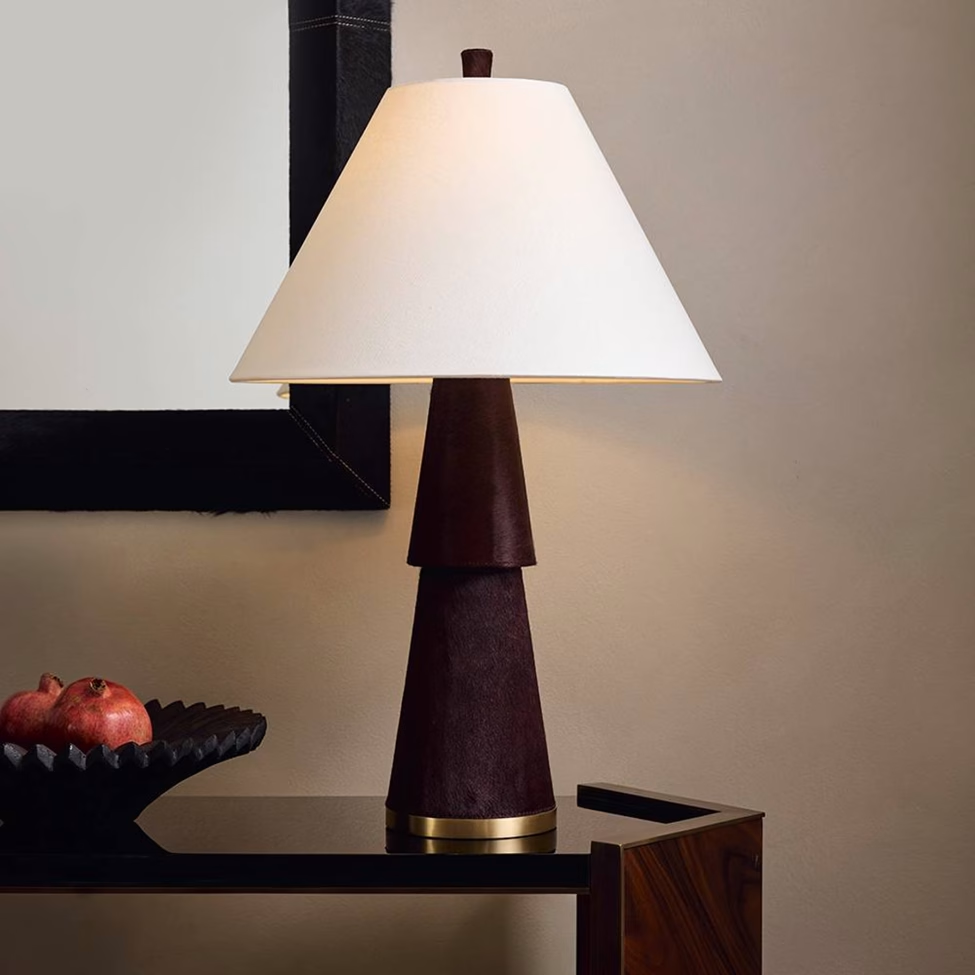
A room can have strong furniture, good color, and beautiful art, yet still feel unfinished without the right lighting. Table lamps help fill that gap. They bring light closer to where people sit, read, talk, and relax. They also add shape, texture, and personality to side tables, consoles, desks, and nightstands. For homeowners who want lighting that feels useful and refined, high end table lamps can offer inspiration for rooms that feel warm, balanced, and thoughtfully styled.
Why Table Lamps Matter
Table lamps do more than brighten a dark corner. They help shape the mood of a room. A ceiling light may provide general brightness, but it often feels flat on its own. A table lamp creates a softer glow and brings the light down to a more comfortable level.
This makes a room feel more welcoming. A lamp beside a sofa can make a living room feel ready for conversation. A lamp on a bedside table can make a bedroom feel calm. A lamp on a desk can support focus while still adding style.
Small lighting choices often make a large difference in how a space feels each day.
Creating a Warm Atmosphere
Warmth in a room does not come from color alone. It also comes from how light moves through the space. A table lamp can soften hard edges, reduce shadows, and create a gentle pool of light.
This effect works well in living rooms, bedrooms, entryways, and dining areas. A lamp on a console can welcome people as they enter the home. A lamp near a reading chair can make an unused corner feel inviting.
The right bulb matters too. Warm white light often feels more comfortable in rooms used for rest and gathering. It can make wood, fabric, stone, and art feel richer.
Adding Character Through Shape and Material
A table lamp acts like a small design piece. Its base, shade, finish, and size all affect the look of the room.
A ceramic lamp can feel soft and handmade. A metal base can add polish. Glass can bring lightness. Stone, wood, or woven details can add texture and depth.
Shape also matters. A tall slim lamp can make a side table feel elegant. A wide sculptural lamp can become a focal point. A simple lamp with clean lines can bring calm to a busy room.
These details help a room feel more personal. They also give homeowners a simple way to express style without changing major furniture pieces.
Supporting Everyday Tasks
Table lamps are beautiful, but they also need to work well. They should support the way people use the room.
In a living room, a lamp should offer enough light for reading or relaxing. In a bedroom, it should sit at a comfortable height for nighttime use. On a desk, it should help with work without causing glare.
Think about where the light falls. A lamp that is too low may not give enough useful light. A lamp that is too bright may feel harsh. A good choice supports the task while keeping the room pleasant.
Balancing Scale and Placement
Scale can change the success of a lamp. A small lamp may look lost on a large console. A large lamp may crowd a small nightstand.
The lamp should feel balanced with the table, chair, bed, or sofa nearby. The shade should not block sightlines or feel too wide for the surface. The base should leave room for daily items such as books, glasses, or a cup of tea.
Placement also helps create balance. A pair of lamps can bring symmetry to a bedroom or console. A single bold lamp can add interest to a side table or reading nook.
Layering Light Across the Room
A comfortable room often uses more than one light source. Table lamps work best as part of a layered plan.
Overhead lighting gives general brightness. Floor lamps can brighten larger corners. Wall sconces can add depth. Table lamps bring the light closer to daily life.
Together, these layers allow the room to shift from bright and active to soft and calm. This flexibility helps the home feel more useful and more welcoming.
Styling Lamps With Other Décor
A table lamp should connect with the rest of the room. It does not need to match every piece, but it should feel related.
Look at the room’s finishes, shapes, and textures. A lamp with a brass finish may echo cabinet hardware or a mirror frame. A linen shade may connect with curtains or upholstery. A rounded base may soften a room with many straight lines.
The area around the lamp matters too. Books, small trays, flowers, or decorative objects can create a finished look. Keep the surface simple so the lamp has space to shine.
Using Lamps in Unexpected Places
Table lamps are common in bedrooms and living rooms, but they can work well in many other areas.
A lamp in a kitchen corner can add charm in the evening. A lamp on a dining room sideboard can create a soft glow during meals. A lamp in a hallway can make the space feel more cared for. A lamp in a bathroom, when placed safely and with care, can bring a softer mood.
These touches make the home feel layered and personal. They also help each room feel pleasant at different times of day.
Choosing Pieces With Staying Power
A good table lamp should feel useful now and still feel right later. Trends can inspire a choice, but lasting appeal often comes from strong shape, quality materials, and good scale.
Neutral shades, rich textures, and simple forms tend to age well. A lamp with a special material or sculptural base can also stay interesting when the rest of the room changes.
The best choice supports both style and daily life. It should look good, feel practical, and bring comfort to the space.
Final Thoughts
Table lamps may seem like small details, but they have a strong effect on how a room feels. They add warmth, support daily tasks, create mood, and bring character to surfaces throughout the home. By choosing lamps with the right scale, material, light quality, and placement, homeowners can make everyday spaces feel more polished, personal, and inviting.