
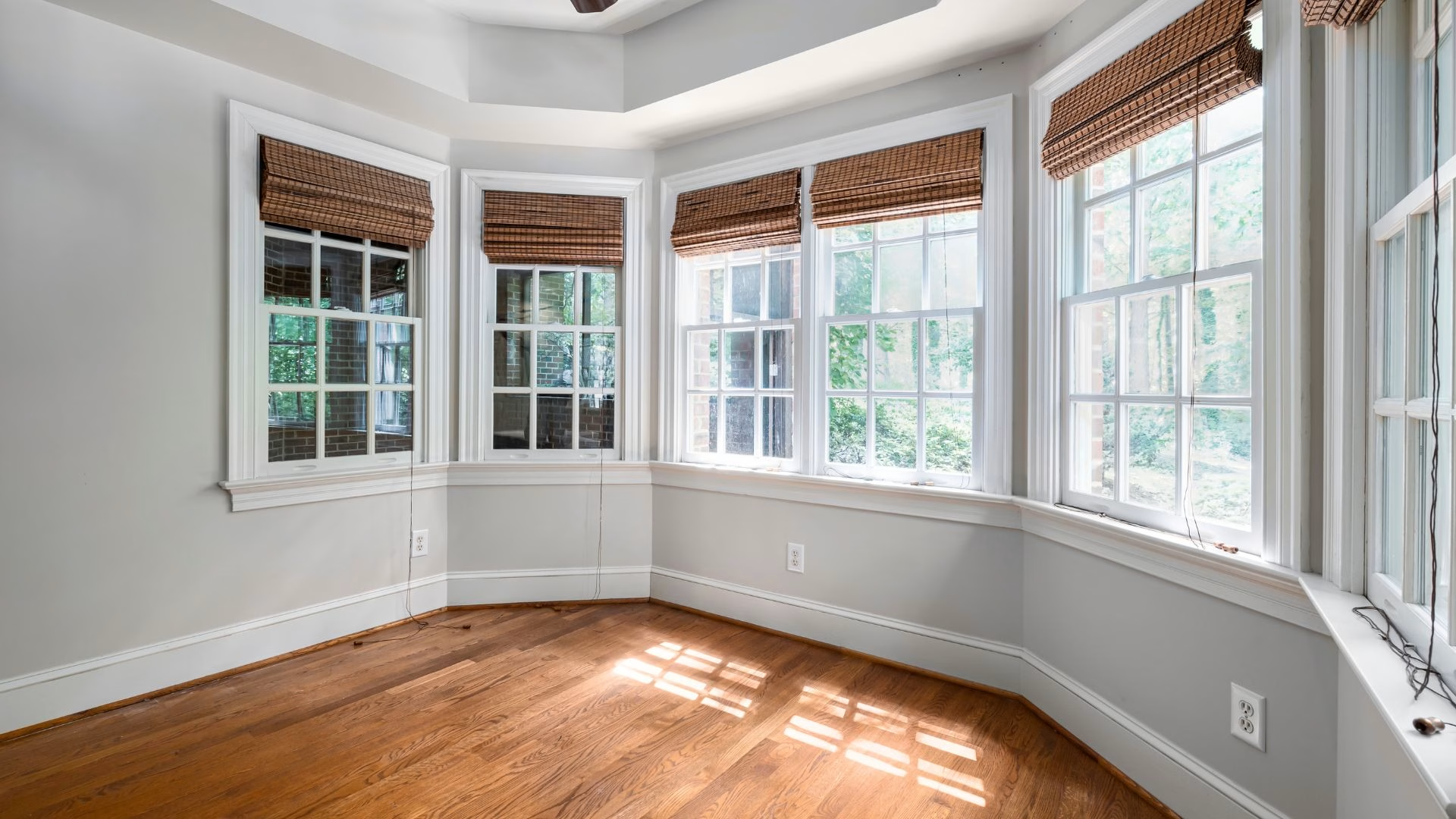
Window treatments are one of those finishing touches that quietly decide whether a room looks pulled together or half-done. You can nail the sofa, the rug, and the art on the walls. Bare windows still make the whole place read like a model unit nobody has moved into yet.
Most people pick curtains the way they pick a phone case. Grab something that looks nice; hope it works out. But the look you’re chasing usually depends on your home style way more than any single fabric does. A glassy modern living room and a creaky old farmhouse want completely different things at the window, and that gap is where a lot of rooms go sideways.
And that’s the whole game, honestly. Choosing window treatments for home style comes down to matching the covering to the room it already lives in instead of fighting it. Get that part right and the rest is mostly picking colors and textures you actually like.
Figure Out What the Room Is Doing First
Before style, there’s function. How much light do you want, how much privacy do you need, and is there a view worth showing off or one you’d rather hide?
A bedroom and a front-facing living room have different answers. One wants darkness on demand. The other might want light to pour in all day while still keeping the neighbors from watching you eat cereal. Sort that out before you fall in love with a fabric, because a gorgeous sheer panel won’t get a bedroom dark on its own, no matter how good it looks.
Matching Treatments to Common Home Styles
There are more directions here than you’d guess. Design editors at places like Better Homes & Gardens keep whole galleries of it, and the through-line is always the same: let the room set the tone.
Modern and contemporary
Clean lines, not a lot of fuss. Roller shades, solar shades, and flat panels in solid colors tend to sit best here. The treatment almost disappears, which is the point. If you add curtains, keep them simple and hang them high so the window feels taller.
Farmhouse and rustic
This is the opposite energy. Natural materials, a little texture, and things that look like they’ve earned their spot. Woven wood shades, faux wood blinds, or roman shades in linen all land well. White or wood-tone shutters are a classic move and they almost never look wrong in an older home.
Traditional
Traditional rooms like a sense of weight and history. Wood blinds, layered drapery, and shutters all play nice with darker furniture and warmer wall colors. Nothing here needs to be loud. The goal is timeless, the kind of look you won’t side-eye in five years.
That polished, celebrity-home look
You know the effortless windows in those celebrity home tours, the kind that read expensive without trying too hard? It’s rarely one dramatic curtain doing the work. It’s usually restraint plus the right material for the room: floor-skimming panels, a quiet shade underneath, and hardware that matches the metals already in the space. Attainable, too, once you stop chasing the showy version.
Coastal and airy
Light is the whole vibe. Sheer fabrics, soft whites, and natural woven shades keep things breezy. You’re framing the light, not blocking it.
So if you’re staring at a wall of options and freezing up, here’s a rough cheat sheet:
- Roller and solar shades: low-profile, made for modern and minimal rooms.
- Wood and faux wood blinds: warm and classic, great for traditional and farmhouse spaces.
- Roman shades: soft fabric fold that behaves like a shade. Works almost anywhere.
- Woven bamboo or grass shades: texture for coastal, boho, and natural-leaning rooms.
- Shutters: architectural and sturdy, at home in both crisp and rustic settings.
Don’t Sleep on Layering
One treatment is fine. Two is often better. Pairing a shade with a curtain panel gives you control plus softness, and it reads more finished than either one alone. Shades handle the light, panels handle the look.
It’s also the easiest way to fake a designer room on a normal budget. A plain shade you barely notice, then panels that bring the color and texture. If you want the dry, every-category version of the topic, the general overview of window treatments lays it all out.
Where to Start Without Overthinking It
Pick one room. Look at what’s already there, the wood tones, the metals, and the wall color, and let those decide your direction. Then order samples before you commit to anything, because fabric and color shift a lot once they’re hanging in your own light.
That’s really it. Match the treatment to the home you’ve got, keep the function honest, and the windows stop being an afterthought and start doing real work.