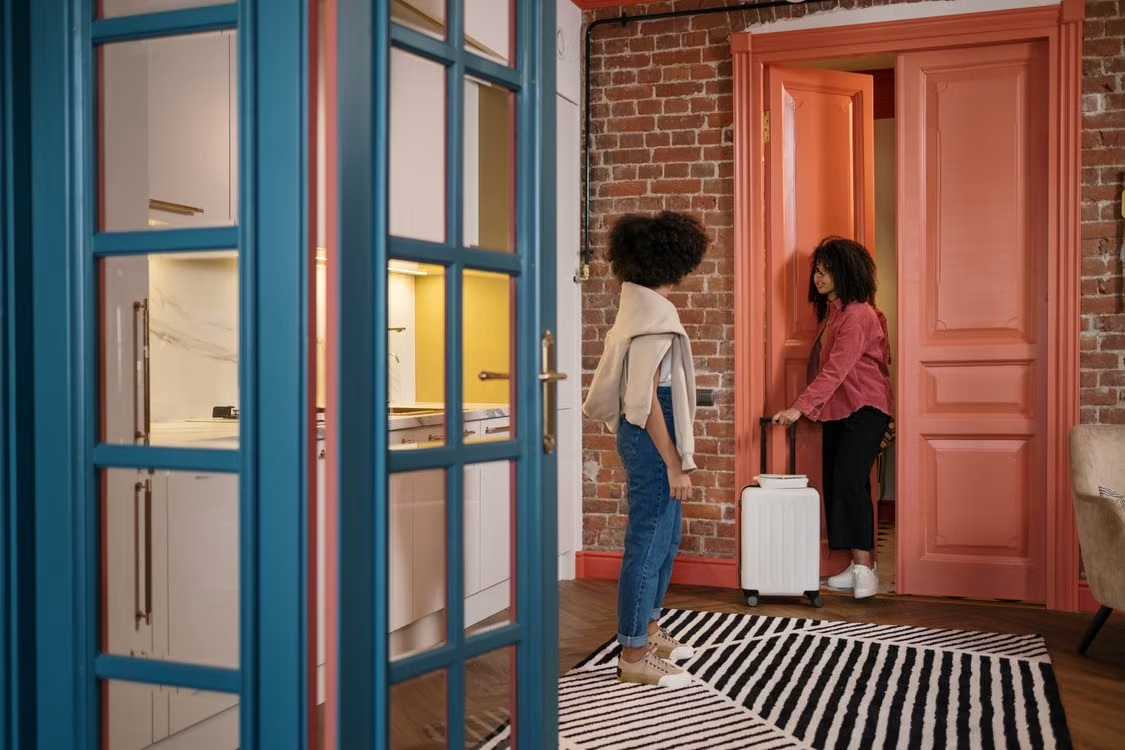
Communal living spaces can go wrong fast. One oversized sofa. A coffee table that looks good but bruises every shin in the house. A wall so blank it feels like the room just moved in and forgot to unpack. It happens more often than people think.
The better starting point is mood. Not furniture. Not trends. Mood.
Should the space feel calm after a long day? Social and buzzy? Warm enough for movie nights but polished enough for guests? Once that feeling is clear, the design choices make more sense. A deep sofa invites people to stay. A round dining table makes conversation easier. Two armchairs by a window create a quiet corner without needing a sign that says “please relax here.”
Shared spaces need to feel welcoming without becoming bland. That’s the challenge. Nobody wants a lounge that feels like a waiting room with cushions.
Choose Warm Neutrals With a Backbone
Neutral rooms get a bad reputation because too many of them feel unfinished. Beige, beige, and more beige. Done badly, it’s oatmeal with a mortgage.
Warm neutrals still work beautifully, but they need depth. Cream walls. Walnut timber. A soft taupe sofa. Clay-toned ceramics. Olive or rust cushions. These colors bring ease without making the room feel flat.
Celebrity homes often use this trick. The palette looks effortless, but it’s rarely random. There’s usually one main neutral, one strong material, and one or two accent tones that keep showing up. That repetition makes the room feel calm instead of chaotic.
For communal living rooms, warmer shades usually beat cold gray. Gray can look sleek in the right setting, but without timber, texture, or good light, it starts feeling a bit corporate. Fine for a meeting room. Less lovely for a Sunday afternoon on the sofa.
Let the Walls Say Something
Walls matter. A lot.
A bare wall can make a shared space feel temporary, even when the furniture is good. Too much on the wall can make the room feel restless. The goal sits somewhere in between: enough character to feel lived in, but not so much that every surface is fighting for attention.
Artwork is one of the easiest ways to bring personality into a communal space without making permanent changes. In an urban apartment or shared city home, framed floral wall art can soften a lounge or dining area, adding color and a natural note when the closest greenery outside might be a street tree, a balcony planter, or someone else’s laundry flapping in the breeze.
Scale is the part people often get wrong. One large piece above a sofa usually looks more confident than five tiny frames floating around like they’re lost. A gallery wall can work too, but it needs order. Similar frames. Clear spacing. A few larger pieces to anchor the arrangement.
The wall should feel styled, not nervous.
Add Texture Before Adding More Stuff
Warmth doesn’t always come from color. Sometimes it comes from what a room feels like.
Linen curtains. A wool rug. Timber side tables. Woven baskets. A slightly uneven ceramic vase. These things give a room depth. They also stop shared spaces from looking too staged.
Texture helps communal rooms because these areas work hard. Someone might eat there, scroll there, take a call there, nap there, or host friends there. The room needs to handle life without looking tired by Tuesday.
A rug can make a huge difference. It defines the seating area and stops furniture from looking like it’s floating around with no plan. Cushions help too, but restraint matters. A sofa doesn’t need twelve cushions. It needs enough to feel comfortable without turning every seat into a small obstacle course.
Throws, lampshades, books, trays, plants, and ceramics all help build that layered look. Not too much. Just enough.
Arrange Seating for Real Conversations
Seating should make people want to talk. Simple. Still, many communal rooms get this wrong.
Everything gets pushed against the walls, and suddenly the room feels like a school hall waiting for assembly. Awkward.
A better layout gives people a reason to gather. Angle chairs toward the sofa. Leave room to move through the space. Put side tables where people actually need them. A drink should not require a full-body stretch across the coffee table. That’s not design. That’s a hamstring injury waiting to happen.
Luxury homes often look generous because designers create zones. A main sofa for lounging. A chair for reading. A bench or ottoman for extra seating. Smaller shared homes can use the same idea, just scaled down.
Matching sets can feel stiff, so don’t be afraid to mix pieces. A neutral sofa, a vintage-style chair, and a timber coffee table often feel more personal than a furniture package bought in one afternoon. The secret is connection. Repeat a color, a shape, or a material so the pieces look like they belong in the same conversation.
Keep Personality Shared, Not One-Sided
A communal room should have character, but it shouldn’t feel like one person claimed the whole space. That balance is everything.
The smartest way to bring personality into shared spaces is through pieces that can change. Art. Cushions. Lamps. Books. Plants. Ceramics. These items add flavor without locking the room into one strong opinion forever.
Permanent choices need more patience. Flooring, cabinetry, big sofas, and dining tables should usually stay more timeless, especially when the space needs to suit different people.
This matters even more in shared homes and investment-focused interiors. When someone is looking at a co-living property for sale in a busy city market, the communal areas need to feel flexible, comfortable, and easy to imagine living in. Too much personal styling can make the space feel closed off. Too little can make it forgettable.
A bright red velvet sofa might look fabulous in the right home. In a shared lounge, though, it can become the whole personality of the room. Sometimes a warm neutral sofa with a bold lamp nearby does the job better. Less drama. More staying power.
Use Lighting Like a Mood Switch
Bad lighting can ruin good furniture. No exaggeration.
One harsh ceiling light makes a room feel tired, even if the sofa is expensive and the rug is beautiful. Layered lighting fixes that. Fast.
A shared living space needs more than one light source. Overhead lighting helps with practical use. A floor lamp creates a reading corner. A table lamp softens the room in the evening. A pendant over a dining table makes mealtimes feel more intentional.
Warm bulbs are worth choosing carefully. Cool white light can make a living room feel like a clinic. Warm light makes timber richer, fabrics softer, and people slightly less likely to look like they haven’t slept in three days. Useful.
Dimmers help too. A bright room during the day can become calm at night without changing a single piece of furniture.
Bring In Pieces With a Story
A room feels warmer when it has a few pieces that seem to come from somewhere. Not random clutter. Story.
A vintage mirror. A handmade bowl. A coffee table book about architecture. A lamp with an unusual base. A plant that’s somehow still alive after three housemates and one questionable watering schedule.
These small details make a communal room feel collected instead of purchased in one click. Celebrity homes often feel interesting because they show hints of the owner’s habits, travel, taste, and history. Everyday shared homes can borrow the same idea without copying the price tag.
The trick is editing. Keep the pieces that add something. Remove the ones that only fill space.
Make It Stylish Enough, Then Let It Live
A communal living space shouldn’t feel too precious. If everyone is scared to sit down, the room has failed.
Good design needs comfort, storage, and durability. Choose fabrics that can handle daily use. Pick tables that don’t need constant polishing. Add baskets, cabinets, or trays for remotes, chargers, blankets, games, and the mysterious little objects that always appear in shared spaces.
The best communal rooms have rhythm. They look considered but not stiff. Styled, but not frozen. Warm, but not messy.
A little imperfection helps. A book left open. A throw slightly rumpled. Fresh flowers that are probably two days past their best but still charming. That’s life. And honestly, it’s usually what makes the room feel like home.