You’ve spent weeks picking the perfect patio stones and measuring the spot for that new fence line. The plans look great above ground. But what about everything below it?
Most Atlanta homeowners jump straight into landscaping and outdoor renovations without stopping to think about what might be buried just inches under their grass. Gas lines, electric conduits, water mains, and fiber optic cables crisscross residential properties in ways most people never see until it’s too late. The good news is that a few simple steps before you start digging can save you from costly repairs, project delays, and serious safety risks. Here’s what every Atlanta homeowner needs to know before breaking ground.
The Hidden Danger Beneath Your Dream Renovation

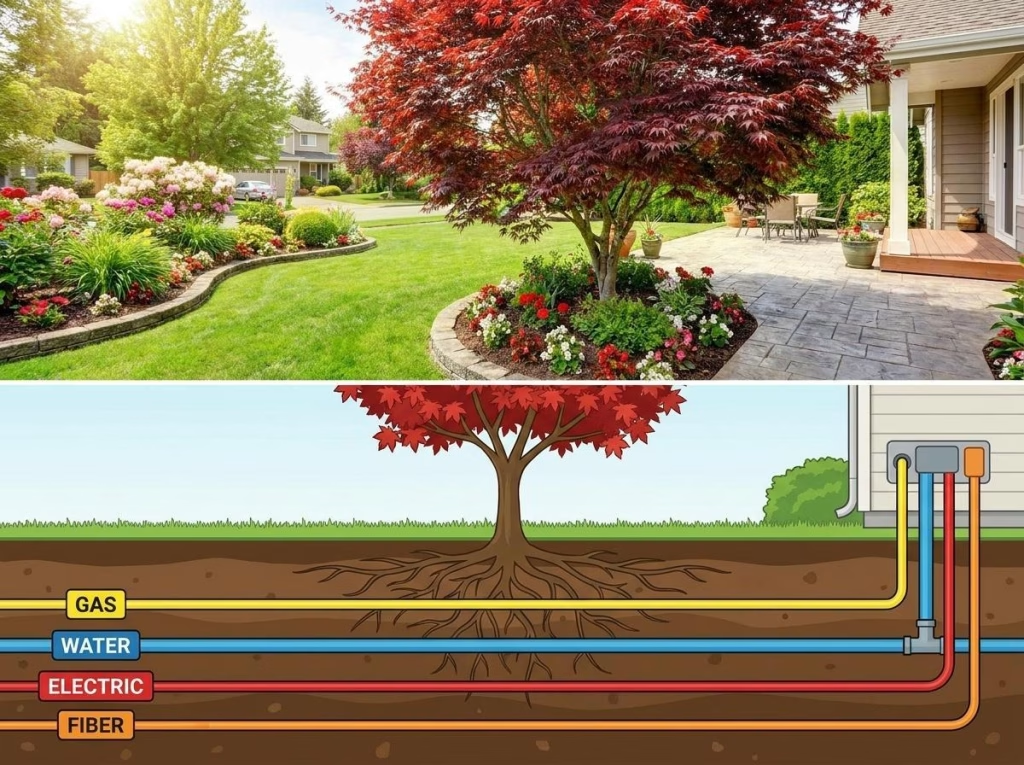
When you look at your yard, you see grass, flower beds, and maybe a tree or two. What you don’t see is the network of utility lines running beneath your property. Natural gas lines feed your furnace and water heater. Electric conduits power your home and outdoor lighting. Water mains supply your sprinkler system. Fiber optic cables keep you connected. Many of these lines are buried just 12 to 24 inches below the surface.
That means a simple weekend project – planting a tree, installing a mailbox post, or building a new fence – can turn into a disaster if you hit something you didn’t know was there. A single mistake can knock out power to your block, cause a gas leak that evacuates your neighborhood, or cost you thousands in emergency repairs. That’s why working with a professional underground utility locating Atlanta GA service before any digging project is a step you can’t afford to skip.
Why Most Atlanta Homeowners Skip This Critical Step
Despite the risks, most homeowners don’t think about underground utilities until something goes wrong. A February 2025 survey from the Common Ground Alliance found that 46% of Americans – roughly 27.2 million homeowners – plan to dig without contacting 811 first. The most common reason? People believe their project is “too shallow” to hit anything important. That assumption is wrong more often than you’d think.
National data from the CGA’s DIRT Report shows utility strikes cost the US about $30 billion annually in direct and indirect damages. A utility line gets struck roughly once every three minutes somewhere in the country. According to PG&E data from 2025, 90% of residential customers who damaged underground utility lines had not called 811 before digging. The average cost per strike? About $3,500 per incident, based on PG&E’s April 2026 estimates.
Here in Georgia, the numbers tell a similar story. Georgia 811 processes over 1.3 million locate tickets per year, serving more than 850 member utilities across the state. Despite that volume, thousands of preventable strikes still happen annually. The Georgia Underground Facility Protection Act (GUFPA) requires locate requests for any mechanized excavation. Yet many homeowners either don’t know about the law or choose to ignore it.
What 811 Covers – And What It Doesn’t
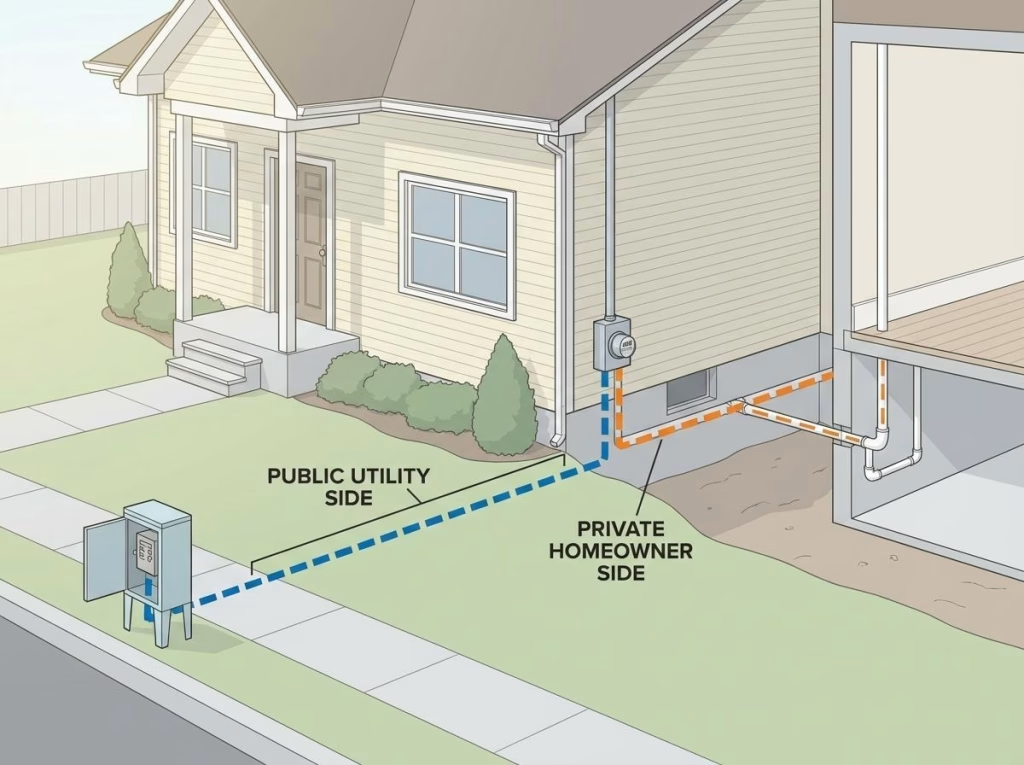
Calling 811 before you dig is the first and most important step. When you call, Georgia 811 contacts local utility companies that send locators to mark their underground lines for free. The service covers public utility-owned lines, such as the gas main running to your house, the electric service from the pole, and the water line from the street to your meter. The Georgia 811 website makes it easy to submit a locate request online.
But here’s what most people don’t realize: 811 only marks public utility lines. Anything on the private side of the meter is your responsibility. That includes the electric line running from your house to a detached garage, the water line feeding a sprinkler system, the conduit powering your landscape lighting, and invisible pet fences. None of those get marked by the utility company.
This is where the gap happens. A homeowner calls 811, gets the utility lines marked, and assumes everything is safe. Then they dig into an area where a previous owner buried a line to a shed, and suddenly they’re dealing with a costly repair. The Georgia Public Service Commission’s Facilities Protection Division enforces GUFPA and provides guidance. However, their mandate covers public infrastructure – not private lines homeowners install themselves.
This is precisely where professional locating services come in. After 811 marks the public lines, a private utility locator can map the rest, giving you a complete picture of what’s underground before you break ground.
Your Pre-Dig Checklist For Atlanta Home Projects
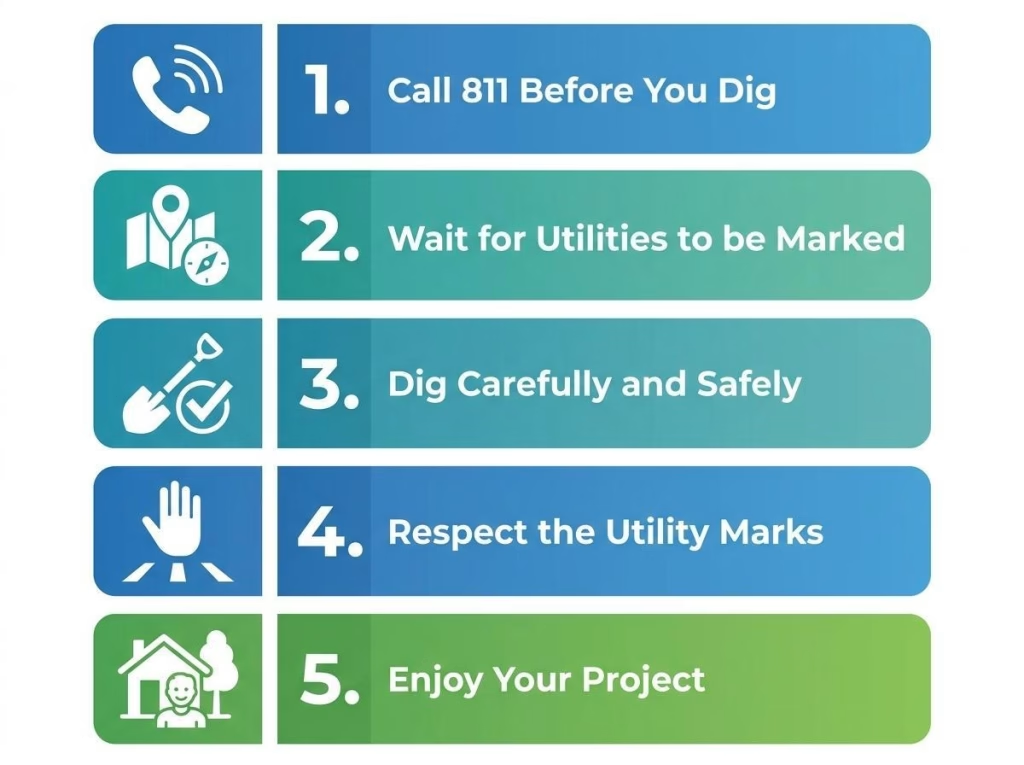
Before starting any outdoor home improvements, follow this checklist to make sure you’re covered before the first shovel hits the dirt.
- Call 811 or submit a request online at least three business days before you plan to dig. Georgia 811’s online system makes this simple.
- Mark your dig area with white paint before locators arrive. This helps them know exactly where you’re planning to work.
- Wait for all utilities to respond. Not every utility marks lines the same day. Give the full three business days for every company to send a locator.
- Understand the color code chart. Red means electric, yellow means gas, orange means telecom, blue means water, and green means sewer. These are standard APWA colors used nationwide.
- Hire a private utility locator for lines beyond the meter. After 811 finishes, a private locator can find unmarked lines to sheds, garages, sprinklers, and pet fences.
- Hand dig within 24 inches of marked lines. Power equipment near a marked line is risky even when you know where it is. Hand tools give you more control.
The same level of planning should apply to every stage of a home improvement project. Many homeowners make key design decisions long before building begins, using digital tools to visualize spaces and refine plans before construction. Taking the time to understand what’s happening underground is just as important before work gets underway.
Build Smart, Dig Safe
Your dream yard deserves the right planning. A few days spent on utility locating can prevent thousands in damage, keep your project on schedule, and protect everyone involved. Call 811 first. For the lines 811 doesn’t cover, bring in a professional locator. The best renovation plan isn’t just about what you build above ground. It’s about what you know about the ground itself.