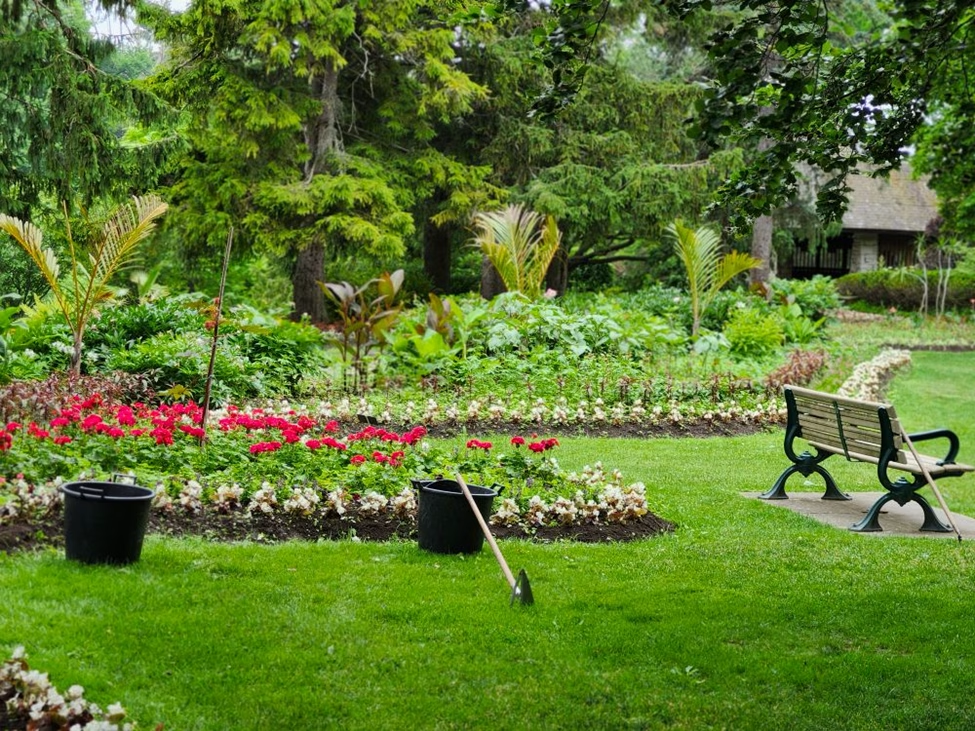
A beautiful yard does a lot of heavy lifting for your home. It frames the front walkway, softens hard edges, and makes the whole place feel cared for before anyone even reaches the door. The tricky part is that a great-looking lawn and garden depend on more than sunshine and good intentions. Your watering system has to do its job too. When it doesn’t, small problems can quietly turn your curb appeal into a patchy, soggy, expensive mess.
Why watering matters
When you think about home decor, you probably picture paint colors, lighting, and maybe that chair you swear was on sale. But outside, watering plays a similar role. It keeps the landscape balanced, healthy, and tidy.
A lawn that gets the right amount of water looks fuller and more even. Flower beds hold their shape better. Shrubs stay from looking crispy and offended by the weather. Good watering also helps protect the money and time you’ve already put into your outdoor space.
Too little water can leave dry patches that make your yard look tired. Too much can be just as bad. It can encourage weeds, create muddy spots, and stain walkways with runoff. If you want your home to look polished from the street, your irrigation system needs to work like a quiet helper in the background, not a chaos machine with a timer.
Signs something is off
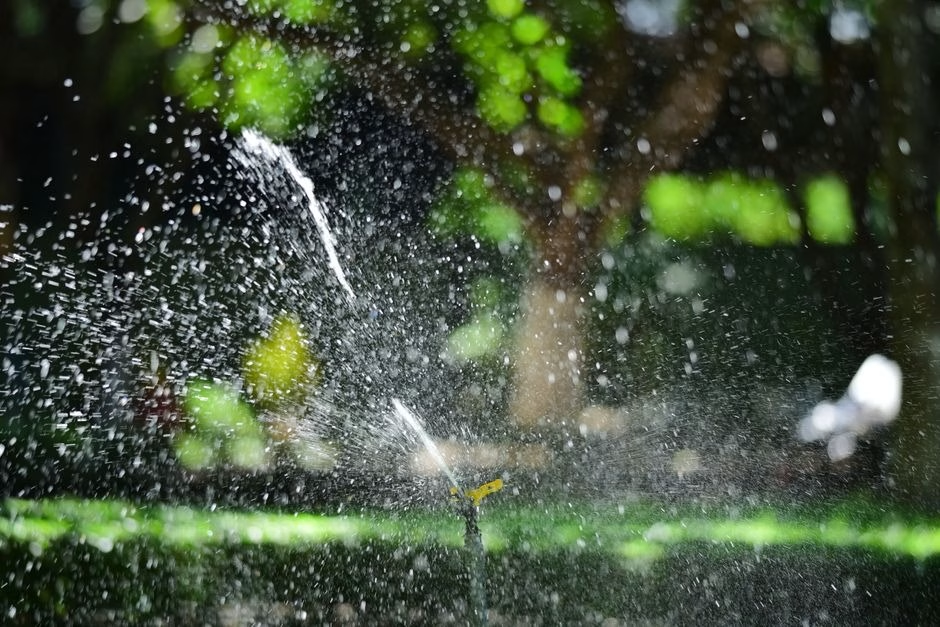
You usually don’t need expert training to notice when your sprinkler system is acting weird. Your yard tends to wave a pretty obvious flag. One area may stay swampy while another looks like it’s preparing for desert life. You might also notice a sprinkler head sputtering, weak spray, or water trickling long after the cycle should be done.
If one zone refuses to turn on or won’t shut off properly, the issue can go deeper than a misaligned head. In cases like that, sprinkler valve repair may be part of the fix because valves help control where water goes and when it stops.
Another clue is a sudden jump in your water bill. That surprise is about as fun as stepping on a Lego. Puddles near landscaping, unusually green strips, or water collecting along sidewalks can also point to hidden irrigation trouble. The sooner you spot these changes, the easier it is to prevent bigger lawn and home maintenance problems.
What valves actually do
Sprinkler valves sound fancy, but their job is pretty simple. They act like traffic cops for water. When your system runs, the valves open and close to send water to specific zones, such as the front lawn, side yard, or flower beds.
Without valves, every area would get water all at once, which would be messy and inefficient. Your roses don’t need the exact same treatment as your grass, and your shady side yard definitely doesn’t live by the same rules as the sun-baked strip near the driveway.
When a valve sticks, leaks, or fails to open, the zone it controls can start misbehaving. That’s why one part of your yard may look overwatered while another gets ignored. You don’t need to memorize the mechanics. It helps to know that valves are one of the main reasons your system can water different spaces in an organized way instead of just spraying first and asking questions later.
Small issues get pricey
A tiny irrigation problem can turn into a bigger bill faster than most homeowners expect. A valve that doesn’t close all the way can waste water day after day, even if the leak seems minor at first. Over time, that extra water can soak roots, weaken grass, and create soft muddy spots that make the yard look worn out.
Too much moisture near walkways or foundations isn’t ideal either. It can lead to slippery surfaces, algae growth, or soil shifting in places where you want things stable. On the other side, a dry zone may leave dead patches that need reseeding or fresh sod.
Then there’s the visual cost. Uneven watering makes your landscaping feel inconsistent, even if everything else is well designed. The flowers may droop, mulch may wash out, and the front of your home can lose that clean, welcoming look. Fixing a small issue early is usually much easier than rehabbing a stressed-out yard later.
Easy checks to start
Before you assume the worst, there are a few basic things you can look at yourself. Start by running one full watering cycle and watching what happens. This sounds simple because it is, and it’s surprisingly useful.
Pay attention to zones that don’t turn on, stay on too long, or spray weakly. Look for:
– pooling water near one area
– dry patches beside green ones
– sprinkler heads that dribble or spit
– water running onto sidewalks or driveways
– zones that seem silent when active
You can also listen for odd hissing or notice whether the same problem shows up every cycle. Jot down which section of the yard is affected and when it happens. That kind of detail can save time later.
Just keep the DIY spirit sensible. This is about observing, not digging random holes in your yard like you’re searching for buried pirate treasure.
When to call a pro
Some sprinkler issues are easy to spot but not easy to fix. If a zone keeps failing, a valve may be stuck, wiring may be damaged, or there could be a leak below the surface. Those problems usually need more than a quick adjustment.
Calling a professional makes sense when you’ve already checked the visible basics and the trouble keeps coming back. It’s also smart if water pressure seems uneven across multiple zones or if one section runs when it shouldn’t. Electrical components inside irrigation systems aren’t great places for guesswork.
A pro can test the system more thoroughly and pinpoint whether the problem is the controller, the wiring, the valve, or a leak in the line. That matters because replacing the wrong part wastes both time and money. You’re not giving up by asking for help. You’re just choosing fewer headaches and, ideally, fewer surprise puddles.
Keep your yard consistent
A great yard doesn’t need to look perfect every single day. It just needs to look healthy, cared for, and consistent. That usually comes from small habits more than dramatic weekend projects.
Check your system a few times during the warmer months, especially when seasons shift. Watch for changes after heavy rain, landscaping work, or long dry spells. Trim plants that block sprinkler spray, and make sure heads still point where they should.
It also helps to adjust watering times as weather changes. What worked in spring may be too much in late summer or unnecessary after a rainy week. A little attention goes a long way.
Your outdoor space is part of your home’s personality. When the irrigation system works well, the lawn stays balanced, the beds stay fresh, and the whole front view feels more inviting. In short, smart watering helps your curb appeal stay crisp instead of soggy.