When people think about successful commercial spaces, they often focus on what is immediately visible. Modern interiors, attractive finishes, efficient layouts, and carefully selected furnishings usually receive most of the attention. Whether it is a busy café, a contemporary office, a retail store, or a hospitality venue, design plays a major role in shaping customer impressions and employee experiences.
However, some of the most important elements of a commercial property are hidden behind walls, beneath floors, and above ceilings. Infrastructure systems determine how effectively a building functions every day. Without reliable plumbing, electrical systems, ventilation, and drainage, even the most beautifully designed commercial space can quickly become difficult to operate. For businesses across Brisbane and Southeast Queensland, investing in these foundational systems is often just as important as investing in aesthetics.
Design Creates Impressions, Infrastructure Creates Performance
A well-designed commercial environment helps attract customers and creates a professional atmosphere. Restaurants depend on inviting dining areas. Offices benefit from comfortable workspaces. Retail stores use layout and design to encourage engagement and improve customer flow.
Yet these visible features can only succeed when supported by dependable infrastructure. Employees need functioning amenities. Customers expect clean facilities. Commercial kitchens rely on water supply and drainage systems. Healthcare facilities, hospitality businesses, and retail centers all depend on plumbing systems that operate efficiently every day. When infrastructure is neglected, operational problems can quickly affect customer satisfaction, employee productivity, and business reputation.
Why Plumbing Matters More Than Most Business Owners Realize
Plumbing is one of the least visible but most critical systems in a commercial building. Unlike residential properties, commercial facilities often experience significantly higher usage levels, placing additional demands on pipes, fixtures, drainage systems, and hot water equipment.
A single plumbing issue can affect daily operations in multiple ways. Blocked drains may disrupt customer facilities. Water leaks can damage interiors and equipment. Hot water failures can create compliance concerns for certain industries. In restaurants and hospitality venues, plumbing problems can directly affect business continuity.
Because of these risks, many businesses rely on professional commercial plumbing services in Brisbane to help maintain essential systems and reduce the likelihood of unexpected disruptions. Companies such as All Kind Gas & Plumbing provide commercial maintenance, emergency repairs, gas fitting, drainage solutions, hot water services, and preventative plumbing support for a wide range of business properties throughout the region. Addressing issues proactively often allows businesses to avoid costly downtime while extending the lifespan of critical infrastructure.
The Hidden Costs of Deferred Maintenance
Many commercial property owners delay maintenance because systems appear to be functioning normally. Unfortunately, infrastructure problems often develop gradually before becoming obvious.
A minor leak behind a wall may continue unnoticed for months. Drainage issues can worsen over time until a blockage occurs. Aging fixtures may become less efficient long before they fail completely. When these problems eventually surface, the resulting repairs are often significantly more expensive than routine maintenance would have been.
In addition to repair costs, businesses may also face operational disruptions, temporary closures, or damage to customer relationships if essential facilities become unavailable. This is why preventative maintenance has become a key component of successful property management strategies.
Commercial Buildings Face Unique Demands
Commercial environments place unique pressures on infrastructure systems compared to residential properties. Offices, retail stores, restaurants, warehouses, medical facilities, and hospitality venues all have different requirements.
Restaurants may rely heavily on grease management systems and commercial kitchen plumbing. Office buildings require reliable amenities for employees and visitors. Retail centers often need plumbing systems capable of supporting high customer traffic. Healthcare facilities must maintain strict hygiene standards and dependable water access.
Because each type of commercial property operates differently, infrastructure planning and maintenance must be tailored to the specific needs of the building and its occupants.
Functionality Is Becoming a Design Priority
Modern commercial design increasingly recognizes that functionality and aesthetics are interconnected. A space may look impressive on opening day, but long-term success depends on how effectively the property supports daily operations.
Developers, architects, and property managers are placing greater emphasis on building performance, sustainability, and operational efficiency. This shift reflects growing awareness that successful commercial spaces must work as well as they look.
Publications such as The Urban Developer frequently highlight the importance of creating commercial environments that balance design quality with long-term functionality. As businesses become more focused on efficiency and resilience, infrastructure systems play an increasingly important role in overall property performance. This approach benefits both business owners and building occupants by creating spaces that remain effective long after construction is complete.
Water Efficiency and Sustainability
Sustainability has become a major consideration for commercial property owners across Australia. Businesses are increasingly looking for ways to reduce operating costs while minimizing environmental impact.
Plumbing systems can play a significant role in achieving these goals. Water-efficient fixtures, leak detection programs, preventative maintenance, and modern equipment can help reduce unnecessary water consumption.
For businesses operating large facilities, even small improvements in efficiency can generate meaningful savings over time. Reduced water usage also supports broader sustainability objectives that many organizations now prioritize.
In Queensland’s climate, responsible water management remains particularly important as businesses seek practical ways to improve environmental performance without compromising operational needs.
Planning for Growth and Future Needs
Commercial properties rarely remain static. Businesses grow, tenant requirements change, and customer expectations evolve over time. Infrastructure systems should be capable of supporting these changes whenever possible. Plumbing capacity, drainage performance, and equipment reliability all influence how easily a property can adapt to future demands.
Businesses that invest in maintenance and strategic upgrades often find it easier to accommodate growth without major disruptions. By contrast, neglected systems can become obstacles that limit operational flexibility and require expensive corrective work later. Future-focused property management often involves evaluating infrastructure before problems arise rather than reacting after failures occur.
Protecting Employees and Customers
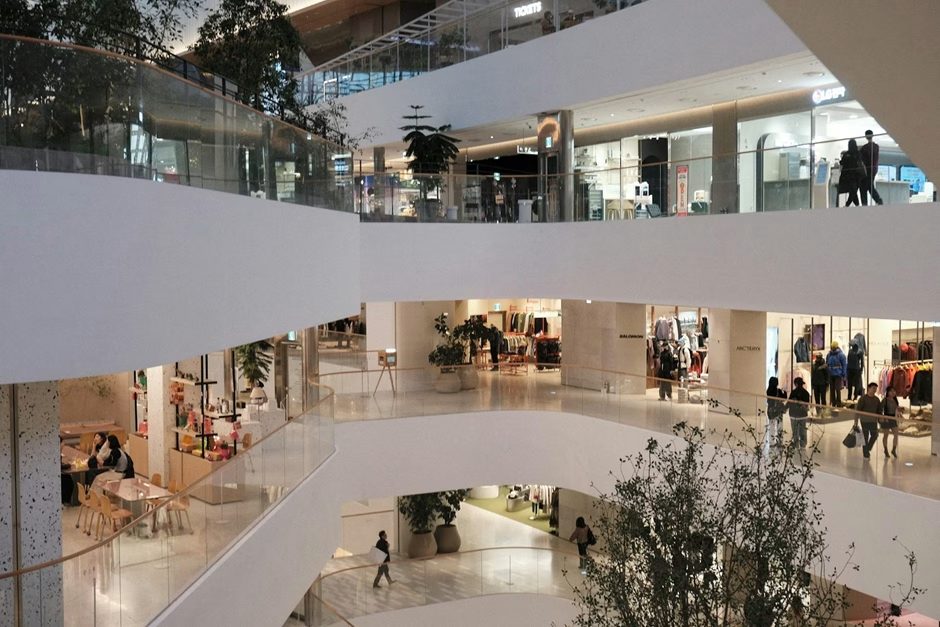
Reliable infrastructure also contributes directly to health, safety, and comfort. Employees expect clean and functional facilities. Customers assume that amenities will operate properly during their visit.
Plumbing failures can affect sanitation, water access, and overall building usability. In some cases, unresolved issues may create compliance concerns or expose businesses to liability risks.
Regular inspections and preventative maintenance help reduce these risks while supporting a positive experience for everyone who uses the building. This is particularly important in customer-facing industries where facility conditions can influence public perception of the business.
Looking Beyond Surface-Level Design
The most successful commercial spaces achieve a balance between visual appeal and operational performance. Attractive interiors may create a strong first impression, but dependable infrastructure determines how effectively a building functions over the long term.
While customers may never notice plumbing systems, drainage networks, or water infrastructure directly, they certainly notice the consequences when those systems fail. Reliable operations, comfortable facilities, and uninterrupted service all depend on systems working properly behind the scenes.
For commercial property owners throughout Brisbane, understanding the value of preventative maintenance and professional infrastructure management can help protect investments while supporting business success. In many cases, the features that matter most are not the ones people see every day—they are the systems quietly working in the background to keep everything running smoothly.