
Amityville Horror House: Inside New York’s Most Infamous Haunted Home

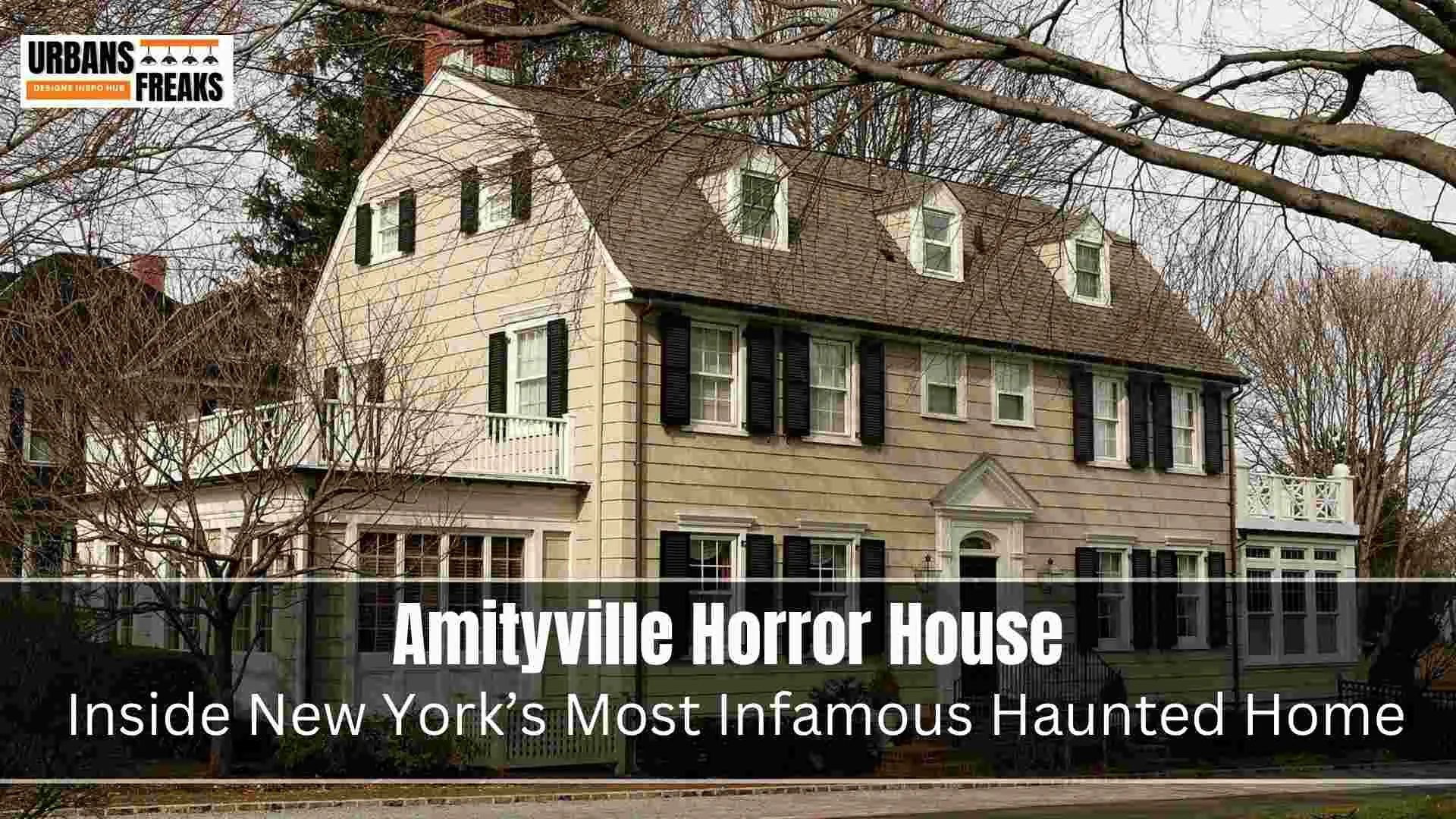
Some houses are just houses. But 112 Ocean Avenue in Amityville, New York, is different. This Dutch Colonial home, better known as the Amityville Horror House, became one of America’s most talked-about properties. It has a dark past, a shocking true story, and millions of curious visitors every year. In 2026, people are still fascinated by it. Let me take you inside.
On November 13, 1974, Ronald DeFeo Jr. shot and killed six members of his family here. They were all asleep. He used a .35 Marlin rifle. He was convicted of second-degree murder. Just 13 months later, George and Kathy Lutz bought the home for $80,000. Within 28 days, they fled, leaving all their belongings behind. They claimed they experienced terrifying events, strange sounds, foul smells, and even green slime oozing from the walls. Their story turned the Amityville Horror House into a cultural phenomenon, inspiring a bestselling book in 1977 and a famous horror film in 1979.
Amityville Horror House: Quick Overview
| Feature | Details |
| Location | 112 Ocean Avenue (renumbered), Amityville, New York |
| Original Purchase Price | $80,000 (Lutz family, 1975) |
| Last Known Sale Price | ~$605,000 (2017) |
| Year Built | 1927 |
| Square Footage | 5,000 sq ft |
| Lot Size | ~0.25 acres (waterfront) |
| Bedrooms | 5 |
| Bathrooms | 3.5 |
| Special Features | Boathouse, boat slip, sunrooms, canal views |
| Architectural Style | Dutch Colonial (Gambrel Roof) |
Amityville Horror House Location
The house sits in the quiet village of Amityville on Long Island’s south shore, about 30 miles east of New York City. The street is quiet and tree-lined. The home backs directly onto Amityville Creek, a peaceful waterfront setting. The address was quietly renumbered after the murders to reduce the constant stream of visitors.
My Visit to the Amityville Horror House
I visited on a grey autumn morning. I drove slowly down the street until the Dutch Colonial facade came into view. My first thought? Completely ordinary.
A handsome home sits calmly at the water’s edge. I parked across the street and observed from a distance. The current owners live privately, so I kept things respectful. But even standing outside, you feel the weight of the history. This is a real place. That is what makes it unlike any Hollywood set.
The Exterior Architecture
The house has a classic Dutch Colonial design. The gambrel roof is the most distinctive feature, steep, two-sloped, and charming. The exterior is finished in light beige clapboard siding with crisp white trim. Bold black shutters frame each window. Dormer windows line the upper roofline. A brick chimney rises at the rear. The original quarter-round corner windows, the ones that looked like glowing eyes, are long gone. They were removed to discourage gawkers. Today, the home looks refined and elegant. Nothing sinister about it in daylight.
Front Entrance & Curb Appeal
The entrance is traditional and welcoming. Brick steps lead up to a black front door framed by a white pediment. Lantern-style sconces sit on either side. A black wrought-iron railing lines the steps. Low, trimmed hedges border the front of the property. The curb appeal is clean and dignified. You would never guess the history just by looking at it.
Entering the Home
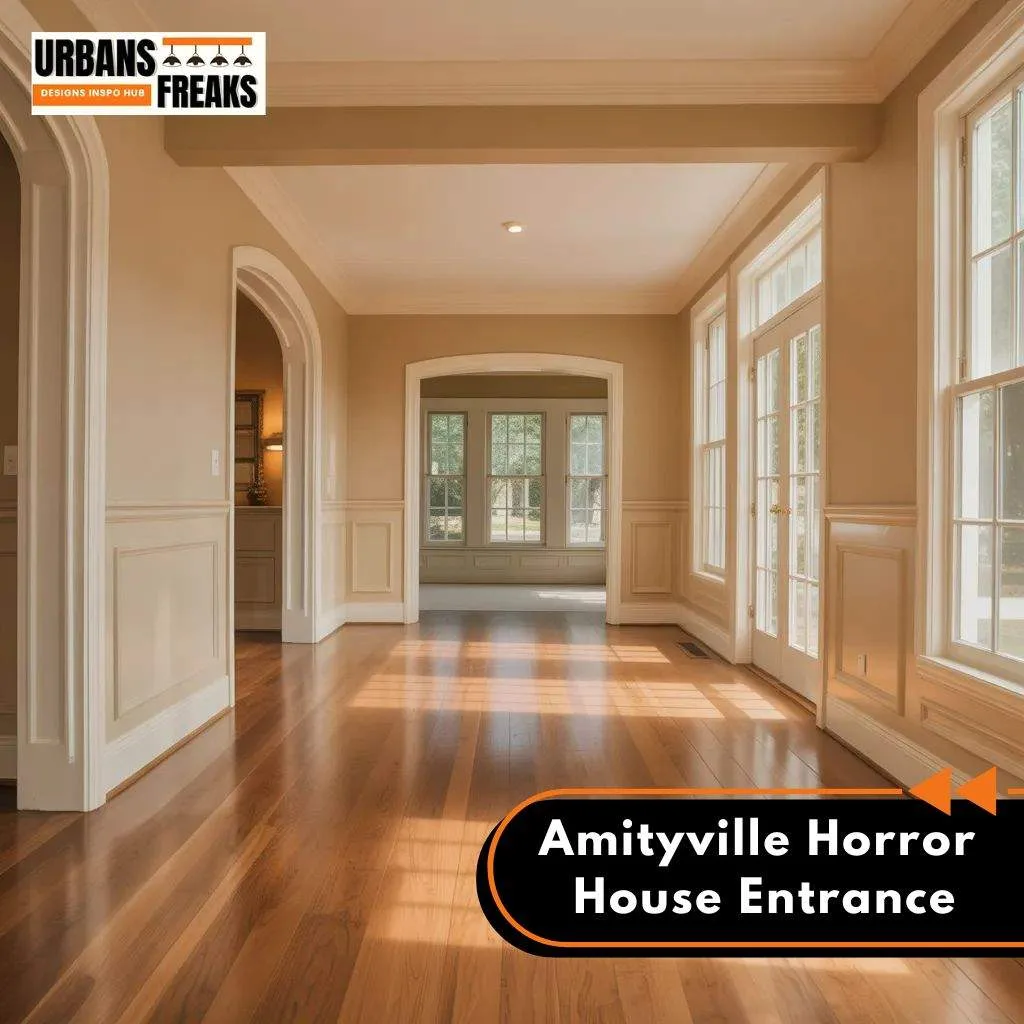
Step inside and you find a classic foyer. Hardwood floors run across the main level. Ceilings sit around 9 feet high. The space feels open and airy. Natural light comes through the side windows. The home has been renovated many times. The interior feels warm and genuinely comfortable. Nothing dark or gloomy about it.
Living Room & Main Living Spaces
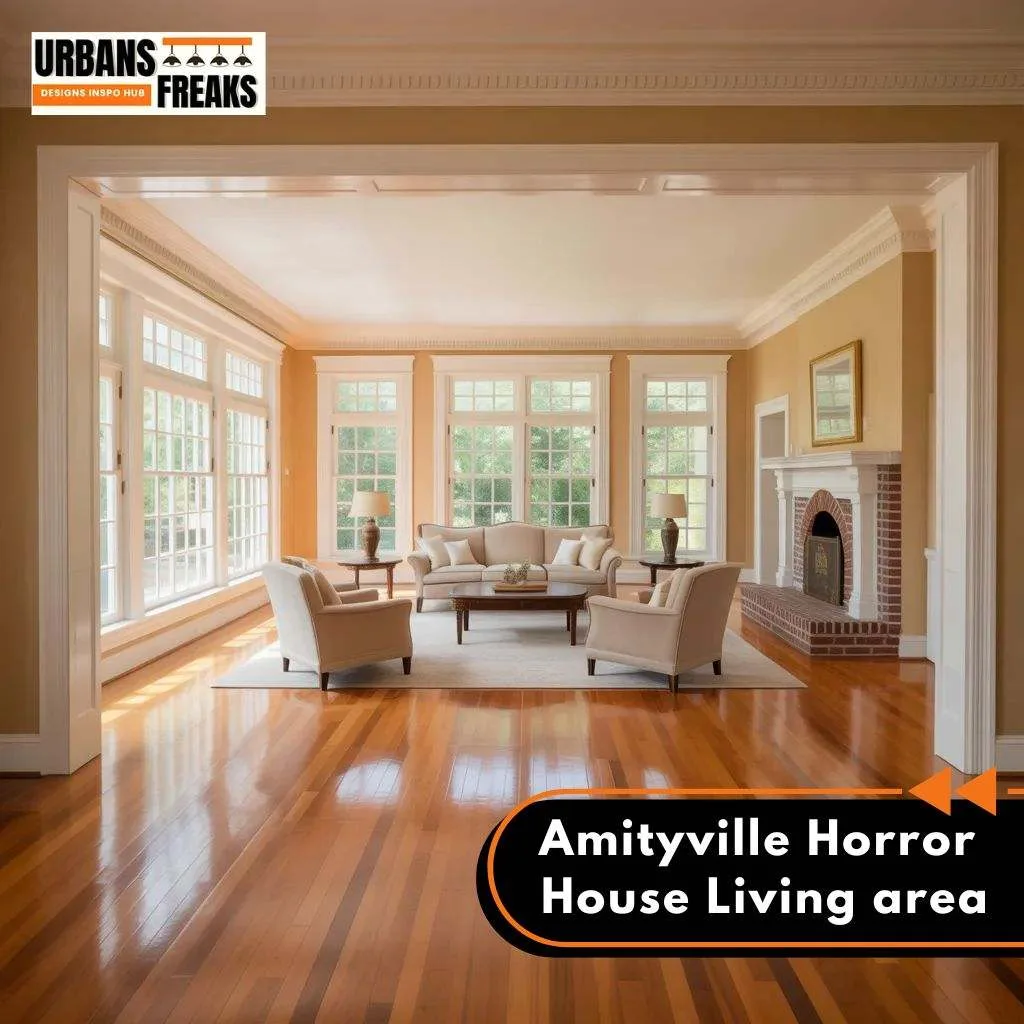
The living room is spacious and traditionally styled. Hardwood floors, neutral paint, and period trim give it warmth. Large windows let in generous light. A fireplace anchors one wall. The furniture layout is open and comfortable. The space flows naturally into the rest of the home.
Dining Area
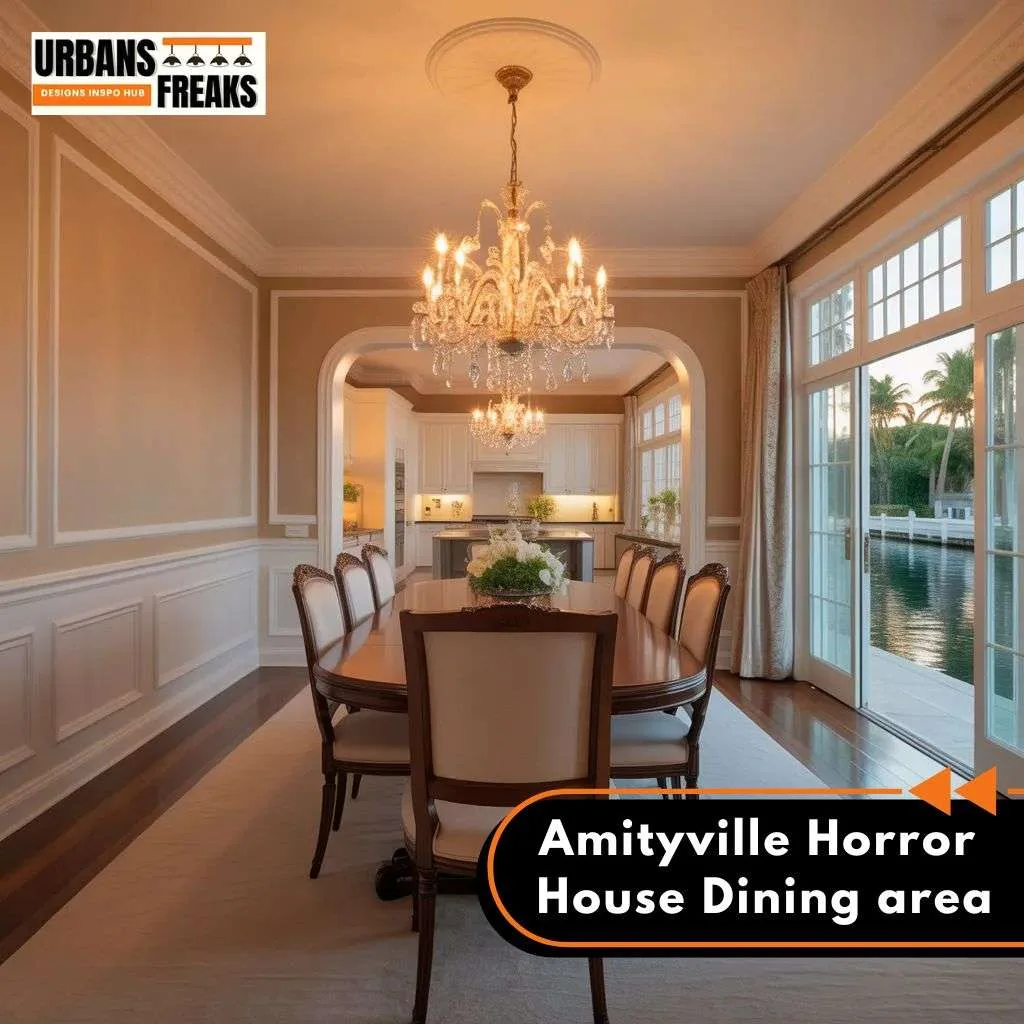
The formal dining room seats a large family comfortably. Classic wainscoting lines the walls. A chandelier hangs overhead. The room connects directly to the kitchen. There is also a heated sunroom on the canal side. It is bright and glassy. It overlooks the waterway and is one of the most pleasant spots in the entire home.
Kitchen
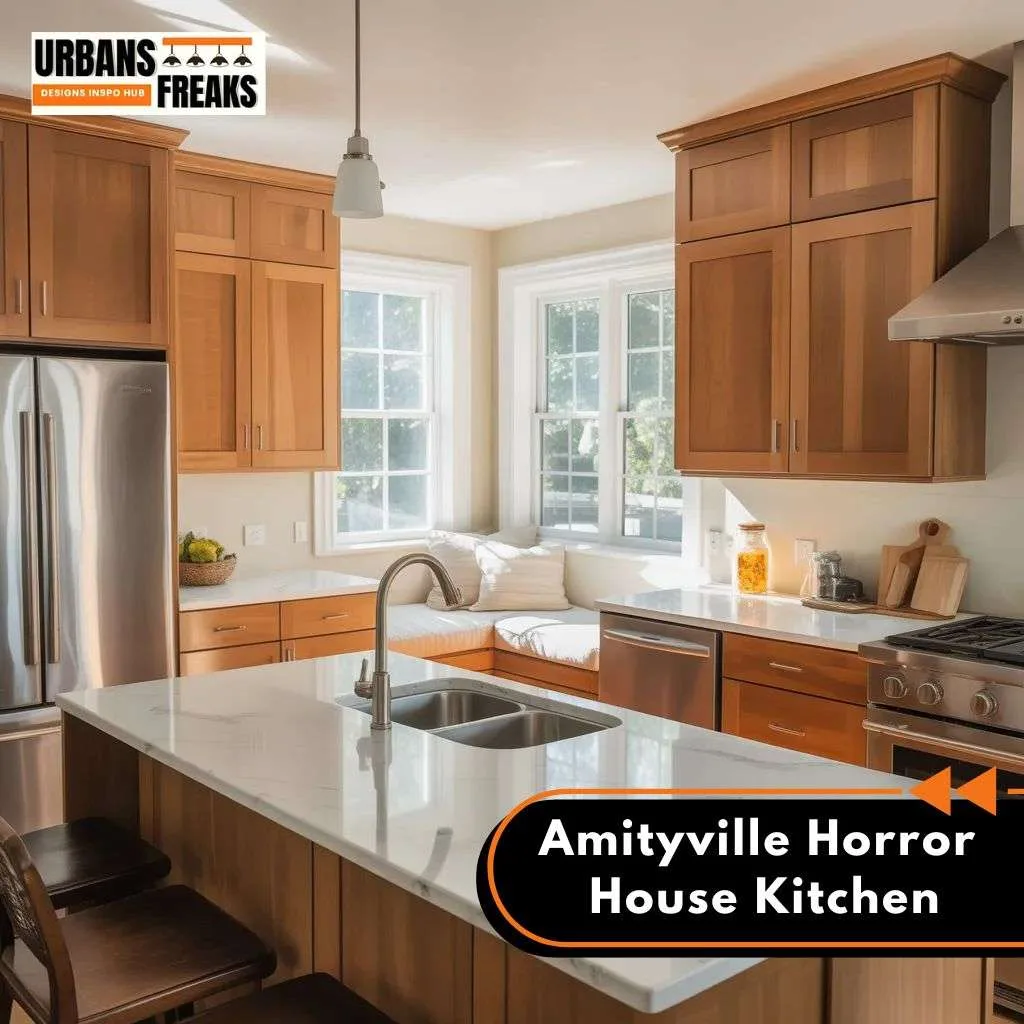
The kitchen has been updated over the years. It has solid cabinetry and modern countertops. The layout is functional and clean. Standard appliances are neatly arranged. There is a casual breakfast spot near the window. Previous owners invested in good renovations. It shows how practical and uncluttered everything feels.
Master Bedroom Suite
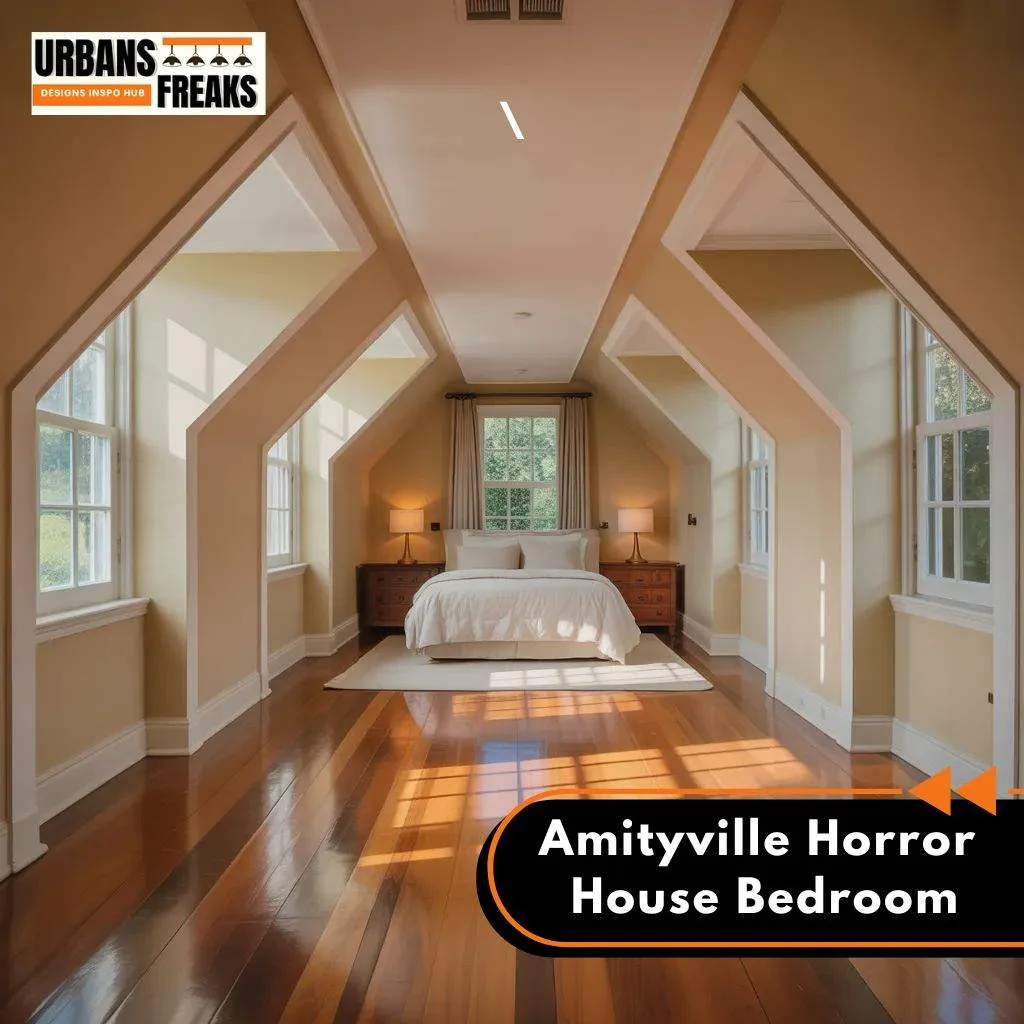
The home has five bedrooms across the upper floors. The master suite is the largest. It has good views over the property and solid closet space. The gambrel roofline creates interesting wall angles in the upper rooms a charming feature of Dutch Colonial design. Each room has hardwood floors and dormer windows. The rooms feel private, quiet, and full of natural light.
Bathroom
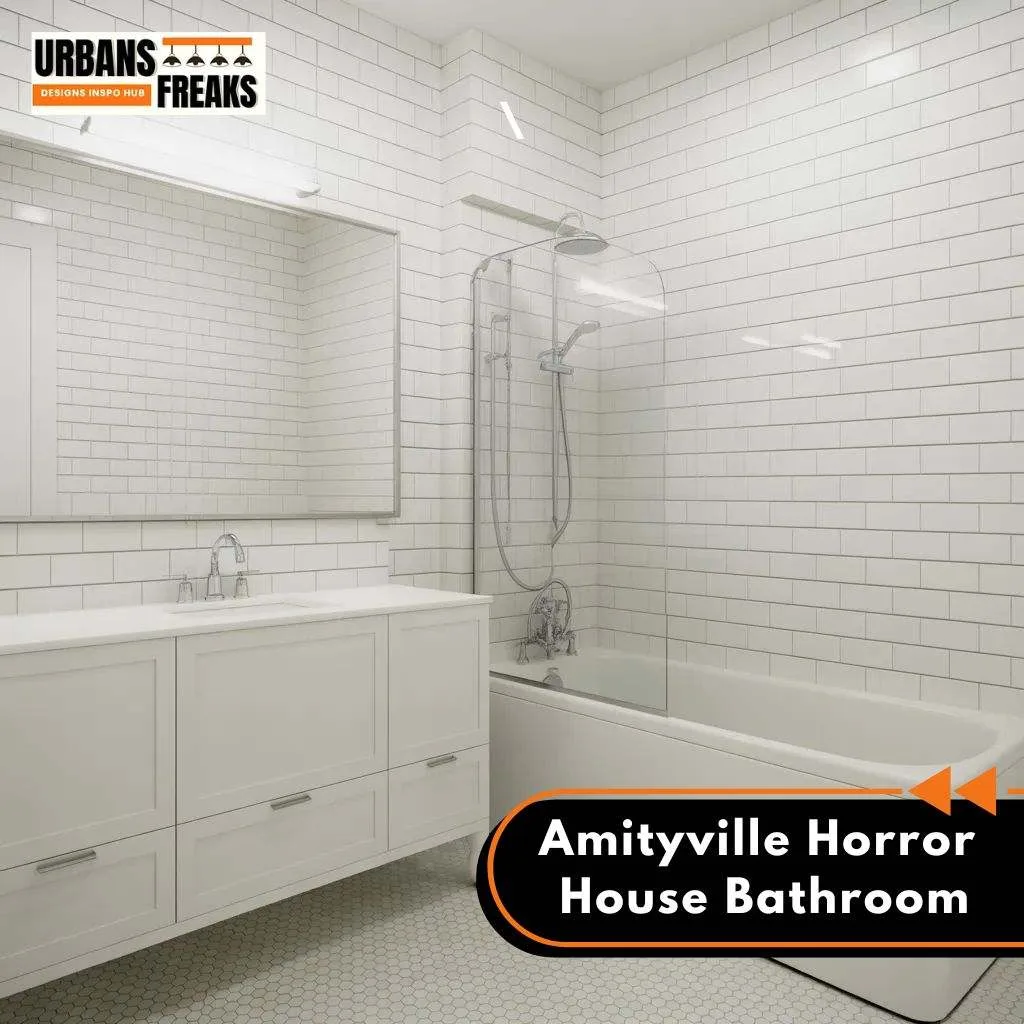
The home has three full bathrooms and one half-bath. All have been updated with clean, classic fixtures. White tile, simple vanities, and standard tub-shower combos feature throughout. The half-bath on the main floor is convenient for guests. Everything is functional and tastefully done.
Outdoor Living Spaces
The backyard is where this house truly surprises you. The property sits directly on Amityville Creek. A large boathouse fully restored in 2010 sits at the water’s edge. A boat slip is included. George Lutz reportedly fell in love with this boathouse when he first toured the home. The garden is private and shaded by mature trees.
A sunroom addition on the canal side creates a beautiful indoor-outdoor connection. It is peaceful and genuinely lovely. If waterfront homes and unique outdoor spaces fascinate you, our House Tour collection features some equally compelling properties worth exploring.
🏰 Which Room Matches Your Personality?
Discover which space in this celebrity mansion suits you best!
Ready to find out which luxurious room matches your vibe? Answer 5 quick questions!
What really happened at the Amityville house?
In 1974, Ronald DeFeo Jr. killed six members of his family in the house. A year later, the Lutz family moved in. They claimed they saw strange and scary things. They said they heard noises and felt fear inside the home. They left after only 28 days.
Their story became very popular and inspired books and movies. Later, families who lived there said nothing unusual happened. Over time, the house was sold many times and even changed its address. Today, it looks like a normal house, but people still argue about the truth.
How Much Is the Amityville Horror House Worth?
The home has been sold several times since 1975. The Lutz family paid $80,000. It sold for $950,000 in 2010. It sold again for approximately $605,000 in 2017. It was listed for $850,000 in 2016. As of 2026, waterfront Dutch Colonials on Long Island command strong prices.
Experts estimate the current market value sits between $1.2 million and $1.5 million. The infamy creates wide interest but also narrows the buyer pool. It is a dynamic that echoes other politically and culturally charged real estate stories, such as Tim Walz’s Unowned Home, where public perception played just as large a role as the property’s actual value.
Is the Famous Amityville Horror House Really Up for Sale?
Yes, the Amityville Horror house is for sale. The house is listed for about $850,000. It is located in New York. This home became famous because of a 1974 murder case. Later, people claimed the house was haunted.
These stories inspired books and movies. The current owners say it is just a normal home. Much like the Buckner Mansion, a property equally wrapped in history and public curiosity, it has been renovated many times over the years. The address was even changed to avoid attention. Still, many people are curious about it. Buyers may see history, not horror, in this house.
Final Thoughts
The Amityville Horror House is a renovated Dutch Colonial waterfront property on Long Island’s south shore with five bedrooms, a boathouse, sunrooms, and about 5,000 square feet of living space.
It is known for the tragic real-life murders that spawned a lasting legend, which continues to shape how people perceive the home. Even without its infamous story, the architecture, waterfront setting, and spacious layout make it one of Long Island’s most distinctive homes. For more deep dives into iconic, story-rich properties like this one, Urbansfreaks.com is well worth a visit.