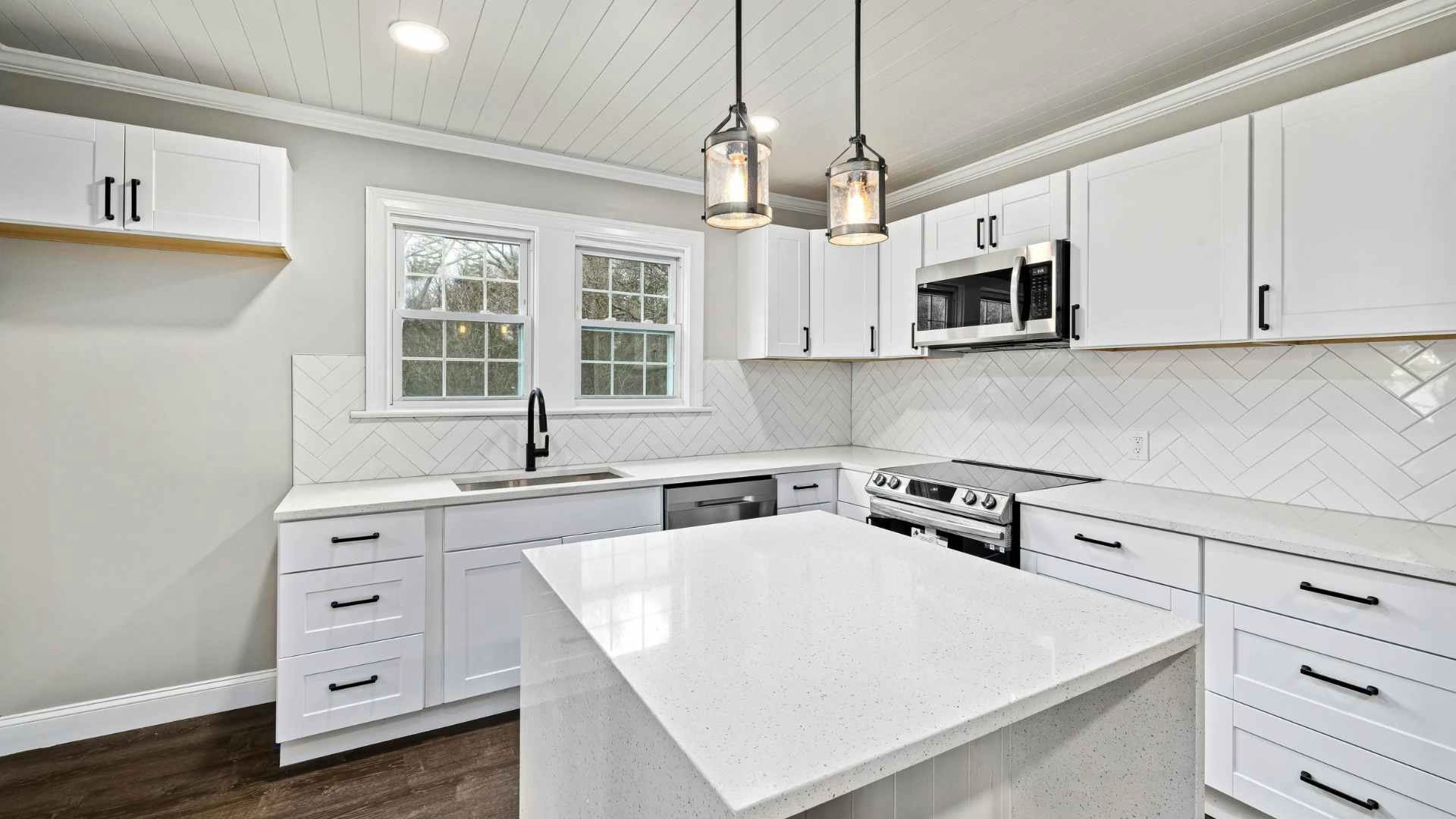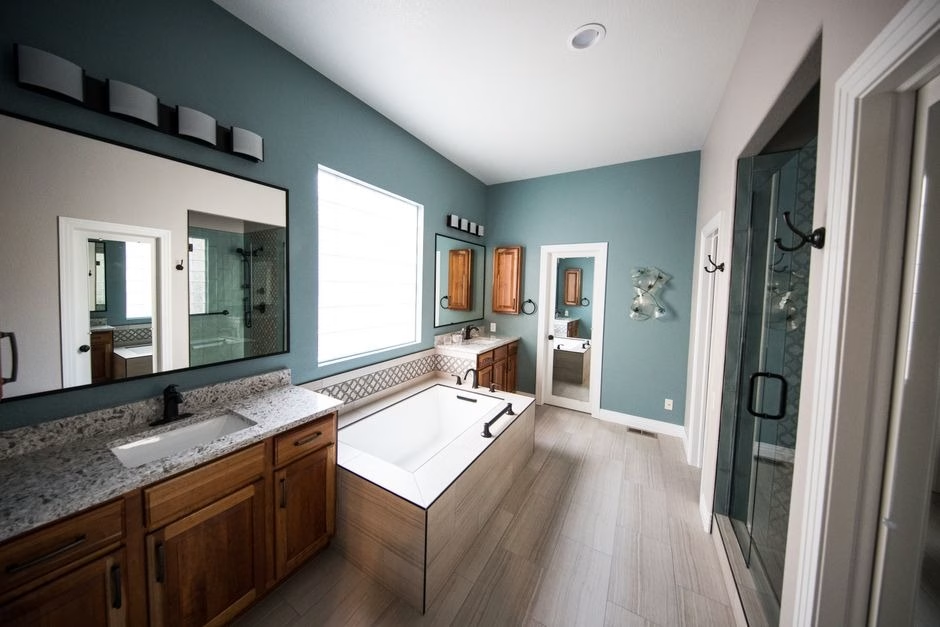
Walking through an open home often feels like looking at art. Polished stone counters catch the light, brass handles shine, and fresh wall paint smells crisp. Daily comfort rarely comes from looks alone.
Real ease depends on hidden house parts. They must work well each day. When these quiet parts fail, even a great home feels hard to run.
Continue reading to discover everything you need to know!
Designing Practical Pipe Layouts and Access Points
Hidden water lines decide how well a home runs each morning. Hiring a licensed Plumber during early floor plan reviews keeps key shutoff valves and cleanouts easy to reach. Skip this step and emergency shutoffs end up trapped behind finished drywall.
Quick access stops small leaks from turning into big cleanup jobs. Main shutoff valves belong in plain sight near main utility entrances. Small isolation valves fit neatly under every sink, toilet, and laundry hookup.
Clear tags on these valves save key minutes during a sudden pipe split. Drain lines need a steady downward slope, and this stops standing waste and bad sewer smells. Cleanout plugs placed at each pipe turn make line clearing easy.
Smart pipe routing saves thousands of dollars in drywall repairs down the road. Outdoor hose bibbs need indoor freeze-relief valves in cold zones.
Running insulated PEX lines through heated framing stops midnight pipe bursts. Good line planning keeps daily water moving without loud hammer knocks.
Managing Daily Water Volume and Fixture Efficiency
Daily water use shapes utility bills and family ease. Showers and toilets make up about 60% of total indoor water volume. Upgrading to dual-flush tanks and aerated fixtures cuts waste without dropping line pressure.
Pressure regulator valves keep city water supply between 45 and 60 PSI. High street pressure strains appliance hoses. It also rattles copper pipes inside wall cavities.
Balanced line pressure protects washers, water heaters, and dishwasher valves from early wear. Dedicated return loops bring hot water to far second-floor baths in seconds. Homeowners avoid running 4 gallons down the drain waiting for hot water.
Timed pumps limit hot water flow to peak morning and evening routines. Point-of-use heaters fit neatly inside far bathroom vanities to help main tanks. Tankless heaters save closet space.
They also give steady hot water for back-to-back showers. Routine yearly flushes clear scale buildup from inside heating parts.
Radiant Heating and Thermal Comfort Underfoot
Radiant heat systems spread soft warmth from the floor up across open rooms. Underfloor heating runs at lower temperatures between 45°C and 55°C instead of 65°C to 80°C seen in traditional radiators, leading to lower operating costs. The lower heat cuts fuel use. It also keeps cold tile warm on bare feet.
Old wall radiators make hot ceilings and drafty floors. In-floor tubing gives even heat from corner to corner. Kids and pets play on warm floors without shivering from winter drafts.
Stand-alone thermostats let owners set warmth by room zone. Empty guest rooms run at cooler temps to stop wasted energy. Well-zoned heat loops keep living areas cozy without high fuel bills.
Tubing set in gypsum underlayment gives quiet thermal mass, and this mass holds warmth for hours. Electric mats work well for small bath updates.
Hydronic loops serve whole floor plans with ease. Radiant floors end forced-air dust flow through bedrooms.
Connected Systems and Automated Utility Monitoring
Modern homes rely on smart monitoring tools. These tools catch utility issues before damage spreads. Smart sensors, connected monitors, and building management systems provide real-time monitoring and control across mechanical, electrical, and plumbing hardware.
Remote phone alerts tell owners about odd flow spikes or sudden voltage drops right away. Auto shutoff valves pair right with small moisture discs placed near water heaters. If a supply hose splits, the valve shuts down water flow in seconds.
A fast response saves $10,000 or more in soaked subfloor repairs and mold cleanup. Auto monitors track indoor humidity and furnace filter blocks. Homeowners swap clogged filters before fan motors overheat or pull too much wattage.
Active data tracking saves mechanical gear through years of daily use. Smart breakers spot slight electrical arcs from damaged cords before fire risks grow.
Homeowners track each circuit’s use to find vampire appliances that draw extra power. Smart monitoring turns unseen house systems into data you can manage.
Strategic Electrical Outlets and Power Distribution
Modern families use dozens of chargeable gadgets, small kitchen tools, and desk gear each day. Basic wall layouts often force people to run bad extension cords across walking paths. Planning dedicated circuits during rough build creates a clean and safe living space.
Kitchen islands, nightstands, and bath vanities need handy power taps. Here are 4 high-priority outlet spots that boost daily function:
- Pop-up power bars inside deep kitchen drawers for mixers and hand tools
- Recessed wall boxes behind wall-hung TV screens to keep plugs flat
- Dedicated 20-amp circuits inside pantries for countertop food appliances
- Weatherproof outdoor outlets placed beside front porches and rear garden patios
Adding built-in USB-C ports beside beds keeps charge cords tidy and off the carpet. Dedicated charge drawers hide phone clutter from open view. Safe power spread keeps household routines smooth and neat.
Subpanels installed inside attached garages make future electric vehicle charger additions simple. Running conduit early avoids tearing through finished drywall later. Dedicated circuits for home office gear stop screen flicker when fridges cycle on.
Kitchen Work Triangle and Prep Zone Geometry
Kitchen ease depends on smooth movement between the sink, fridge, and cooking range. Wide paths stop traffic jams when two people cook dinner together. Keeping main prep paths between 36 and 42 inches apart creates an easy cooking flow.
Pull-out trash bins placed beside the main sink make scrap cleanup simple. Deep drawers hold heavy iron pans far better than low shelves with dark corners. Smooth gliding runners stop back strain during long cooking bouts.
Dedicated Appliance Storage
Small appliances on counters crowd valuable prep space. Closed appliance cabinets with roll-up doors keep coffeemakers and toasters plugged in yet hidden. Pull-out sliding shelves make heavy mixers easy to reach without heavy lifting.
Vertical sheet pan dividers sort cutting boards and baking trays within narrow base cabinets. Under-sink pull-out caddies keep dish soap and sponges neat. Smart cabinet shapes keep daily kitchen tools within arm’s reach.
Natural Airflow and Balanced Mechanical Ventilation
A tight building shell needs steady fresh air to guard indoor air quality. Sealed window frames trap indoor moisture, cooking fumes, and dust. Balanced vent setups swap stale indoor air for fresh outdoor air day and night.
Heat recovery ventilators grab heat from outgoing exhaust air before venting it outdoors. Incoming fresh air takes on this warmth, and this keeps winter heating bills low. Built-in filters trap dust, pollen, and outdoor smoke bits at the main intake vent.
Quiet exhaust fans in baths draw moist air out before mold takes root. Remote inline fan motors placed up in the attic run without loud motor buzz. Keeping wall cavities dry guards wood studs from hidden rot and costly repairs.
Kitchen range hoods must vent right through outer walls rather than recirculating greasy fumes. Makeup air dampers balance room air pressure when high-CFM exhaust fans pull air outside. Balanced airflow keeps indoor air crisp and odor-free.
Acoustic Insulation for Interior Walls and Floors
Good sound control turns an active family house into a calm retreat. Thin interior doors and hollow drywall walls let TV audio travel through every room. Solid-core wood doors block airborne sound between bedrooms, work spaces, and living areas.
Dense mineral wool batts inside interior walls dampen loud voices between rooms. Thick cast-iron waste pipes quiet rushing drain water inside main living room walls. Quiet rooms allow deep sleep while laundry machines run downstairs overnight.
Layered Lighting for Task Work and Ambient Calm
A single ceiling light creates dark corners and harsh overhead shadows. A good lighting layout blends task, ambient, and accent fixtures across every space. Wall dimmers give owners quick control over brightness from morning through late night.
Under-cabinet LED strips cast clear light right over kitchen cutting boards. Recessed ceiling spots highlight framed art without shining into seated guests at the dining table. Low-voltage baseboard lights along stairs offer safe footing during late-night walks.
Three-way wall switches placed at both ends of long halls end fumbling in the dark. Motion sensors inside coat closets light shelves on their own when doors open. Layered lighting controls shape indoor spaces for comfort and daily work.
Built-In Storage and Daily Circulation Paths
An organized house depends on drop zones built along natural walking paths. Entry mudrooms catch wet boots, rain jackets, and school bags before clutter spills into living rooms. Wide hallways let two adults walk with ease without bumping elbows.
Pocket doors slide into wall framing to free up floor space in tight laundry closets. Full-height pantry shelving keeps canned goods neat and within easy sight. Custom storage plans save key morning time before school and work.
Linen closets placed next to bedroom clusters keep extra blankets and towels close at hand. Adjustable shelving brackets let storage zones adapt as family storage needs change. Built-in cabinetry keeps main living floors free of plastic storage bins.
Creating A Space That Truly Works
A functional home succeeds through unseen mechanical setups, tough surface choices, and smart room shapes. Long after decor styles change, easy-to-reach pipes, balanced venting, and handy storage make daily life simple.
Investing in these hidden basics guards property value and family health. Take time to check your current floor plan and upgrade key utility details to boost your daily living space.
Check out the rest of our site for more!