
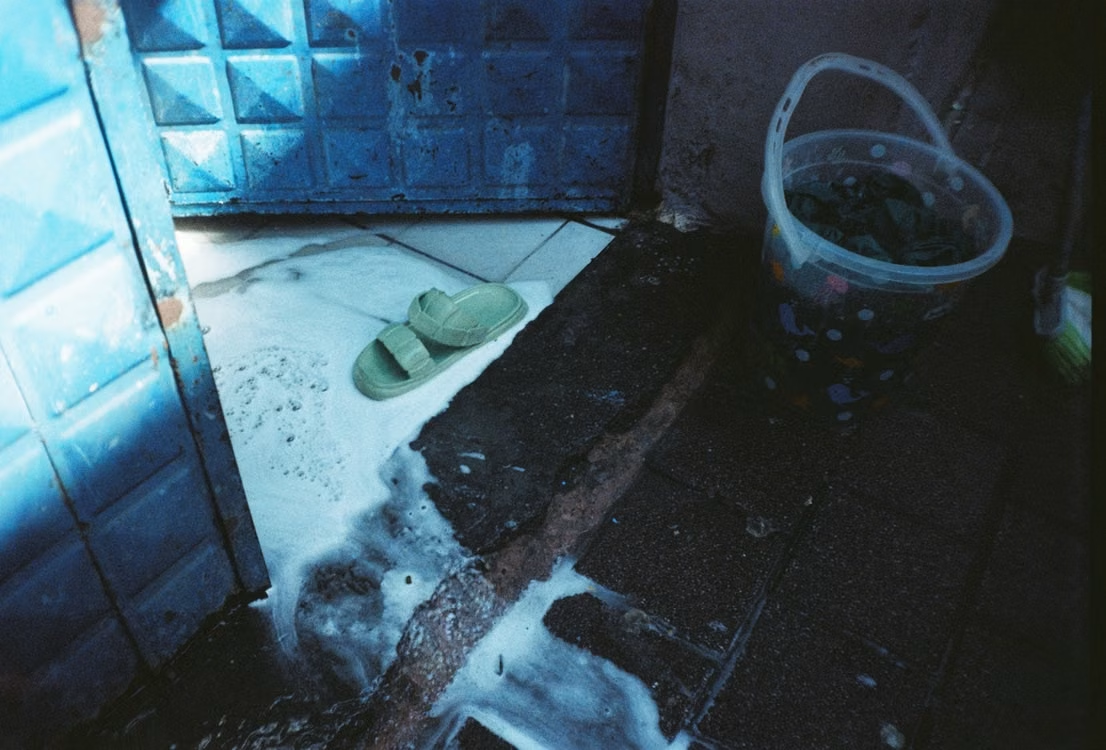
A sewage backup is one of those home disasters that goes from “odd smell” to full-blown crisis in minutes. It’s messy, hazardous, and emotionally draining in a very unglamorous way. If you’re dealing with dark water in a bathroom, basement, or laundry room, quick decisions matter. You need to protect your health, limit damage, and avoid mistakes that can make cleanup far worse than it already is.
Recognize the problem fast and take it seriously
Not every plumbing issue is a sewage emergency, but some warning signs should put you on alert right away. Water backing up from toilets, floor drains, tubs, or showers often points to a blockage in the main sewer line. Foul odors, gurgling drains, and black or gray water are also strong signals.
Sewage contains bacteria, viruses, parasites, and other contaminants. It isn’t just dirty water with bad manners. It can soak into flooring, drywall, insulation, and furniture faster than most people expect.
If the water has touched anything porous, assume contamination is possible. Even a small backup can create a larger indoor air quality issue once moisture gets trapped behind walls or under flooring.
Protect yourself before you try to clean anything
Your first instinct may be to grab towels and start scrubbing. Hit pause. Before you step into the area, put on protective gear if you have it. That includes rubber boots, gloves, eye protection, and ideally an N95 mask or respirator.
Keep children and pets out of the affected space. Turn off HVAC systems if the contamination is widespread, since air circulation can move particles and odors through the house.
Avoid touching your face while working in the area. Wash thoroughly after any contact, even if you wore gloves. If sewage reached electrical outlets or appliances, don’t enter standing water until power to that area has been shut off safely.
This is one of those moments when being cautious is not overreacting. It’s basic survival with less dramatic music.
Understand what can be saved and what usually cannot
Sewage cleanup is not just about drying things out. Contamination changes the equation. Non-porous materials like metal, glass, and some plastics can often be cleaned and disinfected thoroughly. Porous materials are another story.
Items such as carpets, carpet padding, mattresses, insulation, paper products, upholstered furniture, and some types of particleboard usually need to be removed if sewage soaked into them. Drywall may also need to be cut out, especially if water wicked upward.
Hardwood floors can be tricky. They may cup, warp, or trap contamination in seams. Laminate flooring often fares even worse because moisture can get underneath it and stay there.
A professional assessment helps when the damage goes beyond a tiny, contained area. In many cases, proper sewage cleanup involves removal, sanitizing, drying equipment, and moisture testing rather than a simple bleach-and-mop routine.
Stop the source if you can do it safely
Once you’ve protected yourself, figure out whether the backup is still active. If water is continuing to rise, stop using all sinks, toilets, dishwashers, and washing machines immediately. More water in the system can make the backup worse.
If you know where your home’s main water shutoff valve is, turn it off if needed. In some cases, the issue comes from a clogged sewer line rather than your incoming water supply, so limiting household water use becomes the key move.
If the backup appears tied to heavy rain, the problem may involve overwhelmed municipal sewer systems or stormwater intrusion. If only one fixture is slow, the clog may be local. If several fixtures are backing up at once, the main line is a likely suspect.
Document what you’re seeing with photos before cleanup starts.
Know when DIY cleanup is a bad plan
A very small spill from a contained issue might be manageable if you have proper protective gear and the contamination is limited. A true sewage backup, though, often crosses the line into professional territory fast.
You should strongly consider expert help if:
– The affected area is larger than a few square feet
– Sewage touched HVAC systems or ductwork
– Water sat for more than 24 hours
– The backup entered wall cavities or flooring layers
– Anyone in the home has asthma, allergies, or a weakened immune system
– You cannot identify or stop the source
Professional crews use extraction tools, antimicrobial treatments, commercial dehumidifiers, air scrubbers, and moisture meters. They also know how to dispose of contaminated materials properly. That matters more than people realize when the smell seems gone but the hidden moisture says otherwise.
Clean and disinfect in the right order
If you’re handling a minor affected area yourself, the process needs to be methodical. Start by removing standing water with equipment rated for contaminated water, not your regular household vacuum. Wet/dry vacs can work for limited situations, but only if you can sanitize the machine afterward.
Remove contaminated debris first. Then clean visible soil with detergent and water before applying disinfectant. Cleaning comes before disinfecting, not after. Dirt and organic matter can reduce the effectiveness of sanitizers.
Let surfaces dry completely after treatment. Ventilate the area with fans and open windows if weather allows and if doing so won’t spread contamination elsewhere.
Don’t mix bleach with ammonia or other cleaners. That chemistry experiment has a terrible ending. Also, don’t assume stronger chemicals equal better results. Follow product labels exactly.
Handle insurance, plumbing, and documentation carefully
Sewage damage often turns into both a restoration issue and a plumbing issue. You may need a plumber to inspect the sewer line with a camera, clear a blockage, or identify broken pipes, root intrusion, or bellied sections in the line.
Call your homeowners insurance provider as soon as possible and ask what documentation they need. Standard policies vary widely on water and sewer-related claims. Some include limited coverage, while others require a separate water backup endorsement.
Keep records of:
– Photos and video of the damage
– A list of affected items
– Cleanup and repair invoices
– Notes on when the backup started and stopped
– Any plumber or restoration findings
Good documentation can save you from arguments later, especially when damage extends behind walls or under floors where the mess is less visible but very real.
Prevent the next backup before it starts
After cleanup, it’s worth looking at the bigger picture. Many sewage backups happen because of preventable issues. Grease poured down drains, “flushable” wipes that definitely overpromise, tree root intrusion, aging pipes, and poor yard drainage all make backups more likely.
A few practical prevention steps go a long way:
– Schedule routine sewer line inspections if your home is older
– Avoid flushing wipes, paper towels, or hygiene products
– Keep grease and food scraps out of drains
– Install a backwater valve if your area is prone to backups
– Address slow drains before they become dramatic
– Make sure sump pumps and exterior drainage systems work properly
The main goal is simple: keep wastewater moving in one direction only. Your house should not become part of the return policy.
Move forward without cutting corners
A sewage backup can leave you stressed, embarrassed, and eager to get life back to normal. That urge makes sense. Still, rushing the process often leads to hidden moisture, lingering contamination, and repeat repairs a few months later.
Treat the event like a health and building safety issue, not just a cleaning problem. Pay attention to what got wet, how long it stayed wet, and what may be contaminated beneath the surface. If the situation is extensive, bring in qualified help and ask detailed questions about drying, removal, and post-cleaning verification.
You don’t need to panic, but you do need a solid plan. Fast action, careful cleanup, and smart prevention can turn a miserable situation into a one-time disaster instead of an ongoing household saga.