Commercial facility projects are changing fast. Flooring design used to focus mostly on appearance and basic durability. Water management stayed hidden in the background, treated like an afterthought during early construction phases.
That mindset is shifting across the industry today. Facility leaders want seamless spaces that look sharp, resist continuous moisture, and hold up under constant heavy traffic. Floor drainage is now front and center in modern commercial builds.
Rethinking Modern Floor Layouts
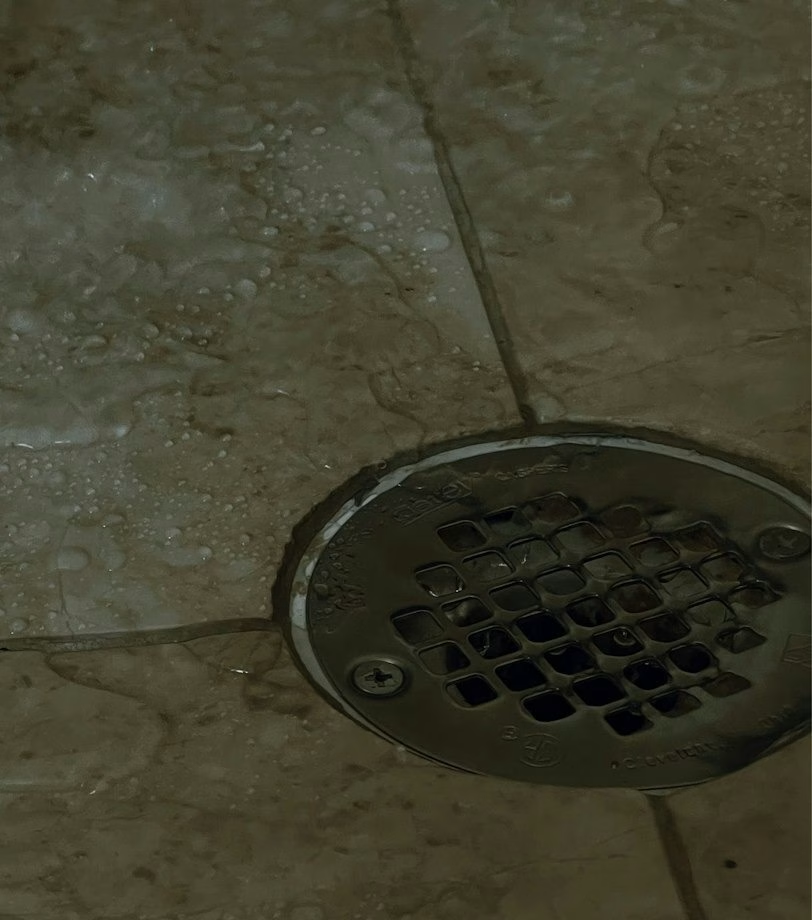
Traditional point drains often create uneven sloping across large rooms. Workers trip on angled surface changes, and cleaning crews struggle to push heavy equipment across dipping floors.
Linear drain installations fix these issues by creating flat, predictable floor planes. Facilities can direct runoff toward slim channels set along walls or central pathways without sacrificing floor symmetry.
Linear systems also simplify floor installation. Designers can specify continuous pitch across an entire room instead of creating complex bowl shapes around multiple points.
Water Control Meets Surface Seals
Moisture gets everywhere when industrial spaces wash down their floors. Water pools in micro-cracks between steel channels and surrounding concrete overlays.
Specialized coatings protect subfloors from harsh liquids, but edges near water channels remain vulnerable. Facility engineers specify advanced resinous flooring integration to establish a continuous waterproof barrier across high-risk spill zones. This tight seal prevents fluid from seeping under floor toppings and rotting structural slabs.
Continuous surface bonds keep moisture moving straight into drainage tracks without breaking down floor layers over time.
Hygiene Demands in Food Processing
Sanitation standards in commercial kitchens and processing plants keep getting tighter every year. Food safety inspectors look closely at joints where floors meet metal fixtures.
Traditional drains feature tiny crevices where bacteria thrive despite daily scrubbing routines. Upgrading to unified resin-and-drain specifications helps commercial facilities reduce long-term microbial growth by up to 45%.
Eliminating small cracks stops food particles from settling out of reach. Cleaning teams save hours during washdown cycles because water flows away cleanly.
- Surface materials must resist harsh chemical sanitizers.
- Metal channels need smooth, radiused corners to prevent buildup.
- Drain covers should lift off easily for rapid inspection.
- Transition joints need flexible bonding agents to stop cracking.
Preventing Industrial Accidents
Slips, trips, and falls represent a massive percentage of workplace injury claims. Uneven transitions between metal drain rims and floor surfaces create constant hazard points.
When floor coatings pull away from steel edges, sharp rims stick up. Employees carrying heavy loads can easily catch a boot heel on exposed metal borders.
Specifying chemical bonding keys along channel edges locks floor toppings firmly to drain frames. Smooth transitions mean foot traffic moves safely across work areas, even during active washdowns.
Handling Thermal Shock and Stress
Commercial environments suffer extreme temperature shifts daily. Hot water washdowns heat floor surfaces rapidly, followed by cold rinse cycles or freezing ambient temperatures.
Concrete, resin coatings, and stainless steel expand at completely different rates. Unprotected joints fracture under thermal stress, creating deep cracks along water channels.
Modern drain systems feature built-in expansion channels and flexible anchoring systems. These mechanical keys absorb material expansion without breaking surface seals or lifting floor edges.
Cutting Long-Term Maintenance Costs
Facility repairs cost far more than initial construction over the life of a building. Constant floor patching disrupts daily operations and creates expensive downtime.
Standard point drain basins often clog quickly with solid debris. Staff must stop work to clear blocked pipes, leading to backed-up water on production floors.
- Continuous channels handle higher liquid volumes during peak washdowns.
- Integrated sediment baskets catch solid waste before it enters main lines.
- Heavy-duty grate locks prevent damage from rolling forklift tires.
- Smooth resin linings prevent mineral scale from gripping channel walls.
Linear drainage channels distribute water flow over longer areas, reducing local overflows. Less standing water translates to longer surface lifespans and lower overall maintenance bills.
Chemical Exposure in Harsh Settings
Industrial facilities use aggressive chemicals for cleaning, manufacturing, and processing. Strong acids, harsh degreasers, and caustic solvents ruin untreated floor surfaces quickly.
When chemicals pool near standard drain openings, concrete breaks down fast. Structural slabs weaken, leading to costly structural repairs and environmental safety hazards.
Aesthetic Continuity in Modern Architecture
Commercial design is no longer just about utility. Retail spaces, car showrooms, and high-end restaurants want sleek interiors where utility features blend seamlessly into surrounding finishes.
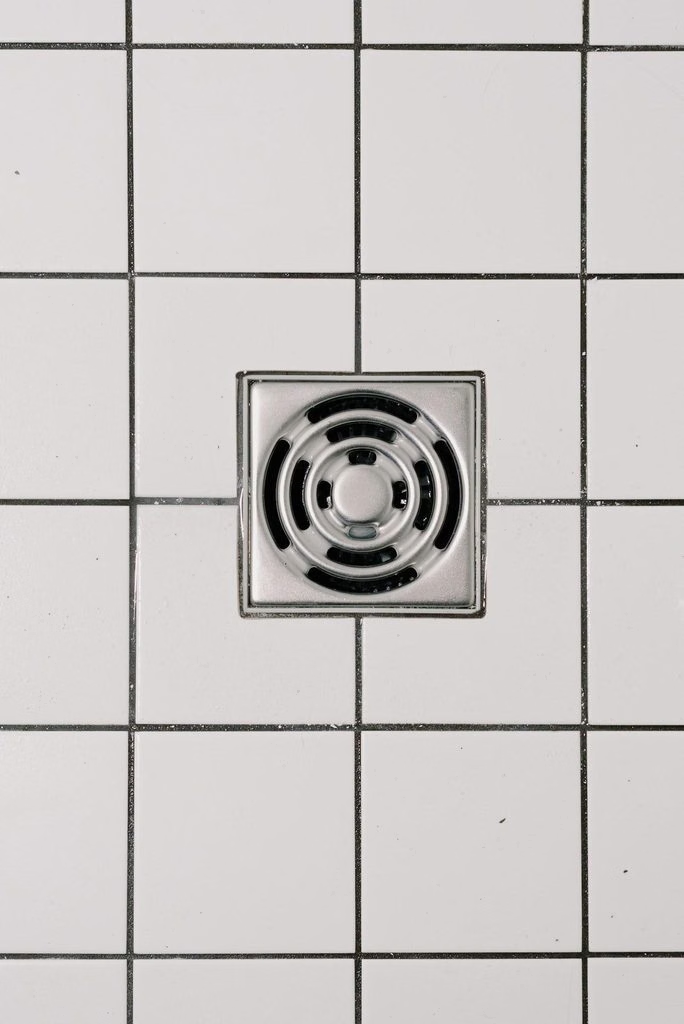
Bulky cast-iron grates clash with clean modern architecture. Linear drainage tracks fit flush alongside polished concrete, tile, or decorative resin toppings.
Designers can match drain covers to surrounding floor tones or use slim slot drains that remain almost invisible. Functionality stays high without ruining clean architectural lines.
Planning drainage layouts alongside floor coating specifications transforms how commercial spaces operate. Facilities stay cleaner, safer, and far more durable over decades of heavy daily use. Smart drainage design protects structural investments from the ground up.