Unfinished or finished basements hold enormous potential for extra living space, playroom fun, or comfortable bedrooms. Having safe, reliable exit points keeps family members protected during emergency scenarios like home fires.
Proper exit setups offer complete peace of mind while upgrading property value. Upgrading home safety starts right below ground level with smart planning.
Understanding Standard Window Dimensions
Clear emergency openings require precise dimensions so occupants can climb out fast during critical situations. Building codes mandate specific opening sizes to let firefighters enter safely with full protective equipment.
Modern homes require standard openings that fit adults of all sizes comfortably. Working with trusted specialists like Egress USA helps homeowners select custom windows fitting these tight spatial parameters. Proper installation keeps your home aligned with local building regulations without sacrificing indoor comfort.
Standard window frames need proper height and width parameters to function correctly during emergencies. A quick measurement checks if your current basement windows meet basic safety standards.
Proper Window Well Excavation
Digging out window wells creates clear pathways away from exterior foundation walls. Deep cutouts allow plenty of room for emergency personnel to work quickly during rescue operations. Firefighters need room to maneuver heavy gear when entering lower levels.
Building industry compliance guides note that IRC guidelines specify window wells must feature a minimum floor area of 9 square feet. Taking accurate measurements prevents cramped spaces during emergency events when seconds count. Roomy cutouts make climbing out simple for residents.
Soil around exterior walls requires sturdy retaining shields to prevent unexpected cave-ins. High-quality well liners keep dirt, roots, and loose rocks from blocking exit paths. Robust corrugated steel walls hold surrounding earth securely in place.
Installing Permanent Escape Ladders
Deep window wells need fixed steps or ladders for quick climbing access. Without internal ladder steps, deep wells present steep hurdles during fast evacuation attempts.
Integrated ladder steps attach directly to the metal or plastic well wall for maximum stability. Standard steps give children and seniors firm footings when climbing upwards to safety.
Adding steps makes basement rooms safer living areas for guests and family. Clear climbing setups remove physical obstacles during quick exits.
- Heavy-duty steel rungs withstand severe weather conditions throughout every season.
- Non-slip surfaces stop footing slips during heavy rainstorms.
- Rungs spaced evenly allow natural climbing movements for adults and children.
Adding Protective Well Covers
Outdoor window pits accumulate falling leaves, winter snow, and yard trash across seasons. Clear protective shields keep heavy debris out of subterranean openings. Sunlight still streams through the glass panes uninterrupted.
Occupants need quick exit options during structural fires or home emergencies. Secure coverings open easily from inside without key locks or tricky latch mechanisms. Quick-release fasteners allow family members to pop top panels open instantly.
Weight ratings determine how much load a plastic or metal shield supports safely. Heavy-duty designs stop wandering children or family pets from falling into deep masonry gaps. Sturdy materials maintain home security throughout changing weather cycles.
Evaluating Project Investment Costs
Planning lower-level upgrades means balancing family safety goals with household budgets. Professional crews handle frame sizing, concrete cutting, and proper drainage layout. Professional installation prevents long-term structural issues down the line.
Renovation survey data shows typical homeowners spend between $2,500 and $5,300 for professional window installation, averaging near $3,900. Labor complexity drives total pricing depending on concrete wall thickness and excavation depth. Rocky soil conditions can push labor figures higher.
Home cost research indicates full window installations average around $4,244, spanning typical ranges between $2,723 and $5,898. Upfront investment secures certified emergency exit paths for bedrooms. Safety upgrades raise property market value.
Moisture Management and Drainage Solutions
Rainwater pooling inside deep window wells creates serious structural water damage inside basement living areas. Dedicated drainage channels direct heavy storm runoff away from exterior foundation walls. Connecting pipes lead straight into sump systems or exterior French drains.
Thick gravel bases resting at the bottom of window pits filter rainwater into deep ground soil. Clean rock layers stop mud buildup from blocking lower drainage drains, keeping water moving freely. Proper gravel depths maintain clean water pathways year-round.
Routine maintenance removes organic material before severe storms hit residential properties. Clearing autumn leaves and twigs keeps drainage pipes free of dangerous clogs. Working drainage systems keep lower-level walls dry during torrential rain events.
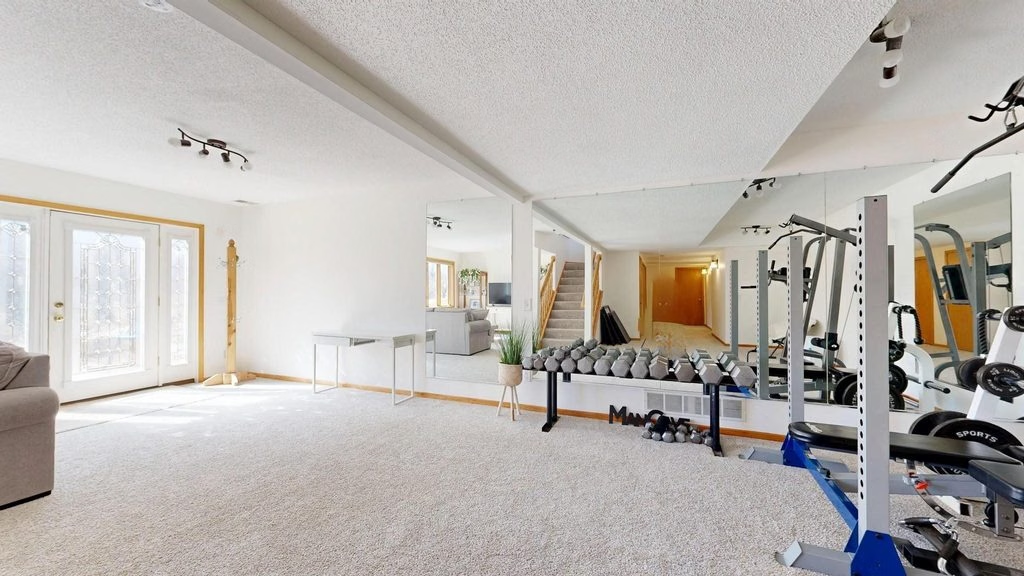
Upgrading basement emergency routes protects your family while creating functional, code-compliant living areas. Taking step-by-step measures converts dark lower levels into comfortable family spaces.
Investing in quality windows, ladders, covers, and drainage builds long-term home security. Prioritizing safety below ground level gives everyone total peace of mind for years to come.