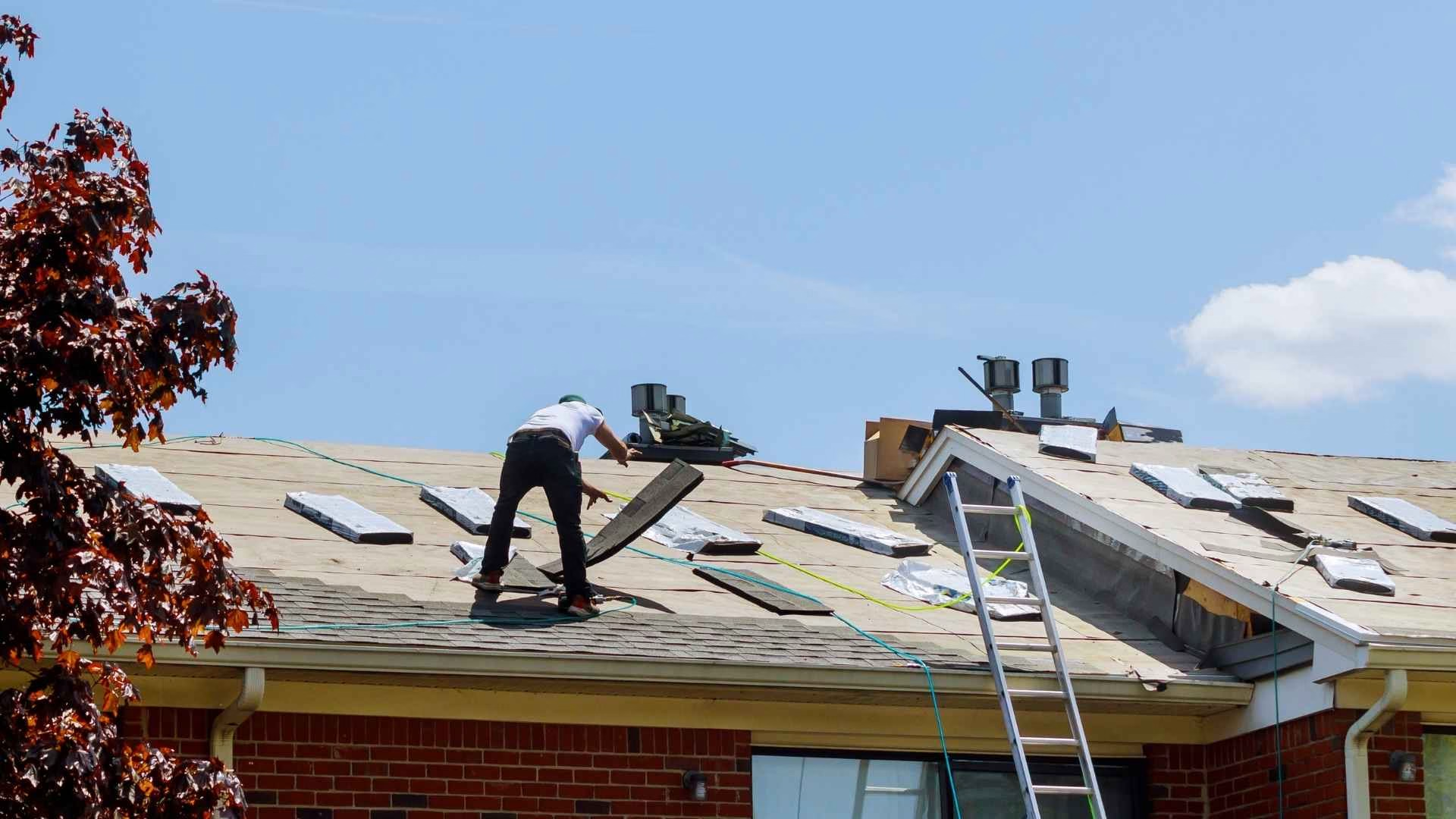
Multi-day roofing projects require a different cleanup strategy than jobs completed in a single shift. Crews must leave the property in a reasonably orderly condition each evening while preserving materials, tools, and work zones for the following day. Debris that is manageable during active tear-off can become a larger concern when homeowners, weather, and overnight conditions enter the picture.
For roofing contractors, cleanup should be planned as a daily operational task rather than postponed until the roof is finished. A consistent routine helps protect the property, maintain safe access, and prepare the crew to resume productive work each morning.
Plan the Site Layout Before Tear-Off Begins
The initial site layout should account for several days of activity. Contractors need areas for incoming roofing materials, removed debris, tools, equipment, ladders, and crew vehicles without allowing these uses to interfere with one another.
A pre-project walkthrough can identify narrow driveways, landscaping, exterior equipment, patios, and entrances that must remain accessible. The selected debris location should also work throughout the project rather than only during the first phase.
Planning the layout early reduces the need to relocate large piles or stored materials later.
Establish Controlled Debris Zones
Roofing debris should be directed to clearly defined areas instead of being allowed to collect around the entire structure. Controlled drop zones make tear-off more predictable and simplify the work of ground crews.
These areas should remain separated from entrances, walkways, material staging points, and places used by homeowners. When crews move to another roof section, the drop zone may need to shift as well.
Communicating these changes prevents workers from using outdated routes or entering active debris areas unexpectedly.
Clean Continuously During Active Work
Waiting until the end of the day to begin cleanup can leave ground crews facing oversized piles after roof work has stopped. Continuous collection keeps debris from spreading and preserves room around the building.
Workers can gather shingles, underlayment, flashing, wood, and loose scraps as tear-off progresses. This also allows contractors to monitor how quickly the designated disposal area is filling.
Ongoing cleanup makes the evening reset more manageable and limits the amount of labor required after a long day on the roof.
Protect Access for Occupants
Many multi-day projects take place while homeowners or building occupants continue using the property. At least one safe entrance should remain available whenever practical.
Contractors should keep walkways, stairs, driveways, and garage access free of loose debris and equipment. Homeowners should also understand which areas are restricted and whether access arrangements will change during different phases.
Maintaining predictable routes reduces disruption and keeps occupants away from active work zones.
Collect Nails More Than Once
Loose fasteners are a persistent concern during roofing projects. Nails can land in lawns, landscaping, driveways, gutters, and areas beyond the main drop zone.
Crews should perform magnetic sweeps and visual checks throughout the project rather than relying entirely on the final cleanup. High-traffic areas and locations used by vehicles deserve particular attention at the end of each day.
Repeated collection reduces the number of fasteners left to find after several days of tear-off and installation.
Prepare the Roof for Overnight Conditions
Daily cleanup must include the roof itself. Contractors should account for expected wind, rain, and temperature changes before leaving the site.
Loose materials, tools, packaging, and unsecured components should not remain where they could move overnight. Exposed sections must be protected according to the roofing system, work completed, and anticipated conditions.
The goal is to leave the roof ready to withstand the hours when no crew is present while avoiding additional preparation the next morning.
Secure Ground-Level Materials
Roofing bundles, underlayment, flashing, vents, fasteners, and equipment may remain on-site between shifts. These materials should be consolidated and secured rather than scattered around the property.
Lightweight packaging is especially vulnerable to wind. Plastic, cardboard, straps, and wrappers should be contained before crews leave, even when installation is continuing the following day.
An organized ground-level staging area protects materials and allows the crew to restart work without first reorganizing the site.
Monitor Debris Capacity Daily
A multi-day tear-off can generate enough material to fill the available disposal space before the project is complete. Contractors should evaluate capacity at the end of each shift and compare it with the work that remains.
Some roofing crews coordinate disposal through providers such as Waste Removal USA alongside local removal resources. Regardless of the arrangement, pickups or exchanges should occur before the collection area becomes unusable.
Maintaining available capacity prevents crews from creating temporary piles that must be handled again later.
Use an End-of-Day Reset Routine
A consistent closing routine helps supervisors verify that important tasks are not overlooked. The crew can clear access routes, gather loose materials, secure equipment, inspect drop zones, and check the property for nails and small scraps.
Responsibilities should be assigned rather than left to whoever happens to finish first. One worker may inspect the driveway while another checks landscaping and a supervisor reviews the roof and staging areas.
A repeatable process makes evening cleanup faster and more reliable as the project continues.
Consider Neighbors and Surrounding Property
Multi-day roofing activity can affect more than the immediate jobsite. Wind may carry packaging or lightweight debris beyond the property, while vehicles and material deliveries may limit street access.
Crews should inspect neighboring edges, sidewalks, and nearby yards when debris could have traveled outside the controlled area. Parking and equipment should also remain within approved locations.
Attention to surrounding property helps maintain a professional site throughout a project that may remain visible for several days.
Adjust Cleanup as Work Phases Change
Cleanup needs are not the same during tear-off, decking repair, installation, and finishing work. Early phases may produce heavy, bulky debris, while later stages create smaller scraps and packaging.
Contractors should adjust ground crew assignments, collection locations, and removal schedules to match the current phase. Once a section of the property is no longer needed for debris handling, it can be cleaned and restored rather than remaining part of the work zone.
This phased approach prevents the entire property from staying disrupted until the final day.
Complete a Detailed Final Sweep
The final cleanup should build on the work completed during each daily reset. Crews should inspect lawns, landscaping, gutters, patios, driveways, sidewalks, and areas around ladders or material staging points.
Temporary coverings, unused materials, packaging, and equipment should be removed or organized for pickup. Repeated magnetic sweeps may be appropriate in areas where debris was concentrated.
A systematic property walkthrough reduces the chance that small items will be missed after the major materials are gone.
Cleanup on a multi-day roofing project requires daily attention to debris, access, material security, weather exposure, and property conditions. Postponing these responsibilities until the final day can create larger piles, repeated handling, and avoidable concerns for occupants.
By cleaning continuously, completing structured evening resets, monitoring disposal capacity, and adapting the plan as work progresses, roofing contractors can keep longer projects organized. A site that is left orderly each evening is easier to secure, easier to restart, and more manageable from tear-off through final inspection.