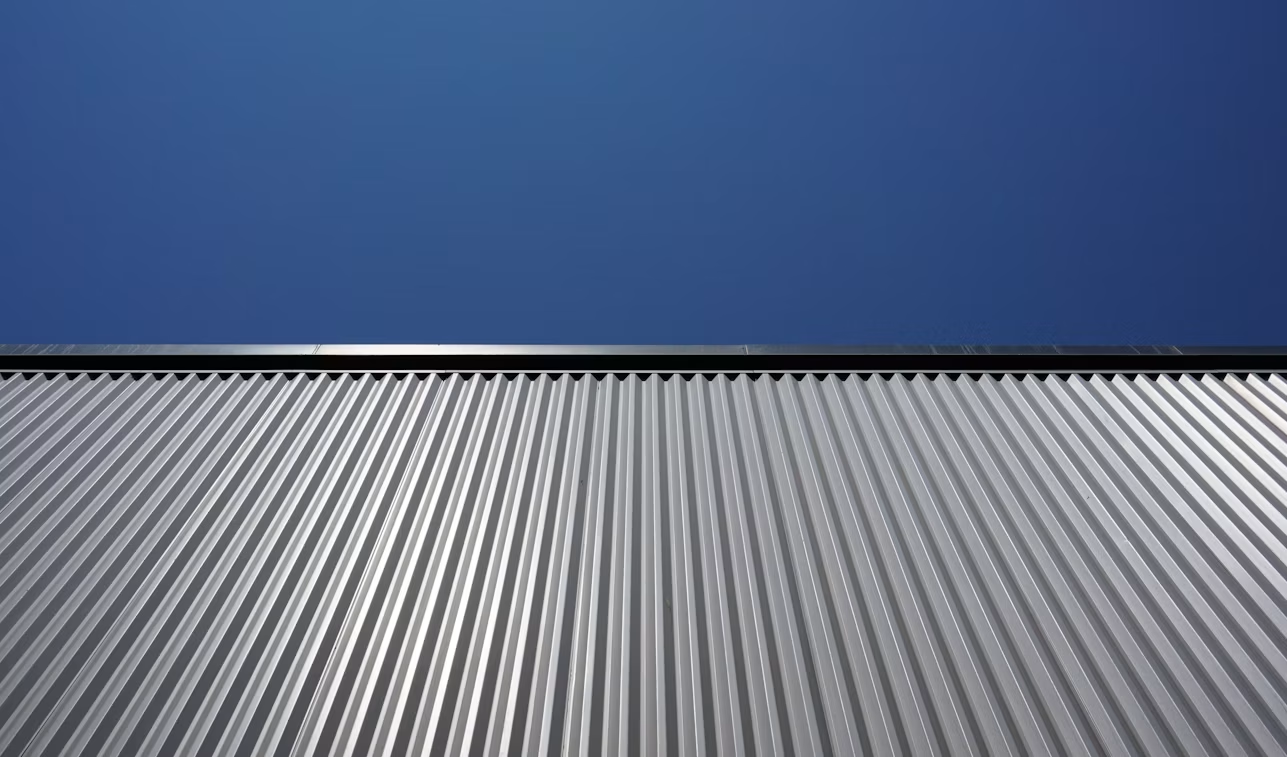
Urban housing design moves fast as metropolitan neighborhoods grow denser and warmer. Homeowners want functional structural upgrades that offer real utility rather than simple cosmetic fixes. Modern roof designs are changing how city residences manage interior energy, usable square footage, and weather protection.
Structural Upgrades Shaping Metropolitan Living
Urban properties present distinct architectural challenges, from tight footprints to shared boundary walls. Many building owners contract residential roofing services when upgrading multi-level structures to expand living space. These structural improvements allow builders to make full use of top-floor real estate. Architectural changes increase usability without expanding a building’s ground footprint.
Flat profiles and angled slopes offer practical choices for tight footprints. Converting unused overhead areas into functional living zones creates valuable extra room.
Planning overhead modifications requires careful structural analysis. Modern engineering techniques allow existing roof frames to hold extra weight safely. Structural calculations ensure long-term stability under severe weather events.
Thermal Management and Heat Reduction
Standard dark overhead materials absorb massive amounts of solar radiation throughout sunny summer days. Dark surfaces trap heat and warm interior rooms directly beneath them.
An industry publication noted that during warmer seasons, heat radiates off black rooftops on high-rise buildings and skyscrapers, raising indoor temperatures across full structures. Modern design updates replace dark asphalt with pale membranes or light coatings.
Reflective surfaces send heat rays away before thermal energy passes into upper ceilings. Lower ceiling temperatures keep upper rooms comfortable during peak afternoon hours. Lowering internal temperatures eases the load on household cooling equipment.
Reflective Coating Technology
Cool reflective coatings feature light-colored sealants applied directly over standard substrate membranes. These sealants bounce 80 percent of sunlight back into the atmosphere. Lowering indoor cooling demands cuts monthly electricity bills during long summer heatwaves.
Sustainable Planted Eco-Roof Systems
Adding vegetation layers to top structures creates natural insulation shields for city properties. Living plant layers protect structural waterproofing membranes against harsh climate exposure.
Data from green infrastructure research demonstrates that green roofs typically last 40 to 55 years, compared to 20 years for conventional roofs. Shielding structural layers from UV rays extends component lifespans by decades. Longer operational life cuts long-term maintenance costs for property owners.
Planted systems absorb stormwater during sudden heavy downpours, reducing runoff volume in city streets. Soil layers filter pollutants out of rainwater before runoff reaches local storm sewers.
Substrate layers inside vegetated setups keep roof temperatures stable throughout winter freezes. Stable structural temperatures prevent thermal contraction cracks in concrete substrates.
Converting Overhead Space Into Usable Decks

Tight city lots rarely feature private backyards or open garden areas. Converting flat top surfaces into timber decks or stone patios solves this spatial shortage.
Homeowners install composite decking boards, safety perimeters, and built-in bench seating. These elevated retreats offer quiet relaxation areas high above street traffic.
- Custom composite deck boards engineered for outdoor exposure
- Steel or tempered glass safety railings surrounding structural perimeters
- Built-in planter boxes filled with drought-tolerant native perennials
- Integrated low-voltage LED lights set along walkway paths
Modular furniture pieces move easily when structural maintenance becomes necessary. Raised floor pedestal systems allow proper water drainage beneath timber surfaces. These open-air spaces add functional living areas for entertaining guests.
Solar Integration and Clean Energy Generation
Solar power tech no longer requires bulky panels mounted awkwardly on sloped frames. Sleek solar tiles and low-profile panel arrays sit flush against contemporary architectural lines. These integrated setups turn overhead residential surfaces into productive power sources.
Photovoltaic systems convert daylight directly into clean electrical power for household appliances. Excess energy charges local battery storage for nighttime power needs. Generating clean power on-site lowers reliance on public electrical grids during peak demand hours. Smart inverters balance voltage levels automatically to optimize daily output.
Modern solar shingles blend smoothly with standard building profiles. Clean integration preserves exterior aesthetics and delivers continuous power savings. Homeowners lower energy costs without sacrificing architectural design choices.
Integrated monitoring software lets residents track hourly power production straight from mobile devices. Local battery storage setups retain extra wattage generated throughout sunny midday hours for evening consumption. Automated energy management systems distribute stored electricity efficiently across major household appliances.
Advanced Water Drainage and Defense Systems
Heavy rain creates standing water risks on flat or low-slope structural designs. Engineered drainage channels and concealed scuppers funnel water away fast.
Internal gutter networks prevent water spills down exterior siding walls. Heavy-duty rubberized membranes stop moisture leaks through top ceilings. Reinforced structural framing supports extra weight loads from heavy rains or winter snow collection.
Proper drainage pathways prevent long-term damage to structural wood supports. Clean water management keeps interior plaster dry and free from mold growth. System inspections verify that roof drains remain free of leaves and urban debris.
Smart choices in modern materials and structural shapes give property owners full control over energy costs and home functionality. Modern roof designs give urban residences lasting strength and improved daily comfort. Structural investments protect building values across every neighborhood.