When your house feels sticky and your energy bill starts acting dramatic, it’s easy to assume you need to crank the AC and hope for the best. That usually works about as well as putting a bandage on a leaky garden hose. The good news is you can stay comfortable without tossing money out the window. A few smart habits, a little basic upkeep, and some timing tricks can make a big difference in how cool your home feels.
Start with your system
Before you blame the weather, take a look at how your cooling system is doing. If it’s blowing warm air, making odd noises, or running forever without cooling the room, something is off. You don’t need to be a home repair wizard to notice the clues.
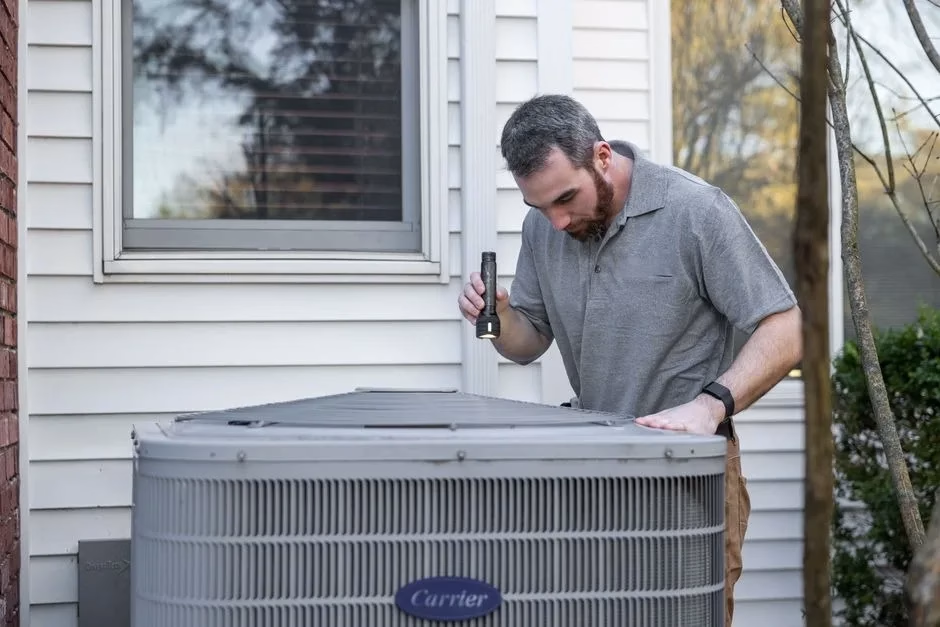
If basic checks don’t solve it, many homeowners end up hiring local HVAC contractors to inspect airflow issues, worn parts, or an AC unit that’s struggling in the heat. That makes sense when the problem goes beyond a dusty vent or a wrong thermostat setting.
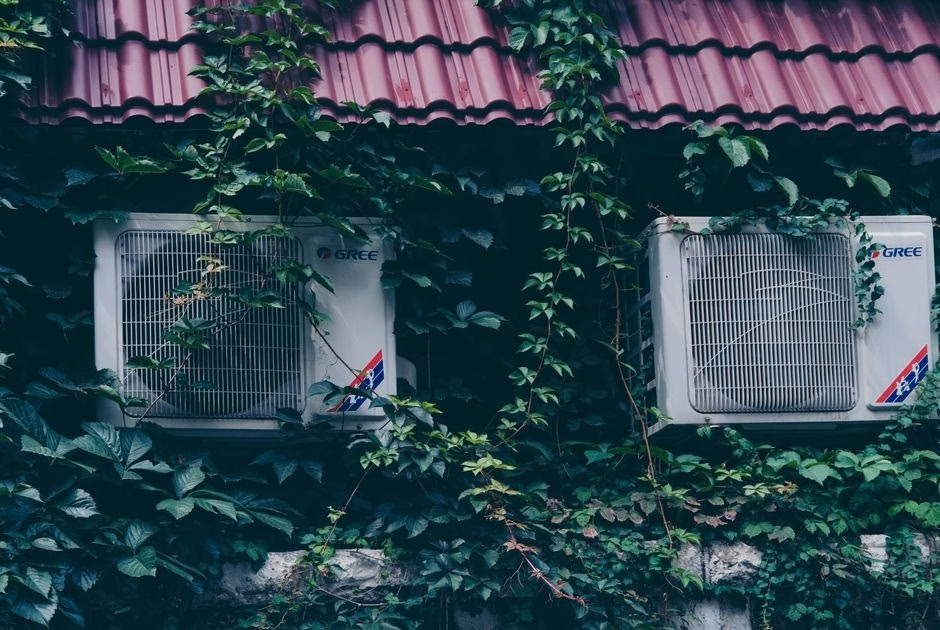
You can still do a quick once-over first. Make sure rugs, curtains, or furniture don’t block vents. Listen for rattling or buzzing. Step outside and check whether the outdoor unit is covered in leaves or debris. Small issues can pile up fast, and your system may be working overtime just to keep up.
Check your air filter
A dirty air filter is one of the most common reasons your home feels less comfortable than it should. It slows airflow, makes your system work harder, and can nudge your energy bill higher without giving you better cooling. It’s a tiny part with a big attitude.
You should check the filter about once a month during heavy-use seasons. If it looks gray, dusty, or clogged, it’s time for a replacement. Homes with pets, frequent cooking, or more foot traffic may need changes more often.
The nice part is this job is usually simple. Most filters slide out and back in without much fuss. Just make sure you buy the right size and install it in the correct direction. If you can follow arrows, you’re already halfway there.
Clean filters help air move more freely through the system. That means your rooms cool faster, and your AC doesn’t have to run like it’s training for a marathon.
Stop cool air leaks
You can have a perfectly good AC system, but if cool air is sneaking out, your home will still feel warmer than it should. Air leaks are like invisible money holes. Not very exciting, but very real.
Start with doors and windows. If you feel warm air creeping in around the edges, weatherstripping or caulk can help. You don’t need a major remodel. Small sealing jobs often make a noticeable difference.
Curtains can help too, especially on windows that get blasted with afternoon sun. Blackout curtains or thicker panels can cut down on indoor heat gain more than people expect. It’s not glamorous, but neither is sweating through your T-shirt on the couch.
Don’t forget attic access points or older basement doors. Those spots often get ignored, even though they can let cooled air drift away. If you rent, you may not be able to do every fix yourself, but even draft stoppers and temporary window seal kits can help keep your place more comfortable.
Use your thermostat smartly
A thermostat works best when you treat it like a planning tool, not a panic button. Setting it super low won’t cool your house instantly. It just keeps the system running longer, which can wear it out and raise your bill.
A steady, realistic setting is usually better. Many people find comfort in the mid to upper 70s when they’re home, then bump it a little higher when they’re out. If you have a programmable or smart thermostat, use it. That’s what it’s there for, besides looking official on the wall.
Try not to keep adjusting the temperature every hour. Your system likes consistency. Big swings can make it work harder, especially on very hot days.
If one part of the house is always warmer, the issue might not be the thermostat at all. It could be sun exposure, poor airflow, or blocked vents. Solving the real problem saves more money than playing thermostat tug-of-war with the weather.
Help rooms feel cooler
Sometimes the goal isn’t just lowering the temperature. It’s making the room feel better. That opens the door to a few easy tricks that support your AC without asking more from it.
Ceiling fans are a great example. In summer, they should spin counterclockwise so they push air downward. That breeze helps sweat evaporate and makes you feel cooler, even if the room temperature stays the same. Just turn fans off when you leave, since they cool people, not furniture.
You can also reduce indoor heat from daily habits. Ovens, dryers, and even a cluster of electronics can warm up a room faster than you expect. On very hot days, try grilling outside, using a microwave, or running heat-producing appliances later in the evening.
Close blinds before the strongest sun hits. Open windows only when the outdoor air is actually cooler. These aren’t magic tricks, but together they can take the edge off and make your home feel less like a toaster oven with throw pillows.
Know when to call
Some cooling issues are simple. Others are your house waving a little white flag. If your AC is short cycling, leaking, blowing weak air, or giving off musty or burning smells, that’s usually the point where DIY should step aside.
Strange noises matter too. Banging, squealing, or grinding sounds are not your system’s way of expressing personality. They often point to mechanical trouble that gets worse if ignored.
It’s also worth paying attention to uneven cooling. If one room feels like a freezer and another feels like late July in a parked car, your system may have duct, airflow, or sizing problems. Those aren’t easy to guess your way through.
The best approach is a mix of simple home habits and timely expert help. Change filters, block heat, seal leaks, and use your thermostat wisely. Then, when the warning signs stack up, get a professional opinion before a small issue turns into a sweaty, expensive mess.