Avoca Beach homes often have a relaxed, effortless look. Open-plan layouts, timber finishes, neutral colours and plenty of natural light all suit the coastal setting. When summer temperatures rise, though, keeping the house comfortable can become difficult.
The challenge is finding a cooling solution that works without making the room feel cluttered or poorly planned. Fortunately, you do not have to choose between comfort and style. With the right system, sensible placement and a few passive cooling measures, your home can stay cool while keeping the coastal character you enjoy.
Choose Cooling That Complements Your Interior
Start by considering how a cooling system will fit into the room before choosing a model. It is easy to focus on price or speed of installation, only to end up with a unit that interrupts a feature wall, blocks a clean sightline or draws attention for the wrong reason.
If you are researching air conditioning Avoca options, look beyond cooling capacity alone. Modern reverse-cycle split systems are available in slim, low-profile designs that can sit more discreetly against a wall. Some models also come in colours other than standard white, which may suit darker or more contemporary interiors.
Ducted air conditioning offers an even less visible option. Most of the equipment is concealed, with only ceiling or wall vents showing inside the home. This can work particularly well in open-plan properties where visual consistency matters. However, ducted systems generally require more space, planning and installation work, so they may not suit every existing home.
Placement matters as much as the type of system. Avoid squeezing a wall unit above artwork, shelving or a television simply because there is an open space. A qualified installer can help identify a position that supports effective airflow without competing with the room’s main features.
Use Your Air Conditioner More Efficiently
Once the right system is installed, how you use it can have a noticeable effect on comfort and running costs. Australian Government energy guidance recommends setting an air conditioner between 25 and 27 degrees Celsius during summer. Raising the thermostat by even one degree may reduce cooling costs by around 5 to 10 per cent.
Rather than setting the temperature as low as possible, cool only the rooms you are using and keep doors and windows closed while the system is running. This helps prevent cooled air from escaping into unused areas.
Ceiling and pedestal fans can also support your air conditioner. Fans do not lower the room temperature in the same way, but moving air across the skin can make people feel more comfortable. On milder days, a fan may be enough on its own. In hotter weather, using a fan with the air conditioner may allow you to choose a slightly higher thermostat setting.
Make Use of Cooler Outdoor Air
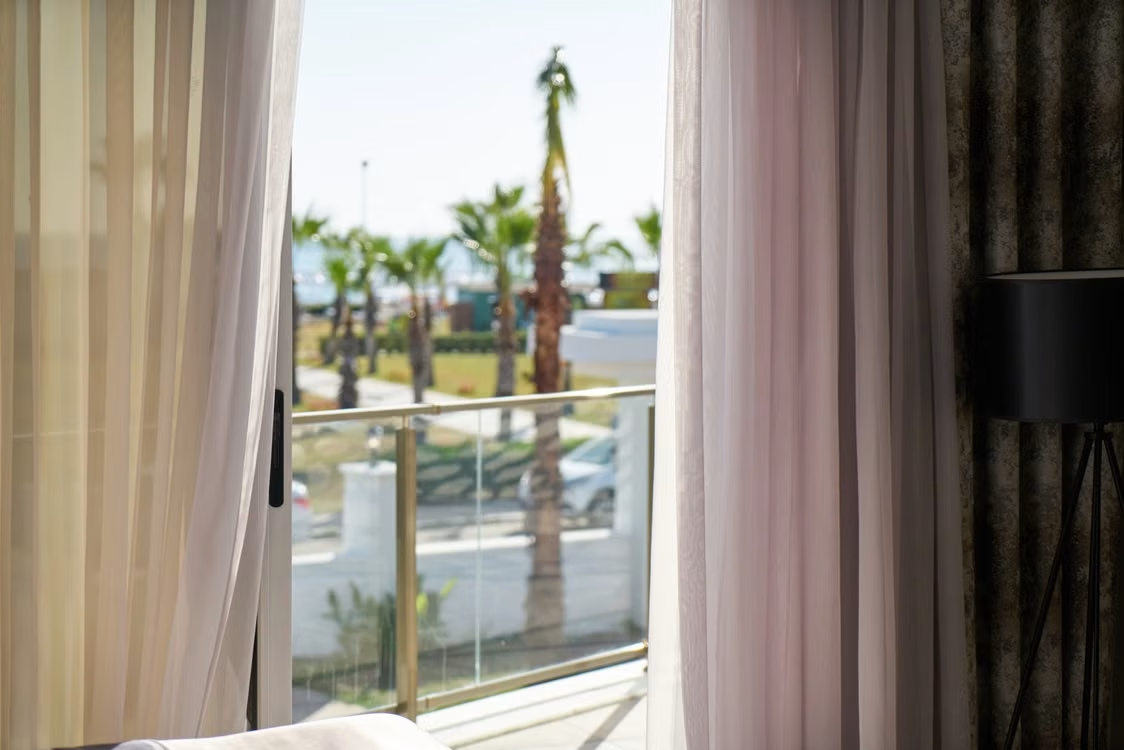
Avoca’s coastal location can provide useful breezes, but natural ventilation works best when outdoor conditions are cooler than the air inside. Open windows and doors in the early morning or evening when the temperature drops and the breeze is comfortable.
During the hotter part of the day, close windows and doors if the outdoor air is warmer. Curtains, blinds and shutters can then help slow the transfer of heat into the room.
Cross-ventilation can be useful where the layout allows it. Opening windows or doors on opposite sides of the home gives warm air a way to escape while drawing cooler air through the space. A pedestal or box fan placed near an opening can help move air, although noise and effectiveness will vary between appliances and homes.
On humid evenings, opening the house may not always feel comfortable. Some air conditioners include a dehumidifying mode, which can reduce moisture in the air without requiring aggressive cooling. A separate dehumidifier may also help, but remember that it can release some heat into the room.
Block Heat Before It Gets Inside
Keeping heat out is often easier than removing it later. YourHome, the Australian Government’s guide to sustainable homes, identifies shading of windows as an important part of passive cooling because glass can be a major source of unwanted heat gain.
Interior window treatments can help while still supporting a coastal look. Consider light linen curtains paired with blockout linings, neutral roller blinds, timber venetians or plantation shutters. These options can soften glare and reduce heat without making the room feel heavy.
External shading is generally even more effective because it stops sunlight before it reaches the glass. Depending on the orientation of the home, this might include deep eaves, awnings, pergolas, outdoor blinds or carefully positioned plants. West-facing windows often need particular attention because they receive strong afternoon sun.
Keep the styling consistent by choosing materials and colours that already appear elsewhere in the property. A practical addition will look more intentional when it feels connected to the architecture rather than added as a separate feature.
Maintain the System and Outdoor Unit
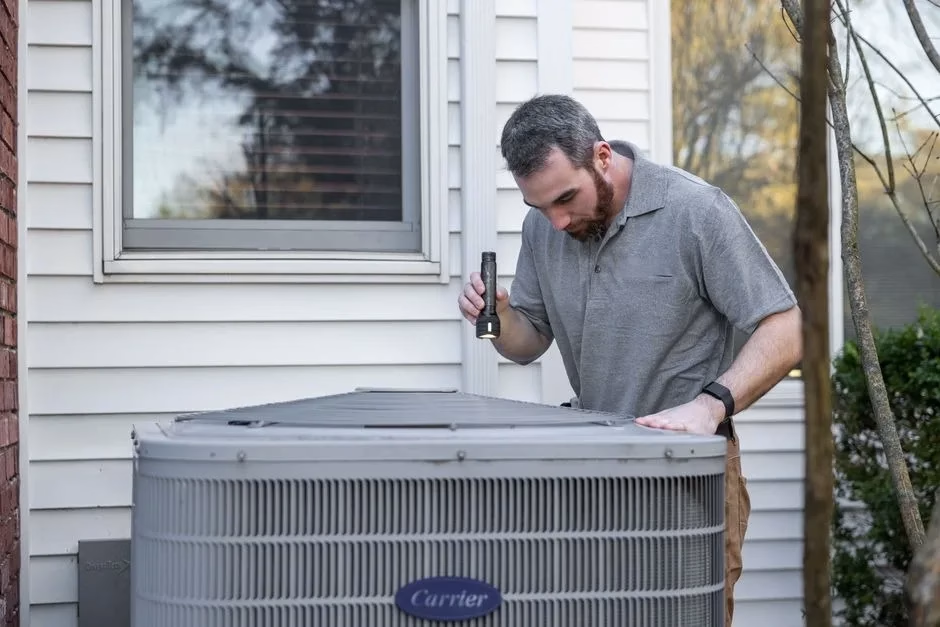
Even a well-chosen system will perform poorly if it is neglected. Clean or check the filters according to the manufacturer’s instructions, as dust and dirt can restrict airflow and reduce efficiency. Keep the area around the outdoor unit clear so it can release heat properly.
Coastal air can also expose outdoor components to salt and moisture. Some systems include corrosion-resistant coatings, but correct positioning and maintenance still matter. Follow the manufacturer’s service recommendations and ask a qualified technician to inspect the unit if you notice corrosion, reduced airflow, unusual sounds or higher energy use.
Final Thoughts
Staying cool in Avoca does not mean filling your home with bulky appliances or compromising its relaxed coastal style. Choose a system that fits the property, place it carefully and use it at sensible settings.
Combine mechanical cooling with fans, shading and natural ventilation when conditions allow. These small decisions can reduce the strain on your air conditioner, improve comfort and help your home look as considered as it feels.