Your home doesn’t have to be falling apart to have a plumbing problem brewing. Most of the time, the clues start small. A sink drains a bit slower. A wall looks slightly blotchy. The shower suddenly acts moody and switches from strong to sleepy. If you catch those signs early, you can often avoid a big mess, a bigger bill, and a very bad day. Here’s how to spot trouble, prevent common issues, and know when it’s time to stop guessing and get help.
Early warning signs
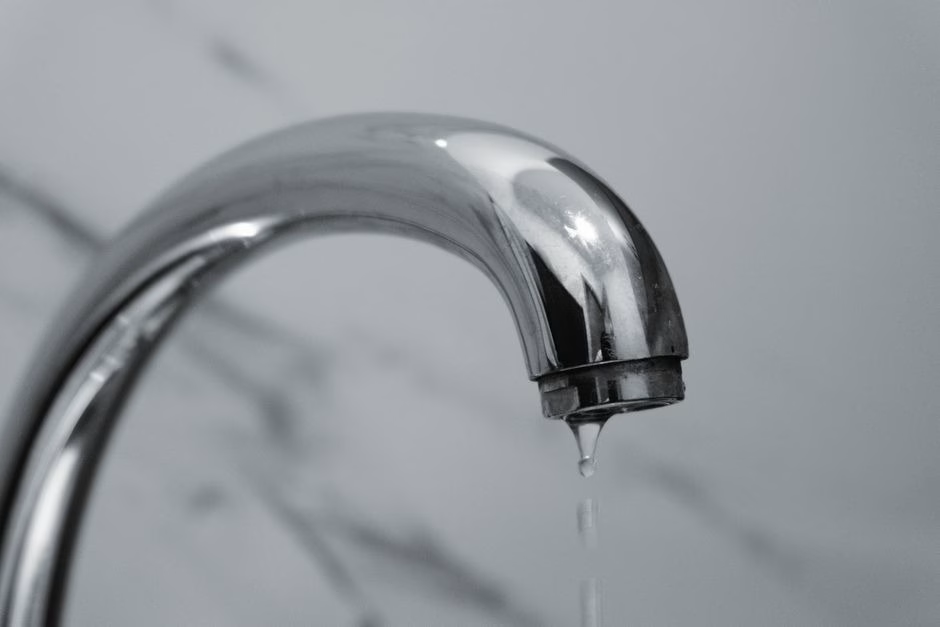
Plumbing problems usually whisper before they shout. You might notice a faucet that drips at night, a drain that gurgles like it’s telling ghost stories, or a musty smell that won’t leave. Low water pressure can also mean more than an annoying shower. It may point to buildup, a hidden leak, or a bigger issue deeper in the system.
Watch for damp spots under sinks, warped cabinets, or peeling paint near pipes. Those little changes are often the home’s way of waving a red flag. If the signs keep coming back, it’s smart to call residential plumbing repair services before a minor issue turns into floor damage or mold.
Your water bill can help, too. If it jumps and your routine hasn’t changed, you may have a leak somewhere out of sight. That kind of surprise is never the fun kind.
Bathroom habits matter
Bathrooms work hard every day, so it’s no surprise they become problem zones. A lot of clogs start with things that seem harmless in the moment. Hair, wipes, cotton pads, and too much toilet paper can pile up fast. Even products labeled flushable often behave like tiny troublemakers once they hit your pipes.
A simple drain catcher in the shower can do a lot of heavy lifting. It’s not glamorous, but neither is standing ankle-deep in water while shampooing. Check around the base of your toilet for any wobble, moisture, or soft flooring. Those can hint at a hidden seal problem.
Take a quick look at sink pipes under the vanity now and then. If you see rust, drips, or stains, don’t shrug it off. Bathrooms also hide slow leaks behind walls, so bubbling paint or a mildew smell matters more than people think.
Kitchen sink mistakes
Your kitchen sink sees action all day, and that makes it one of the easiest places for plumbing trouble to build. Grease is the classic villain here. It looks harmless when warm, then cools down and sticks inside pipes like it paid rent. Over time, that sticky layer traps crumbs and creates stubborn clogs.
Coffee grounds are another sneaky issue. So are pasta, rice, eggshells, and fibrous scraps like celery. Garbage disposals help, but they’re not magic trap doors. Feeding them too much at once or putting in the wrong items can leave you with jams, odors, or slow drainage.
A better habit is to scrape plates into the trash or compost first. Run cold water when using the disposal, and let it flow a few seconds after. If your sink starts smelling funky, don’t just drown it in lemon slices and hope for a miracle. Smells often mean buildup that needs attention.
Check hidden trouble spots
Some plumbing problems stay out of sight until they’ve done real damage. That’s why a quick monthly walk-through can help. Open the cabinet under each sink and look for puddles, stains, warped wood, or corrosion around the pipe joints. Even a tiny drip can slowly wreck cabinets and flooring.
Check around your water heater for moisture, rust, or pooling water. Peek behind the washing machine if you can. Hoses and connections there are easy to forget and expensive to ignore. Around the dishwasher, watch for swollen baseboards or a floor that feels oddly soft.
Don’t skip the walls and ceilings. Water stains, bubbling paint, or a patch that looks slightly darker can point to a hidden leak traveling where it shouldn’t. Plumbing has a talent for showing up far from the actual problem. It’s a bit like a mystery novel, except the plot twist is drywall damage.
Seasonal care at home
Your plumbing reacts to the seasons more than you might think. In colder months, exposed pipes in garages, basements, or exterior walls can freeze. When water freezes, it expands, and pipes don’t exactly enjoy that kind of pressure. Insulating vulnerable pipes and sealing drafts can help you avoid a winter disaster.
Summer brings its own quirks. More showers, more laundry, and more outdoor water use can put extra strain on your system. If you’ve got kids home from school or guests staying over, your bathrooms and kitchen may suddenly feel like busy train stations.
Rainy seasons can also reveal drainage issues around the home. If water pools near the foundation, it can affect more than your yard. Pay attention to how your home handles weather shifts. A little seasonal prep goes a long way, and it’s usually cheaper than cleaning up after a pipe decides to throw a tantrum.
When to call quickly
Some plumbing issues can wait a day. Others need fast action. If a pipe bursts, shut off the water right away and get help. The same goes for sewage smells, water backing up into sinks or tubs, or stains that seem to spread by the hour. Those are not “let’s see what happens tomorrow” situations.
No hot water can also be more urgent than it sounds, especially if the water heater is leaking or making loud popping noises. If multiple drains clog at once, that may suggest a bigger blockage in the main line. And if you notice water near electrical areas, don’t play hero. Safety comes first.
The main thing to remember is simple: quick action usually means less damage, less stress, and often less money. You don’t need to panic over every drip, but you also don’t want to ignore signs your home keeps repeating. When plumbing starts acting weird, paying attention early is one of the smartest home-care habits you can build.