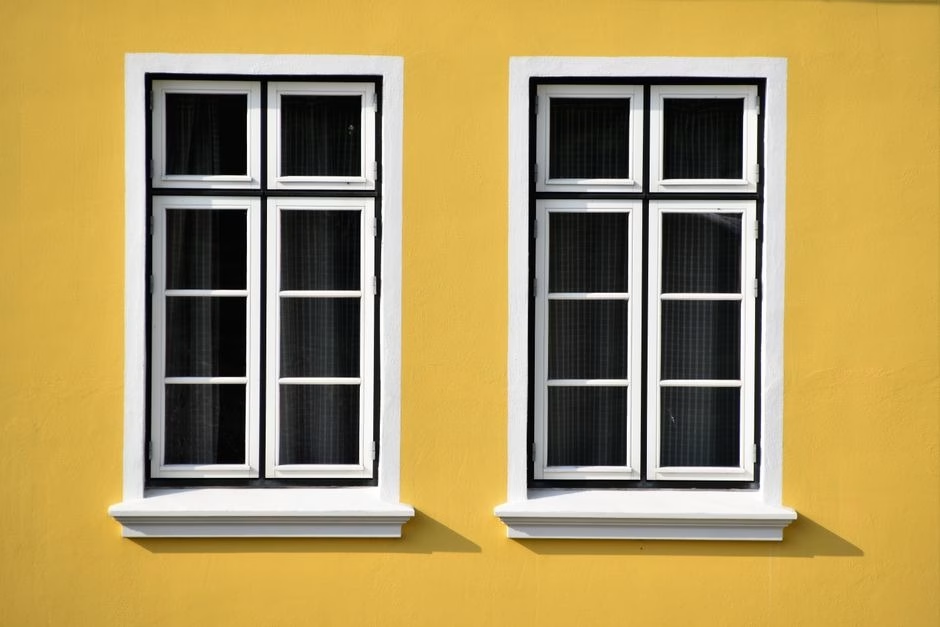
Window updates don’t sound flashy at first. They’re not as dramatic as a kitchen makeover or as fun as picking paint colors. Still, they can quietly change how your home feels every single day. That’s especially true in Denver, where homeowners deal with bright sunshine, changing seasons, and temperature swings throughout the year.
The city is home to more than 740,000 residents, and with the median value of owner-occupied homes sitting at around $616,000, many homeowners look for upgrades that improve comfort while helping protect their investment. If your place is drafty, noisy, or a little tired-looking from the street, your windows may be doing more talking than you think. A smart window upgrade can improve comfort, appearance, and even the way buyers see your home if you ever decide to sell.
Why windows matter
Your windows do a lot more than give you a nice view of the neighbor’s dog doing laps in the yard. They help control indoor temperature, bring in natural light, and shape the way your home looks from both inside and out.
A Denver window replacement company can also help you choose products that suit the local climate, improving comfort, energy efficiency, and your home’s overall appearance.
That kind of update can make sense when your home needs better comfort, cleaner style, and less day-to-day frustration.
In real estate, small details often create the biggest first impression. Fresh windows can make a house feel cared for. They also help rooms look brighter and more open. You may not notice how much worn-out windows drag down a space until they’re replaced. Then suddenly, the whole room feels less sleepy and a lot more polished.
Spot the warning signs
You don’t need to be a contractor to tell when windows are struggling. Most homes give off a few clues. The trick is noticing them before they turn into bigger, pricier problems.
One common sign is a draft. If you feel chilly air near a closed window, that’s your house basically whispering, “Help me.” Windows that stick, rattle, or refuse to open smoothly are another red flag. Condensation trapped between panes can also point to a failed seal.
You might notice outside noise getting in more than it should. Barking dogs, traffic, or leaf blowers suddenly sound like they’re hanging out in your living room. That’s not ideal.
Another easy one to miss is fading. If sunlight is bleaching your floors, rugs, or furniture, your windows may not be offering the protection you want. None of these signs mean instant disaster, but they do suggest it’s worth taking a closer look.
Boosting buyer appeal
If you ever plan to sell, windows can help your home make a stronger first impression. Buyers tend to notice anything that looks neglected, even if they can’t explain why the house feels off.
Updated windows can make a property look cleaner and more current from the curb. Inside, they help rooms feel brighter, which is a big deal during showings and listing photos. Natural light has a way of making spaces feel bigger, warmer, and more inviting.
There’s also the practical side. Buyers often like the idea of fewer near-future repairs. If they see newer windows, they may feel more confident that the home has been maintained well.
The same logic works for rental properties too. If you’re trying to attract tenants, windows that look good and work properly can support a more appealing overall package. It’s not the only feature that matters, of course, but it definitely helps your home avoid the “needs work” vibe.
Saving money over time
Window upgrades can cost real money upfront, so it’s fair to ask what you’re getting in return. The answer is usually a mix of comfort, lower maintenance stress, and possible savings over time.
Older windows can let heated or cooled air slip out more easily. That means your HVAC system may have to work harder to keep rooms comfortable. Newer windows can help your home feel more stable throughout the day, especially during weather swings.
There are smaller savings too. You may spend less time dealing with temporary fixes like draft blockers, sticky locks, or repainting worn frames. Your furniture and flooring may also get better protection from strong sunlight.
No, new windows won’t magically make your utility bill disappear like a rabbit in a magician’s hat. But they can support a more efficient, comfortable home. For many homeowners, that steady everyday benefit matters just as much as resale value.
Choosing the right style
Picking windows is part practical decision and part style choice. You want something that works well, looks right, and doesn’t become annoying to clean six months later.
Think about how each room is used. In a kitchen, you may want a window that opens easily for ventilation. In a bedroom, you might care more about light and privacy. In living spaces, larger windows can help make the room feel open and welcoming.
You should also consider your home’s character. A modern home may suit sleek, simple frames. A more traditional house often looks best with styles that match its original charm.
Don’t forget cleaning. Some window styles are much easier to maintain than others, which becomes very important right around the moment you’re balancing on a stool with a paper towel and regretting your life choices. A good choice should fit both your design taste and your real daily routine.
Planning the project smartly
A smoother project usually starts with better questions. Before you commit, think about your budget, your timeline, and which problems you’re actually trying to solve.
Get clear on whether you’re replacing all your windows or just the worst ones first. A phased approach can work well if you want to spread out costs. It also helps to ask about materials, installation timing, warranty details, and what kind of disruption to expect.
If possible, schedule the project during a season that works well for your household. Installation is temporary, but it still helps to plan around busy family weeks, travel, or bad weather.
You’ll also want to prep your space. Move furniture, take down delicate wall decor, and make sure installers can access the work areas. A little prep can save a lot of chaos. Think of it as making room for the glow-up.
Small change, big payoff
Window upgrades may not be the loudest improvement you can make, but they often become one of the most noticeable once they’re done. You feel the difference in comfort, see it in the light, and appreciate it every time you open a window that actually opens without a wrestling match.
For homeowners, this kind of project sits in a sweet spot. It improves daily living while also supporting the overall value and appeal of the property. That matters whether you’re staying put for years or quietly thinking about a future sale.
The best home improvements are often the ones that solve real problems while making your place feel better to live in. New windows can do exactly that. If your current ones are drafty, dated, or just plain grumpy, upgrading them may be one of the smartest next steps for your home.