
A beautiful home feels calm, cozy, and pulled together. It also feels a lot better when ants are not marching through the kitchen like they pay rent. The good news is that pest prevention does not always start with sprays or traps. A lot of it begins with simple decor and housekeeping choices. Across Short Pump, VA, homeowners who like a space that looks good and works hard find that a few smart habits make their homes far less inviting to uninvited little guests.
Decor can invite pests
Your decor choices do more than set a mood. They also shape the tiny hiding spots, food crumbs, and damp corners that bugs love. A room packed with stacked magazines, floor baskets, and heavy fabric can look charming, but it may also become a pest playground.
That does not mean your home has to look plain or sterile. It just means function deserves as much thought as style. Ants, roaches, and spiders keep returning to kitchens, entry points, and damp corners no matter how carefully a room is styled, and once they establish a route indoors, decor changes alone will not push them back out.
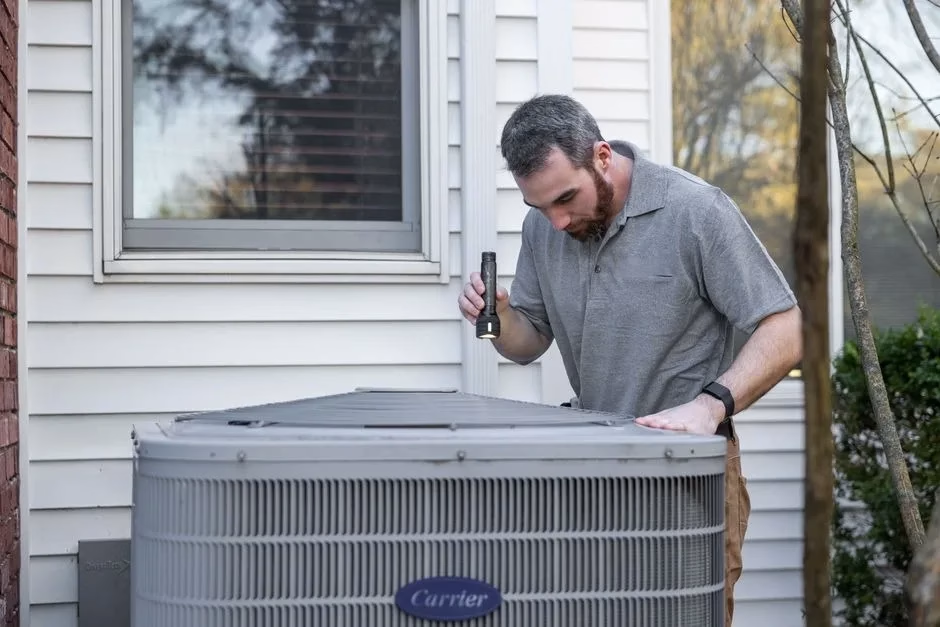
Schedule pest control services in Short Pump, VA to inspect inside and outside the home, locate entry points and nesting sites, and treat the areas involved. Rodent activity gets trapped and removed during the same visit, and inspections are free.
Your goal is not perfection. It is making your home less easy for pests to explore. Small design decisions, like how you store things or where you place furniture, can quietly make a big difference.
Cut clutter with style
Clutter is cozy for you and extra cozy for pests. Piles of paper, overflowing baskets, and packed corners give insects and even mice more places to hide without being noticed. It is like building tiny blanket forts for them. Cute for kids, less cute for roaches.
Start with the spaces that collect random stuff the fastest. Entry tables, under-bed storage, sideboards, and laundry room shelves are common trouble spots. Try using fewer decorative items with more purpose. A tray for keys and mail works better than a whole mountain range of paper.
A few easy wins help a lot:
– Rotate seasonal decor instead of storing everything out
– Keep floors clear around baseboards
– Use closed storage for paper goods and textiles
– Donate items you have not used in a year
The cleaner your visual layout, the easier it is to spot droppings, nests, or chew marks before a small issue turns into a full bug soap opera.
Choose smarter storage
Open shelves can look lovely in photos, but real life is messier. Pantry items, pet food, fabric napkins, and craft supplies can all attract pests if they are left exposed. Smart storage helps your home look tidy and keeps tempting materials protected.
In the kitchen, clear sealed containers are your best friends. They make dry goods easier to find and much harder for pantry pests to reach. In living rooms and bedrooms, choose lidded baskets or storage ottomans instead of open bins that collect dust and mystery crumbs.
If you store blankets, guest linens, or paper products, avoid stuffing them directly against walls in dark closets. Give things a little breathing room. That makes it easier to clean and inspect the area now and then.
Furniture can help too. Benches with hidden storage, coffee tables with drawers, and closed cabinets all do double duty. You get style, function, and fewer places for pests to settle in unnoticed.
Watch for moisture spots
Many pests are less interested in your decor than in your water. Damp spaces attract everything from silverfish to cockroaches, and even a pretty room can have sneaky moisture problems. Bathrooms, kitchens, laundry corners, and window ledges are common hotspots.
Check the areas around sinks, toilets, and washing machines. If you keep decorative baskets or rugs there, make sure they do not stay damp underneath. Houseplants can also create trouble if water pools in trays or drips onto wood floors.
A few home-friendly fixes can help:
– Use washable bath mats that dry quickly
– Leave space between furniture and exterior walls
– Choose shower curtains that do not trap moisture on the floor
– Wipe window condensation before it builds up
You do not need to turn your home into a desert. You just want to stop creating a tiny spa resort for bugs. They love moisture way more than they deserve.
Seal the sneaky gaps
Pests do not need a grand entrance. A tiny gap under a door or a crack near a window can be enough. That is why some of the best prevention steps are the ones you barely notice once they are done.
Start at your front and back doors. Door sweeps are not glamorous, but they work. Weatherstripping around windows can also help keep bugs out while making your home more energy efficient, which is a nice little bonus.
Take a look behind furniture, too. Curtains that puddle on the floor, large bookcases pushed against baseboards, and bulky decor near vents can hide cracks or droppings. You do not have to move everything every week, but doing a quick check every month helps.
Caulking around trim, window frames, and plumbing openings can make a space look neater and reduce entry points. It is one of those boring home tasks that quietly earns its keep.
Clean soft surfaces often
Soft surfaces make a room feel warm and layered. They also hold onto dust, pet hair, crumbs, and shed skin cells. To pests, that is less designer texture and more all-you-can-eat buffet.
Rugs, throw pillows, blankets, and upholstered furniture need regular attention, especially if you snack on the couch or have pets. You do not need a deep-clean marathon every weekend. A simple routine goes a long way.
Vacuum rugs and upholstery weekly if possible. Shake out smaller textiles outdoors. Wash throws and cushion covers on a schedule you can actually keep. If you have kids, check under sofa cushions now and then. You may find crackers from a snack that happened three birthdays ago.
Also, pay attention to guest rooms. They often stay closed up and get cleaned less often, which makes them easy to forget. A room that looks tidy can still collect dust and become a quiet hiding place for pests.
Build a bug-wise routine
The best pest prevention habits are the ones you can live with. You do not need a clipboard and a whistle. You just need a few repeatable steps that fit your week.
Once a week, vacuum high-traffic areas, wipe kitchen surfaces, and check for standing water near sinks or plants. Once a month, look behind furniture, inspect pantry items, and declutter one small zone like a drawer or shelf. Every season, wash rarely used textiles and check doors and windows for gaps.
If something feels off, trust that instinct. A musty smell, small droppings, chewed packaging, or repeated sightings usually mean it is time to act sooner rather than later.
A home that is stylish, comfortable, and harder for pests to enjoy is absolutely possible. You are not aiming for showroom perfect. You are building a space that works for real life and keeps the six-legged freeloaders from getting too comfortable.