Water damage has a sneaky way of showing up late to the party and still making the biggest mess. A tiny drip under a sink or behind a wall can quietly grow into warped floors, peeling paint, and a repair bill that makes your eyebrows jump. The good news is that you don’t need to be a plumber or a tech wizard to stay ahead of it. A few smart habits and the right tools can help you spot trouble before your house starts acting like a sponge.
Why Leaks Go Unnoticed
Most leaks don’t start with a dramatic burst pipe and a movie-style flood. They begin small and boring, which is exactly why they’re easy to ignore. A loose washing machine hose, a slow drip under the bathroom sink, or a tiny crack near the water heater can stay hidden for weeks.
That’s why many homeowners are turning to smart home water monitoring to detect unusual water activity before it becomes a costly repair. By alerting you to potential leaks early, these systems can help prevent problems like stained ceilings, warped floors, and damaged walls.
Leaks often hide in places you don’t check every day. Behind appliances, inside cabinets, and around basement corners are all favorite spots. If nothing looks dramatic, you may assume everything is fine. Sadly, water loves playing hide-and-seek, and it’s annoyingly good at winning.
Rooms That Need Attention
Some parts of your home are more likely to have water trouble than others. Kitchens are a big one. You’ve got a sink, dishwasher, fridge line, and plenty of chances for a drip to start quietly under a cabinet.
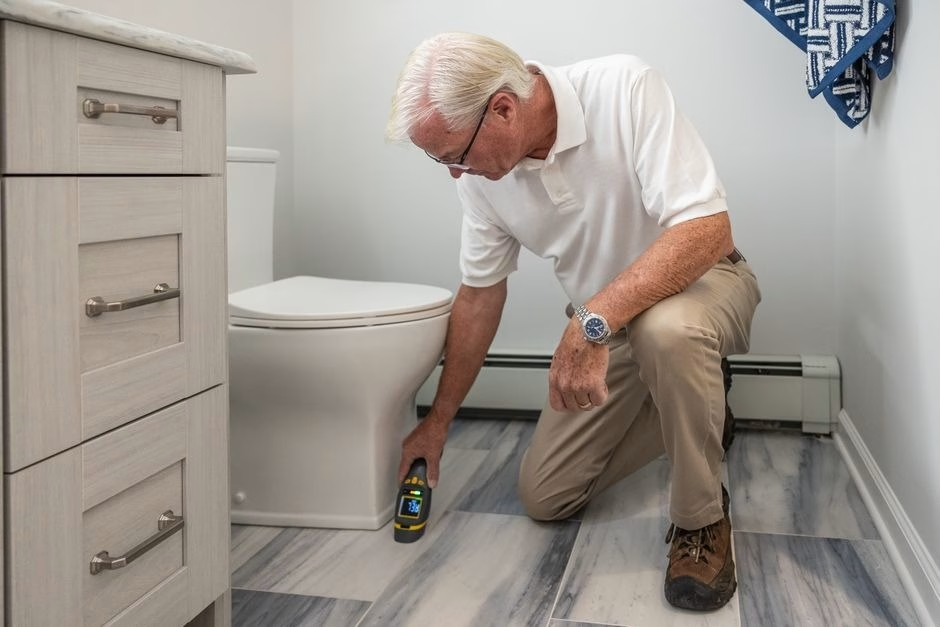
Bathrooms are another obvious trouble zone, but they still surprise people. Toilet seals wear out, tub caulking cracks, and sink plumbing can loosen over time. Since bathrooms already get damp, it’s easy to miss the moment normal moisture turns into a real issue.
Laundry rooms also deserve a regular glance. Washing machine hoses can age faster than you think, and one weak connection can cause a major mess. Water heaters are worth checking too, especially if yours is older. Even outdoor faucets and garden hose hookups can create hidden trouble if they leak near the foundation. Your house has more splash zones than it lets on.
Warning Signs To Catch
You don’t need fancy equipment to notice the first clues. Sometimes your home practically whispers that something is wrong. A sudden bump in your water bill is one of the biggest red flags. If your water use hasn’t changed, but the cost has, it’s time to investigate.
Musty smells are another common sign. If a room smells a little like wet towels that never dried, hidden moisture may be hanging around. Peeling paint, bubbling walls, or warped floors also point to water where it doesn’t belong.
Watch for dampness inside cabinets, especially under sinks. You might also hear faint dripping, running water, or toilet refilling sounds when no one is using anything. These clues may seem small on their own, but together they tell a story. And it’s usually not a fun one. When your floorboards start curling like potato chips, your house is definitely trying to tell you something.
Daily Habits That Help
A few small routines can save you a lot of stress later. Start with a quick visual check every week. Open the cabinet under your kitchen and bathroom sinks. Look for moisture, discoloration, or that suspicious smell that says, “Something’s been damp in here.”
Take a moment to listen, too. If you hear a drip after turning everything off, don’t shrug it away. Check appliance hoses every so often, especially behind the washing machine and refrigerator. If they look cracked, stiff, or worn, replace them before they fail.
It also helps to know where your main water shutoff valve is. If a leak ever gets serious, every second matters. You don’t want to be learning the location during an indoor waterfall event. Keeping an eye on your water bill each month is another easy habit. Small changes are often the earliest warning sign, and catching them early can make all the difference.
When Tech Makes Sense
Basic home checks are great, but sometimes life gets busy. If you travel a lot, manage a full household, or live in an older home, extra help can be worth it. That’s where water monitoring tools can make real sense without turning your house into a science project.
You don’t need to be obsessed with gadgets to see the value. If you’ve ever had a leak before, you already know how fast a “small issue” can become “why is my ceiling sagging?” A monitoring device can give you a heads-up when something seems off, even when you’re not standing there with a flashlight.
This can be especially helpful for second homes, vacation trips, or homes with aging plumbing. It’s less about being fancy and more about being practical. Good prevention isn’t about panic. It’s about getting useful information early enough to do something with it. That’s a lot better than discovering a problem after your rug has learned to swim.
A Smarter Prevention Plan
The best way to prevent water damage is to stop thinking of it as a rare disaster. In many homes, it’s more like a quiet maintenance issue that grows when nobody pays attention. A smart plan means staying aware without becoming paranoid every time the sink makes a noise.
Start with the basics. Check common trouble spots, learn the warning signs, and stay on top of simple upkeep. Then think about whether a monitoring tool fits your lifestyle. If your home is older, your schedule is packed, or you just want extra peace of mind, it can be a very reasonable step.
The goal isn’t to turn you into a plumbing detective. It’s to help you avoid the expensive surprises that come from leaks hiding in plain sight. Water damage is no joke, but preventing it doesn’t have to be complicated. A little attention now can save you from a giant mess later, and that’s a home win worth celebrating.