The morning after a bad storm, most homeowners walk the yard, check the fence, maybe clear branches off the driveway, and never look up. The roof is the part of the house doing the most work during high wind and hail, absorbing the impact and shedding water so nothing gets inside, and it’s also the part most people forget to actually inspect afterward.
That gap causes real problems. Roof damage doesn’t always announce itself right away. A cracked shingle or a few lifted seams can sit quietly for months before you notice a stain on the ceiling, and by then the repair has usually gotten more expensive than it needed to be, because water damage spreads well past the original point of entry once it gets into insulation and drywall.
Here’s how to tell what’s urgent, what can wait, and when it’s actually time to call someone, rather than just guessing from the ground.
What counts as an emergency
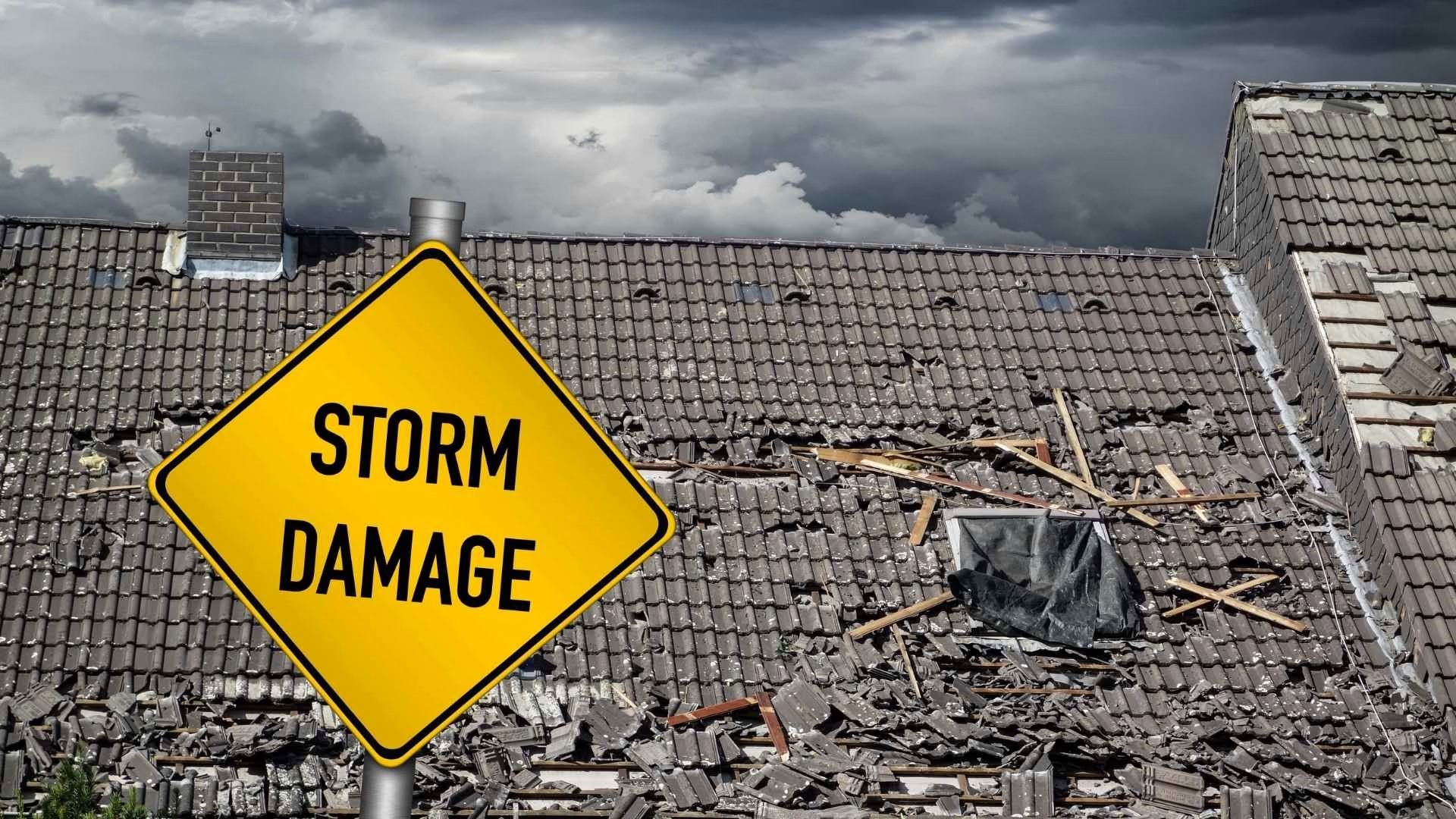
If you can see daylight through the roof deck from inside the attic, if there’s active water dripping into the house anywhere, or if a section of shingles or decking has visibly come loose or blown off entirely, that’s not a wait-and-see situation. These are the scenarios where the roof has stopped doing its one job, which is keeping water out, and every hour that passes makes the damage worse rather than staying the same.
Water intrusion compounds fast. Insulation gets saturated and loses its effectiveness almost immediately. Drywall softens and can sag or fail within a day or two of sustained exposure. And mold can start establishing itself within 24 to 48 hours in a humid climate like this one, which turns a roofing problem into a health and remediation problem if it’s not addressed quickly. Get a tarp on any exposed area if it’s safe to do so, and call a roofer the same day if at all possible. Most established roofing companies keep emergency tarping on the schedule specifically because they know the first 48 hours after a storm matter more than any other part of the repair timeline.
What needs attention soon, but isn’t an emergency
Missing shingles limited to a small area, granule loss showing up heavier than usual when you check the gutters, or minor flashing separation around a chimney, skylight, or vent pipe. These situations won’t flood the house tonight, and in most cases the roof deck underneath is still doing its job for now.
But they’re exactly the kind of thing that turns into tomorrow’s emergency during the next storm, because wind tends to find and exploit existing weak points rather than creating brand new damage from scratch. A shingle that’s already lifted at one corner is far more likely to tear off completely in the next round of wind than one that’s still sealed down tight. Get these looked at within a week or two of the storm rather than letting it sit until the next major weather event forces the issue. It also gives you time to get a fair, unhurried quote rather than competing with every other storm-damaged roof in the area for a contractor’s schedule.
What’s usually cosmetic
A few scattered granules in the gutter, minor discoloration on the shingle surface, or small dents in aluminum gutters or downspouts that aren’t actually affecting how water drains off the roof. This category covers the kind of damage that looks alarming right after a storm but doesn’t actually compromise the roof’s ability to keep water out.
It’s still worth taking a few photos for your records in case it comes up later, particularly if you end up filing any kind of insurance claim for other storm damage and an adjuster asks about the roof’s condition. But this isn’t something that needs an urgent call or a rushed repair. Save the phone calls for the categories above it, and mention this kind of minor wear the next time you have a roofer out for something else.
Hail is trickier than wind damage
Wind damage tends to be obvious. Missing or lifted shingles, debris on the lawn, a section of ridge cap that’s clearly gone, these are hard to miss even from the ground. Hail damage is sneakier and, in a lot of ways, more likely to cause problems down the road precisely because it’s harder to spot.
Hail can bruise a shingle’s fiberglass mat without actually tearing the surface open. From the ground, and sometimes even up close, the shingle can look completely intact. But that bruising breaks down the shingle’s structural integrity underneath, and it accelerates the aging process in that spot specifically. This kind of damage often doesn’t show up as an actual leak until much later, sometimes a full season or more after the storm that caused it, which makes it easy to blame the leak on something else entirely when it finally appears. If your area got hail over roughly quarter-size during a storm, it’s worth getting a professional inspection even if the roof looks completely fine from the ground, because this is one type of damage that genuinely requires someone trained to spot it up close.
Document before you clean up
Take photos of any visible damage, debris, or displaced shingles before you touch anything or start any cleanup work. Get wide shots that show the general area and closer shots of specific damage, and if it’s safe to do from the ground with a zoom lens, photos of the actual roof surface help too.
Insurance adjusters work from what they can verify, and a clear photo record taken right after the storm, before any tarps go up or debris gets cleared away, carries considerably more weight than a description given after the fact. This matters even if you’re not sure yet whether you’ll file a claim. It’s much easier to have the documentation and not need it than to realize weeks later that you cleaned up the one piece of evidence that would have supported a claim.
Get a professional opinion, not just an estimate
There’s a real difference between someone who wants to sell you a full replacement and someone who tells you honestly that a repair will hold for now. A conversation with a local roofer summed it up well: “Half the calls we get after a storm end up being a couple hundred dollars in flashing repair, not the full re-roof people assume they need. But the other half genuinely do need it, and waiting just moves the damage from the roof into the ceiling.” That range is exactly why guessing from the ground with binoculars doesn’t tell you much either way, and why an actual inspection is worth the time even when the roof looks fine at first glance.
If you’re dealing with storm damage and want someone to walk the roof and give you a straight answer either way, established roofing contractors in Covington who handle storm response regularly can usually tell within twenty minutes whether you’re looking at a minor repair or something more serious, and they can help document everything properly if you do end up filing a claim with your insurance company.
Storms are frequent enough in this part of the Gulf South that a quick roof check after every major one is worth building into the routine, right alongside checking the yard and the fence line. The roof just doesn’t show its damage as obviously, which is exactly why it needs the extra look.