Gardening enthusiasts and commercial growers constantly seek practical ways to protect crops and boost yield. Investing in a protective structure offers predictable control over environmental variables that usually ruin outdoor crops.
Building a dedicated growing space transforms how plants handle changing weather patterns. It opens up opportunities to produce fresh food throughout the entire calendar year.
Extended Growing Seasons Throughout The Year
Traditional outdoor gardens depend heavily on regional weather cycles and local frost dates. Standard outdoor setups leave crops vulnerable to sudden drops in temperature during late spring or early autumn. Unpredictable frost events can destroy early seedlings overnight.
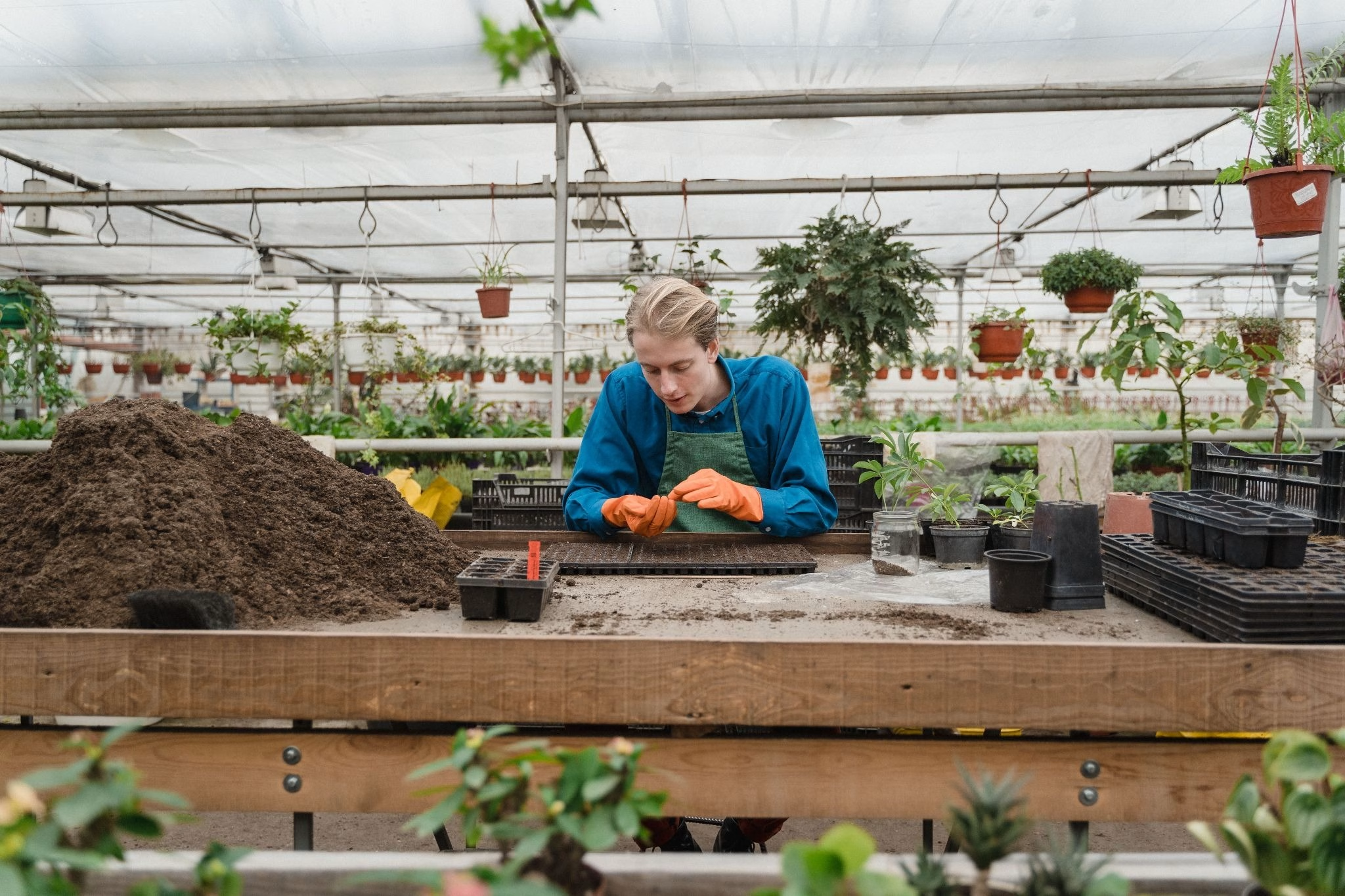
Controlled environments shield delicate plants from freezing temperatures and sudden frost events. Working alongside a dependable high tunnel greenhouse supplier gives growers access to sturdy structures that keep soil warm during cold months. The added insulation helps seeds germinate much faster in early spring than exposed soil ever allows.
Warm-season crops like tomatoes and peppers thrive well beyond their standard harvest windows. Growers gain 4 to 8 extra weeks of production time on both ends of the season.
Complete Protection From Destructive Weather Events
Severe weather events can destroy months of hard work in a single afternoon. Heavy downpours wash away topsoil nutrients, with hail tearing delicate leaves to shreds within minutes. High winds snap thin stems and uproot young plants before roots take hold.
Enclosed structures act as a physical shield against relentless winds and unexpected storms. Root systems remain stable in deep soil without suffering from severe soil erosion or waterlogging. Outdoor crops often struggle against these physical elements without protection.
Excess moisture creates ideal conditions for fungal infections and root rot in open fields. Shielding plants from excessive rain maintains steady, controlled hydration levels. Controlled humidity protects foliage and maintains healthy soil biology.
Defense Against Local Pests And Wildlife
Unwanted pests continuously target outdoor crops, reducing harvest volumes and damaging plant health. Insects, birds, deer, and small rodents quickly consume ripening fruit before growers harvest them. Managing these invaders outdoors requires constant monitoring and repeated intervention.
Physical barriers stop large animals from entering the growing zone without relying on harsh chemicals. Screens and structured walls prevent flying insects from laying eggs directly on vulnerable leaves. Enclosed cultivation dramatically reduces entry points for hungry wildlife.
Maintaining clean indoor spaces simplifies integrated pest management routines. Growers observe several immediate benefits when keeping animals away from their crops:
- Reduced need for chemical sprays on edible fruits
- Less physical damage on leaves and stems
- Higher yields of market-ready produce
Optimal Environmental Control For Better Yields
Managing humidity, ventilation, and temperature creates ideal conditions for continuous plant growth. High tunnels grant growers flexibility to adjust air circulation based on current outdoor temperatures. Temperature swings become much easier to manage inside covered spaces.
A recent article noted that adding a high tunnel to a property greatly extends the growing season by allowing earlier spring planting and later fall harvesting. Controlled environments allow growers to produce more food per square foot. Higher output maximizes space efficiency for small-scale operations.
Consistent thermal levels eliminate the shock plants experience during sudden temperature swings. Thriving crops direct energy into fruit production rather than basic survival. Stable conditions support healthier root development and stronger foliage.
Greater Variety Of Crop Possibilities
Standard garden plots limit plant choices to species that tolerate regional climate extremes. Cold winters or humid summers block growers from cultivating sensitive specialty crops. Climate limitations force outdoor growers into narrow planting schedules.
Enclosed spaces allow gardeners to experiment with non-native fruits, tropical herbs, and exotic flowers. Microclimates created inside the shelter support species that normally fail outdoors. Protective structures create microclimates tailored to specific crop demands.
Growers cultivate high-value produce that demands precise moisture levels and warm soil. Expanding the crop menu opens up new personal cooking choices or fresh market revenue streams. Specialty crops command higher profit margins for market gardeners.

Efficient Resource And Water Management
Water conservation becomes much easier within enclosed cultivation setups. Open fields lose massive amounts of moisture through rapid surface evaporation on sunny days. Overhead watering in open fields wastes substantial water to evaporation.
Drip irrigation systems inside protected spaces deliver moisture directly to plant roots without waste. Internal humidity remains stable, reducing total water consumption significantly. Enclosed spaces trap moisture that would otherwise dissipate into ambient air.
Controlling water distribution improves fertilizer efficiency across all plant beds. Smart water management leads to key operational savings:
- Lower monthly utility costs for crop irrigation
- Targeted nutrient delivery directly to root zones
- Zero runoff pollution into surrounding groundwater
Investing in protected growing space upgrades standard gardening routines into reliable, year-round production systems. The combination of weather protection, pest control, and efficient resource use delivers predictable returns for any grower.
Taking control of the growing environment protects valuable crops while unlocking new cultivation possibilities. Sturdy protective structures represent a smart long-term step toward agricultural independence and continuous harvests.