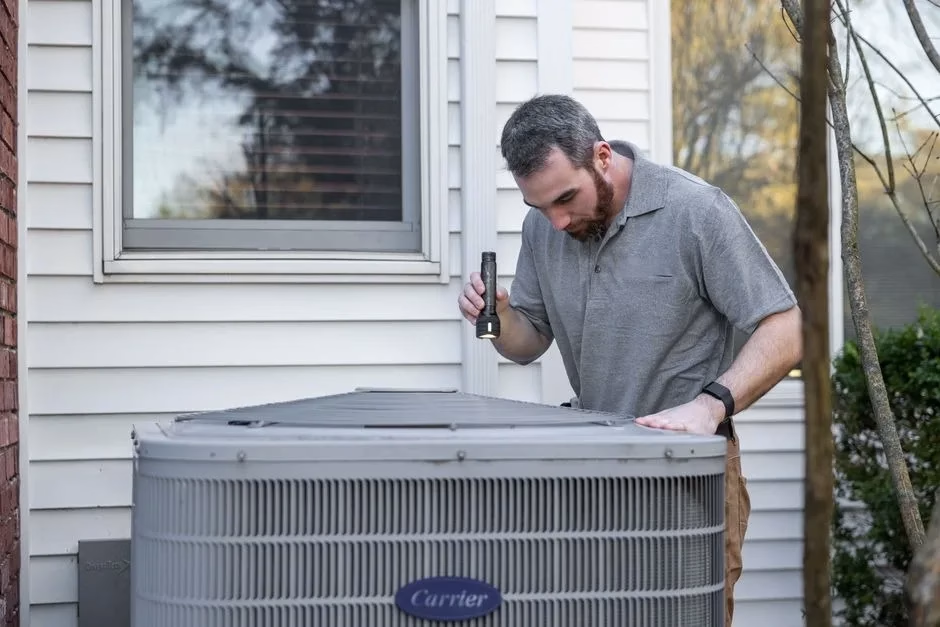
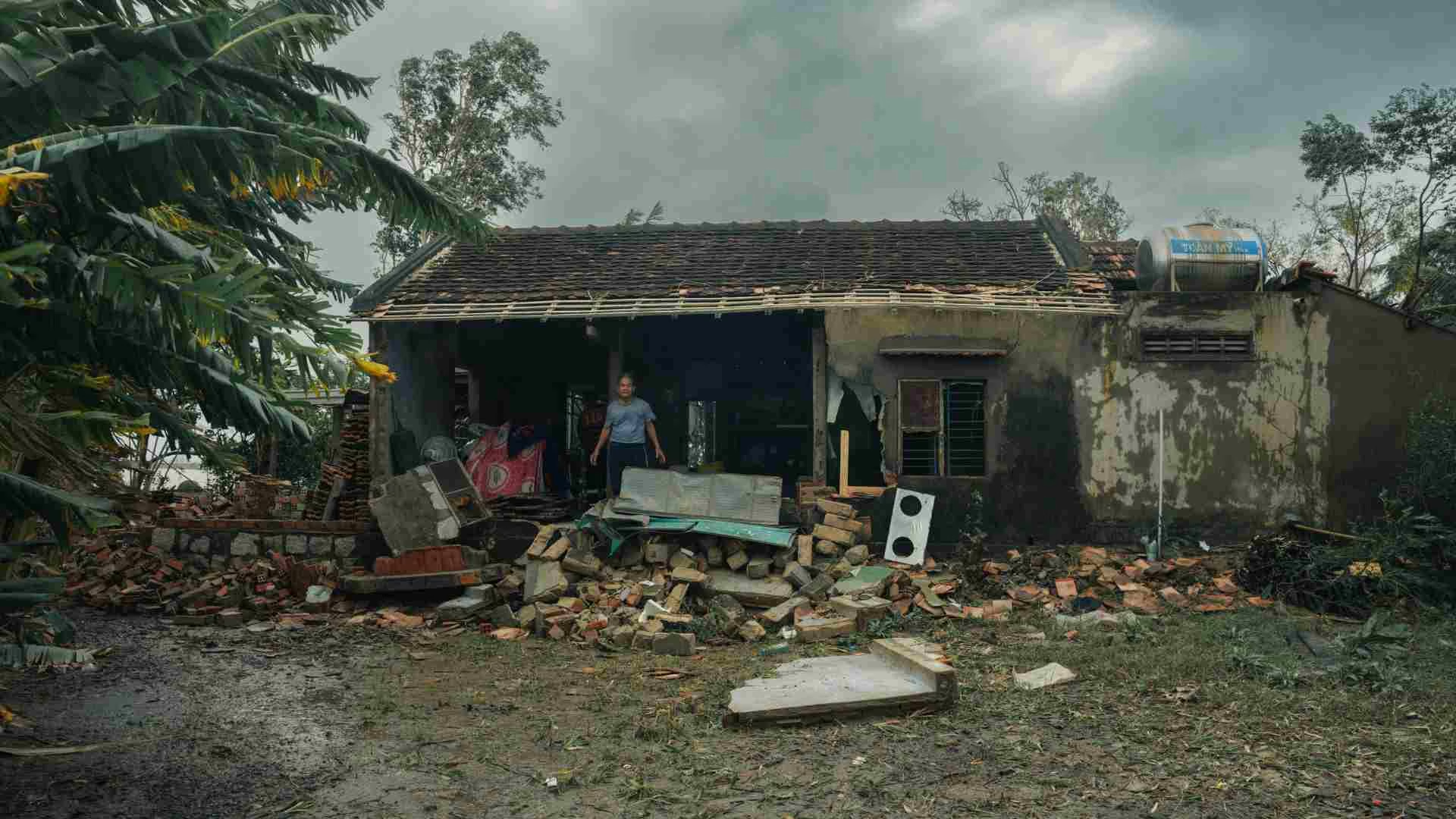
A strong storm can leave behind more damage than you might notice at first. High winds, heavy rain, hail, lightning, and falling branches can affect your roof, walls, windows, and even the inside of your home. After the weather clears, taking a careful look around your property can help you spot problems before they become more serious.
You don’t need to inspect everything at once, but you should know what signs to watch for. Some damage is easy to see, while other problems, like hidden moisture, may take time to appear. Most importantly, don’t put yourself at risk just to check an area that looks unsafe.
1. Check Your Roof for Storm Damage
Your roof takes a lot of abuse during severe weather, so it’s one of the first places you should check. Strong winds can loosen or remove shingles, while hail can leave dents and cracks that aren’t always easy to see from the ground. Look for missing shingles, damaged flashing, exposed roofing materials, or anything that looks out of place.
Look for Missing or Damaged Shingles
Check the roof from the ground for shingles that are missing, lifted, cracked, or curled. You may also notice pieces of roofing material in your yard or around your gutters after a windy storm. Don’t climb onto the roof yourself if it’s damaged, since wet or unstable roofing can be dangerous.
Check for Hail Damage
Hail can leave small dents or bruised areas on shingles, gutters, vents, and other parts of the roof. These marks may look minor, but damaged roofing can allow water to enter your home during the next rainfall. If you’re unsure whether your roof has hail damage, having it checked by a professional is often the safest choice.
2. Look for Water Damage Inside Your Home
Heavy rain can find its way inside through a damaged roof, broken window, loose siding, or other opening. Once water gets inside, it can damage drywall, ceilings, flooring, insulation, furniture, and personal belongings. Even a small leak should be taken seriously because hidden moisture can create bigger problems later.
Check Ceilings and Walls
Look for brown or yellow stains, bubbling paint, peeling surfaces, or damp spots on your ceilings and walls. A ceiling that feels soft or begins to sag may also indicate that water has collected above it. If you notice these signs, try to find the source without entering an unsafe area and address the problem as soon as possible.
Inspect the Attic and Other Hidden Areas
If it’s safe to do so, check the attic for wet insulation, damp wood, water stains, or a musty smell. Moisture can remain hidden behind walls or above ceilings even when the visible area looks fine. A professional inspection can help locate moisture that may not be obvious during a quick walk-through.
3. Inspect Windows, Doors, and Exterior Walls
Windows and doors can take a beating when strong winds send branches or other debris toward your home. Look for cracked glass, damaged screens, broken frames, loose doors, and gaps around openings. You should also inspect siding and exterior walls for cracks, holes, or sections that have become loose.
Check Gutters and Downspouts
Gutters can become bent, detached, or clogged with leaves and storm debris. Downspouts may also become disconnected, causing rainwater to collect near your home’s foundation. Clearing debris and checking that water is draining away from the house can help prevent additional water damage.
4. Look for Fallen Trees and Structural Damage
Trees and large branches can cause major damage when they’re knocked down by high winds or heavy rain. Check your yard, roof, fences, garage, deck, and other outdoor structures for signs of impact. If a tree is leaning or a structure looks unstable, stay away and let a qualified professional handle the situation.
Check Your Foundation and Basement
Heavy rainfall can lead to standing water, flooding, and water seepage around your foundation. Look for wet floors, damp walls, cracks, unusual odors, or water collecting in your basement or crawl space. Don’t enter a flooded area if there could be an electrical hazard, and get professional help when you’re not sure it’s safe.
5. Watch for Electrical and Utility Damage
Storms can knock down power lines, damage outdoor wiring, and affect electrical equipment around your property. Never touch a downed power line or damaged electrical component, even if you think the power is off. Instead, keep people away from the area and contact your utility provider or a qualified professional.
Don’t Forget Outdoor Areas
Your garage, shed, deck, fence, patio, and outdoor equipment can also suffer storm damage. Look for broken panels, loose materials, damaged doors, and objects that have been moved or thrown by strong winds. These areas are easy to overlook, but damage there can become worse if it’s left exposed to more rain.
What Should I Do If I Find Storm Damage?
If you find damage after a storm, start by documenting what you see with clear photos and videos. Take pictures from different angles and keep records of damaged belongings, repairs, and any other related expenses. This information may be useful when you contact your insurance company or a restoration professional.
Next, focus on preventing further damage without putting yourself in danger. Move belongings away from leaking areas when it’s safe, but don’t climb onto a damaged roof or enter an unstable structure. If your home has significant water intrusion, flooding, structural damage, or other serious problems, contact a qualified storm damage restoration professional.
When Should I Get a Professional Storm Damage Inspection?
Not all storm damage is obvious, and some problems can remain hidden until they cause more noticeable issues. A professional can look for damage to roofing, moisture behind walls, structural concerns, and other problems that may be difficult to identify on your own. Getting an inspection early can help you deal with problems before they lead to more expensive repairs.
Stay Safe During Your Inspection
Your safety should always come before checking your property after a storm. Stay away from downed power lines, flooded areas with possible electrical hazards, unstable trees, and severely damaged structures. Honestly, if something doesn’t look safe, don’t take the risk just to get a closer look.
Conclusion
After a storm, check your roof, gutters, windows, doors, siding, ceilings, attic, basement, foundation, and outdoor structures. Look for missing materials, cracks, leaks, standing water, stains, loose components, and anything that seems different from before the storm. When damage is serious or you’re unsure what you’re seeing, getting professional help can protect your home and prevent a small problem from turning into a much bigger one.