Most homeowners only think about their plumbing when something goes visibly wrong — a dripping faucet, a running toilet, or a backed-up drain. But some of the most damaging plumbing problems never make a sound. They hide behind walls, beneath floors, and under slab foundations, quietly causing structural damage, fueling mold growth, and driving up water bills for months before anyone notices.
According to the EPA, roughly 10% of homes in the United States have leaks wasting about 90 gallons of water per day. Many of those leaks are completely hidden from view.
In this guide, we walk through the early warning signs of hidden plumbing problems that homeowners should never ignore. We cover how to spot them, what causes them, how to do a basic check yourself, and when it’s time to bring in a professional. Whether your home is decades old or relatively new, knowing these signs can save you thousands of dollars in repairs — and protect the health and safety of everyone inside.
What Makes Hidden Plumbing Problems So Dangerous

Hidden plumbing problems are uniquely destructive precisely because they operate out of sight. Unlike a burst pipe that demands immediate attention, a slow leak inside a wall cavity or beneath a slab foundation can persist for weeks — sometimes months — before any visible evidence appears. By the time a homeowner notices a stain on the ceiling or a soft spot in the floor, the damage has often already spread far beyond the original source.
Water is patient and relentless. It follows the path of least resistance, seeping into wood framing, drywall, insulation, and subflooring. Over time, that constant moisture exposure weakens structural materials, creates ideal conditions for mold colonies, and can even compromise a home’s foundation. What begins as a pinhole leak in a supply line can eventually lead to rot, mold remediation costs, and in severe cases, partial structural failure.
Why Hidden Leaks Go Unnoticed for Months
The design of modern homes practically guarantees that most plumbing runs through spaces no one ever sees. Supply lines travel through wall cavities. Drain pipes run beneath floors. In slab-on-grade construction, water lines are buried directly under the concrete foundation. There is simply no way to visually monitor these areas during daily life.
Gradual leaks compound this problem. A pipe that loses a small but steady stream of water does not trigger an alarm. The moisture gets absorbed by surrounding materials, evaporates partially into the air, or drains slowly away — all while quietly degrading everything it touches. Homeowners often attribute early warning signs like a musty smell or a slightly higher water bill to other causes, delaying investigation until the damage becomes undeniable.
The Real Cost of Delayed Detection
The financial consequences of a late-discovered hidden leak can be staggering. Mold remediation alone — which involves removing contaminated drywall, treating framing, and restoring affected areas — can run into thousands of dollars depending on how far the growth has spread. Foundation repairs, particularly those involving slab leaks, are among the most expensive plumbing-related repairs a homeowner can face.
Then there is the ongoing cost of water waste. The EPA’s estimate of 90 gallons per day lost to household leaks represents not just a utility expense but a significant environmental impact. At that rate, a hidden leak running for three months wastes more than 8,000 gallons of water — all while the homeowner has no idea it is happening. Early detection is not just about protecting your home; it is about catching a problem while it is still manageable and affordable to fix.
The Most Telling Signs of Hidden Plumbing Problems in Your Home
Knowing what to look for is the first step toward catching a hidden plumbing problem before it becomes a crisis. These warning signs are not always dramatic. In fact, the most important ones are often subtle enough to dismiss — until you understand what they actually mean.
Unexplained Spikes in Your Water Bill
One of the clearest early indicators of a hidden leak is a water bill that rises without any corresponding change in household habits. If your usage has stayed consistent but your monthly charges have climbed steadily over several billing cycles, water is likely escaping somewhere it should not be.
The most reliable way to investigate is through your water meter. Turn off every fixture, appliance, and irrigation system in the home, then watch the meter for movement. If the dial or digital display continues to change with everything off, water is actively flowing somewhere in your system — and that means a leak.
Common culprits include running toilets (which can waste hundreds of gallons per day silently), pinhole leaks in supply lines behind walls, and underground leaks between the meter and the house. Comparing your current bill against the same month in prior years can help you identify whether the increase is gradual or sudden, which often points toward different types of problems.
Mold, Mildew, and Persistent Musty Odors
Mold does not need a lot of water to take hold. A slow, consistent drip from a loose pipe fitting or a compromised supply line connection is enough to keep drywall and wood framing damp enough for mold colonies to establish and spread. The result is often a persistent musty odor that seems to come from nowhere specific — a bathroom wall, a closet adjacent to the kitchen, or a corner of the basement.
What makes this sign particularly important is that mold behind walls is not just a structural concern. Mold exposure can trigger allergic reactions, worsen asthma, and cause other respiratory issues, especially in children and older adults. If you notice a musty smell that keeps returning after cleaning, or if mold keeps reappearing in the same spot despite treatment, the underlying moisture source has almost certainly not been addressed.
Other related signs include peeling paint near plumbing walls, warped or swollen baseboards, and bubbling drywall — all of which indicate that moisture has been present long enough to affect the surface materials.
Discolored Walls, Ceilings, and Bubbling Paint
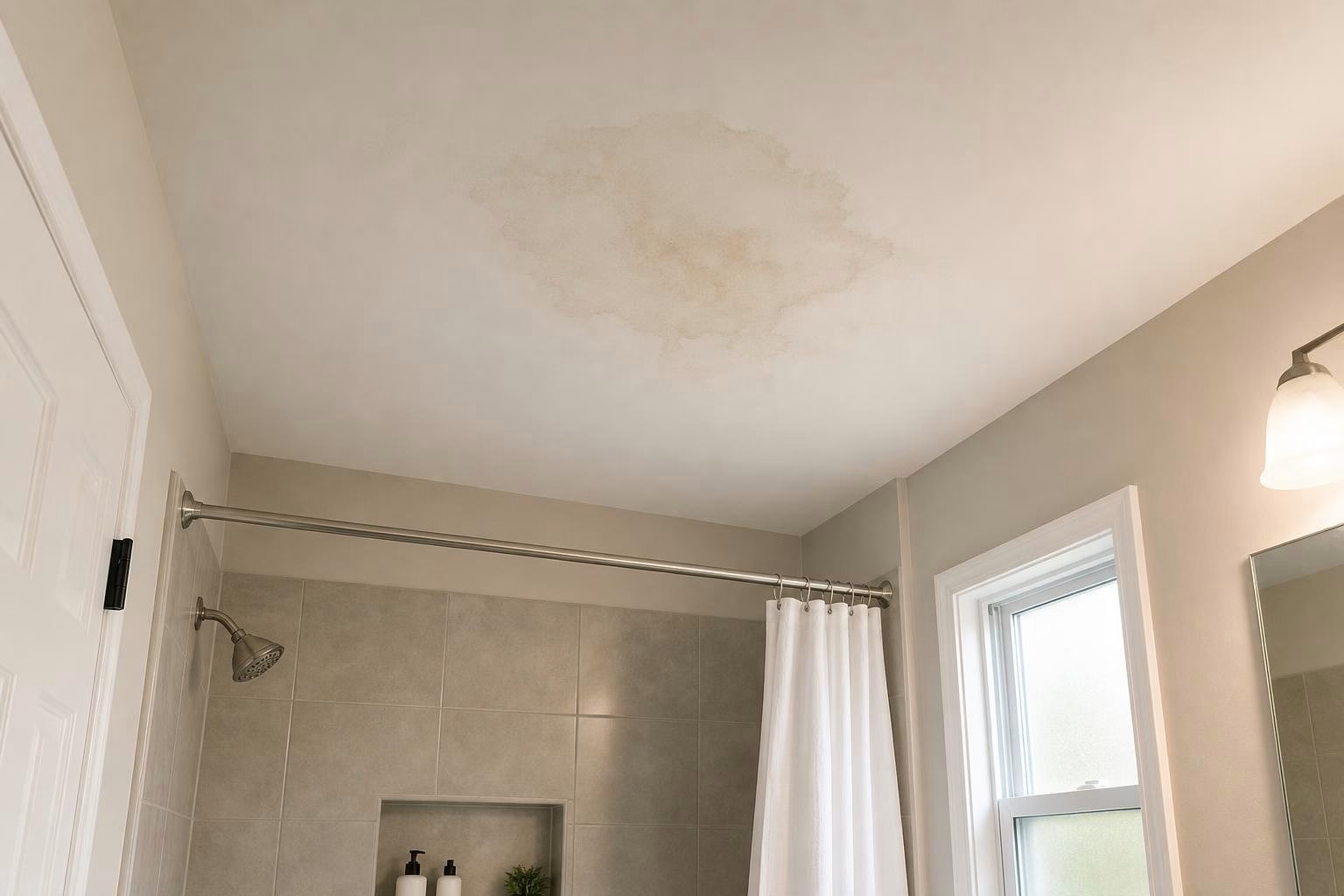
Yellow or brown stains on a ceiling or wall are a classic indicator of water intrusion from above or behind. These stains form when water seeps through drywall, carrying minerals and organic material that leave a visible ring as the moisture dries and re-wets repeatedly. The stain itself is often just the edge of a much larger affected area.
Bubbling or blistering paint is another red flag. When water accumulates behind a painted surface, it breaks the bond between the paint and the substrate, creating bubbles or lifting sections of paint away from the wall. This is particularly common near bathrooms, kitchens, and anywhere supply lines run through exterior or interior walls.
If you notice these signs, resist the temptation to simply repaint over them. The cosmetic fix will not last, and more importantly, it will not address the source of the moisture. A discolored ceiling directly below a bathroom or a kitchen is especially worth investigating promptly, as supply lines in those areas are under constant pressure and can cause significant damage quickly if they fail.
Low Water Pressure Across Multiple Fixtures
A drop in water pressure at a single faucet usually points to a localized issue — a clogged aerator, a partially closed valve, or a fixture-specific problem. But when water pressure drops noticeably across multiple fixtures throughout the home, the cause is almost always deeper in the system.
Widespread low pressure can indicate pipe corrosion that has narrowed the interior diameter of supply lines over time, sediment buildup inside older pipes, or an active leak that is diverting water before it reaches your fixtures. In homes with aging galvanized steel pipes, corrosion is a particularly common culprit — the rust and mineral deposits that accumulate inside the pipe walls gradually restrict flow until pressure becomes noticeably weak.
If you are experiencing low pressure in multiple locations and cannot identify an obvious cause, it is worth having a professional evaluate the condition of your supply lines. The issue may be repairable, or it may indicate that the pipes have reached the end of their service life.
How Your Home’s Age and Location Affect Hidden Leak Risk
Not all homes carry the same risk for hidden plumbing problems. The age of the structure, the materials used during original construction, the type of foundation, and even local environmental conditions all influence how likely hidden leaks are to develop — and how quickly they can cause damage.
Older Homes and Aging Pipe Materials
Homes built before 1960 were commonly plumbed with galvanized steel supply lines. Galvanized pipe corrodes from the inside out over decades, developing rust deposits that restrict flow, discolor water, and eventually create pinhole leaks or full pipe failures. Because this corrosion happens internally, the pipe can look intact from the outside while being severely compromised inside.
Cast iron drain lines, also common in older construction, face similar issues. Root intrusion, corrosion, and joint failures in cast iron sewer laterals can cause slow drains, recurring backups, and in some cases, sewage leaks beneath the home. Copper pipe, while more durable, is not immune either — pinhole leaks in copper lines are a known issue, particularly in areas with aggressive water chemistry or where pipes have experienced physical stress over time.
For homeowners in older properties, the question is often not whether the pipes will eventually need attention, but when. A camera inspection of drain lines and a pressure test of supply lines can give a clear picture of where things stand before a failure occurs.
Slab Foundations and High Water Tables
Homes built on slab-on-grade foundations present a specific hidden leak risk. When a supply line or drain pipe beneath the concrete slab develops a leak, the water has nowhere to go — it saturates the soil beneath the foundation, sometimes finding its way up through the slab or migrating laterally until it surfaces somewhere unexpected.
Common signs of a slab leak include a warm spot on the floor (indicating a hot water line leak beneath the concrete), the sound of running water when no fixtures are in use, unexplained wet areas on flooring, or a sudden spike in the water bill. In areas with a high water table, the situation is compounded — water from a slab leak can mix with groundwater, making it harder to identify the source and allowing moisture to spread more rapidly through the foundation.
Electronic leak detection equipment allows plumbers to pinpoint the location of a slab leak without demolishing large sections of flooring, which makes early detection especially valuable in these situations.
Salt Air, Hard Water, and Local Conditions
Geographic and environmental factors play a meaningful role in how quickly plumbing components wear out. Homes near saltwater — along coastal bays, barrier islands, or tidal waterways — experience accelerated corrosion on exposed pipe, fittings, and fixtures due to salt air. This is particularly relevant for outdoor plumbing, hose bibs, and any supply lines that run through unconditioned spaces near the exterior of the home.
Hard water is another regional factor worth understanding. In areas like Pinellas County, water hardness typically runs between 8 and 11 grains per gallon. At those levels, mineral scale accumulates inside water heaters, on fixture components, and along the interior walls of pipes — gradually reducing efficiency and increasing the likelihood of leaks at joints and fittings.
Homeowners dealing with these regional conditions — whether coastal corrosion, hard water scale, or aging pipe materials — can find useful context in resources from local plumbing professionals familiar with the specific challenges of their area. For example, Flow Pros Plumbing details the common plumbing issues specific to St. Petersburg’s coastal neighborhoods, including how salt air, slab-on-grade construction, and pre-1960 pipe materials interact to create the hidden leak patterns they encounter most frequently in that region.
How to Check for Hidden Plumbing Leaks Yourself
Before calling a professional, there are several practical checks a homeowner can perform to determine whether a hidden leak is likely. These steps will not locate the exact source of a leak, but they can confirm whether water is escaping somewhere in the system and help you communicate more clearly with a plumber when you do call.
The Water Meter Test
The water meter test is the most reliable DIY method for confirming an active hidden leak. Here is how to do it:
- Turn off every faucet, appliance, toilet, and irrigation zone in and around the home.
- Locate your water meter — typically near the street or at the property line.
- Note the current reading or observe the leak indicator dial (a small triangle or star on most meters).
- Wait 15 to 30 minutes without using any water.
- Check the meter again.
If the reading has changed or the indicator dial has moved, water is flowing somewhere in your system with everything turned off. That is a strong confirmation of a hidden leak and a clear signal to investigate further.
Visual Inspection Checklist
A thorough walk-through of your home can reveal physical evidence of hidden moisture. Work through the following areas systematically:
- Under every sink — Look for moisture, rust stains, discoloration on supply lines, or soft cabinet flooring.
- Around toilets and tubs — Check for soft flooring, discoloration at the base, or any visible staining on the ceiling below a second-floor bathroom.
- Near the water heater — Look for pooling water, rust at connections, or mineral deposits on the floor.
- Exposed pipes in basements or crawl spaces — Check for discoloration, corrosion, or any visible moisture at joints and unions.
- Exterior walls and ceilings — Look for stains, bubbling paint, or soft drywall, particularly near plumbing walls.
- The yard — Unusually wet or lush patches of grass that do not correspond to irrigation patterns can indicate an underground line leak.
- Flooring throughout the home — Soft spots, warping, or areas where flooring feels spongy underfoot can indicate moisture beneath the surface.
Listening for Unusual Sounds
Sound can be a surprisingly useful tool for detecting hidden leaks. In a quiet environment — ideally late at night when the house is still — listen carefully near walls where plumbing runs. A faint hissing sound often indicates water escaping from a pressurized line. A steady dripping sound behind a wall or under a floor points to a slow leak. The sound of running water when no fixtures are in use is one of the clearest auditory indicators of a hidden plumbing problem.
If you hear something suspicious, note the location and share it with a plumber. Even an approximate area can significantly narrow the search during a professional inspection.
When to Call a Professional for Leak Detection
DIY checks are a useful starting point, but they have clear limitations. Confirming that a leak exists is very different from locating it precisely enough to repair it without causing unnecessary damage to walls, floors, or the foundation. That is where professional leak detection becomes essential.
Professional Leak Detection Methods
Licensed plumbers use a range of specialized tools to locate hidden leaks without tearing apart a home. Electronic leak detection equipment uses acoustic sensors to identify the sound signature of water escaping under pressure, even through concrete slabs or inside wall cavities. Thermal imaging cameras can detect temperature differences caused by water moving through or pooling in unexpected areas. Video camera inspection — where a small camera is fed through drain lines — allows plumbers to see the interior condition of pipes directly, identifying cracks, root intrusion, and corrosion without excavation.
These methods allow a skilled technician to pinpoint the source of a leak with precision, which means repairs can be targeted and contained rather than requiring large-scale demolition. In the case of slab leaks, this distinction is particularly important — electronic detection can identify the exact location of a leak under a concrete foundation, allowing for a targeted repair or a strategic reroute rather than breaking up the entire slab.
Signs That Go Beyond DIY
Some warning signs indicate that the situation has moved beyond what a homeowner can safely assess or address independently. If you are experiencing any of the following, it is time to contact a licensed plumber promptly:
- Sewage odors inside the home — This can indicate a cracked vent line or a compromised drain trap, both of which require professional diagnosis and repair.
- Multiple warning signs appearing simultaneously — A combination of rising water bills, low pressure, musty odors, and visible staining suggests a more significant system-wide problem.
- Warm spots on the floor — This is a classic slab leak indicator and requires electronic detection to locate accurately.
- Recurring mold in the same location — If mold keeps returning after remediation, the moisture source has not been addressed.
- Sounds of running water with no fixtures in use — Particularly if the meter test confirms active flow.
- Any situation where you suspect a burst pipe or major leak — This is a plumbing emergency requiring immediate 24/7 service.
Frequently Asked Questions About Signs of Hidden Plumbing Problems
What are the earliest signs of hidden plumbing problems I should never ignore?
The earliest and most actionable signs are a water bill that rises without explanation, a musty or mildew odor that persists in a specific area, and any discoloration or staining on walls or ceilings near plumbing. These signs often appear weeks or months before visible water damage, which means catching them early gives you the best opportunity to address the problem while it is still manageable. A water meter test that shows movement with all fixtures off is also a reliable early indicator that should never be dismissed.
How do I know if I have a slab leak versus a pipe leak inside a wall?
The location and nature of the symptoms usually point in one direction or the other. Slab leaks typically produce warm spots on the floor, the sound of running water coming from beneath the floor rather than from a wall, and water bill increases without any visible wall or ceiling staining. Wall leaks, by contrast, tend to produce visible staining, bubbling paint, or soft drywall in a specific area. That said, both types of leaks can produce similar symptoms — particularly rising water bills and low pressure — and the only reliable way to distinguish between them definitively is through professional electronic detection or camera inspection.
How quickly can a hidden plumbing leak cause serious damage?
The timeline depends on the size of the leak and the materials it is affecting, but damage can begin within days. Mold can begin to develop on wet drywall and wood framing within 24 to 48 hours of sustained moisture exposure. Structural weakening of wood components can occur within weeks of continuous water contact. At the EPA’s estimate of 90 gallons per day for a significant leak, the water waste accumulates rapidly — and the longer the leak continues, the more extensive and expensive the resulting damage becomes. Acting on early warning signs rather than waiting for visible proof is always the more cost-effective approach.
Conclusion
Hidden plumbing problems are not inevitable disasters — they are manageable situations when caught early. The warning signs are there if you know what to look for: an unexplained water bill increase, a persistent musty smell, staining on walls or ceilings, low pressure across multiple fixtures, or a water meter that keeps moving when everything is turned off. Each of these signals is your home’s way of telling you that something is wrong before the damage becomes severe.
Taking a few minutes to perform a water meter test, walk through your home with fresh eyes, and listen for unusual sounds can make the difference between a straightforward repair and a major restoration project. And when the signs point to something beyond what you can assess yourself — particularly slab leaks, sewage odors, or multiple warning signs appearing together — bringing in a licensed professional with the right detection equipment is the most reliable path to a safe, lasting solution.
The most expensive plumbing repairs are almost always the ones that could have been caught earlier. Staying informed and attentive to what your home is telling you is the most effective protection you have.