How Interior Design Impacts Mental Health: What Science Says About the Spaces We Live In

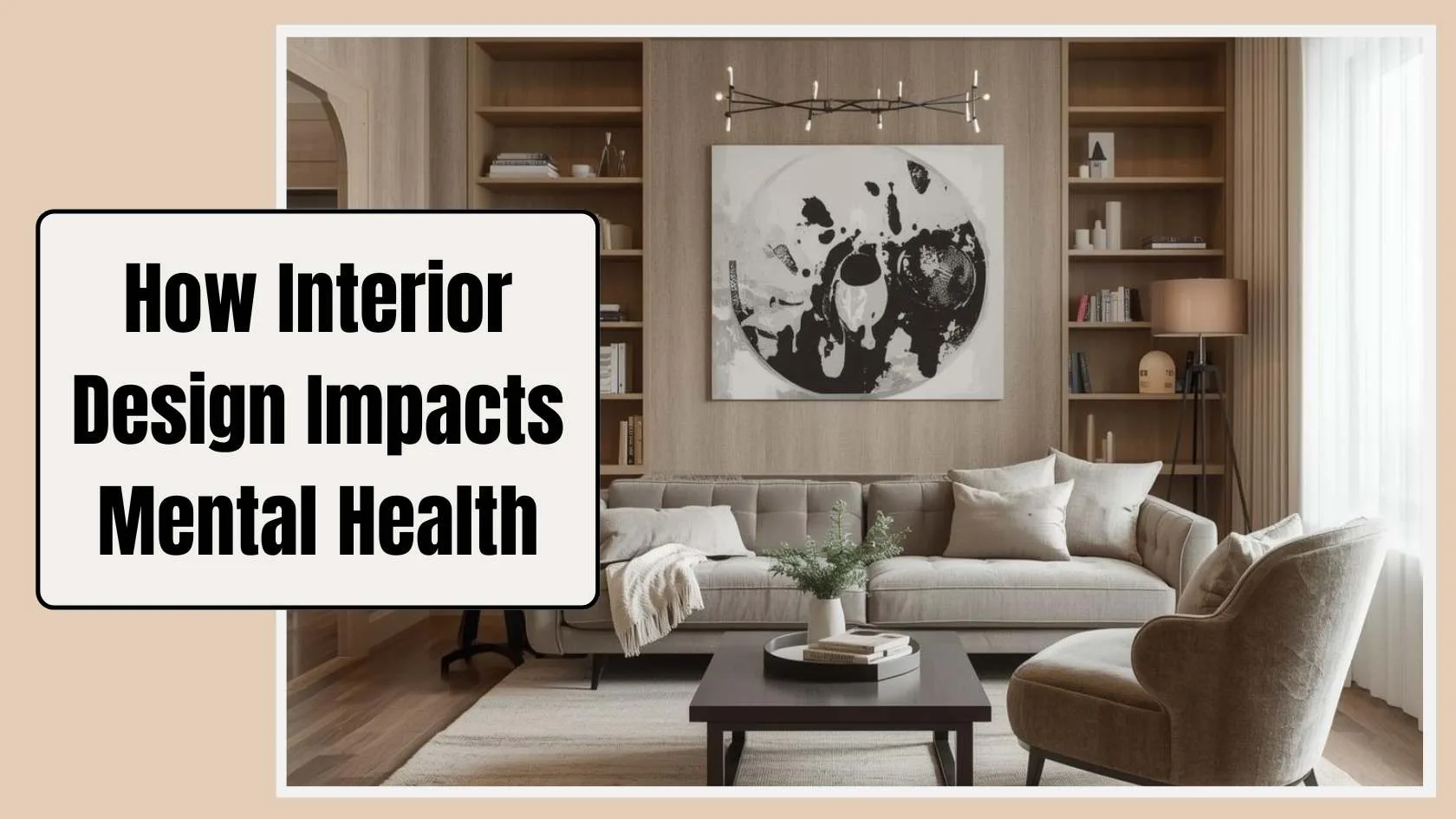
Most of us instinctively know that some rooms feel good and others don’t. You walk into a sunlit café and your shoulders drop. You step into a cramped, cluttered waiting room and your jaw tightens. These aren’t random reactions, they’re the result of a deeply wired human sensitivity to our physical environment. Understanding how interior design impacts mental health is one of the most practical tools you have for improving your day-to-day well-being.
This isn’t interior design as a luxury or a style statement. It’s interior design as a form of intentional living one that researchers in environmental psychology, neuroscience, and architecture have been studying for decades.
The Psychology Behind Space and the Human Mind
Our nervous systems haven’t caught up with modern indoor living. For hundreds of thousands of years, humans lived outdoors, and our brains still process interior spaces through ancient instincts reading light, space, texture, and greenery as signals of safety or threat. Today, most people in developed countries spend over 90% of their time indoors, yet those instincts remain fully active.
When your environment conflicts with them, too dark, too cramped, too chaotic, your body registers a low-grade stress response, even when nothing is consciously wrong. This is the foundation of environmental psychology: the built environment is not a neutral backdrop to human experience. It is an active participant in it. Researchers have demonstrated that rooms can measurably change your heart rate, cortisol levels, focus, and emotional regulation.
How interior design impacts mental health is most visible here at the intersection of ancient biology and modern living spaces. Interior design, at its best, is the deliberate shaping of an environment to support human health, focus, and calm.
10 Key Ways Interior Design Impacts Mental Health
Drawing together the research and the principles above, these are the ten most significant design factors in the relationship between your environment and your psychological well-being:
1. Color on Your Walls Quietly Shapes Your Emotions
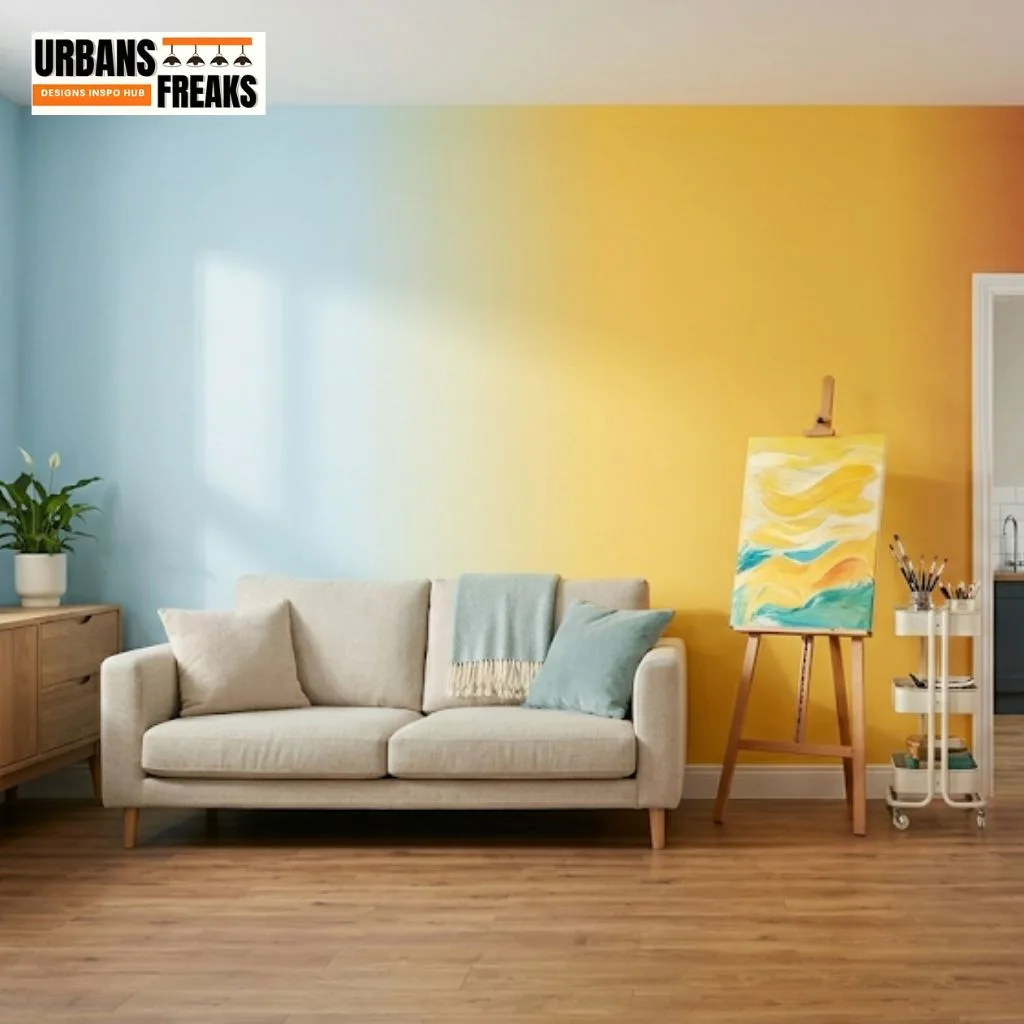
The color of a room influences your physiological state before you’ve consciously registered it. Your brain reads dominant hues and adjusts mood accordingly, making intentional color choices one of the simplest mental health upgrades available.
- Soft blues and greens lower blood pressure and reduce anxiety
- Warm yellows and terracottas boost energy and optimism
- Deep reds can elevate heart rate and create urgency
- All-white rooms often feel clinical, especially in rest spaces
Match your palette to the emotional purpose of each room. The bedroom, home office, and kitchen all serve different psychological functions. This is one of the clearest examples of how interior design impacts mental health through everyday, invisible cues.
2. Natural Light Is Your Brain’s Best Friend
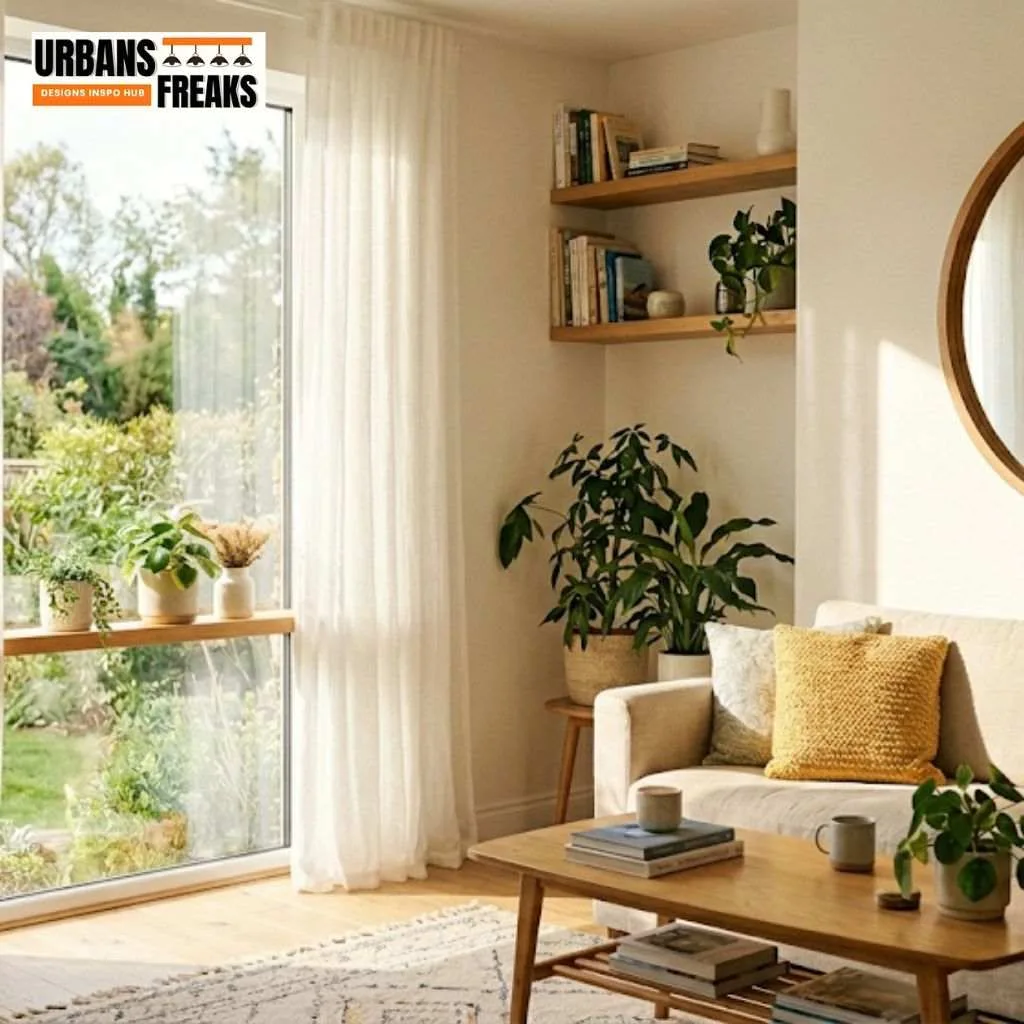
Natural light is the single most consistently documented design factor linked to mental health. Daylight regulates your circadian rhythm, triggers serotonin production, and suppresses melatonin, keeping you alert, stable, and emotionally grounded during the day. A lack of it is directly associated with Seasonal Affective Disorder, disrupted sleep, and reduced cognitive performance.
3. Clutter Is Mentally Exhausting, Not Just Messy
A cluttered space keeps your brain in a constant low-level state of vigilance. Visual noise forces your visual system to continuously scan and process competing stimuli a cognitively draining loop that runs even when you’re not consciously aware of it. A landmark UCLA study found that people who described their homes as cluttered had measurably higher cortisol levels throughout the day.
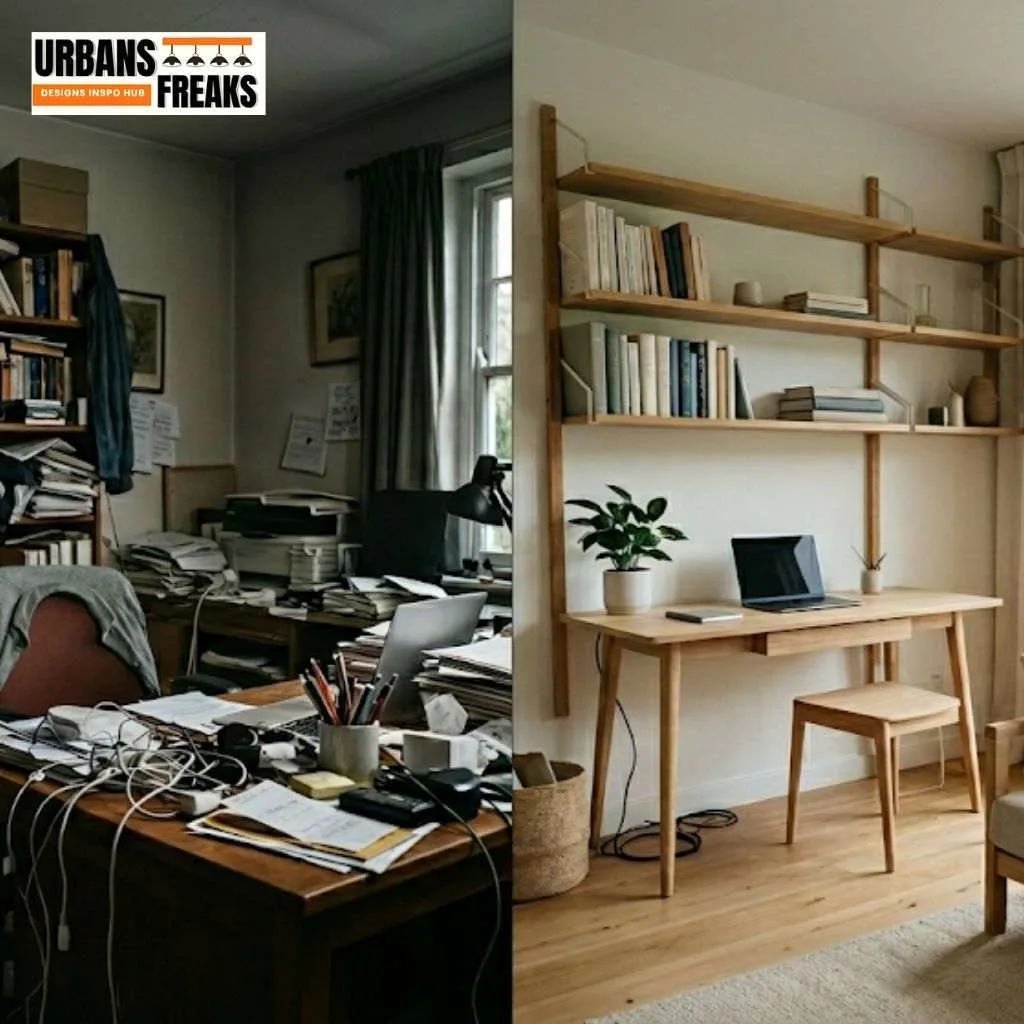
Decluttering and thoughtful storage aren’t just aesthetic choices they’re acts of cognitive relief that actively reduce your brain’s daily stress load. This is a prime example of how interior design impacts mental health in ways we rarely stop to notice.
4. Biophilic Design Brings Instant Calm
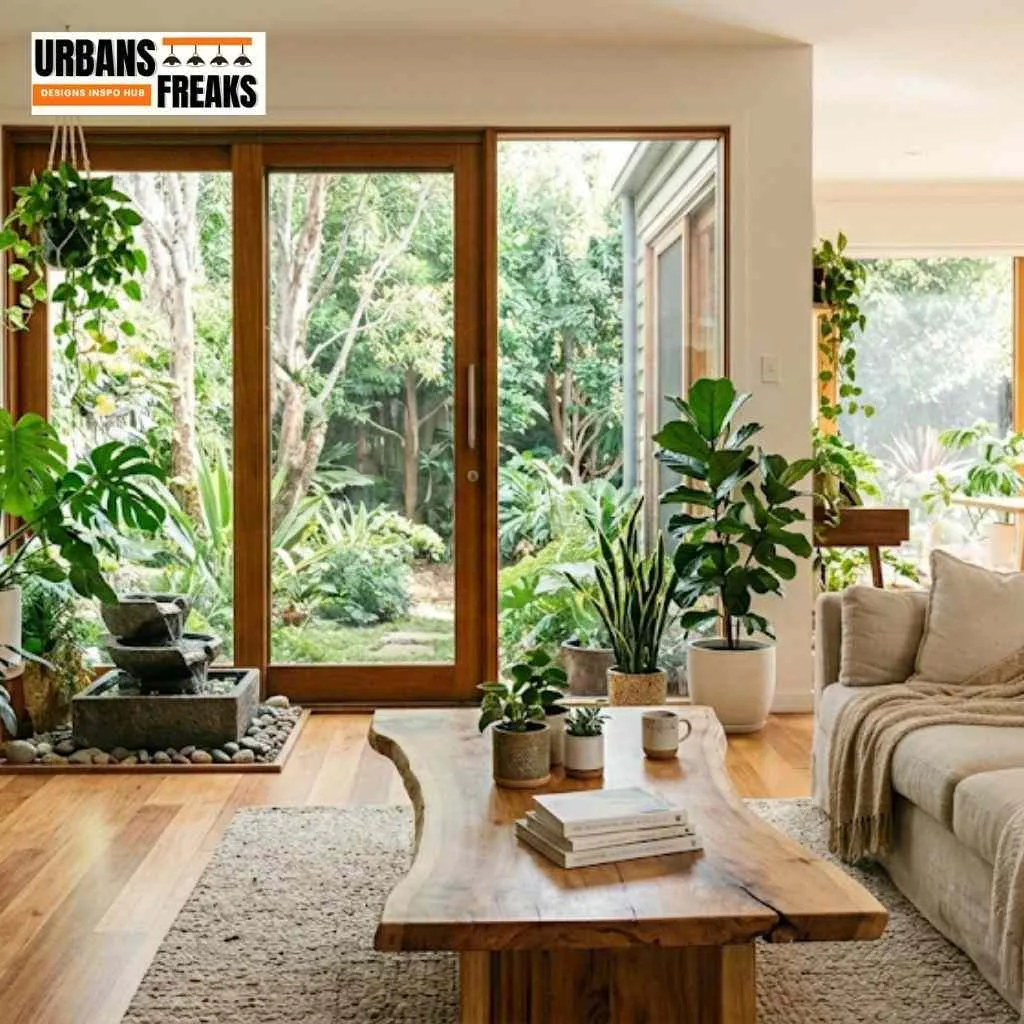
Incorporating natural elements into your interior plants, wood, stone, water, and natural textures is one of the most research-backed ways to reduce cortisol, lower blood pressure, and increase feelings of calm. Humans are biologically wired to feel at ease in nature, and even simplified indoor versions of those cues produce measurable results.
Easy ways to apply biophilic design at home:
- Add houseplants or a vertical garden
- Use natural material finishes wood, stone, rattan, linen
- Introduce nature-inspired patterns in textiles or art
- Maximize views of outdoor greenery where possible
5. Furniture Layout Can Open Your Mind or Box It In
How you arrange a room sends unconscious psychological signals about freedom, safety, and belonging. Open, fluid layouts with clear pathways create feelings of ease and expansiveness, while cramped or obstructed arrangements trigger subtle but persistent stress. Rooms designed for face-to-face conversation are also linked to greater feelings of social connection.
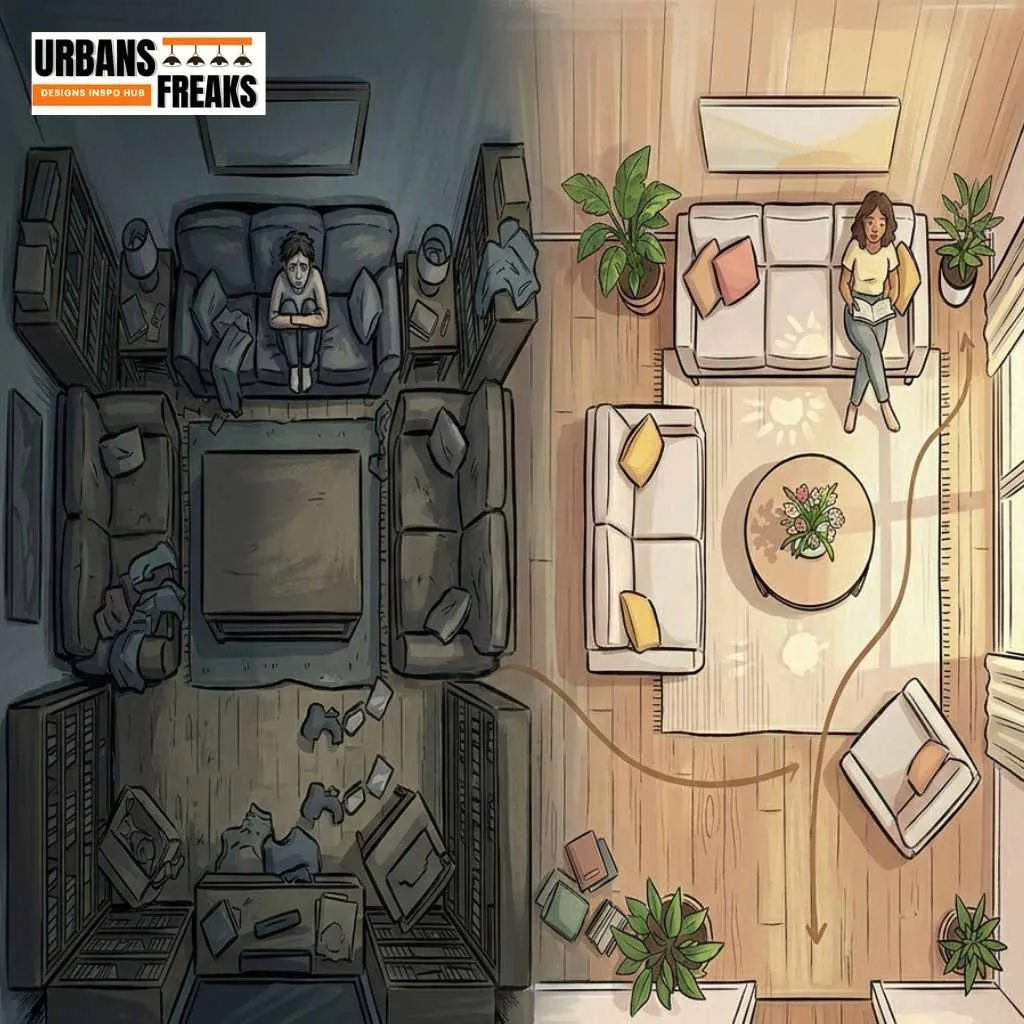
Practical adjustment pulling furniture away from walls, creating natural movement pathways, and positioning seating in relation to light sources can meaningfully shift the psychological feel of a space without spending a thing. Understanding how interior design impacts mental health through spatial arrangement is one of the most cost-effective insights available.
6. Personalization Creates Identity and Belonging
A home that doesn’t reflect its occupant produces a quiet but real sense of disconnection. Displaying meaningful artwork, family photographs, travel souvenirs, or handmade objects creates a continuous ambient sense of identity and belonging both of which are foundational to good mental health.

When your space reflects who you are and what you value, it becomes a genuine sanctuary rather than just a place where you happen to sleep. If you’re looking for real-home inspiration on how others have personalized their spaces, browsing a House Tour can spark ideas that feel authentic to your own story rather than pulled from a catalogue.When your space reflects who you are and what you value, it becomes a genuine sanctuary rather than just a place where you happen to sleep.
7. Acoustics Affect Your Stress More Than You Realize
Noise stress is one of the most pervasive and least acknowledged contributors to chronic anxiety, and interior design directly controls it. Hard surfaces like tile, glass, and bare walls cause sound to amplify and bounce, creating a mentally fatiguing environment over time. Soft furnishings absorb sound and create noticeably quieter, more peaceful spaces.
8. Dedicated Spaces for Rest and Work Protect Your Mental Boundaries
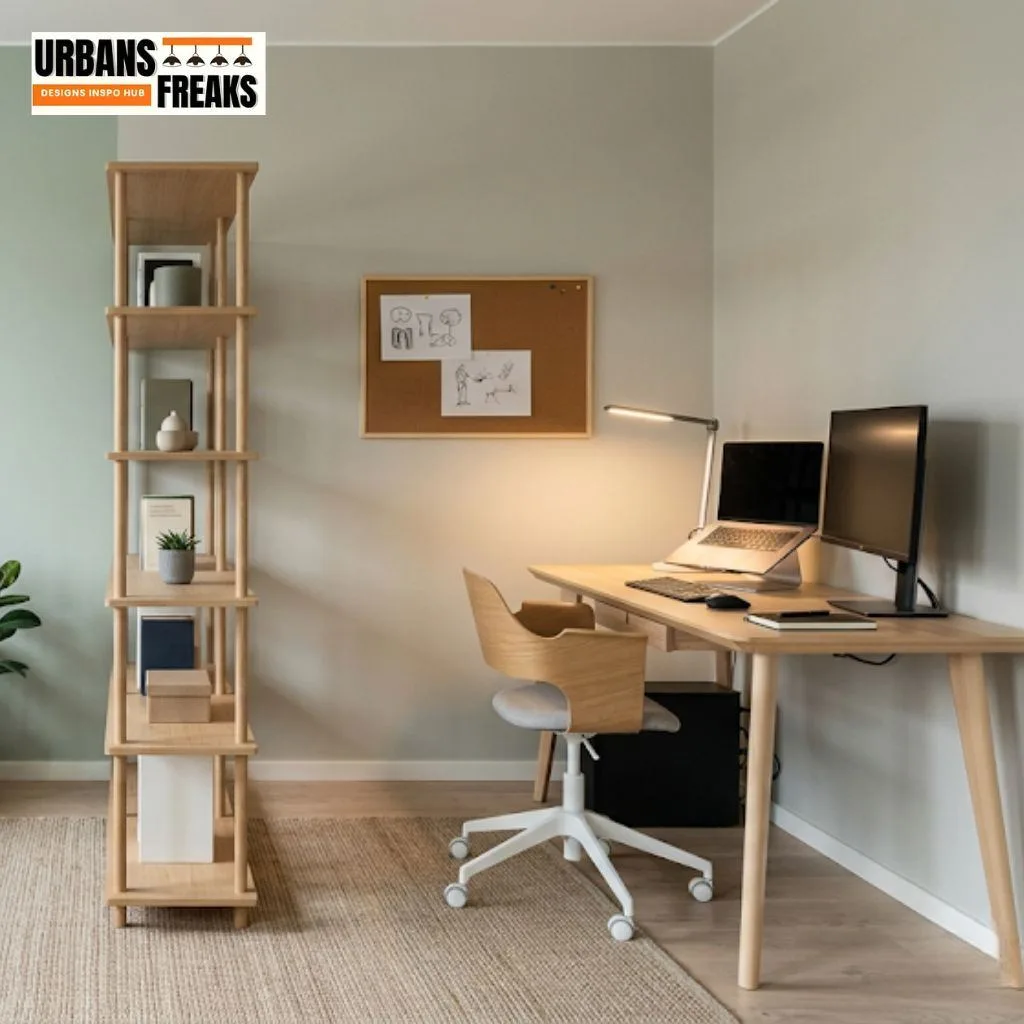
Blurring the spatial boundaries between work and rest is one of the most damaging things the work-from-home era introduced to domestic mental health. When your bedroom is also your office, your brain struggles to switch off at night eroding both sleep quality and work performance over time.
Even in small homes, visual cues are enough to create psychological separation: a dedicated desk lamp, a room divider, a distinct color palette for a work corner, or simply the habit of packing equipment away at the end of each day.
9. Scent, Texture, and Sensory Design Are Underrated Mood Boosters
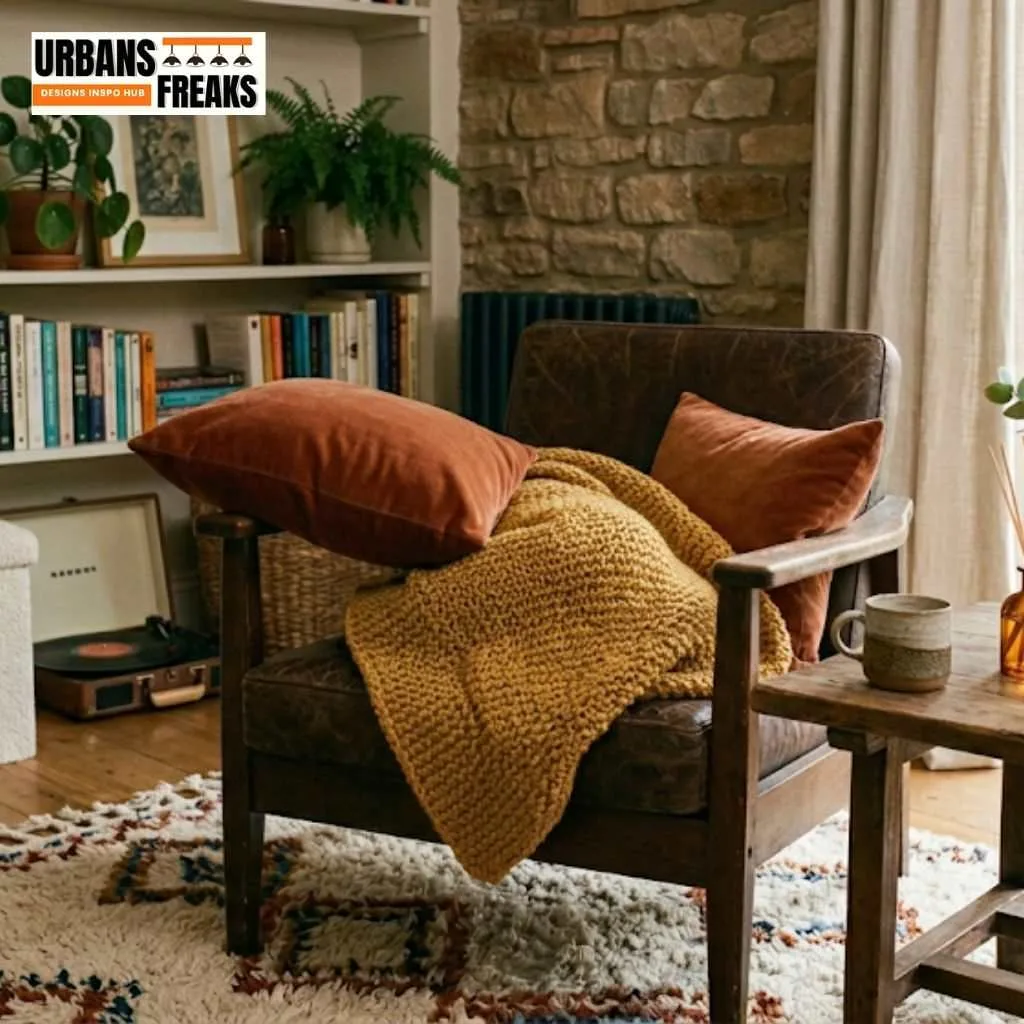
Restorative interior design engages all the senses, not just sight. Tactile comfort soft cushions, warm wooden surfaces, and weighted blankets activate the body’s parasympathetic (calming) nervous system response. Scent works even more directly: the olfactory system has the most immediate pathway to the brain’s emotional center of any sense.
- Lavender reduces anxiety (clinically documented)
- Citrus increases alertness and positive mood
- Eucalyptus supports mental clarity and focus
A space that smells good and feels good to touch isn’t an indulgence, it’s a genuine mental health environment.
10. A Restorative Bedroom Design Can Transform Your Sleep and Emotional Health
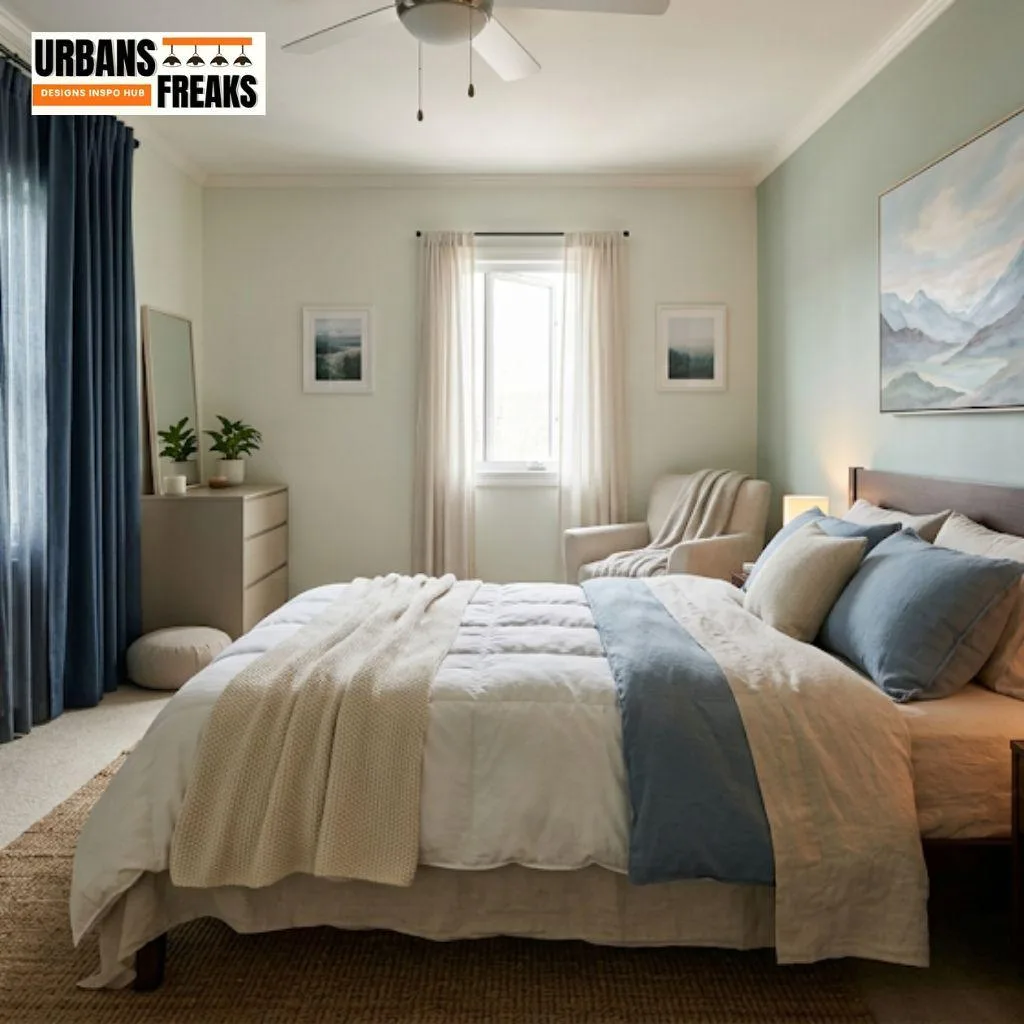
Sleep is the biological foundation of mental health, and your bedroom either supports it or undermines it. Poor sleep increases emotional reactivity, impairs decision-making, heightens anxiety, and is directly linked to depression and mood disorders. Your bedroom’s design is one of the most modifiable variables affecting sleep quality.
Practical Implications: You Don’t Need a Renovation
Many of the most impactful changes are small, low-cost, and immediately achievable. Repositioning your desk to face a window, adding a houseplant, laying down a thick rug, switching to warmer evening lightbulbs, or clearing a single cluttered surface; each of these is a genuine, research-supported mental health intervention.
The broader principle is intentionality. Most of us inherit our living spaces passively, keeping whatever was there and adding things without a clear vision. Asking yourself, “What do I want to feel in this room, and does the design support that?” is the beginning of a genuinely different relationship with your home. It’s also the core of understanding how interior design impacts mental health on a personal, practical level. For more ideas, guides, and design thinking rooted in everyday living, Urbansfreaks.com is a practical resource worth exploring as you begin making those intentional changes.
Final Thoughts
The spaces we inhabit are not passive containers for our lives. They are active, continuous influences on our emotional states, cognitive function, and mental health. How interior design impacts mental health is, at its most meaningful, about understanding how the built environment speaks to the human nervous system and responding with intention.
The question isn’t whether your environment is affecting your mental health. It already is. The only question is whether you’re making it work for you.