Is Interior Design a Good Career? 10 Life Changing Reasons


Have you ever walked into a room and immediately felt at home? Someone designed that feeling. That someone could be you. Interior design is one of those rare careers where creativity meets real purpose. But before you dive in, you deserve honest answers. Is interior design a good career financially? Is the job market strong? What does the work actually look like day to day?
This article covers all of it the opportunities, the salary facts, the challenges, and the 10 core reasons why so many people find this career deeply rewarding.
What Interior Designers Actually Do
Many people think interior design is just about picking colors and furniture. It’s much more than that. Interior designers plan spaces from the ground up. They analyze layouts, choose materials, manage lighting, and coordinate with architects and contractors. They also work within building codes and accessibility standards. Every decision has to be both beautiful and functional.
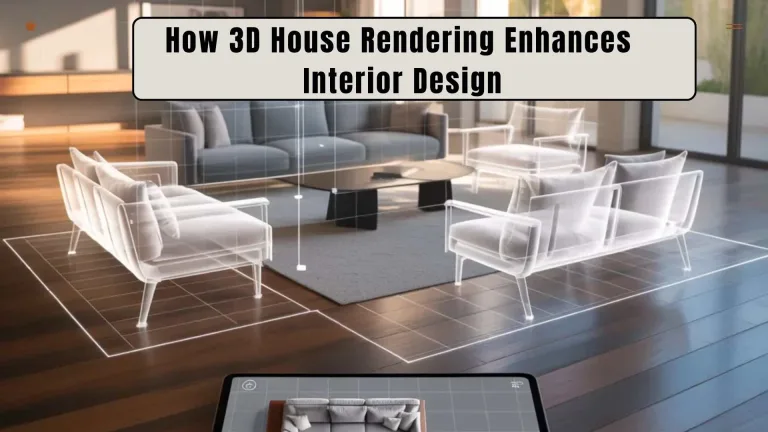
If you’ve ever browsed a house tour and wondered how every corner feels intentional, that’s the result of this kind of disciplined thinking. On the technical side, designers use CAD software, 3D rendering tools, and AI-assisted design platforms. On the human side, they manage client expectations, timelines, and budgets. It’s a career that demands both left-brain logic and right-brain creativity and that balance is exactly what makes it so engaging.
The Industry Is Growing Here’s the Proof
Numbers matter when choosing a career. The interior design industry offers some encouraging ones.
According to the ASID 2025 State of Interior Design Report, around 69,580 interior designers are currently employed in the United States. Another 56,449 are self-employed a 3.4% increase from the previous year. The global interior design market is projected to hit $204 billion by 2031, growing at a 5.83% annual rate. In the U.S. alone, the sector generated $5.3 billion in 2024. Grand View Research projects a 10.3% growth rate between 2025 and 2030.
The demand is coming from everywhere: residential renovations, commercial offices, healthcare facilities, hotels, and retail spaces. Designers who stay current with trends and technology will find plenty of opportunity.
What Can You Earn as an Interior Designer?
Salary is one of the first things people want to know. The range in interior design is wide, but the trajectory is promising.
The U.S. Bureau of Labor Statistics reports a median annual salary of $63,490 for interior designers in 2024. The ASID puts the average slightly higher at $71,430, following strong salary growth in recent years. The top 10% of earners in the field make over $101,860 per year.
Your income also depends on where you work. Designers in architectural and engineering services earn a median of $73,990. Those in specialized design firms earn around $62,710. Freelancers and firm owners aren’t bound by any salary ceiling, especially in luxury, hospitality, or commercial design.
Top-paying states include Oregon, Washington, California, New York, and Colorado. Geography, specialization, and experience all play a major role in what you take home.
10 Reasons Interior Design Is a Rewarding Career
So why do so many designers say they’d choose this career all over again? Here are ten reasons that go beyond the paycheck.
1. You get paid to do what you love

Few careers let you turn a passion into a profession this directly. When your work involves color, space, texture, and human emotion, it rarely feels like a chore. Passion-aligned careers are proven to reduce burnout and increase long-term satisfaction.
2. The job market is expanding

Demand for designers spans residential, commercial, healthcare, and hospitality sectors. Urbanization and the home renovation boom are adding fuel to that growth. Skilled designers are needed now, and that need is not slowing down.
3. Freelancing gives you real freedom

Many designers eventually go independent. You set your own rates. You choose your clients. You control your schedule. It takes time to build up to that point, but the path is clear for those who want it.
4. No two projects are the same

Variety is built into this career. One week, you might be working on a cozy family home. Next, it’s a rooftop restaurant or a corporate showroom. That constant change keeps your skills sharp and your mind engaged.
5. Your income grows with your experience

Interior design rewards expertise. As your portfolio strengthens and your reputation builds, you can charge more. Specializations like luxury design or sustainable interiors push earnings even higher.
6. You build meaningful relationships

Interior designers work with people at important moments, such as a new home, a business launch, or a life upgrade. These aren’t transactional interactions. They’re personal ones. The gratitude you receive when a client sees their finished space is something most office jobs simply can’t offer.
7. Technology is opening new doors

3D rendering, virtual reality walkthroughs, AI design tools, and smart home integration have transformed what’s possible. Designers who embrace these technologies can offer more value, work more efficiently, and attract bigger projects.
8. Specialization helps you stand out

You don’t have to do everything. Focus on what excites you most: sustainable design, healthcare interiors, set design for film, virtual design for remote clients, or high-end residential work. A clear niche builds a stronger reputation and a more loyal client base.
9. The career can take you global

Interior design talent is in demand across the Middle East, Europe, Asia, and beyond. International projects with cross-cultural clients, global sourcing, and different design traditions are a real possibility for established designers.
10. Your work leaves a lasting mark

The spaces you design keep existing long after the project ends. People live in them, work in them, and heal in them. Knowing your creativity made someone’s daily life better, that’s a level of meaning most careers simply don’t offer.
The Challenges You Should Know About
No honest career guide skips the hard parts. Interior design has real challenges, and you should go in with your eyes open.
Client expectations can be difficult to manage. Clients often dream big but budget small. Bridging that gap takes diplomacy and skill. Even small miscommunications can derail a project entirely.
Admin work takes up more time than you’d expect. Contracts, invoices, supplier coordination, and budget tracking are a large part of the job. They don’t always show up in the glamorous version of interior design you see online.
Income can be inconsistent, especially early on. Freelancers in particular face irregular project pipelines. When the economy slows, renovation budgets are often the first to get cut. A financial cushion matters in this field.
Building a client base takes time. New designers often take on lower-paying projects just to build their portfolio. The early stages require patience, networking, and a willingness to prove yourself before you can charge professional rates.
Knowing these challenges upfront doesn’t make interior design a bad career. It makes you a better-prepared one.
Is Interior Design Right for You?
This career suits people who love visual thinking, enjoy working with others, and can handle the business side of creative work. If you’re energized by variety, thrive under pressure, and find meaning in transforming spaces, you’ll likely feel right at home in this field.
Whether you’re just starting out or simply curious about where design trends are heading, Urbansfreaks.com is a great resource to explore real homes, design ideas, and inspiration that keeps you plugged into the industry. It’s less suited to those who prefer rigid routines, solitary environments, or stable monthly salaries from day one.
Final Verdict
Is interior design a good career? For the right person, absolutely yes. It offers creative fulfillment, real earning potential, professional flexibility, and work that genuinely matters. The industry is growing, the tools are getting better, and demand for skilled designers is only increasing.
The path isn’t always easy. But if you’re drawn to this work, the investment pays back in income, in relationships, and in the quiet satisfaction of spaces that make people’s lives better.