Luxury Interior Design: A 7 Simple Guide to Creating a Truly High-End Home

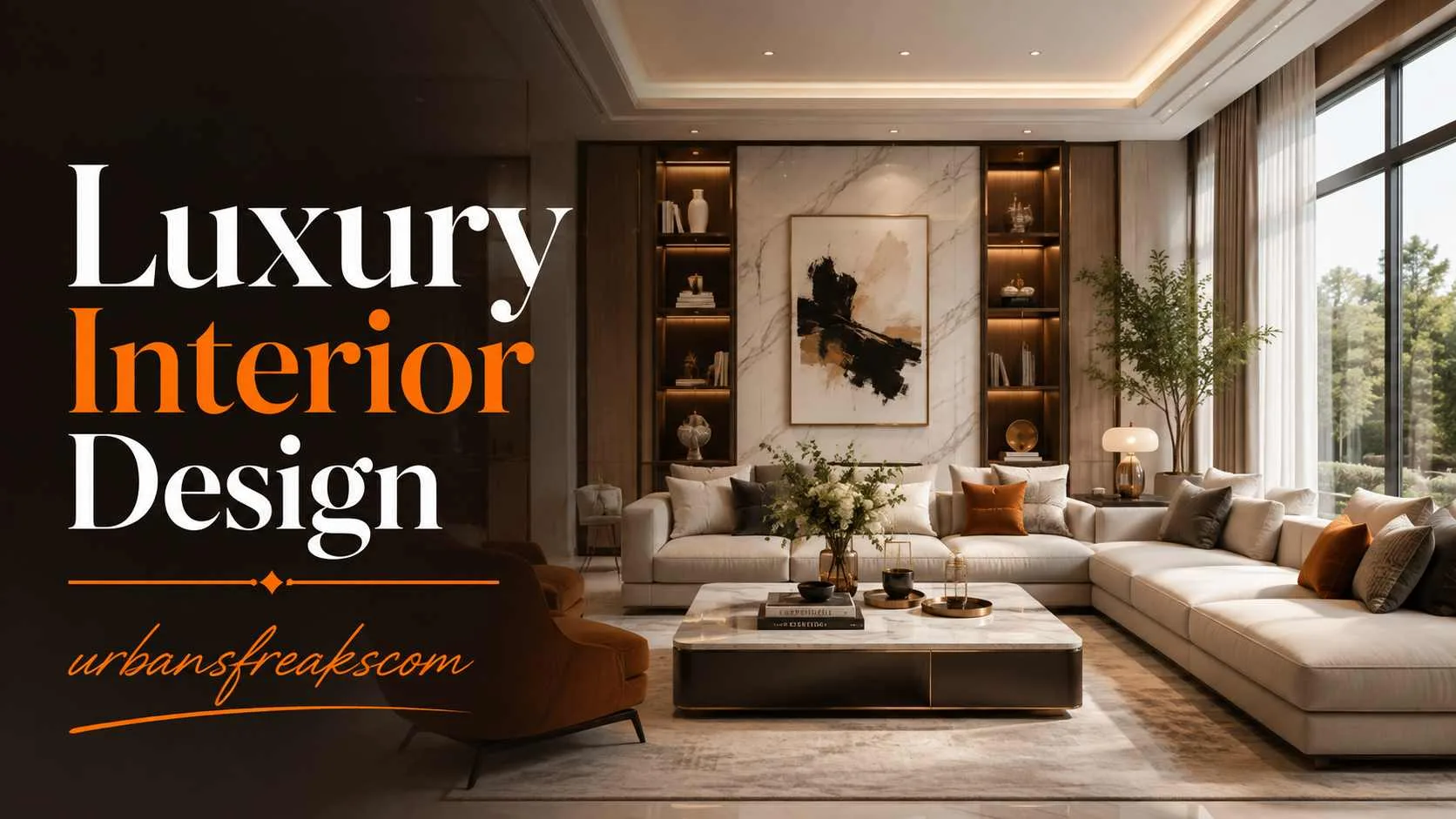
I still remember the first time a client told me, “I don’t want my home to look expensive. I want it to feel expensive.” That one sentence changed how I think about luxury interior design. It’s not about the price tag on a sofa. It’s about how a room makes you feel the moment you walk in.
I’m Todd Lynch, the person behind Urbansfreaks. As an architect, professor, and researcher, I’ve spent years studying how spaces affect health and well-being. But my real love has always been simple: homes that feel calm, personal, and beautifully put together. If you enjoy this kind of thinking, you’ll find more of it over at urbansfreaks, a site I really admire for how it covers design.
What Luxury Interior Design Really Means
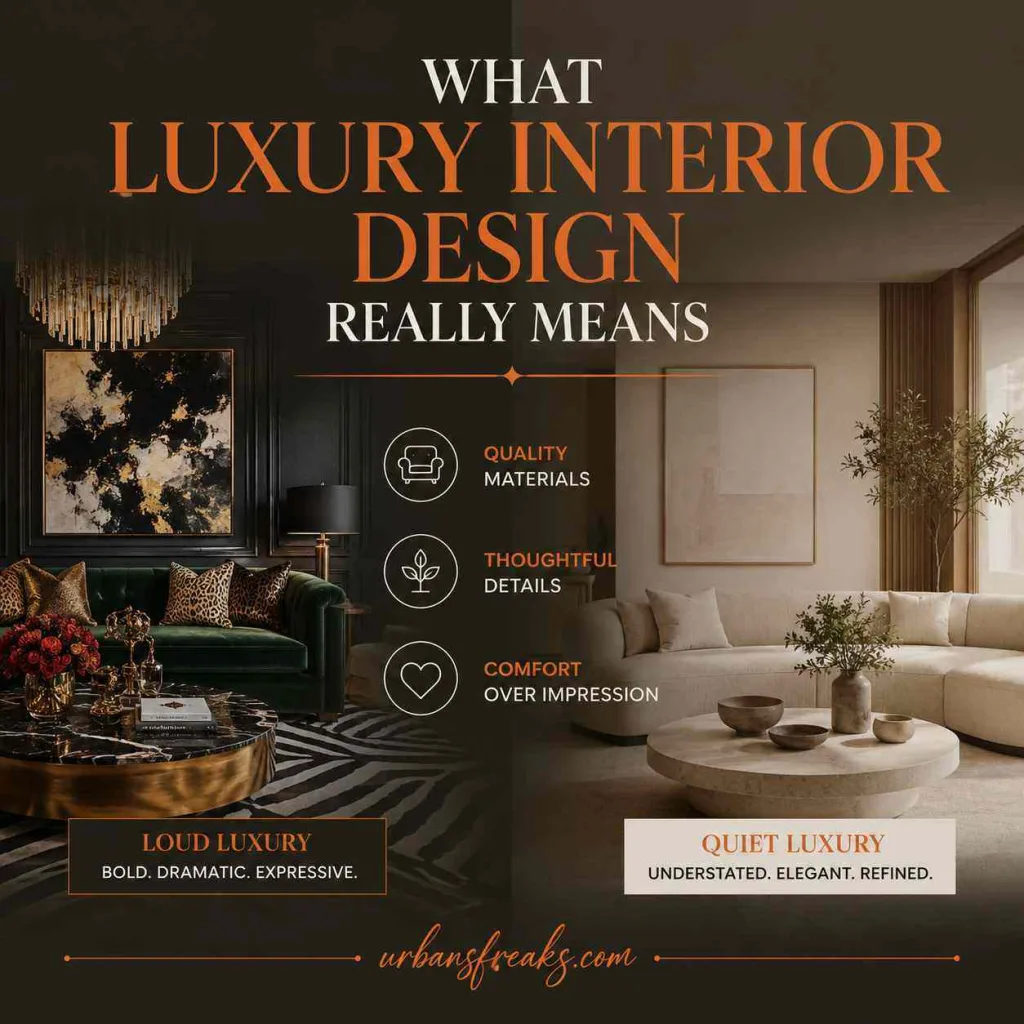
Luxury interior design is a feeling, not a price. It comes from quality materials, thoughtful details, and a space that feels comfortable, not just impressive.
Over the years, I’ve noticed two main directions people take:
- Loud luxury — bold patterns, rich fabrics, and details that grab attention right away.
- Quiet luxury — understated elegance, built on craftsmanship and quality rather than show.
Neither one is more “correct” than the other. What matters is that every choice in the room feels intentional. A space feels luxurious when nothing looks accidental — from the flooring to the door handles.
Key Elements That Define a Luxurious Space
A few core elements show up in almost every high-end home I’ve worked on. Get these right, and the rest becomes much easier.
| Element | Why It Matters |
|---|---|
| Quality materials | Natural stone, solid wood, and real metal finishes age well and feel substantial |
| Layered lighting | A mix of ambient, task, and accent lighting adds depth and warmth |
| Custom furniture | Pieces built for the space, not just placed in it |
| Texture | Velvet, linen, and leather add richness without adding clutter |
| Symmetry and balance | Rooms feel calmer when elements are visually balanced |
Materials Worth Investing In
If you only upgrade one thing in a room, start with materials. They carry the room even when the furniture is simple.
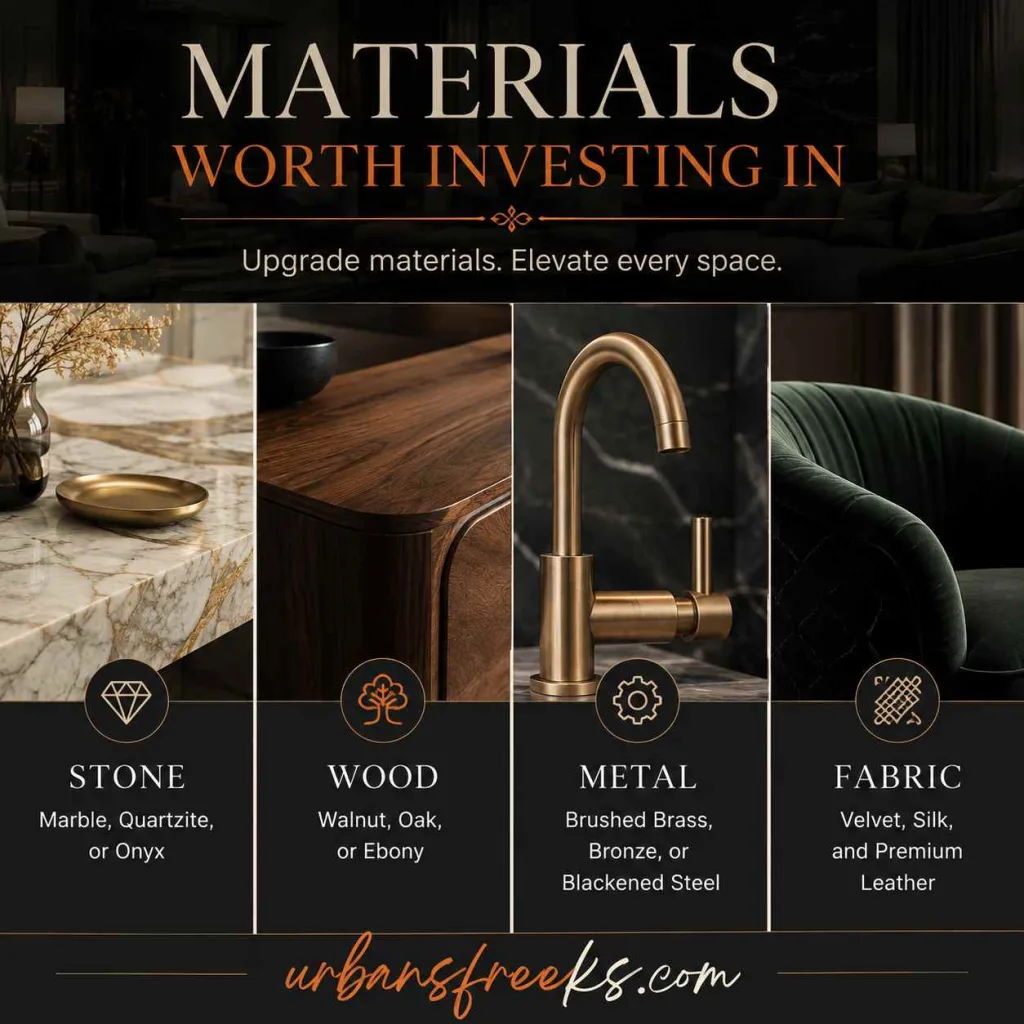
- Stone: marble, quartzite, or onyx for countertops and accents
- Wood: walnut, oak, or ebony with a natural finish
- Metal: brushed brass, bronze, or blackened steel for hardware and fixtures
- Fabric: velvet, silk, and premium leather for seating and drapery
Lighting Sets the Mood
Lighting is often the most overlooked part of luxury interior design. A room with beautiful furniture but flat, harsh lighting will never feel high-end.
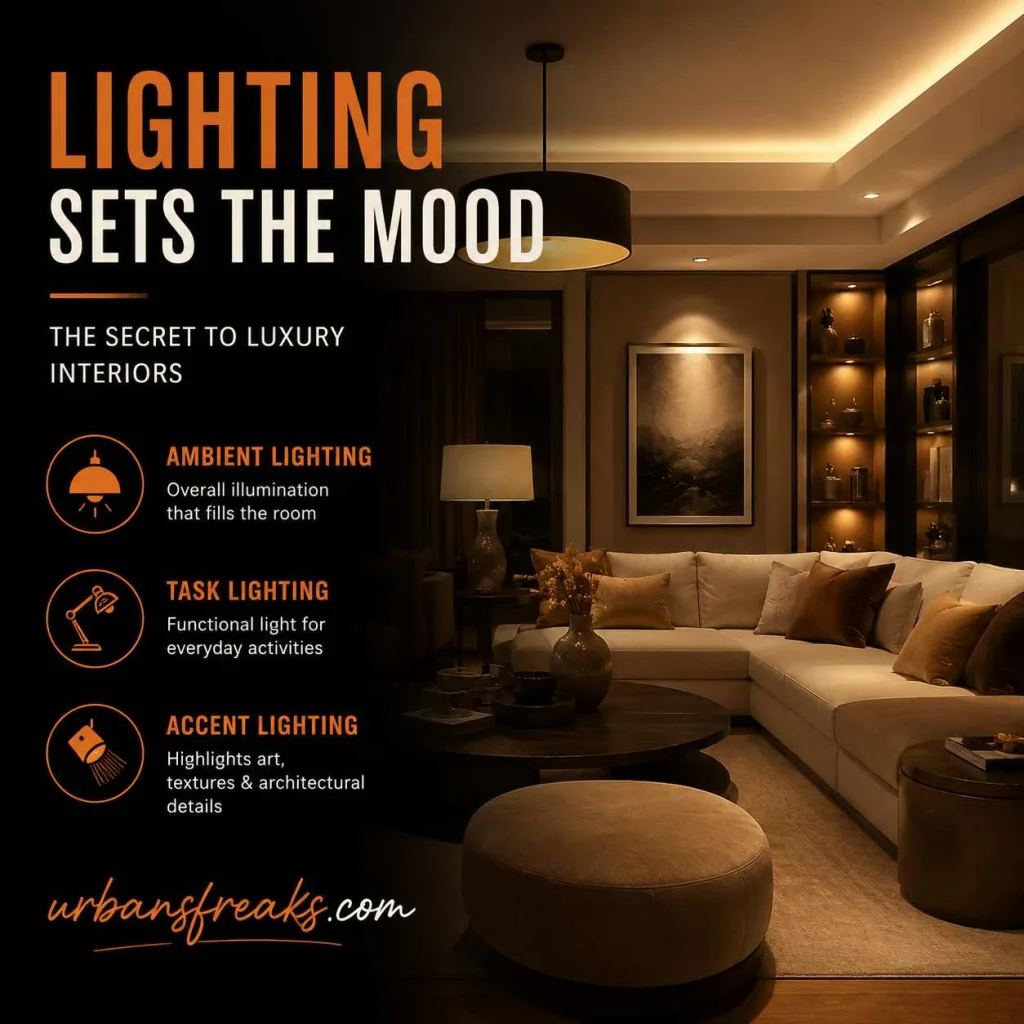
I always recommend layering three types of light: a main ambient source, task lighting for specific areas like reading corners or kitchen counters, and accent lighting to highlight art or architectural details. Warm-toned bulbs, rather than cool white ones, make a huge difference in how “expensive” a space feels.
Choosing a Color Palette
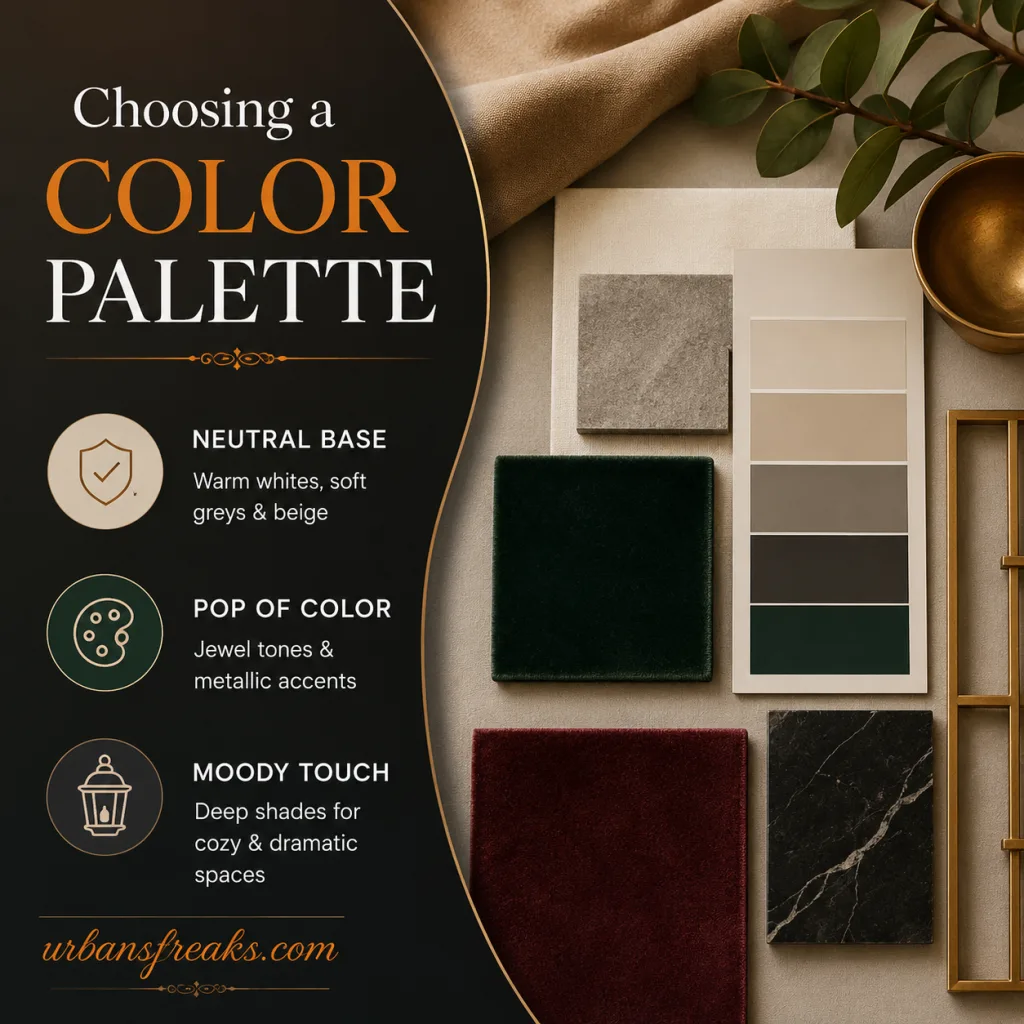
Neutral tones form the base of most luxury interiors. Think warm whites, soft greys, and beige. These shades give a room a clean, timeless look and let materials and textures do the talking.
From there, small pops of color or metallic accents — gold, brass, or deep jewel tones — add personality without overwhelming the space. Dark, moody colors like charcoal or deep green can also work beautifully in smaller doses, especially in bedrooms or studies where you want a cozier, more dramatic feel.
Bringing Luxury Into Every Room
Luxury interior design isn’t limited to the living room. Every space in your home can carry the same sense of quality and intention.
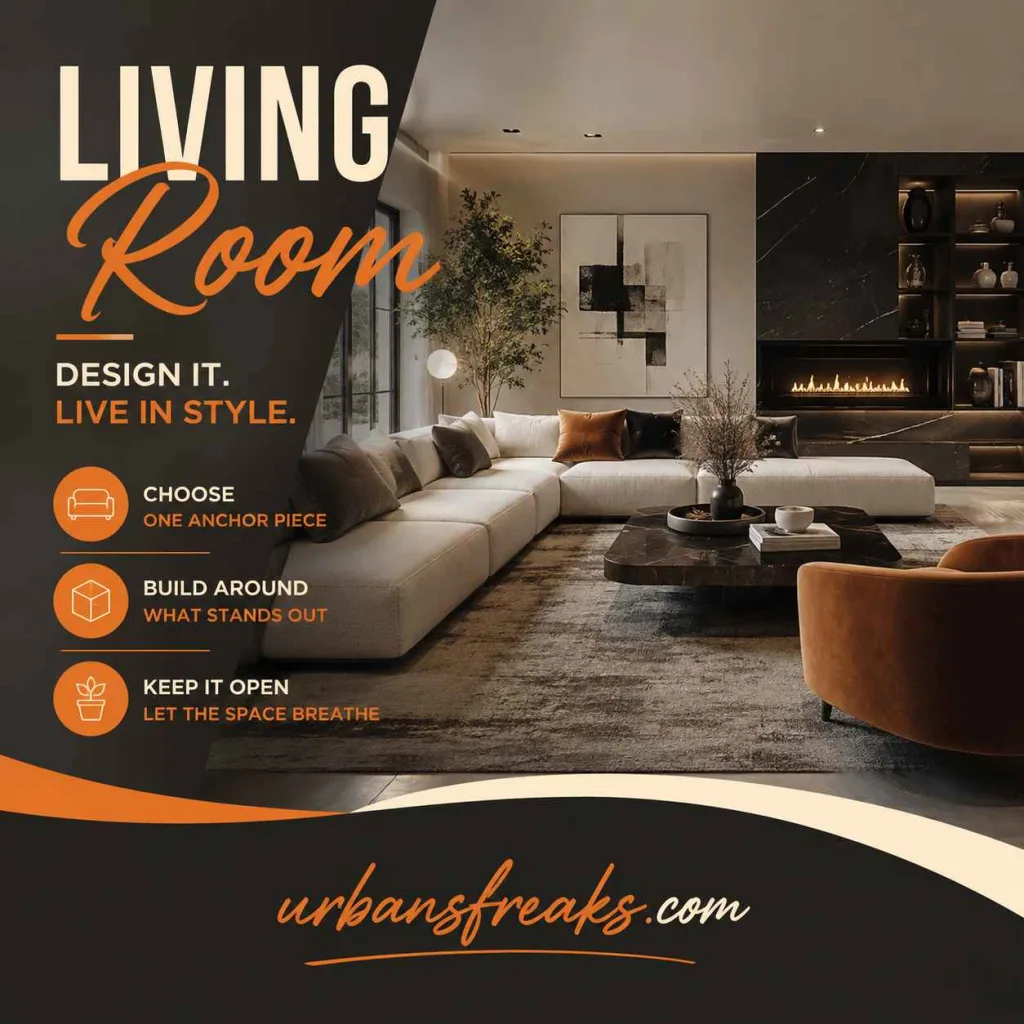
Living Room
Start with one anchor piece — a sofa or a statement coffee table — and build the rest of the room around it. Leave enough space for the room to breathe; overcrowding is the fastest way to lose that high-end feel.
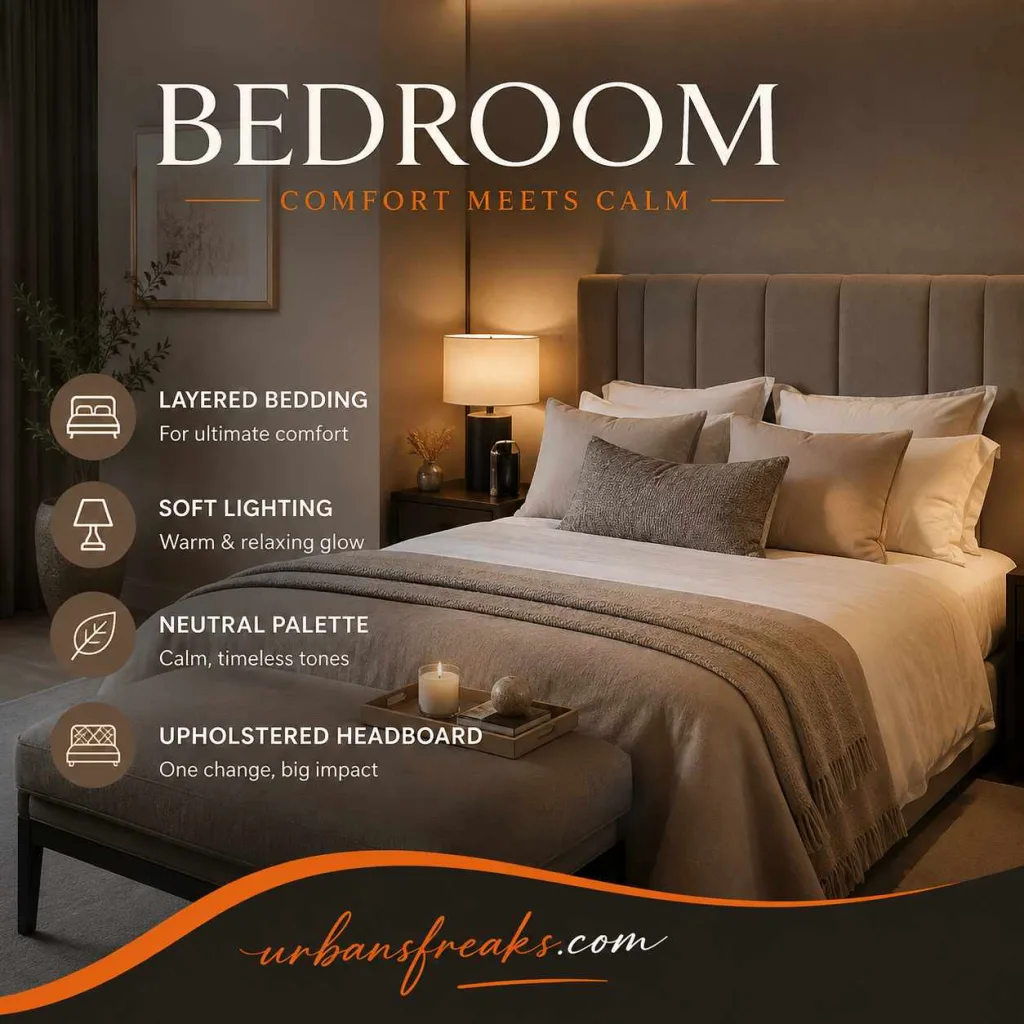
Bedroom
Focus on comfort first. Layered bedding, soft lighting, and a neutral palette create a calm, hotel-like atmosphere. A single upholstered headboard can transform the whole room.
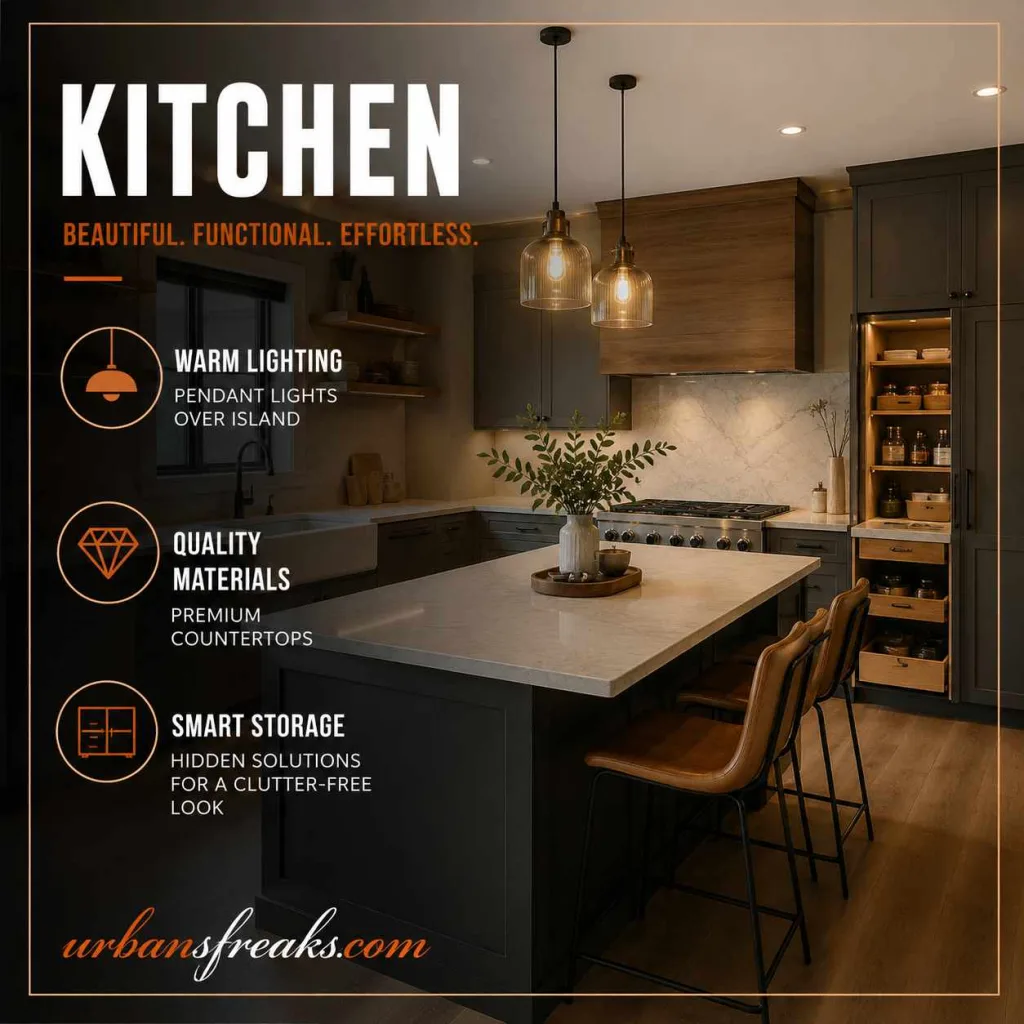
Kitchen
Prioritize function alongside beauty. Warm pendant lighting over an island, quality countertops, and hidden storage keep the space both practical and refined.
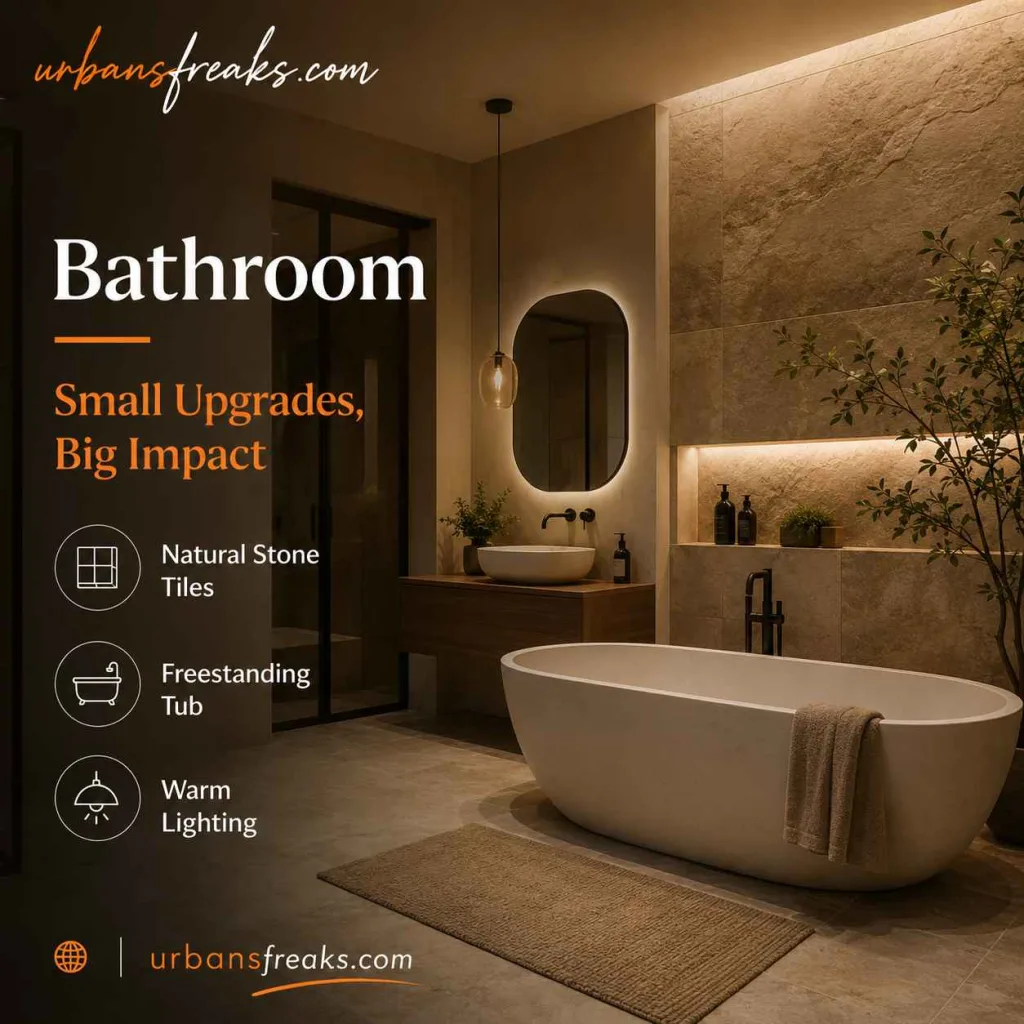
Bathroom
This is where small upgrades go a long way. Natural stone tiles, a freestanding tub, and warm lighting can turn a bathroom into a genuine retreat.
For more room-by-room decor inspiration, our Home Decor section has plenty of practical ideas you can apply right away.
Common Mistakes to Avoid
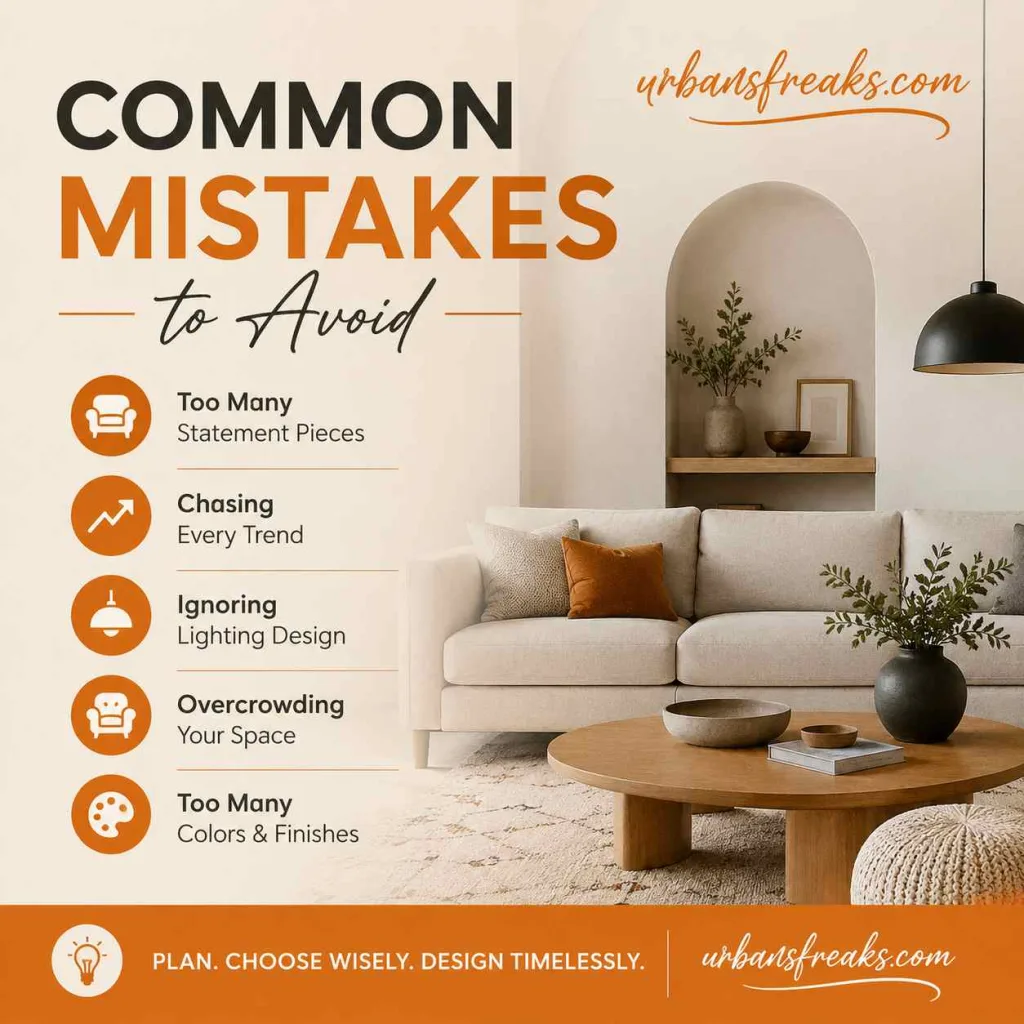
I’ve seen these mistakes hold back otherwise beautiful homes:
- Buying too many statement pieces at once, so nothing stands out
- Chasing trends instead of timeless choices
- Skipping lighting design and relying only on overhead fixtures
- Overcrowding rooms instead of leaving breathing room
- Mixing too many colors or finishes without a clear plan
Slow down, plan the room as a whole, and add pieces in phases if needed. Rushed decisions rarely age well.
Can You Achieve Luxury Interior Design on a Budget?
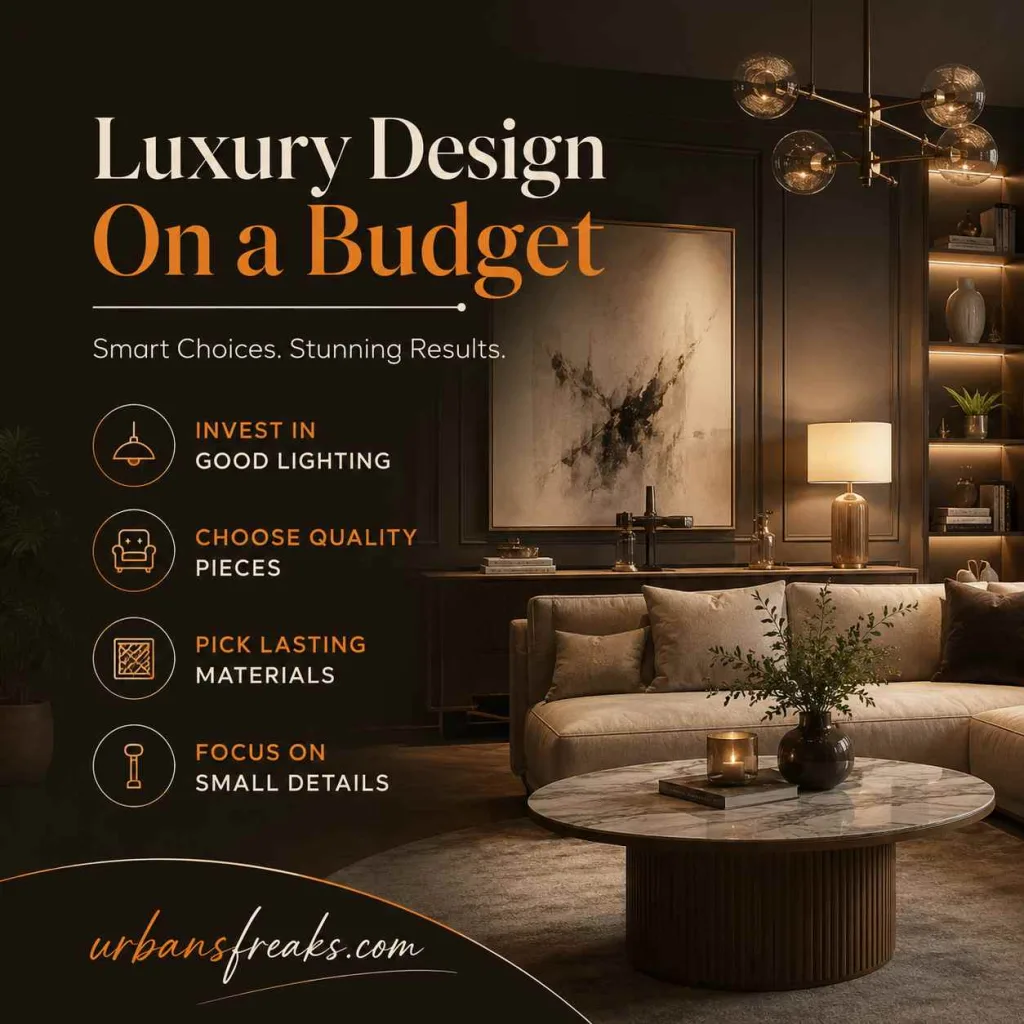
Yes, and this is something I tell every client. Luxury isn’t about how much you spend — it’s about where you spend it.
Focus your budget on a few things: good lighting, one or two quality furniture pieces, and materials that will last. Small details like cabinet hardware, faucets, and drapery can modernize a room without a full renovation. Secondhand or vintage pieces, especially solid wood furniture, often bring more character than new mass-produced items.
Should You Hire a Designer or Do It Yourself?
This depends on the scale of your project. A single room refresh is very doable on your own with careful planning. A full home renovation, especially one involving structural changes, benefits from professional input — both for the design and for making sure the space supports your health and daily life, which is a principle backed by research from organizations like the American Society of Interior Designers. If you’re also focused on sustainable materials and long-term efficiency, resources from the U.S. Green Building Council are a solid place to start.

Trends Worth Watching
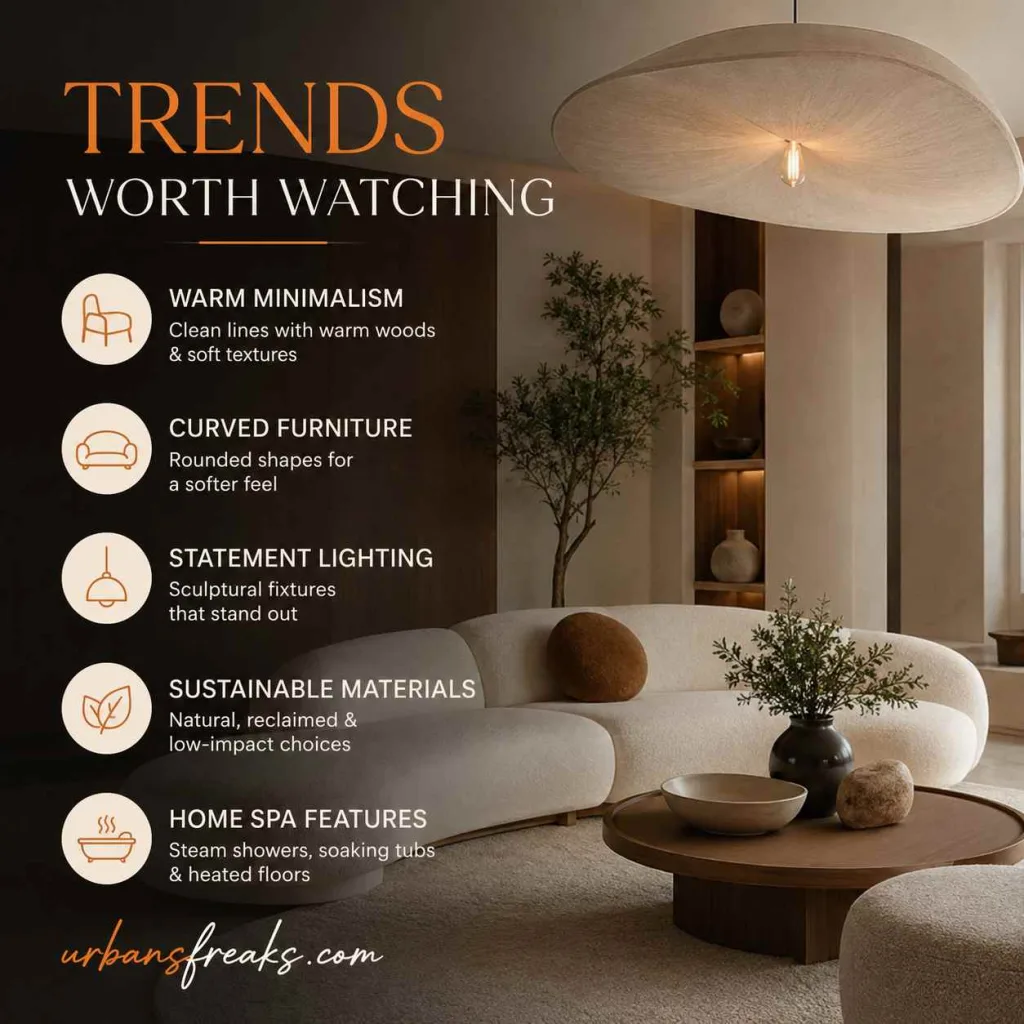
Trends come and go, but a few current ones are worth knowing since they hold up well over time.
- Warm minimalism — clean lines paired with warm woods and soft textures, instead of cold, stark spaces
- Curved furniture — rounded sofas and organic shapes softening a room
- Statement lighting — sculptural fixtures used as art, not just function
- Sustainable materials — reclaimed wood, natural stone, and low-impact fabrics
- Home spa features — steam showers, soaking tubs, and heated floors in bathrooms
I’d still treat trends as accents, not the foundation. Build the room around timeless choices first, then layer trends on top.
Popular Styles to Draw From
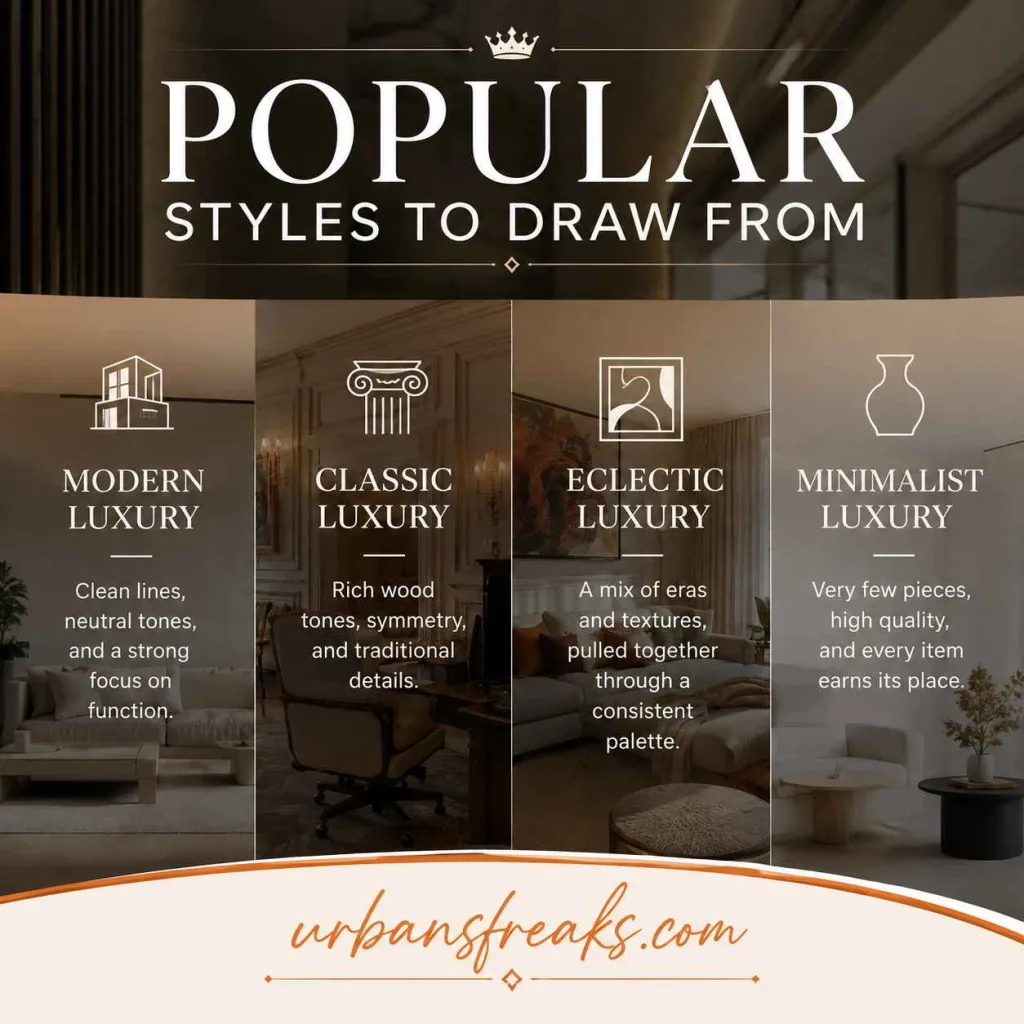
Not every high-end home looks the same. A few styles tend to come up again and again with my clients.
Modern Luxury Clean lines, neutral tones, and a strong focus on function. Think uncluttered spaces with one or two standout pieces.
Classic Luxury Rich wood tones, symmetry, and traditional details like moulding and panelling. This style feels timeless and formal.
Eclectic Luxury A mix of eras and textures, pulled together through a consistent color palette. This works well for homeowners who collect art or travel pieces.
Minimalist Luxury Very few pieces, but each one is high quality. Every item earns its place through craftsmanship, not quantity.
The Role of Art and Accessories
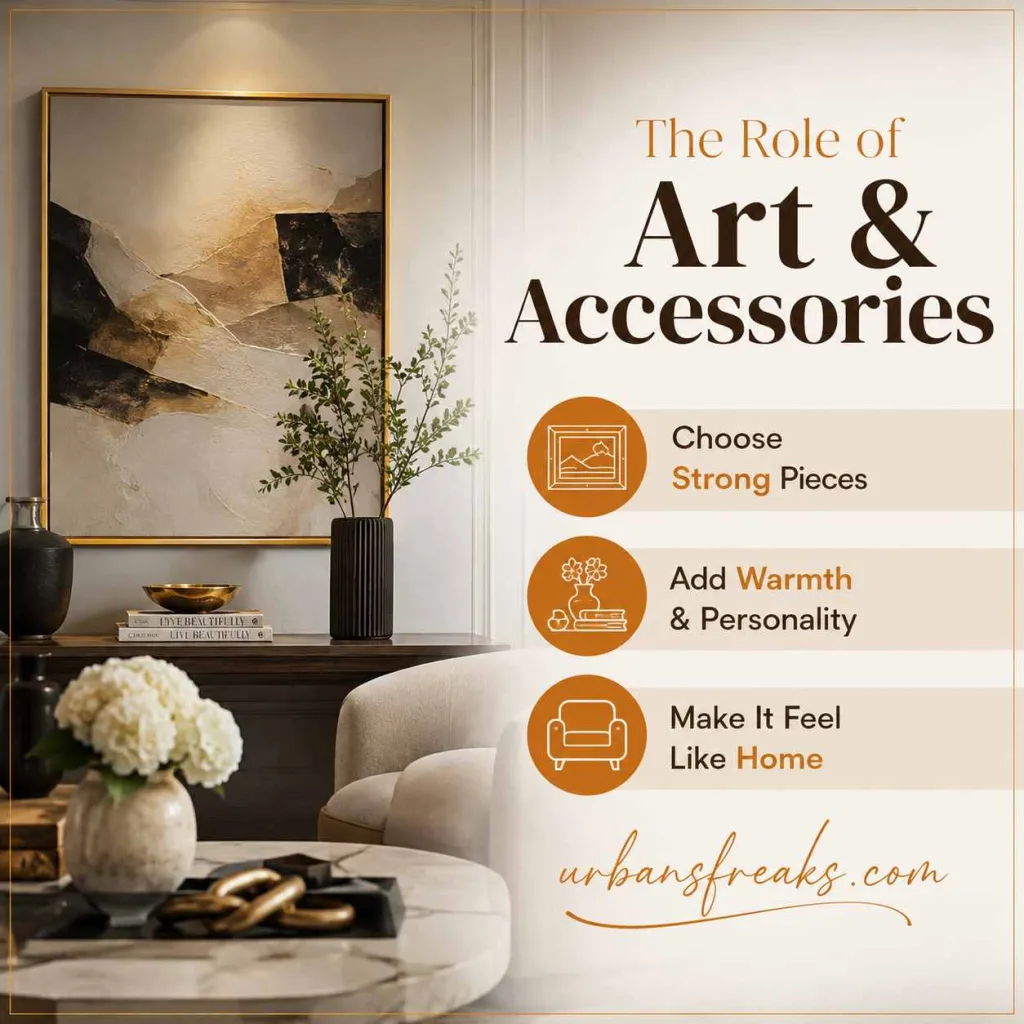
Art and accessories are what make a beautifully designed room feel like your own. Skip this step, and even the most expensive furniture can feel flat.
Choose a few strong pieces rather than filling every wall and shelf. A single large painting or sculpture usually has more impact than a dozen small decor items. Fresh flowers, curated books, and personal objects add warmth and make a space feel lived-in rather than staged.
Flooring Choices That Elevate a Space
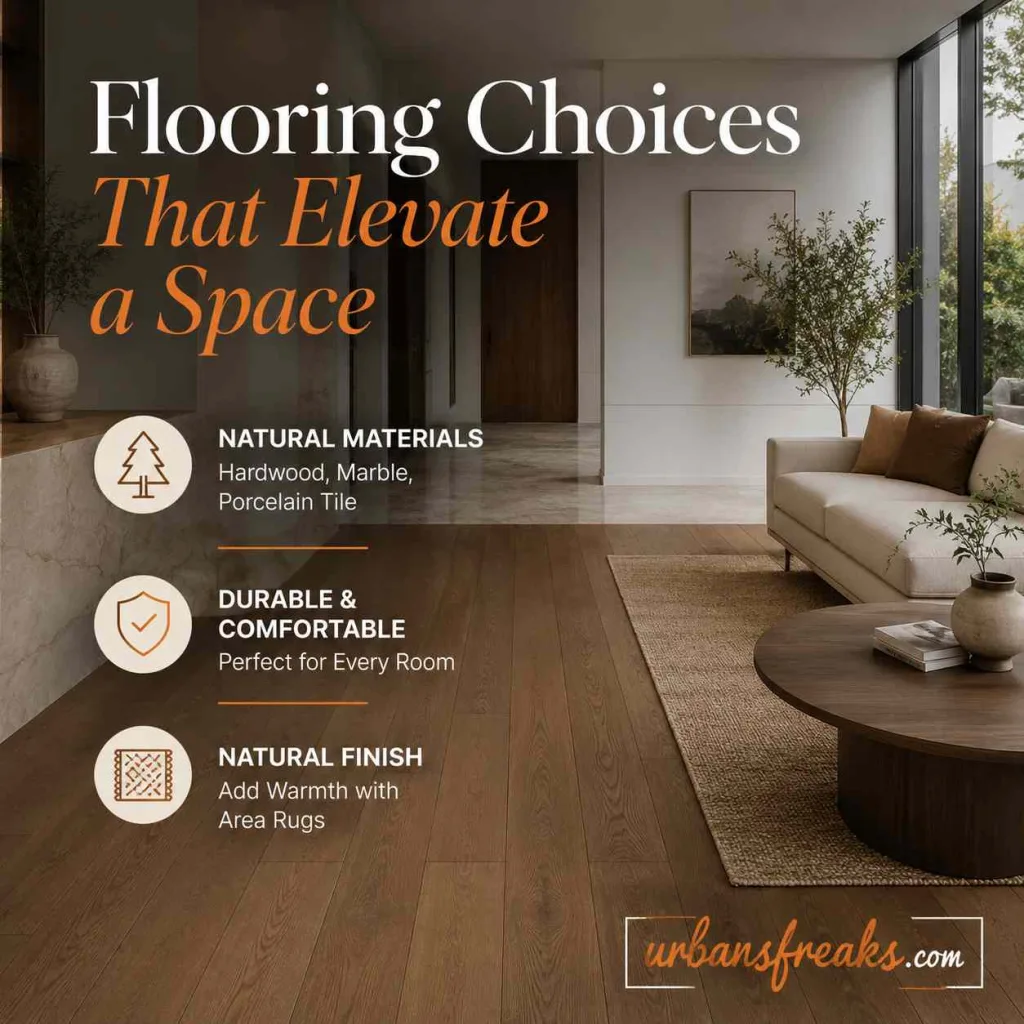
Flooring sets the tone before anyone even looks up at Luxury Interior Design. Natural materials like hardwood, marble, and large-format porcelain tile tend to read as higher-end than laminate or standard tile, even at a similar price point.
If you’re working room by room, wide-plank hardwood in warm tones works well in living areas and bedrooms. Stone or heated tile suits bathrooms and kitchens, where both durability and comfort matter. Area rugs in natural fibers like wool or jute can soften a hard floor without hiding its quality.
Window Treatments and Drapery
Window treatments are easy to overlook, but they frame the entire room. Floor-to-ceiling drapery in a heavier fabric, like linen or velvet, instantly adds height and softness to a space.
Stick to simple, tailored styles rather than fussy patterns. Neutral tones let the drapery blend with the room, while a subtle texture adds depth without competing with other elements. Layering sheer curtains under heavier drapes also gives you control over light throughout the day.

Maintaining the Look Over Time
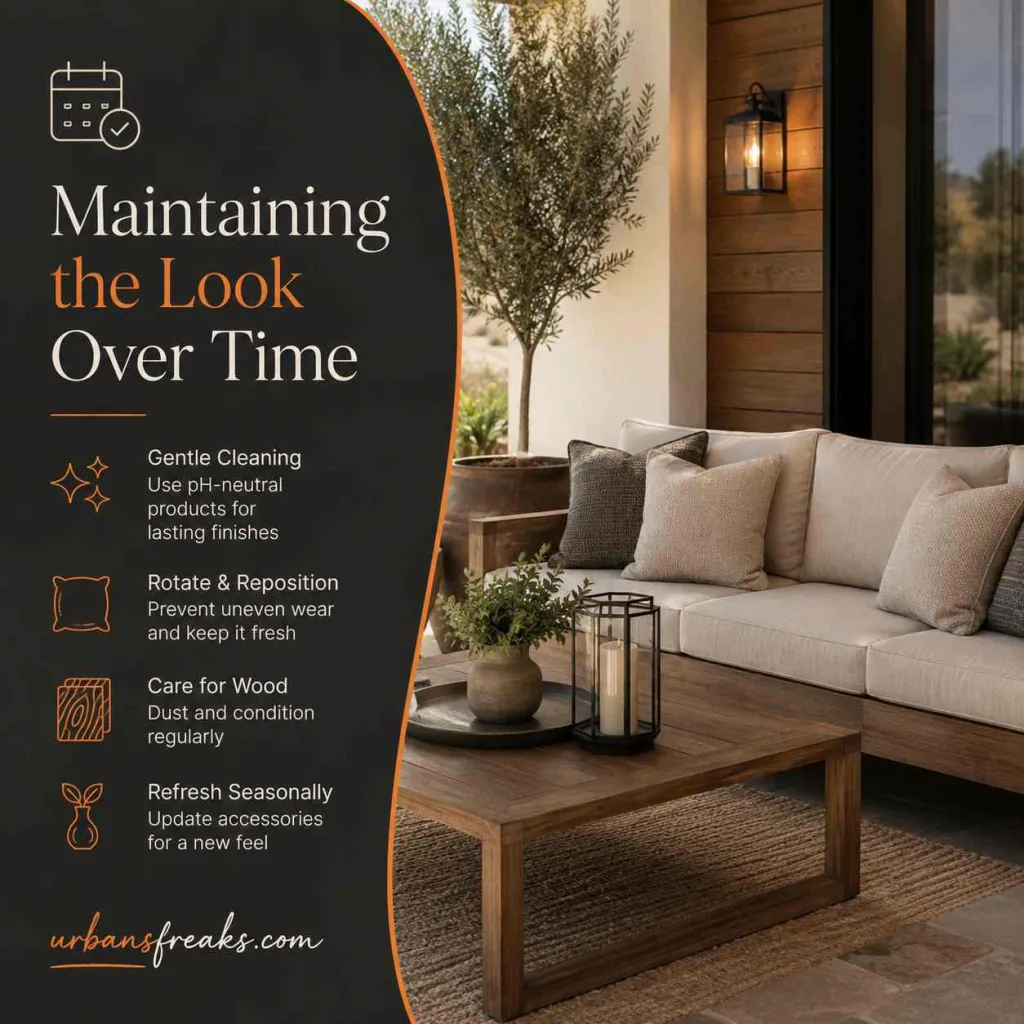
A high-end look doesn’t stay that way on its own Luxury Interior Design. Quality materials need proper care to keep looking their best for years.
- Clean natural stone with pH-neutral products to avoid dulling the finish
- Rotate cushions and reposition furniture occasionally to prevent uneven wear
- Dust and condition wood furniture regularly to protect the finish
- Refresh accessories seasonally to keep the space feeling current without a full redesign
Small, consistent upkeep protects the investment you’ve already made and keeps the space feeling intentional, not tired.
Final Thoughts
Luxury interior design comes down to intention. Every material, every light fixture, every piece of furniture should earn its place in the room. You don’t need an unlimited budget — you need a clear plan and patience to follow it through.
Start small if you have to. Fix the lighting. Upgrade one material. Let the room grow over time. That’s how real Luxury Interior Design is built.
Frequently Asked Questions about Luxury Interior Design
Is luxury interior design only for large homes?
No. Small spaces can feel just as high-end when materials, lighting, and layout are handled with care.
How much does it typically cost to redesign a room?
It varies widely based on materials and scope, but you can start with a modest budget by focusing on lighting and a few key pieces first, then building from there over time.
Do I need to hire a professional for Luxury Interior Design?
Not always. Smaller projects can be done yourself with planning. Larger renovations usually benefit from professional guidance, especially where structural changes are involved.
What’s the fastest way to make a room feel more upscale?
Improve the lighting and swap out hardware like handles, faucets, and light fixtures. These small changes make a noticeable difference without a full renovation.