LaLaurie Mansion: Who is the new owner?and why Cannot Tour New Orleans Most Haunted House

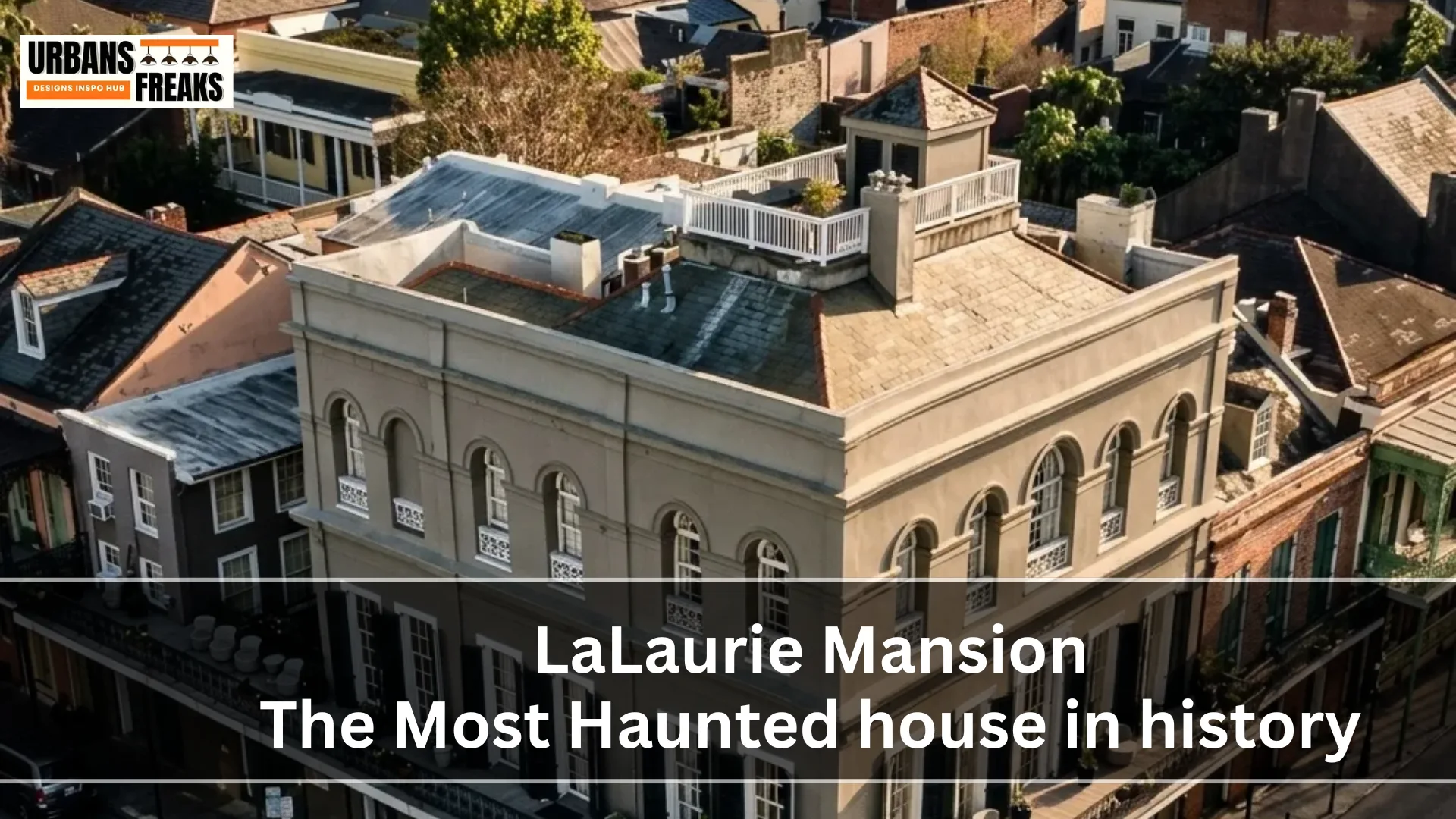
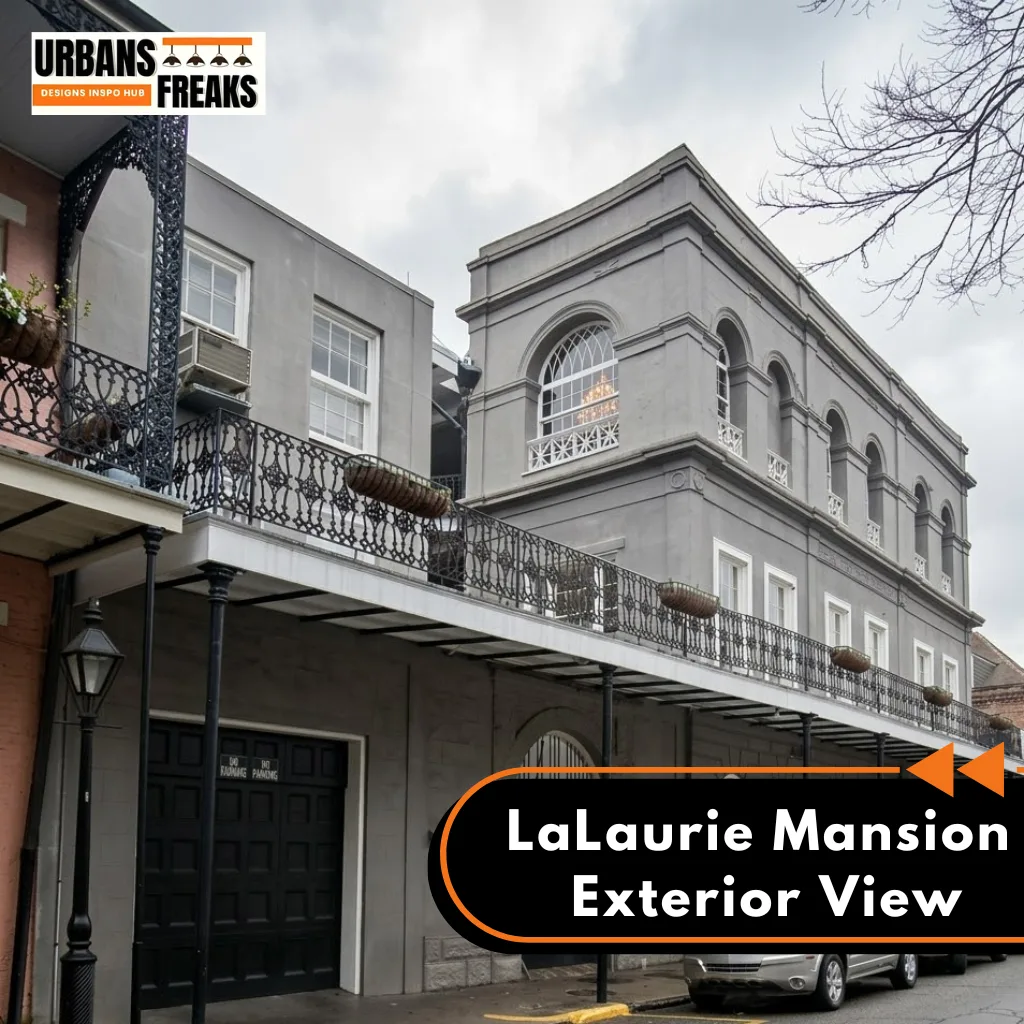
Rising at the corner of Royal and Governor Nicholls Streets in the historic French Quarter, the LaLaurie Mansion remains one of the most infamous properties in American history. Behind its elegant grey facade lies a dark legacy tied to Madame Delphine LaLaurie, whose name became permanently linked with cruelty and scandal in 19th-century New Orleans.
Documentation workflow note: when screenshot tools matters, this Snagit vs Snipping Tool is a practical reference.
For nearly two centuries, the LaLaurie Mansion has fascinated locals and visitors alike — not because of luxury, but because of the chilling history attached to it. The contrast between its beautiful architecture and the suffering associated with the property is exactly what continues to haunt the public imagination today. At UrbanFreaks, there are more historical houses waiting for you.🏛️✨
LaLaurie Mansion: That Refuses to Be Forgotten
There are buildings you simply walk past, and there are buildings that stop you dead in your tracks. The LaLaurie Mansion — sitting at the corner of Royal and Governor Nicholls Streets in New Orleans’ French Quarter — falls firmly into the second category. Even if you know nothing about what happened inside its walls, something about the structure feels heavy.
People cross the street just to photograph it at all hours of the day and night, phones tilted up, half-hoping to catch an orb drifting across a window. It’s the kind of architectural presence that makes you appreciate how deeply a building can carry its history — much like the stories behind Modern Bungalows in Historic Virgil, where structure and past are inseparably intertwined.
Who Was Madame Delphine LaLaurie?
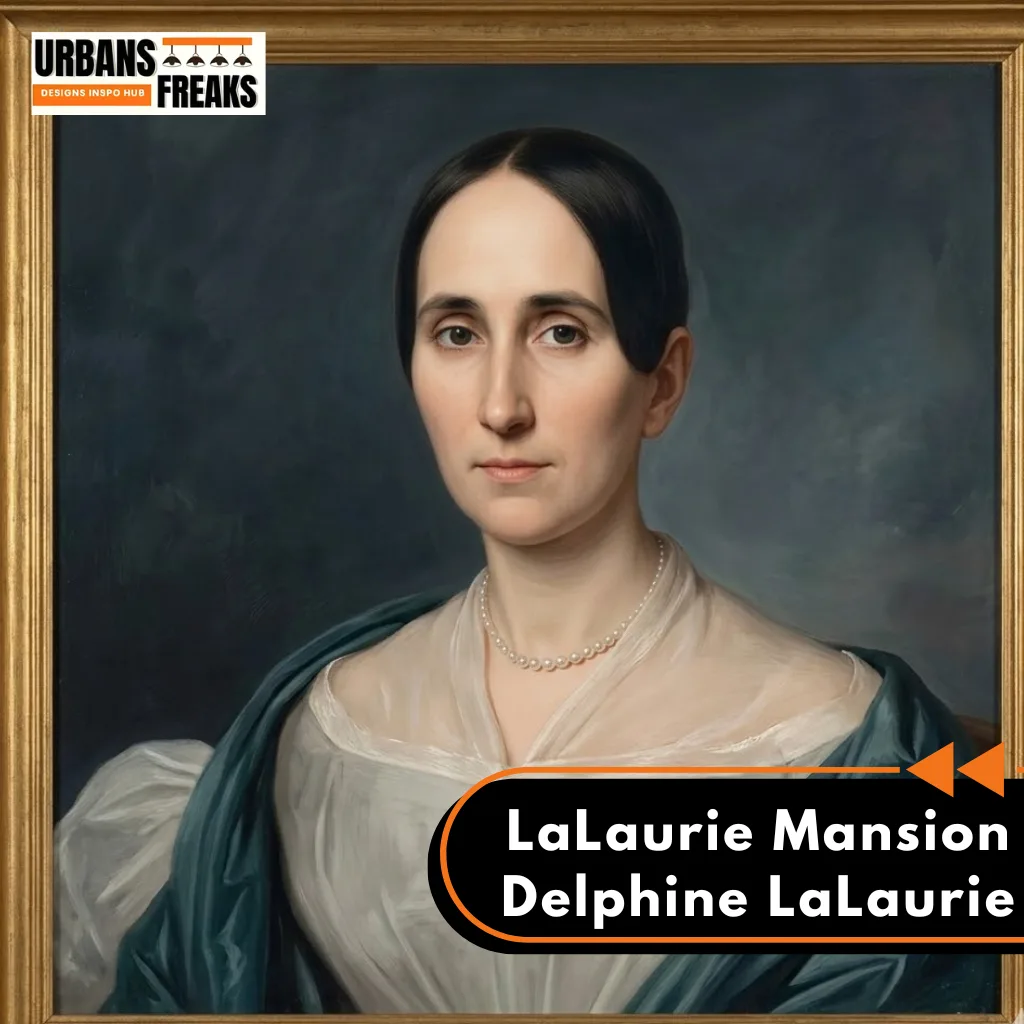
Born into New Orleans’ elite in 1787, Delphine Macarty was a charming socialite from a powerful Creole family. After being widowed twice and inheriting vast wealth, she married Dr. Leonard LaLaurie in 1825. In 1832, the couple moved into their grand mansion at 1140 Royal Street. To the public, they were New Orleans’ perfect power couple—gracious, wealthy hosts who commanded the city’s social scene. However, this elegant exterior masked the dark history that would soon define the LaLaurie name.
The Fire That Changed Everything: April 10, 1834
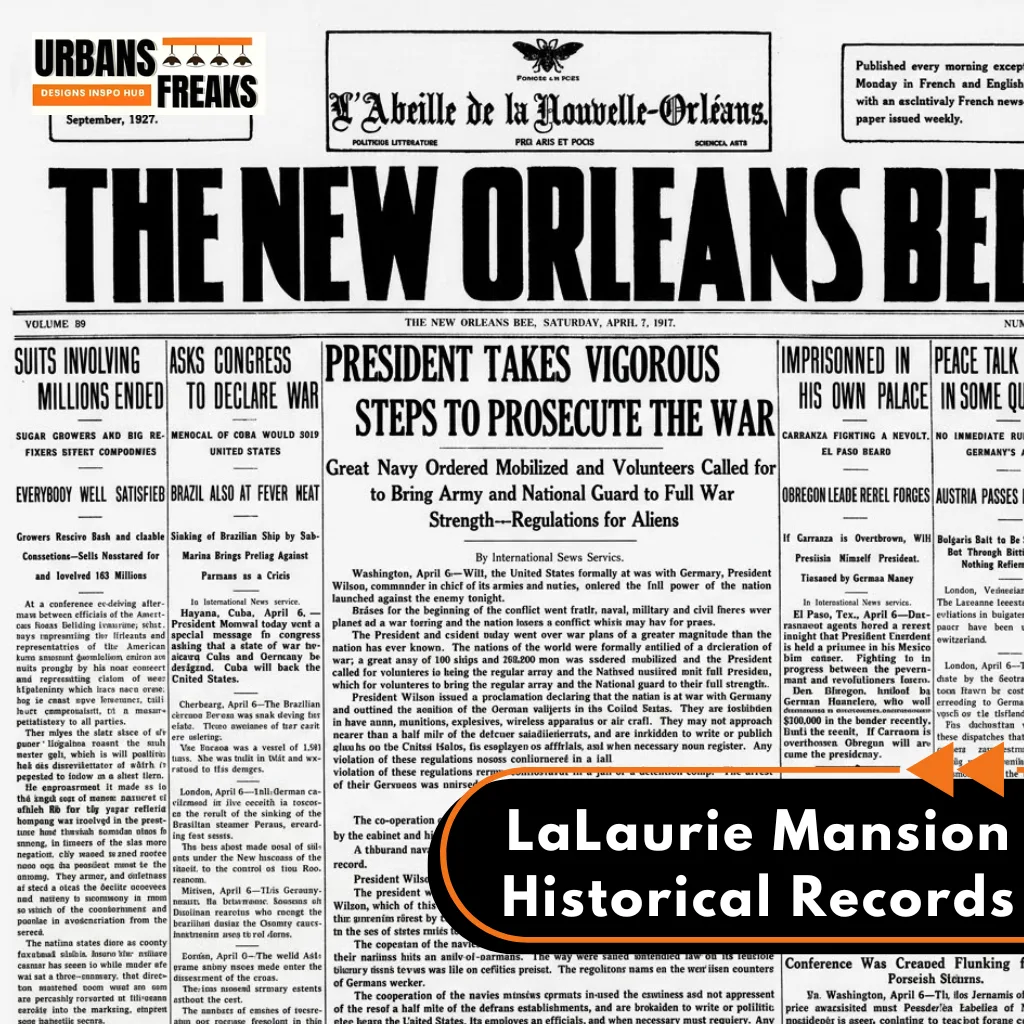
On April 10, 1834, a kitchen fire exposed the horrors within the LaLaurie mansion. Firefighters discovered an enslaved woman chained to the stove, who had ignited the blaze in desperation. In the attic, they unearthed several horribly mutilated captives. As news of the atrocities spread, an outraged mob of 4,000 citizens descended on the home, demanding immediate justice for the victims.
“Behind the locked attic door, citizens discovered evidence of suffering that would brand the LaLaurie name in infamy for generations to come.”
The Mob’s Fury and the LaLauries Escape
By the time the mob returned to 1140 Royal Street the following morning, Delphine and her husband had vanished. The couple fled by carriage to Lake Pontchartrain and, from there, eventually made their way to France. They were never prosecuted. Citizens ransacked and burned what remained of the mansion, tearing it nearly to the ground in their rage.
Delphine LaLaurie died in Paris, though some accounts suggest her body was secretly returned to New Orleans and buried at St. Louis Cemetery — though this has never been conclusively proven. What is certain is that she was never seen in New Orleans again, and she was never brought to justice for what occurred inside her home.
Separating History from Horror: What Really Happened?
Over two centuries, the LaLaurie story has been sensationalized, often relying on tabloid-style reports. While extreme claims exist, funeral records confirm twelve deaths at the property due to brutal treatment and malnourishment. Interestingly, evidence suggests Dr.
LaLaurie had moved out months before the fire. The reality remains horrific, proving that the mansion’s true history is as complicated as it is tragic — a darkness not unlike the deliberate psychological torment documented in places Built to Break Minds: Alcatraz Prison, where walls themselves became instruments of suffering.
The Mansion Is Rebuilt — and the Hauntings Begin
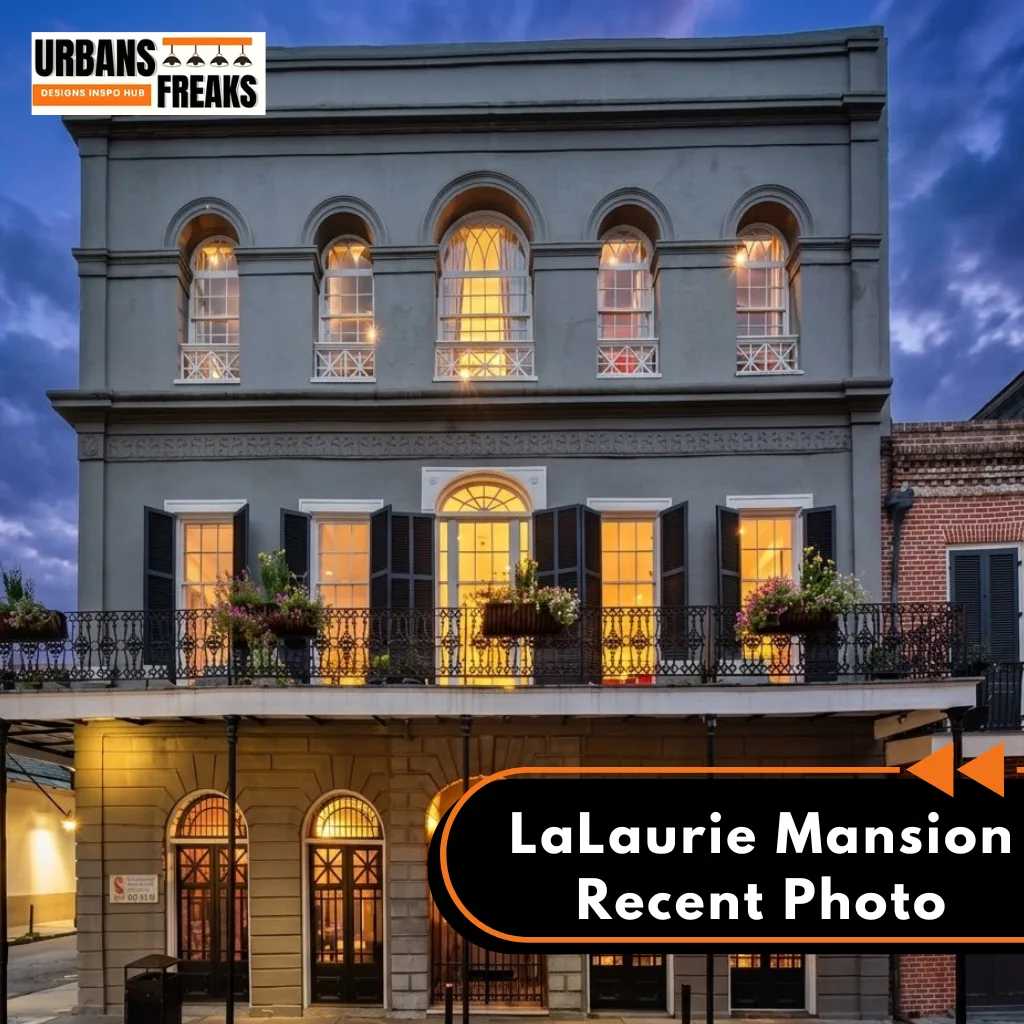
The original structure was destroyed by the mob, replaced in 1838 by the three-story Empire-style building seen today. Despite being a new construction, dark legends persisted. Residents of the later apartments, students at the all-girls school, and patrons of various businesses all reported unsettling occurrences — from unexplained physical assaults to ghostly figures — solidifying its reputation as one of New Orleans’ most haunted sites, a chilling distinction it shares with other legendary properties like the Most Haunted House in Florida, where history and horror have equally refused to rest.
Nicolas Cage and the Curse of 1140 Royal Street
One of the more fascinating modern chapters of the LaLaurie Mansion’s story involves Hollywood actor Nicolas Cage. In 2007, Cage purchased the property with the stated intention of writing an American horror novel there. He reportedly paid around $3.4 million for it. The novel never got written. Cage’s financial troubles mounted, and by 2009 the property went into foreclosure.
New Orleanians, naturally, attributed the collapse of Cage’s fortunes to the mansion’s long-documented curse. Notarial records show that since Delphine’s time, no owner has lived at 1140 Royal Street for more than five years — and many have left under difficult circumstances, including bankruptcy and personal tragedy.
The Current Owner OF LaLaurie Mansion: and Why No One Gets Inside?
Since around 2010, the LaLaurie Mansion has been owned by energy trader Michael Whalen, who restored the property into a luxury private sanctuary. Despite its recent listing for $10.25 million, the home remains strictly off-limits to the public. No tours, filming, or paranormal investigators are allowed inside, forcing productions like American Horror Story to recreate its chilling atmosphere elsewhere.
9. Ghost Tours and the Sidewalk View
Visiting the LaLaurie Mansion means viewing it strictly from the street. While the sidewalk view is chilling, especially at night, the interior remains completely private. Reputable guides from companies like Ghost City Tours provide deep historical context while being honest about the lack of indoor access. Be cautious of any tour promising entry—it simply isn’t an option for the public.
10. Paranormal Activity: Reports Through the Centuries
The supernatural reports tied to 1140 Royal Street span nearly the full two centuries since the fire. Past residents and neighbors have described hearing the sounds of moaning and chains rattling in empty rooms. People walking by on Royal Street have reported seeing silhouettes move across lit windows when the building is known to be unoccupied. Others have described feeling hands against their skin — unseen, cold, insistent — while standing on the sidewalk outside.
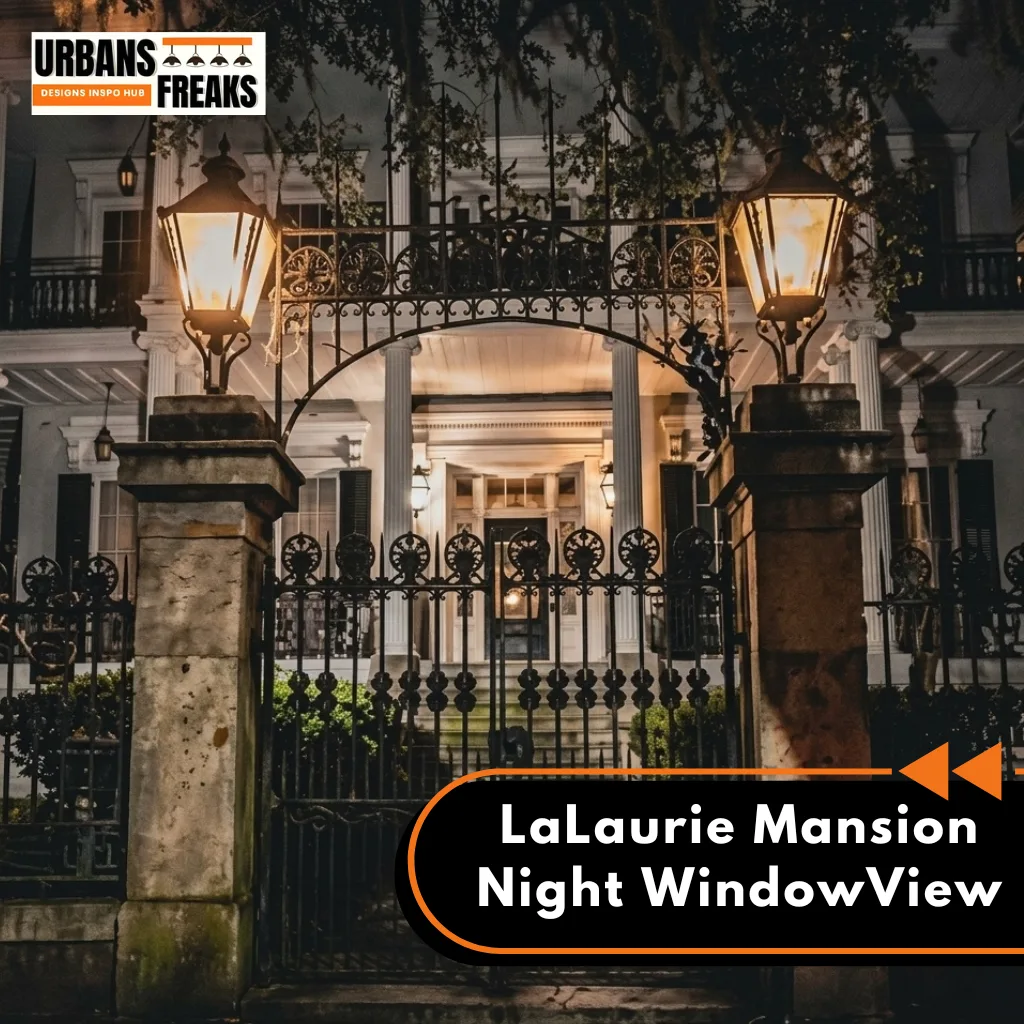
Paranormal investigators, though never permitted inside the building itself, have reportedly captured unusual audio near the exterior. The general belief among those who take such things seriously is that the spirits remaining at the mansion are primarily those of the enslaved people who suffered and died there — souls who have not moved on from the site of their suffering.
11. American Horror Story and the Mansion’s Pop Culture Legacy
American Horror Story: Coven catapulted the mansion’s infamy into the global spotlight, with Kathy Bates’s portrayal cementing a sensationalized version of Delphine LaLaurie in pop culture. This dramatization sparked a massive surge in tourism, drawing a new generation of curious visitors to 1140 Royal Street. Today, fans often gather outside, phones in hand, hoping to catch a glimpse of the legend.
12. What Visitors Can Explore Nearby
Since the mansion itself is off-limits, it’s worth knowing what else the immediate area offers. The Gallier House Museum, located just two doors down from the LaLaurie Mansion on Royal Street, is actually the building used to film the exterior of the mansion in American Horror Story. It’s open for public tours and gives a rich sense of nineteenth-century New Orleans domestic life.
The Hermann-Grima House Museum on St. Louis Street, which was used to film the interior scenes for the show, is another excellent stop. Nearby Lafitte’s Blacksmith Shop, one of the oldest buildings in the French Quarter, is also considered one of the city’s most haunted bars. For firsthand visitor impressions of the mansion area, TripAdvisor offers a wide range of accounts from real travelers.
13. The Lasting Legacy: Memory, Slavery, and a City’s Conscience
Beyond a simple ghost story, the LaLaurie Mansion represents the stark brutality of American slavery. While the names of the victims are mostly lost, their real suffering persists through historical records. Modern dark tourism often packages these uncomfortable truths as entertainment, but historians continue to work toward preserving the actual, tragic reality over the commodified legends that surround the property today.
14. Should You Visit the LaLaurie Mansion?
Visiting the LaLaurie Mansion requires clear expectations: you will remain on the sidewalk, absorbing the immense weight of its history. A well-researched tour offers a profound understanding of 19th-century society and the dark reality of slavery. Approach this landmark with the seriousness it deserves; these stories were not fiction. For fellow visitors’ experiences, Reddit captures a range of impressions.
Frequently Asked Questions (Faq)
Find answers to the most common questions regarding the dark history, architectural changes, and current status of 1140 Royal Street. This guide clarifies the facts behind the legends to help you understand the true story of the LaLaurie Mansion.
Q1: Can visitors go inside the LaLaurie Mansion?
No. The LaLaurie Mansion at 1140 Royal Street is privately owned and not open to the public under any circumstances. The current and previous owners have firmly declined access to tour groups, paranormal investigators, and film crews. Visitors can view the exterior from the sidewalk — that is the only access available to anyone without a personal invitation from the owner.
Q2: Where exactly is the LaLaurie Mansion located?
The mansion sits at 1140 Royal Street in New Orleans’ French Quarter, on the corner of Royal Street and Governor Nicholls Street — one block from world-famous Bourbon Street. The Gallier House Museum is two doors down, and Lafitte’s Blacksmith Shop is a short walk away.
Q3: Did American Horror Story film inside the real LaLaurie Mansion?
No. When American Horror Story: Coven filmed its third season, the owners refused access to both the interior and exterior of the actual building. The production used the Hermann-Grima House Museum for interior scenes and the nearby Gallier House Museum for exterior shots, with dirt spread on the road to replicate the nineteenth-century setting.
Q4: What happened to Madame Delphine LaLaurie after the 1834 fire?
Delphine LaLaurie and her husband fled New Orleans by carriage on the night of the fire, heading first to Lake Pontchartrain and ultimately escaping to Paris, France. She was never prosecuted and is believed to have died in France. Some accounts suggest her remains were secretly returned to New Orleans and buried at St. Louis Cemetery, though this has never been confirmed.
Q5: Is the LaLaurie Mansion genuinely haunted?
That depends on your perspective. Reports of paranormal activity at the address stretch back nearly to the time of the 1834 fire — including accounts of moaning sounds, apparitions in windows, and the sensation of unseen hands. No paranormal investigation group has ever been permitted inside to conduct formal research, so claims remain anecdotal. What is undeniable is the building’s extraordinarily heavy history.
Q6: Who has owned the LaLaurie Mansion in recent decades?
Notable recent owners include actor Nicolas Cage, who purchased the property in 2007 for approximately $3.4 million and lost it to foreclosure in 2009. After Cage, the property was purchased by Houston-based energy trader Michael Whalen, who has since listed the mansion for sale at $10.25 million. Notarial records show that no owner since Delphine LaLaurie’s time has managed to remain at 1140 Royal Street for more than five years.