
DrHomey Tips: 7 Simple Ways to Build a Healthy, Functional Home


I’m Tood Lynch, I’m an architect, a professor, and a researcher. My work has always focused on one goal. I want to help people build homes that support health, comfort, and well-being. I also write for URBANSFREAKS, where I share more ideas on design and daily home life.
Over the years, I’ve read a lot of “handy tips” content online. Much of it repeats the same advice. Some of it skips the “why” behind each tip. So in this guide, I want to go deeper. I’ll walk you through the real tips drhomey style content is known for, but explained the way I’d explain them to a client.
Let’s get into it.
What Does “DrHomey Tips” Actually Mean?
Tips drhomey is a popular search term for practical, no-fuss home advice. It covers cleaning, organizing, maintenance, and small upgrades. The goal is always the same. Make your home healthier, safer, and easier to live in.
You don’t need a big budget for this. You don’t need to hire a contractor either. Most of these tips take less than an hour to do.

Start With a Simple Home Health Check
Before you fix anything, look at what’s already there. This is the first step in almost every good home improvement plan.
Walk through your home and check DrHomey Tips:
- Paint and walls for cracks or peeling
- Appliances for strange sounds or smells
- Windows and doors for drafts
- Bathroom and kitchen for hidden leaks
- Smoke and fire detectors for working batteries
Small problems get expensive fast when they’re ignored. A tiny leak today can mean a damaged floor next year. A five-minute check now can save you a lot of stress later.

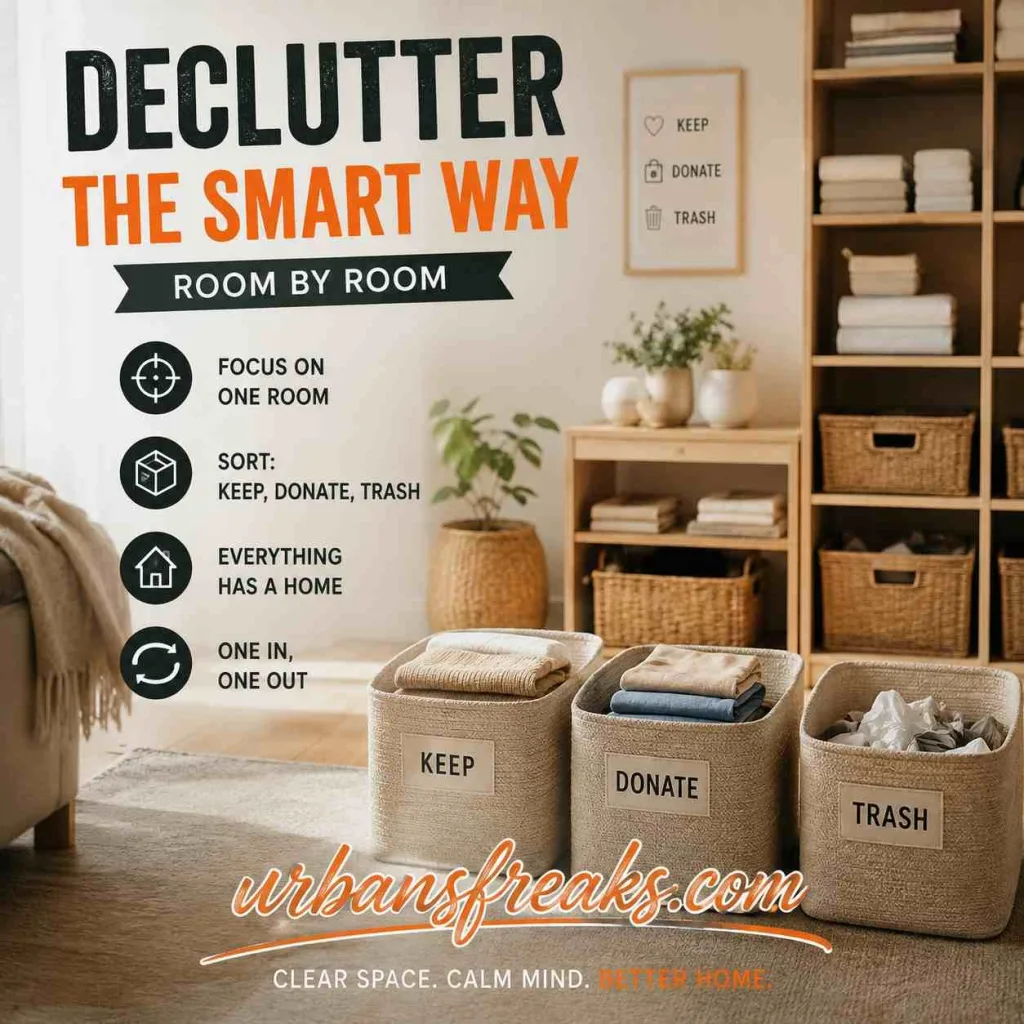
Declutter the Smart Way, Room by Room
Clutter is the number one thing that makes a home feel tired, according to DrHomey Tips. It also makes cleaning harder than it needs to be.
Here’s a simple system I recommend to clients for DrHomey Tips:
- Pick one room at a time. Don’t try to declutter the whole house in one day.
- Take everything out of one drawer, shelf, or closet.
- Sort into three piles: keep, donate, and throw away.
- Give everything you keep a fixed home. If it doesn’t have a spot, it will end up back on the counter.
- Follow a one-in, one-out rule for new items going forward.
This is one of the most repeated ideas in tips drhomey style articles, and for good reason. It works. A clear space genuinely helps you feel calmer at home.
Clean Smarter, Not Harder
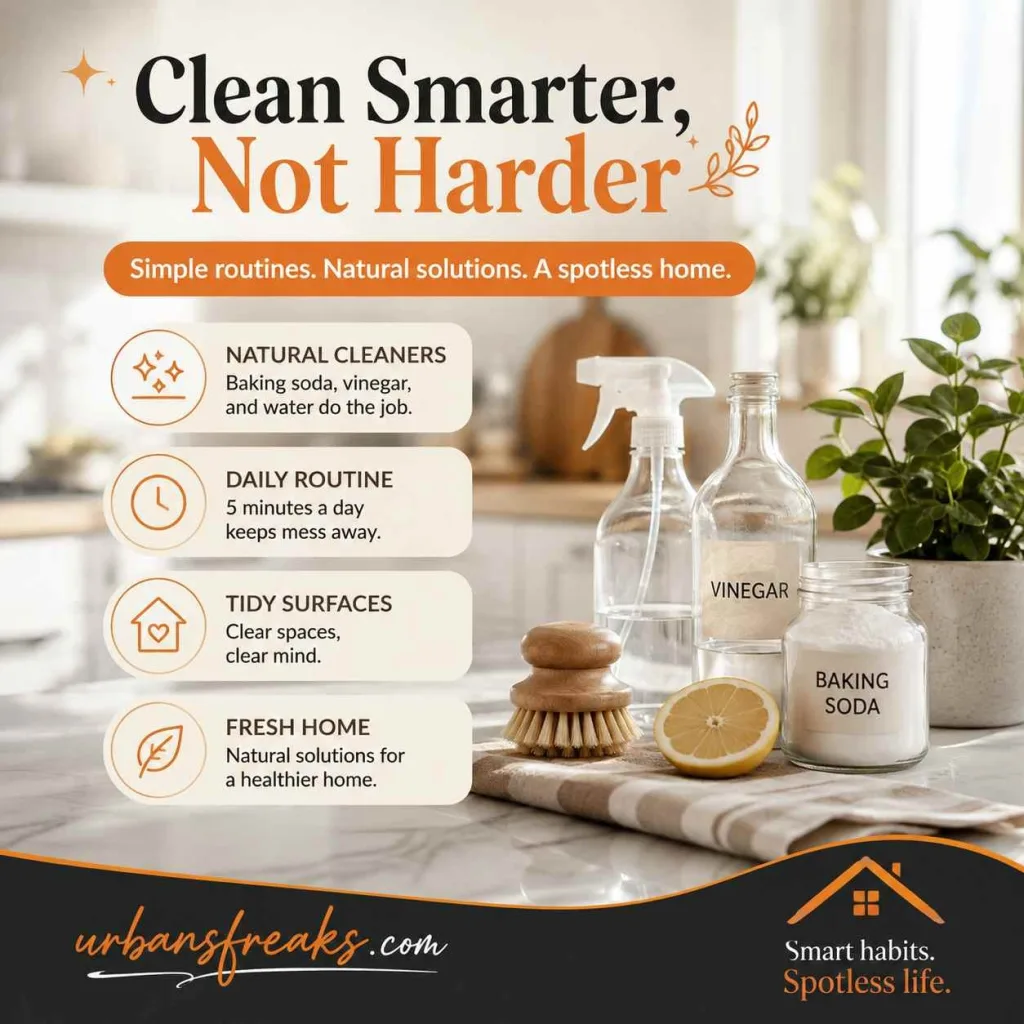
You don’t need a cabinet full of chemical cleaners According to DrHomey Tips. Most homes can be kept spotless with a few basic, natural products.
| Cleaning Task | Simple Solution |
| Stainless steel appliances | Baking soda paste, wiped with a vinegar cloth |
| Glass and mirrors | Water and vinegar mix |
| Tough grease stains | Baking soda paste, left to sit, then scrubbed |
| Musty smells | Open windows plus a bowl of baking soda |
Set a small daily routine instead of one big weekly clean. Five minutes before bed, tidying surfaces and putting things away, makes a bigger difference than one long Sunday cleanup.
Let in Light and Fresh Air
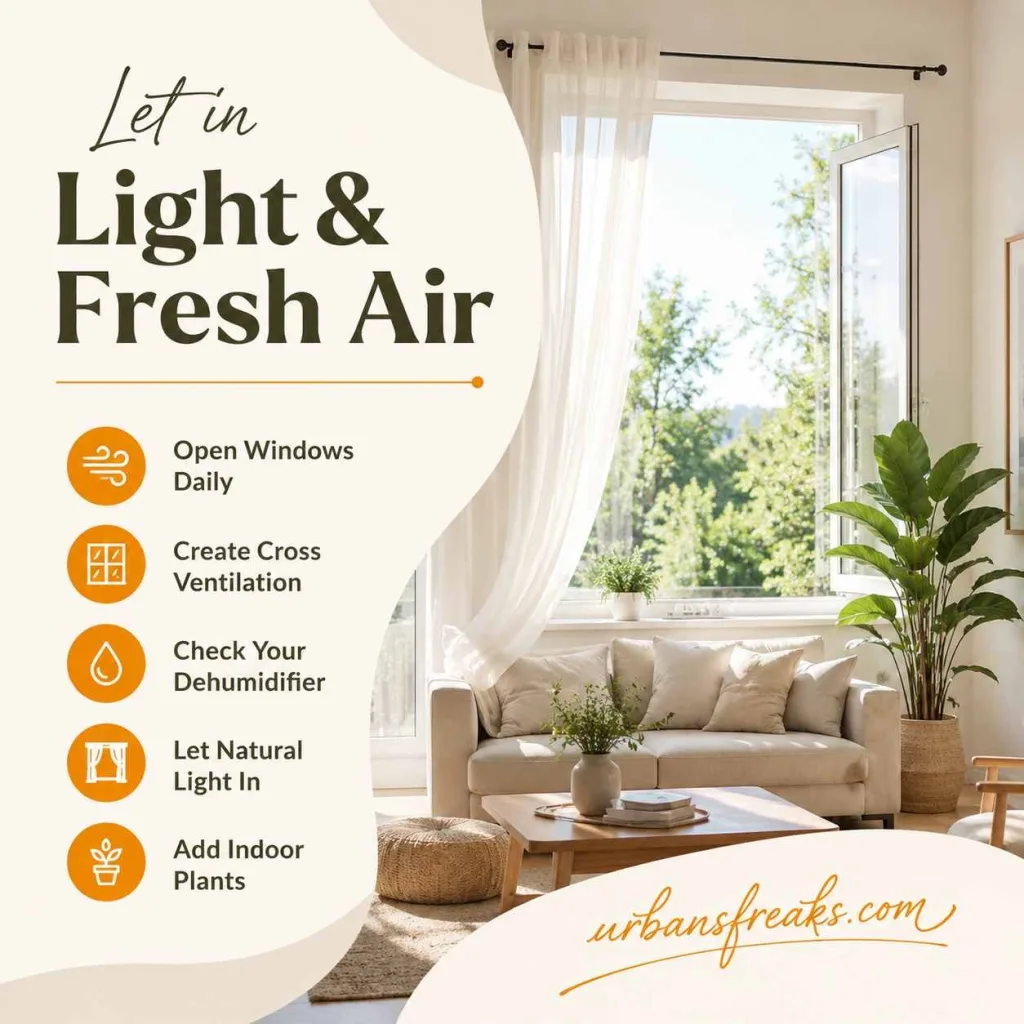
Air quality inside your home matters more than most people realize acording to DrHomey Tips. Poor ventilation can lead to mold, dust buildup, and stuffy rooms. According to the U.S. Environmental Protection Agency, indoor air can sometimes be more polluted than outdoor air, which is why airflow and ventilation matter in every home.
A few easy fixes:
- Open windows for at least 10 to 15 minutes daily, even in winter.
- Add cross-ventilation by opening windows on opposite sides of a room.
- Check your dehumidifier, especially in basements, since a faulty one can be a fire risk.
- Choose lightweight curtains that let natural light through during the day.
- Add a few indoor plants. They help freshen the air and add a calm, natural feel.
Make Small Spaces Feel Bigger
Not everyone has a large home, and that’s completely fine. Function matters more than square footage.
DrHomey Tips I give clients with smaller homes:
- Use vertical storage. Shelves that go up instead of out save floor space.
- Choose multi-functional furniture, like a bed with drawers underneath.
- Stick to lighter wall colors to make rooms feel open.
- Use room dividers instead of solid walls when you need to separate a space.
- Keep furniture pieces scaled to the room size. Oversized furniture makes small rooms feel cramped.
You’ll find plenty of extra ideas for this on our Home Decor page, if you want to explore styles that fit smaller layouts.

A Simple Seasonal Maintenance Checklist
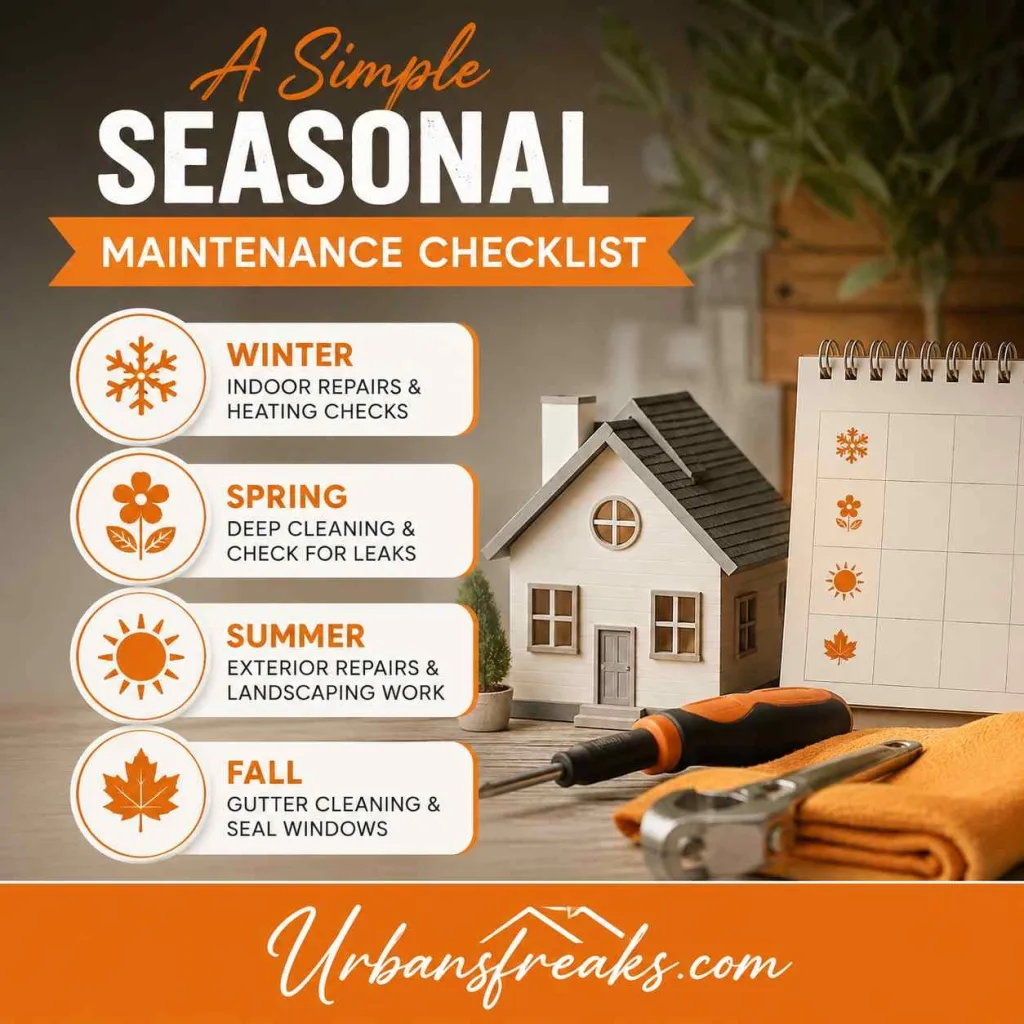
Home maintenance is easier when you spread it across the year instead of doing everything at once.
| Season | Focus |
| Winter | Indoor repairs, heating system checks |
| Spring | Deep cleaning, checking for leaks |
| Summer | Exterior repairs, garden and landscaping work |
| Fall | Gutter cleaning, sealing windows before cold weather |
This kind of seasonal thinking is at the heart of most tips drhomey guides, and it’s a habit worth building. It keeps small tasks small, instead of letting them pile into one overwhelming to-do list.
Boost Curb Appeal Without a Big Budget
Your home’s exterior sets the tone before anyone even walks in.
Easy, affordable upgrades according to DrHomey Tips:
- Fresh coat of neutral paint on the front door
- Clean or replace old house numbers
- Add potted plants near the entrance
- Fix any visible cracks in the walkway
- Update outdoor lighting, solar lights are a low-cost, low-maintenance option
These small changes often return far more value than their cost, especially if you’re planning to sell in the future.

Everyday Habits for a Healthier Home
Beyond one-time fixes, a few daily habits keep a home running well:
- Set up a drop station near the entrance for keys, mail, and shoes.
- Batch similar chores together instead of doing them one at a time.
- Keep a small list of supplies that need restocking, so you’re never caught off guard.
- Ask yourself which task at home drains the most time, then fix that one first.
Good architecture and design research from institutions like the American Institute of Architects also points to the same conclusion for DrHomey Tips. Homes that support daily routines, not just looks, are the ones people feel best living in.
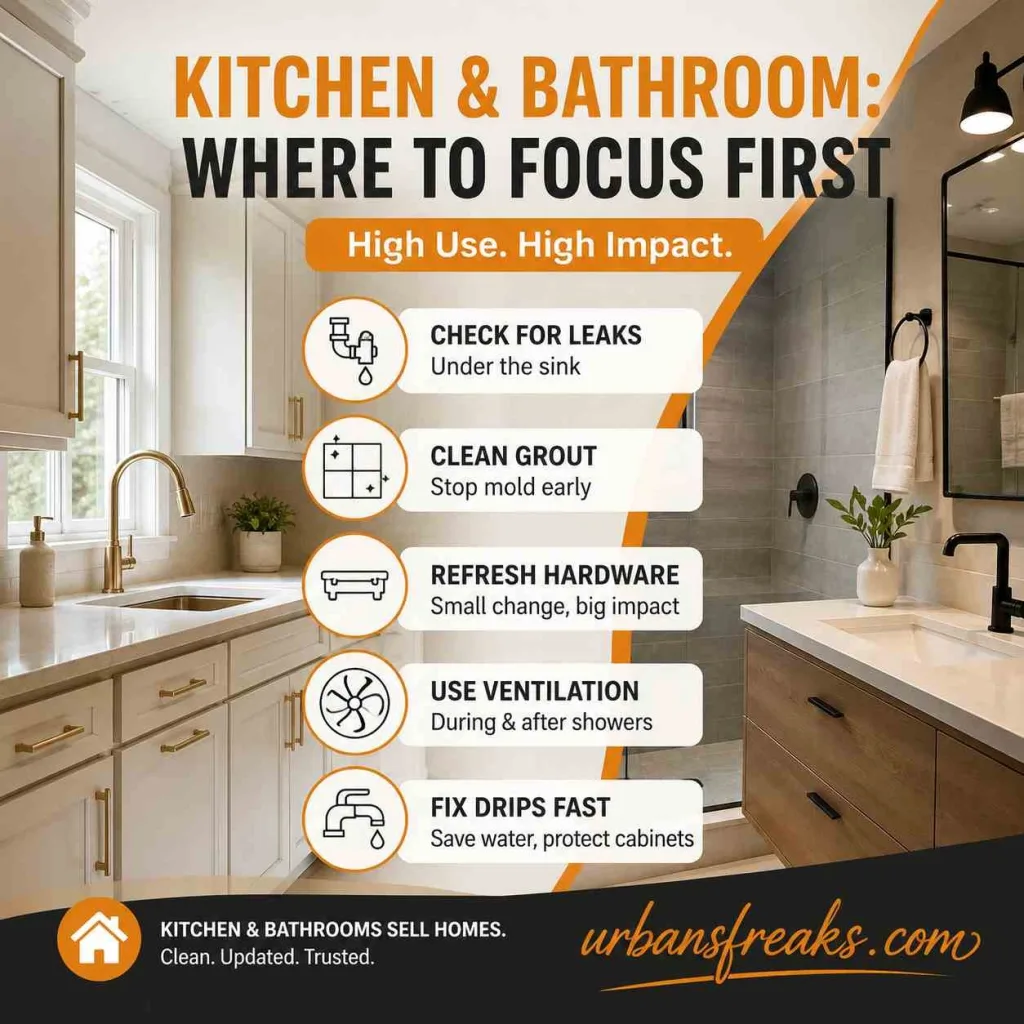
Kitchen and Bathroom: Where to Focus First
If you only have time for two rooms, start here. Kitchens and bathrooms see the most daily use. They also hide the most moisture-related problems.
Quick wins for these rooms DrHomey Tips:
- Check under the sink for leaks once a month.
- Wipe down grout lines to stop mold before it starts.
- Replace worn cabinet handles for an instant refresh.
- Keep a small fan or vent running during and after showers.
- Fix a dripping faucet right away. It wastes water and can damage cabinets over time.
These two rooms also matter most if you’re planning to sell. Buyers judge a home fast, and a clean, well-kept kitchen or bathroom builds trust before anyone even walks further inside.
Common Mistakes to Avoid
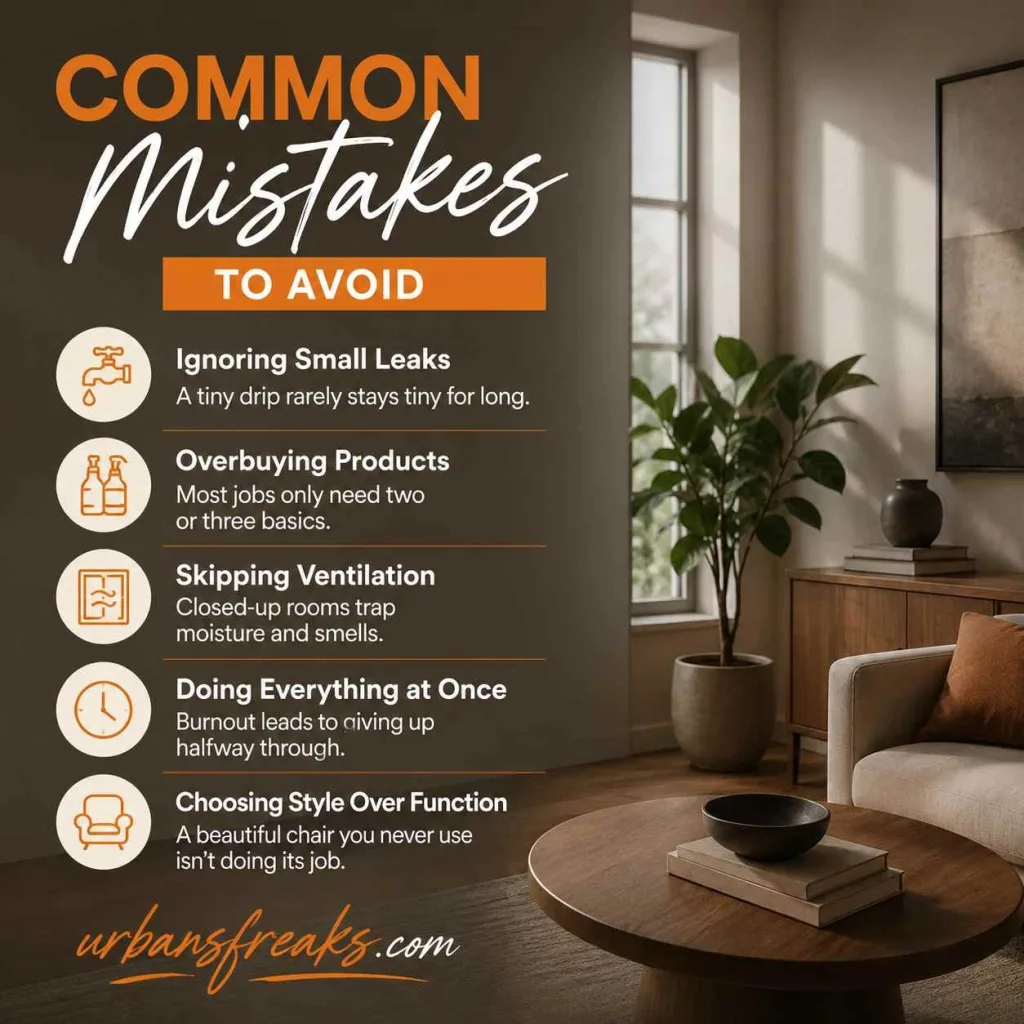
I see the same few mistakes again and again, even in homes that are otherwise well cared for.
- Ignoring small leaks. A tiny drip rarely stays tiny for long.
- Overbuying cleaning products. Most jobs only need two or three basics.
- Skipping ventilation. Closed-up rooms trap moisture and smells.
- Doing everything at once. Burnout leads to giving up halfway through.
- Choosing style over function. A beautiful chair you never use isn’t doing its job.
Avoiding these mistakes matters more than adding new upgrades. Fixing what’s already wrong always comes first.
DIY or Call a Professional?
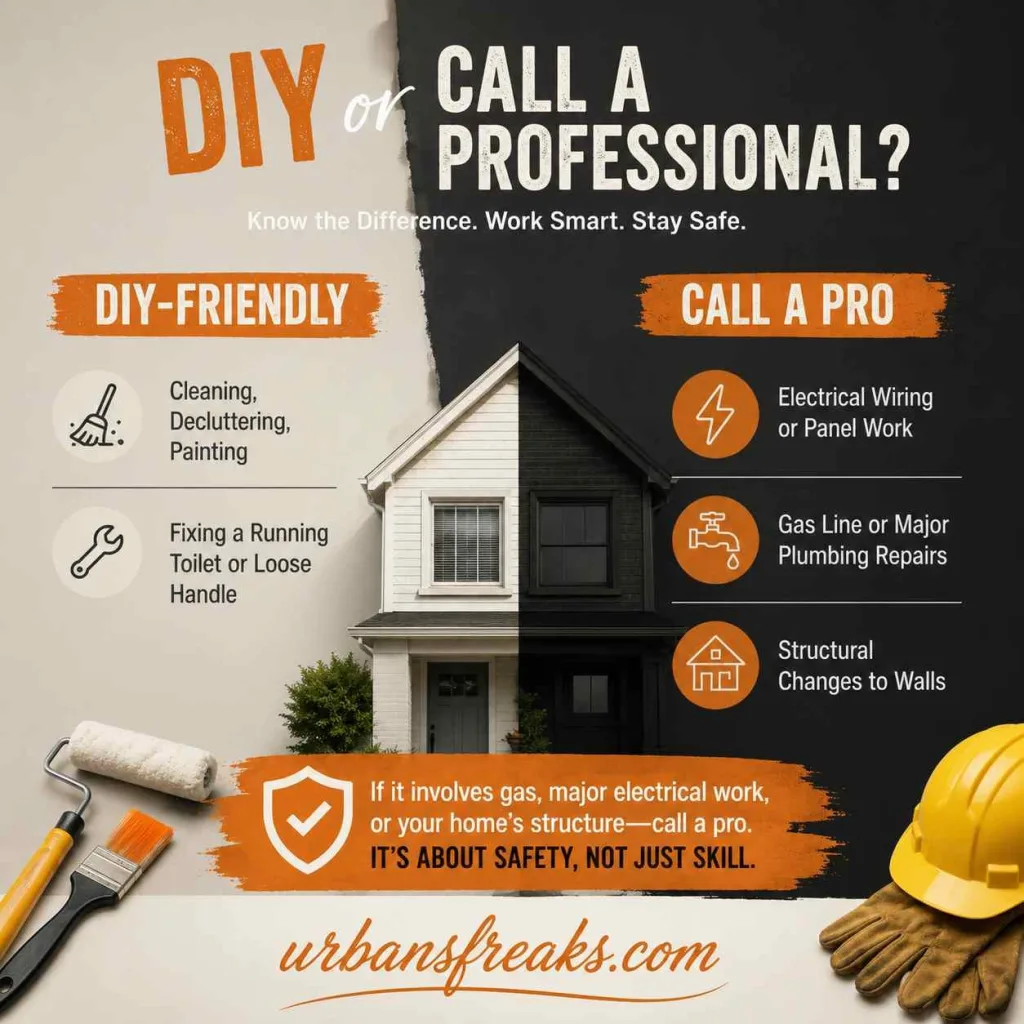
Not every fix belongs in the DIY column. Knowing the difference saves you time, money, and sometimes safety risks.
| Task | DIY-Friendly | Call a Pro |
| Cleaning, decluttering, painting | Yes | — |
| Fixing a running toilet or loose handle | Yes | — |
| Electrical wiring or panel work | — | Yes |
| Gas line or major plumbing repairs | — | Yes |
| Structural changes to walls | — | Yes |
If a job involves gas, major electrical work, or the structure of the DrHomey Tips, it’s worth the cost of a professional. This isn’t about skill. It’s about safety.
Eco-Friendly Upgrades Worth the Investment
Sustainable choices aren’t just good for the planet according to DrHomey Tips. Most of them save you money too, over time.
- Switch to LED bulbs. They use less power and last far longer than older bulbs.
- Add weatherstripping around doors and windows to stop heat and cool air from escaping.
- Install a programmable thermostat so you’re not heating or cooling an empty house.
- Choose low-flow showerheads and faucets to cut water use without losing pressure.
- Pick non-toxic paints and finishes, especially in bedrooms and kids’ rooms.
These upgrades often pay for themselves within a year or two, through lower utility bills for DrHomey Tips.

A Simple Home Safety Checklist
Comfort and style matter, but safety comes first according to DrHomey Tips. A few basic checks keep your home secure for everyone living in it.
- Test smoke and carbon monoxide detectors every few months.
- Keep a fire extinguisher in the kitchen, and know how to use it.
- Check that all outdoor pathways and stairs are well lit at night.
- Make sure heavy furniture, like bookshelves, is secured to the wall.
- Keep a basic first aid kit somewhere easy to find.
None of these take long to check. But they matter far more than any decor choice.

Quick FAQs on DrHomey Tips and Maintenance
How often should I deep clean my home?
Once a season is a good baseline, with light daily upkeep in between.
What’s the cheapest way to improve my home’s look?
Fresh paint, decluttering, and better lighting give the biggest visual change for the least money.
Do I need to hire an interior designer for small changes?
No. Small, functional changes like storage and lighting can be done on your own. A designer helps more with full room layouts or larger renovations.
How do I know if my home has poor air quality?
Signs include musty smells, visible mold, constant stuffiness, or allergy symptoms that improve when you’re away from home.
Final Thoughts
You don’t need a full renovation to have a healthier, more functional home. Most DrHomey Tips style advice comes down to a few honest habits. Check things regularly. Keep clutter under control. Let in air and light. Take care of small repairs before they grow.
I’ve spent my career studying what makes homes work well for the people living in them according to DrHomey Tips. The truth is, it’s rarely about spending more. It’s about paying attention to the right things, consistently.
Start with one room this week for DrHomey Tips. See how it feels. Then move to the next.