City apartments and condos rely heavily on heating and cooling equipment throughout the year. High-density living brings extra dust, street grime, and soot into indoor living spaces.
Urban residents face distinct challenges when maintaining comfortable indoor room temperatures. Simple care routines help keep air systems running smoothly every season.
Replace Air Filters Regularly
Air filters collect heavy amounts of urban pollution, pollen, and pet dander within weeks. Fresh intake filters lower strain on equipment by improving airflow and protecting components from dust and debris. Replacing these pads every 30 to 60 days keeps air moving without restriction.
Neglecting filter changes forces blowers to work much harder to push air through rooms. Industry data indicates dirty filters represent one of the most common causes of system failure. Clogged mesh restricts intake efficiency and increases monthly electric bills.
Checking filters on the 1st of every month establishes a quick, reliable routine. Standard 1-inch fiberglass options require more frequent swaps than 4-inch pleated varieties. High-grade MERV 11 choices capture tiny urban particles without choking system airflow.
Schedule Professional Annual Inspections
Annual tune-ups uncover hidden mechanical wear long before unexpected system breakdowns occur. Technicians test electrical connections, measure refrigerant levels, and calibrate operating controls.
City apartments demand consistent care to handle seasonal temperature extremes. Booking an appointment with a home services company keeps cooling equipment running efficiently through hot summer months. Qualified technicians inspect heat exchangers for safety risks in tight residential spaces.
Professional care prevents costly emergency repairs when extreme weather arrives. Industry guidance suggests standard service quotes calculate total labor hours based on job complexity, crew size, and required certifications. Comprehensive spring and fall checkups extend total equipment lifespan.
Keep Vents Unblocked and Clean
Furniture placement impacts indoor air circulation across compact apartment layouts. Blocking floor registers or wall grilles starves heating units of proper circulation. Maintaining 12 inches of open space around registers allows air to move freely.
Heavy window curtains sometimes drop directly over baseboard units and trap heat against walls. Rearranging room layouts opens path channels for cool air to reach sleeping areas. Unobstructed vents prevent temperature hot spots from forming in interior rooms.
Dust builds up on metal vent slats during winter heating cycles. Wiping grilles with damp microfiber cloths removes grime before fan blades blow dirt across room surfaces. Vacuuming register openings prevents settled lint from clogging return ducts.
Monitor Indoor Humidity Levels
City apartments frequently suffer from tight air sealing that traps moisture indoors. High indoor humidity creates muggy rooms and forces cooling units to run longer cycles. Targeted moisture control keeps living areas comfortable during hot summers.
Maintaining relative humidity between 30% and 50% protects indoor air quality. Installing a digital hygrometer on a living room wall gives real-time readings. Simple monitoring prevents mold spores from taking root in damp wall corners.
Standalone dehumidifiers assist built-in cooling equipment during humid July afternoons. Running bathroom exhaust fans for 20 minutes post-shower vents extra steam directly outside. Damp indoor air makes living areas feel warmer than actual thermometer readings.
Inspect Condensate Drain Lines
Air conditioners remove gallons of water vapor from humid air every afternoon. Water flows through narrow PVC drain pipes into household plumbing lines or outdoor drains.
Algae growth and dust slimes frequently clog narrow drain pans during peak summer usage. Simple preventative steps protect living spaces from accidental water overflow:
- Pour 1 cup of distilled white vinegar down the drain line T-trap monthly.
- Clear standing water out of emergency overflow pans using a wet vacuum.
- Check drain line outdoor exit points to verify steady water flow during operation.
Blocked drain channels trigger automatic float safety switches that shut down cooling completely. Clearing small line clogs prevents ceiling leaks in multi-storey buildings. Clean drain pans prevent foul odors from spreading through apartment ductwork.
Clear Debris Around Outdoor Units
Balcony heat pumps and rooftop condensers face exposure to urban dirt, trash, and falling leaves. Foreign objects surrounding condenser coils reduce heat exchange efficiency during hot spells. Keeping surrounding areas clean protects key exterior mechanical components.
Maintaining 2 feet of clear space around outdoor metal cabinets keeps fans working smoothly. Trimming potted plants back from condenser grilles allows hot air to vent upward without obstruction. Unrestricted airflow prevents compressor motors from overheating under heavy summer loads.
Rinsing exterior aluminum fins with low-pressure garden hoses removes accumulated street dust. High-pressure spray nozzles bend delicate coil fins and restrict air circulation. Clean coils lower monthly operating costs by maintaining proper cooling capacity.
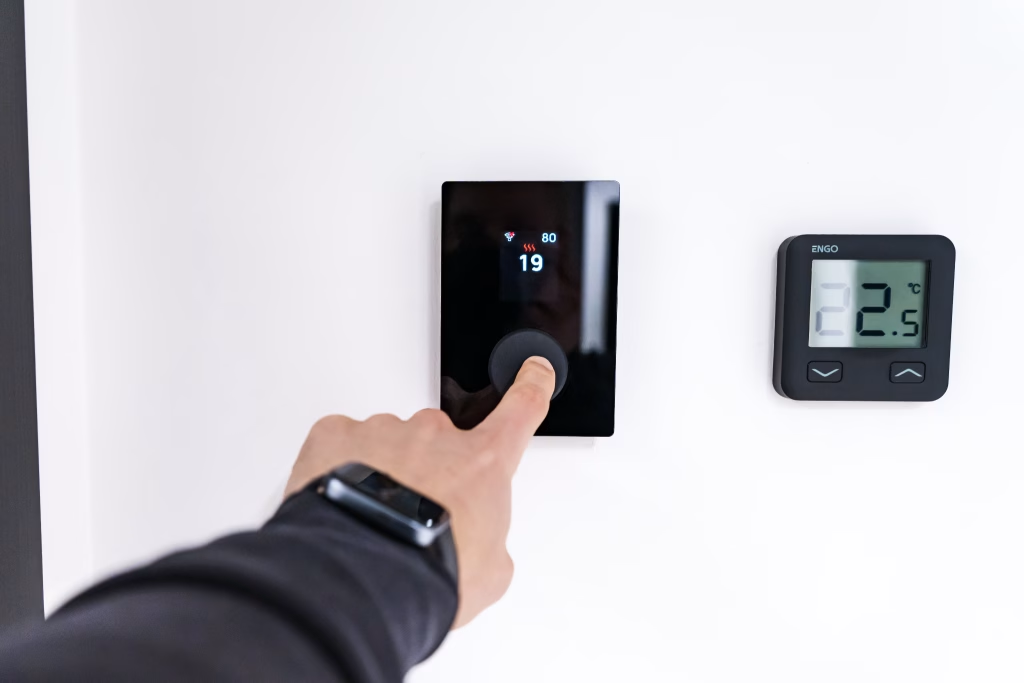
Proactive care keeps city heating and cooling systems operating smoothly through harsh winters and stifling summers. Performing simple monthly checks preserves indoor air quality and keeps energy costs manageable.
Taking small maintenance steps today protects equipment investment and maintains comfortable living conditions year-round. Consistent attention helps home comfort systems perform reliably whenever outdoor temperatures spike.