Lighting is one of the most powerful tools in interior design, but it often gets overlooked. The right light can make a small room feel huge, a stark room feel cozy, and a functional space feel inspiring. It’s about more than just flipping a switch; it’s about crafting an atmosphere. If you’ve ever felt like your home’s lighting was missing something, you’re not alone. Luckily, understanding a few common lighting rules can completely change how you see and use your space.
Understanding Light Layers
The secret to a well-lit room is layering. Instead of relying on one overhead light to do everything, professional designers use three different types of lighting that work together. This creates depth, interest, and makes the room more functional.
- Ambient Light: This is the general light in a room. It’s your main light source, like recessed lights, a chandelier, or a flush-mount ceiling fixture. Its job is to provide a comfortable level of brightness without glare.
- Task Light: As the name suggests, this is focused light for specific activities. Think of under-cabinet lights in the kitchen for chopping veggies, a desk lamp for working, or a reading lamp next to your favorite armchair.
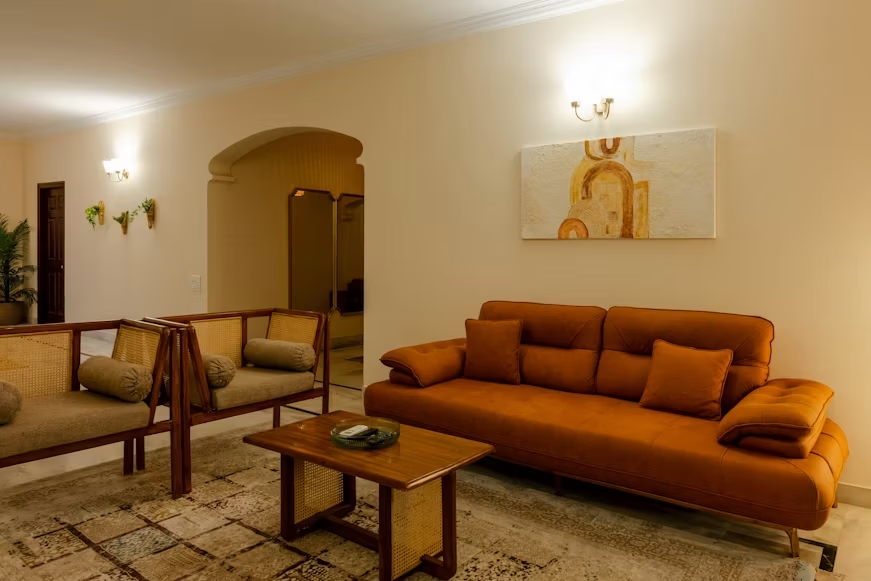
- Accent Light: This is the fun part. Accent lighting highlights architectural features, artwork, or decorative objects. Imagine a spotlight on a beautiful painting, or wall sconces casting a soft glow up and down a textured wall.
The Impact of Fixture Finishes
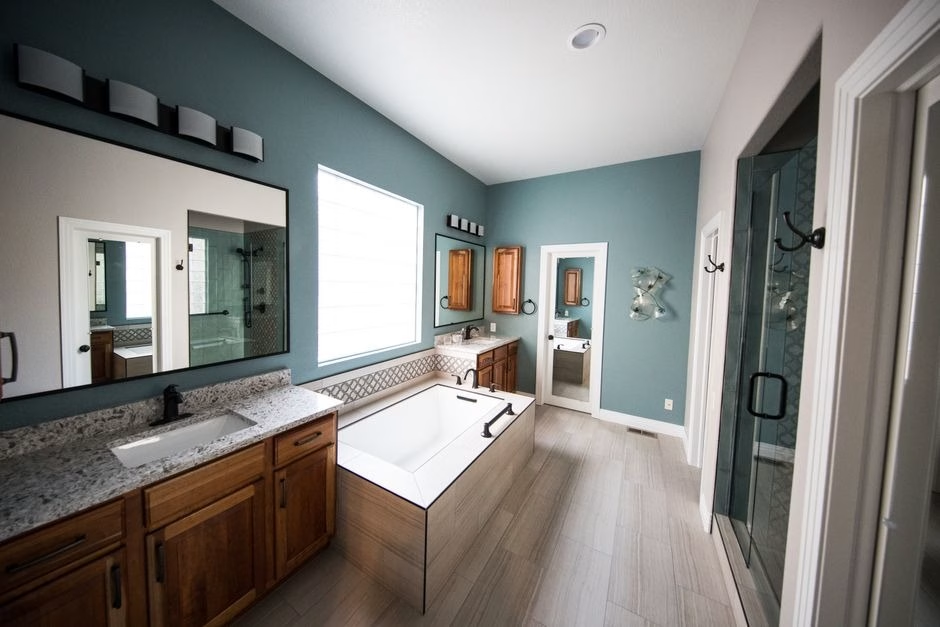
The style of your light fixtures matters just as much as the light they give off. The material and finish help shape the room’s overall look, bringing different elements together for a cohesive feel. A sleek, chrome pendant can add a modern touch, while a fixture with a matte black finish feels industrial and bold.
For a warm, sophisticated vibe, many designers turn to top luxury timeless brass wall lights to add a touch of classic elegance that pairs well with both modern and traditional decor. When picking finishes, consider the other hardware in the room, such as cabinet pulls, faucets, and door handles. Matching them creates a harmonious design, while mixing metals can add a dynamic, curated feel if you do it thoughtfully.
Kitchen and Dining Area Lighting
The kitchen is the heart of the home, and its lighting needs to be super practical. Great kitchen lighting combines all three layers for maximum function and style. You’ll want bright ambient light from ceiling fixtures for general visibility. Under-cabinet lighting is a must-have for task lighting, illuminating your countertops for safe food prep. You can explore various ways to incorporate task, ambient, and accent lighting to make the space truly shine.
In the dining area, the focus shifts to creating an inviting atmosphere. A statement pendant or chandelier over the dining table acts as a beautiful focal point. The key here is to put it on a dimmer switch. This lets you have bright light for family game night and a soft, low glow for an intimate dinner party.
Bedroom and Living Room Glow
In your relaxation zones, the goal is to create a soft, comfortable, and versatile environment. Harsh, direct overhead lighting is the enemy of a cozy bedroom. Instead, focus on layers of softer light. A pair of bedside lamps provides perfect task lighting for reading, while a floor lamp in a corner can add a warm ambient glow. If you have a central ceiling fixture, make sure it’s connected to a dimmer to control the intensity.
Your living room should be just as adaptable. It’s where you entertain guests, watch movies, and unwind after a long day. A combination of table lamps and floor lamps scattered around the room provides flexibility. Wall sconces are fantastic for adding ambient light that makes the whole room feel more inviting without causing glare on the TV screen.
Smart Lighting Solutions
Technology has made crafting the perfect ambiance easier than ever. Smart lighting, from individual bulbs to integrated systems, gives you complete control over your home’s atmosphere at the touch of a button or with a simple voice command.
You can adjust not only the brightness but also the color temperature of your lights, shifting from a cool, energizing white light during the day to a warm, relaxing golden hue in the evening. You can also schedule lights to turn on and off automatically, group lights to create “scenes” for different activities like “Movie Night” or “Dinner Party,” and save energy in the process.
Ultimately, thoughtful lighting design is about making your home work better for you. Layering different types of light and choosing fixtures that reflect your personal style helps you create spaces that are not only beautiful but also perfectly suited to your daily life.