
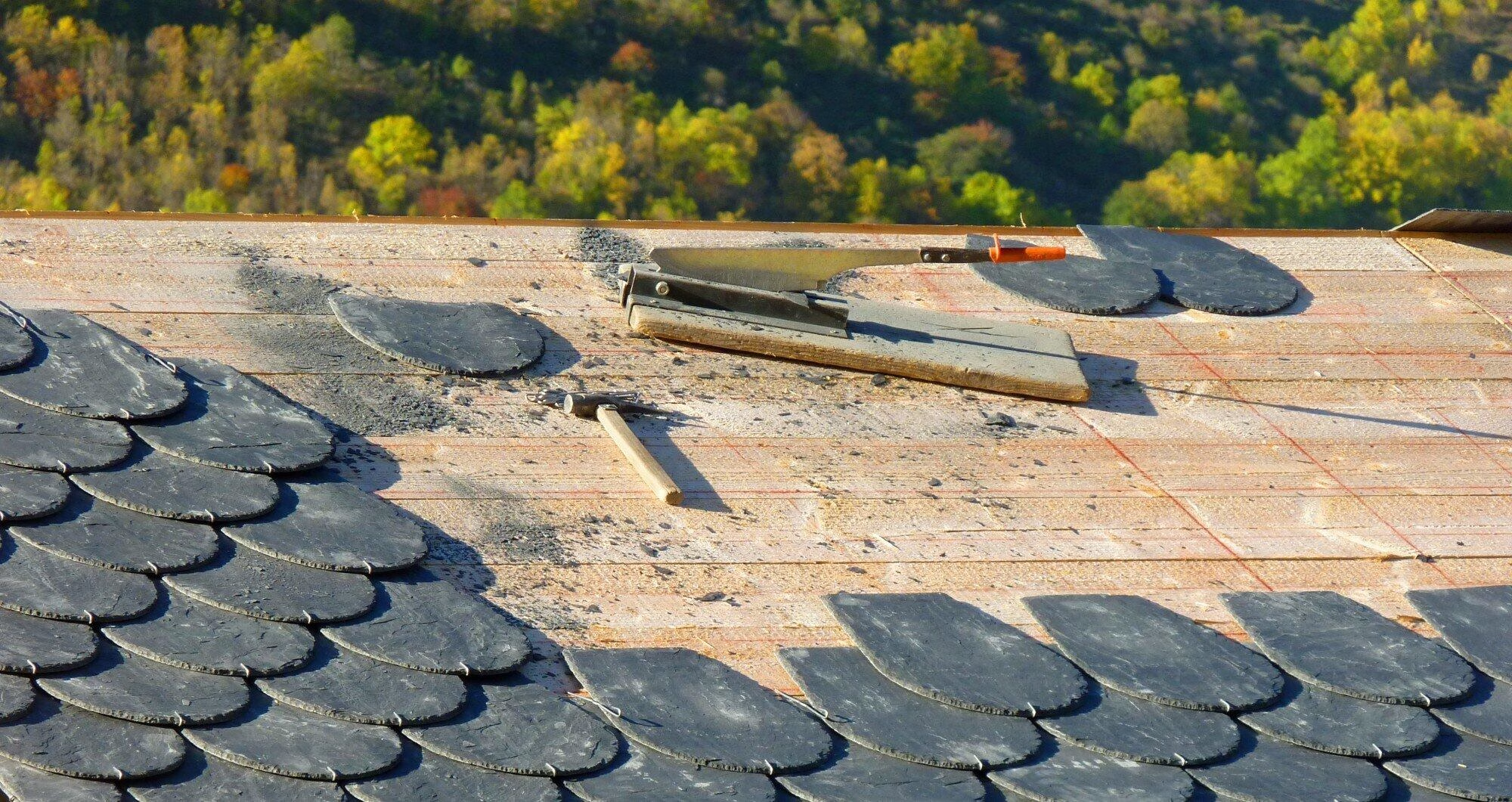
When was the last time you thought about your roof before a big storm? Many people forget just how important a strong roof is during extreme weather. Heavy rain, powerful winds, hail, and snow can test even the strongest roof.
A weak roof can cause leaks, damage, and costly repairs. Preparation can save money and stress in the long run. Simple steps can make a big difference when bad weather arrives.
This guide shares easy tips and proven strategies to help protect any roof from extreme weather. Read on!
Understand the Risks in Your Area
Every area faces different kinds of extreme weather, and knowing which ones are most likely is important. Some places get heavy snow in winter, while others deal with hurricanes or tornadoes. Check local weather reports and speak with neighbors about common weather threats.
Understanding these risks helps with planning and preparation. For example, homes in coastal regions might need extra protection from strong winds.
Areas with lots of rain should focus on preventing leaks and water damage. Knowing the risks lets you prepare more effectively. A well-informed homeowner is better equipped to protect their roof.
Schedule Regular Roof Inspections
Regular roof inspections are one of the best ways to catch problems early. Inspections should be done at least twice a year, especially before storm seasons. Look for loose or damaged shingles, sagging areas, and signs of water damage.
Pay attention to flashing around chimneys, vents, and skylights. These areas are prone to leaks during heavy rain or snow.
Professional roofers can spot hidden issues that are easy to miss. Early detection makes repairs easier and less expensive. Consistent inspections greatly reduce the risk of sudden roof failure.
Clean Gutters and Downspouts
Clean gutters and downspouts help keep water away from the roof and foundation. Clogged gutters can cause water to back up and damage shingles or wood.
Remove leaves, branches, and dirt from gutters at least twice a year. Check that downspouts direct water several feet away from the home.
In winter, make sure ice is not blocking water flow. Overflowing gutters can lead to leaks and mold growth inside the house. Installing gutter guards can help reduce the need for frequent cleaning.
Properly maintained gutters protect both the roof and the home’s structure. Clean gutters are a simple but powerful way to prevent damage. A Belleville roofing contractor can help homeowners identify gutter issues and ensure proper drainage to reduce the risk of water damage.
Trim Nearby Trees and Remove Debris
Overhanging tree branches can break and fall on the roof during storms. Trim branches so they do not touch or hang over the roof. Remove dead or weak trees that could fall in strong winds.
Small debris like twigs and leaves can collect on the roof and trap moisture. After storms, check the roof for any debris that needs to be cleared.
Keeping the area around the house tidy is part of good roof care. Trimming trees and removing debris reduces the risk of sudden roof damage.
Check and Repair Roof Flashing
Flashing is the metal or plastic material around chimneys, vents, and roof edges. It keeps water from seeping into the home during heavy rain.
Check these areas during a roof inspection to make sure they are secure. Repair any gaps or damaged spots right away.
Even small holes can let water in and cause big problems later. Storm damage repair is easier and less costly when flashing is well maintained and checked often. Proper flashing keeps the roof watertight and safe during storms.
Reinforce Roof Shingles and Tiles
Loose or missing shingles make it easy for wind and rain to get inside the roof. Check for shingles that are curling, cracked, or missing altogether. Replace damaged shingles before the next big storm.
In hurricane-prone areas, consider using special shingles designed to withstand high winds. Also check roof tiles for cracks or loose spots. Use roofing cement to secure any loose parts.
Reinforcing shingles and tiles helps the roof stay strong during extreme weather. A solid roof covering is the first line of defense against the elements.
Install Roof Straps and Fasteners
Roof straps and fasteners add extra strength to the roof structure. They hold the roof tightly to the walls, making it less likely to lift off during storms. Many building codes in storm-prone areas require these straps for safety.
If the home is older, check if straps or fasteners are already in place. A professional roofer can install them if they are missing.
Roof straps are especially important in hurricane- or tornado-prone areas. Securing the roof structure provides peace of mind during severe weather events.
Prepare an Emergency Roof Repair Kit
Having an emergency roof repair kit ready can save time and reduce stress during a storm. The kit should include tarps, roofing nails, a hammer, and waterproof tape. These items help cover damaged areas quickly until professional help arrives.
Flashlights, gloves, and a ladder can also be useful in emergencies. Store the kit in an easy-to-reach place, out of reach of water. Practice using the materials so you know what to do if the roof is damaged.
Being prepared lets you act quickly, reducing the risk of further damage. An emergency kit is an important part of extreme weather readiness.
Stay Informed and Practice Safety
Staying up to date on weather forecasts is crucial during storm season. Listen to local news and weather alerts for timely updates. If a severe storm is coming, don’t climb on the roof for last-minute repairs.
Safety should always come first. Move family and pets to a safe place if needed. Keep important phone numbers, like roofing professionals or emergency services, close by.
After the storm passes, check the roof safely from the ground before taking action. Knowing what to do in an emergency can make all the difference. Preparation and caution are the best tools for roof safety.
Building a Safer Home from the Top Down
Extreme weather can be unpredictable, but a well-prepared roof offers strong protection. Regular inspections, simple maintenance, and timely repairs are key to roof resilience. Taking small steps now can prevent big problems later.
Trimming trees, cleaning gutters, and reinforcing the roof make a big impact. Emergency kits and staying informed add another layer of safety. A strong roof keeps your home and loved ones safe year-round.
Did you like this guide? Great! Please browse our website for more!