Learn how property managers should respond to apartment building water damage, from stopping leaks and assessing moisture to resident communication and structural drying.
Water damage in an apartment building can quickly become a multi-unit problem. A leak that starts in one kitchen or bathroom may travel through floor assemblies, wall cavities, ceilings, and shared utility spaces before the full extent of the damage is visible. For property managers, an effective response requires more than calling a plumber. It also involves resident communication, moisture assessment, drying, documentation, and coordination with restoration professionals.
Stop the Water and Establish the Scope
The first priority is to stop the source. Common causes include burst pipes, appliance supply lines, overflowing fixtures, failed water heaters, roof leaks, and sprinkler-system problems. Property managers should know where main and zone shutoff valves are located and make sure emergency contacts are current.
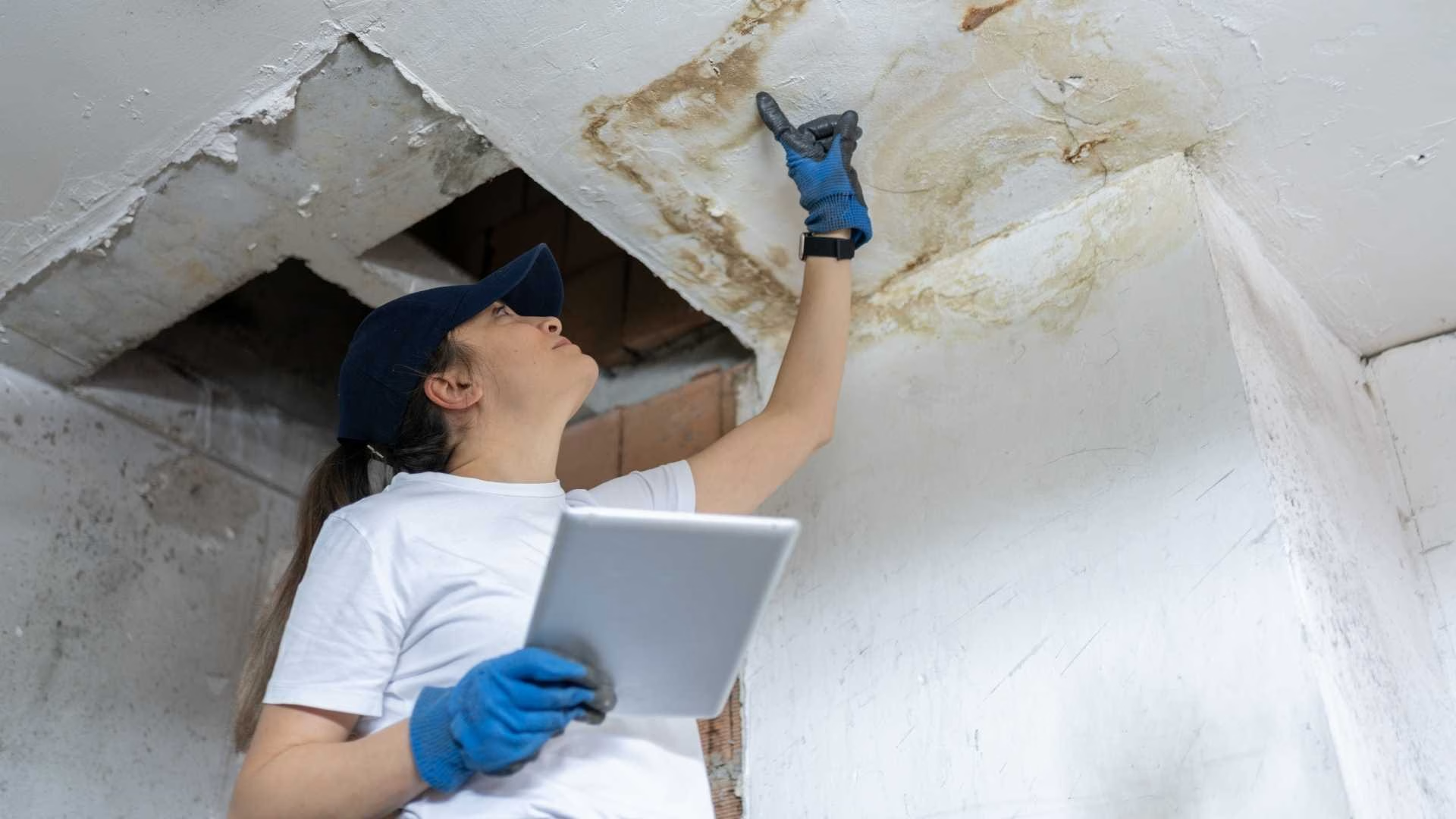
After the water is stopped, inspect the areas below and beside the original incident. Water follows the easiest available path, so damage can appear in units that seem unrelated to the initial leak. Ceilings, flooring, drywall, baseboards, closets, and mechanical spaces may all require inspection.
Communicate Clearly With Residents
Residents need timely, practical information. Explain which areas are affected, whether utilities may be interrupted, when contractors may need access, and whether any common areas are temporarily restricted.
Avoid giving a firm completion date before the building has been fully assessed. Drying time depends on the amount of water, the materials involved, and how far moisture has spread. Regular updates are more useful than an early estimate that later has to be changed.
Extract Water and Begin Structural Drying
Visible water should be removed promptly, followed by moisture detection and structural drying. Commercial air movers and dehumidifiers can help remove moisture from affected building materials and the surrounding air. Wet carpet padding, drywall, insulation, baseboards, or cabinetry may need to be removed when they cannot be dried effectively.
A professional provider such as Quality Restoration can support commercial properties with water extraction, moisture detection, dehumidification, structural drying, cleanup, and restoration after leaks or flooding.
Keep Detailed Records
Good documentation helps property managers keep owners, insurers, residents, and contractors aligned. Records may include the first report of the leak, photographs, affected unit numbers, moisture readings, contractor notes, resident communications, invoices, and the suspected cause.
Once the building is dry and repairs are complete, review why the incident occurred. Repeated plumbing leaks, aging supply lines, roof defects, drainage problems, and poorly maintained equipment can indicate a broader maintenance issue. Periodic inspections and a written emergency plan can reduce the impact of the next event.
The best response is organized, documented, and fast. By controlling the source, checking adjacent units, communicating with residents, and verifying that hidden moisture has been addressed, property managers can reduce disruption and protect the building from avoidable secondary damage.