You never notice how many systems keep a home running until one fails at 2 a.m. A burst pipe, dead AC in a heat wave, or a sparking outlet can turn a normal night into a scramble. Whether you rent or own, it pays to know what actually counts as an emergency, what you can safely handle yourself, and when a call has to happen right away. A little preparation now saves money, stress, and a miserable cleanup later.
Know the Difference Between Urgent and a True Emergency
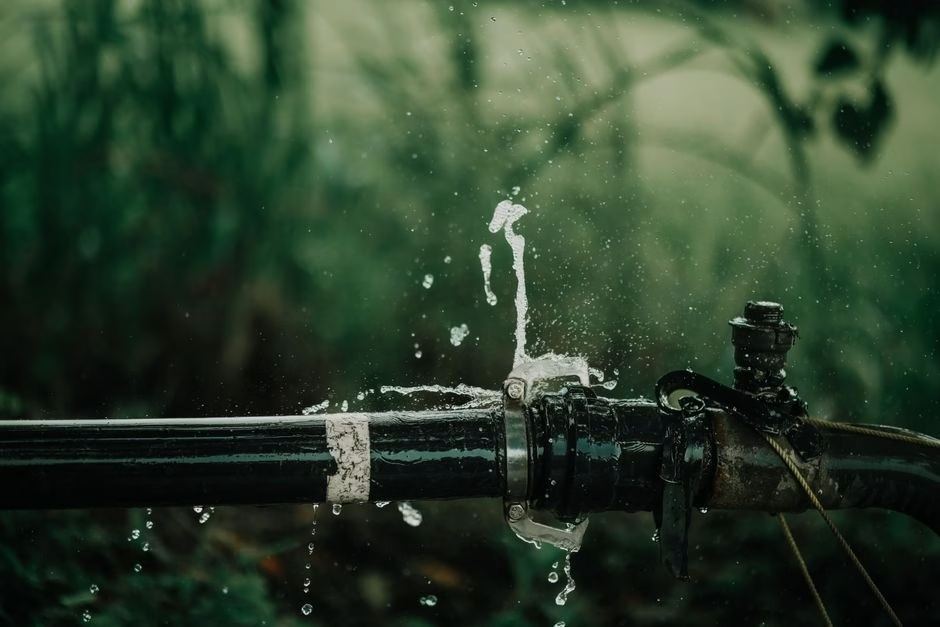
Not every home issue deserves a midnight call, even when it feels dramatic. A dripping faucet is annoying. A pipe spraying water inside your wall is another matter, and the difference comes down to whether the problem threatens safety, health, or serious property damage.
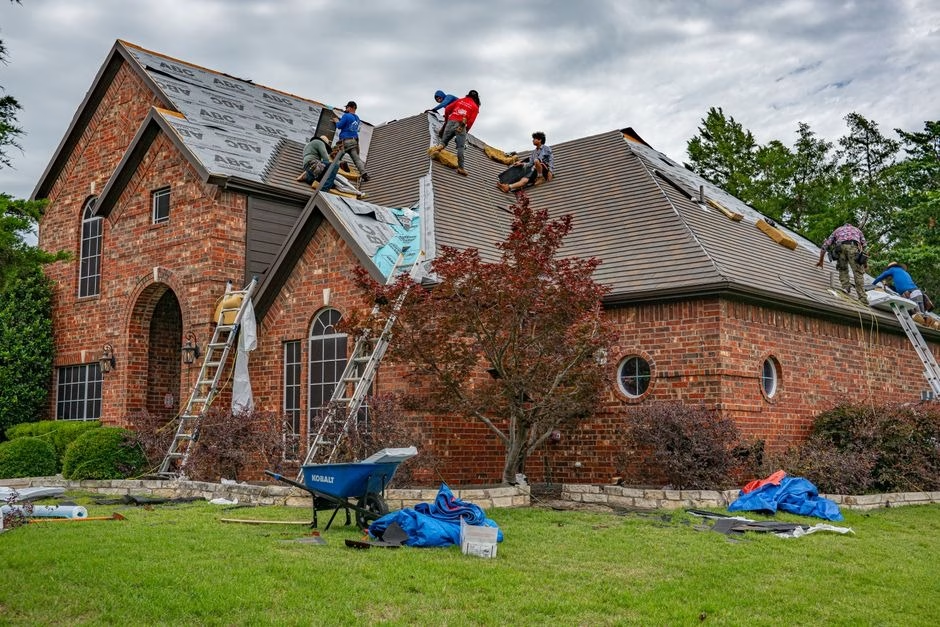
Water is one of the clearest cases. A burst pipe, a roof leak, or an overflowing appliance can soak drywall, flooring, and framing within minutes, and standing moisture starts breeding mold soon after. Left alone, a wet floor becomes a gutted room and a much bigger bill. The best way to handle a situation like this would be to contact an experienced residential emergency service provider to handle water, mold, and fire damage. A good service responds fast and bills your insurer directly.
Common true emergencies include:
- Active water leaks that can flood rooms
- Sewer backups or overflowing toilets that won’t stop
- Complete power loss tied to sparks, smoke, or a burning smell
- No heat during freezing weather
- No cooling during extreme heat if vulnerable people are inside
- Gas smells or suspected carbon monoxide
Some problems are urgent but can usually wait for normal business hours:
- One clogged sink
- A water heater making less hot water than usual
- A garage door that won’t open
- A single dead outlet with no burning smell
Think in layers. Ask yourself two things: Is anyone in danger? Will waiting six hours make the damage much worse? If either answer is yes, you’re in emergency territory. Nobody hands out a medal for toughing it out while the ceiling turns to soup.
Start With Safety Before You Start Troubleshooting
Your first move should never be heroic guesswork. Emergencies get expensive, but injuries get worse. Before you inspect anything closely, protect yourself and the people around you.
If water is near electrical systems, stay back and cut power only if you can reach the breaker safely. If you smell gas, leave immediately and call the utility or emergency services from outside. If smoke comes from a panel, appliance, or outlet, stop flipping switches to see what happens.
A short checklist helps:
- Turn off the main water valve during major leaks
- Shut off electricity in affected areas if it’s safe
- Open windows if the air feels contaminated, unless fire or gas makes that unsafe
- Keep kids and pets away from the area
- Take photos once things are stable
Photos matter more than people realize. They help with insurance claims, landlord disputes, and repair records. Keep flashlights, batteries, and a basic tool kit in one easy-to-find spot. In an emergency, nobody wants to dig for a wrench in the same drawer as old takeout packets.
Build a Response Plan Before You Need One
Most people wait until a crisis hits to figure out who to call. That’s how you end up scrolling reviews while standing in ankle-deep water. Build a short contact list before anything breaks.
Include:
- A plumber
- An electrician
- An HVAC technician
- Your utility providers
- Your landlord or property manager if you rent
- Your homeowners or renters insurance company
Store these in your phone and on paper. If the power is out and your battery is dying, digital-only planning falls apart fast. Label your shutoff points too. Know where the main water valve is, where the electrical panel sits, and how to cut power to major appliances.
Preparation is not paranoia. It’s maintenance with better timing. The households that recover fastest usually didn’t get lucky. They planned before chaos walked in.
Handle the First 30 Minutes the Right Way
The first half hour often decides whether the repair bill stays manageable or starts climbing. Fast action matters, but the right action matters more.
If a pipe bursts, shut off the main water valve first. Then move rugs, electronics, furniture, and anything absorbent out of the way. Use towels, buckets, and a wet vacuum if you have one. If sewage is involved, stop at basic containment and wait for help. That is not a mop-and-hope situation.
For electrical issues, unplug devices only if the area is dry and safe. If one breaker keeps tripping, don’t force it back again and again. That pattern usually signals a deeper problem, not a quirky switch.
For HVAC failures in extreme temperatures:
- Close blinds and curtains to reduce heat gain
- Use fans if they improve comfort safely
- Stay hydrated
- Check on older adults, young children, and pets
- Relocate temporarily if conditions indoors become dangerous
Document everything you do. Write down when the issue started, what steps you took, and what you saw. That detail helps technicians diagnose faster and can strengthen an insurance claim. Calm, structured action beats random multitasking every time.
Watch for the Hidden Damage After the Crisis
The loud part of an emergency gets attention. The quiet aftereffects cause the longer headache. Water behind walls, weakened drywall, mold, scorched wiring, and compromised insulation can linger well after the obvious problem seems fixed.
After the immediate repair, keep checking the area over the next several days. Look for:
- New stains on ceilings or walls
- Musty smells
- Bubbling paint
- Warped flooring
- Circuits acting strangely
- Reduced airflow from vents
Water damage likes to spread out of sight. According to the Federal Emergency Management Agency, mold can begin growing within 24 to 48 hours in damp conditions. That makes drying, ventilation, and a follow-up inspection more important than many homeowners expect.
If your emergency involved fire risk, electrical burn marks, or repeated system failure, ask whether a fuller inspection makes sense. A patch repair can solve the symptom and miss the root cause. The goal is not just getting back to normal. It’s making sure normal is actually safe.
A home can look fine and still sit one hidden issue away from round two. That sequel rarely improves on the original.
Use the Experience to Make Your Home More Resilient
Once the crisis passes, you have useful data. Your home just showed you a weak point. Treat that as a warning, not a random inconvenience.
Start with simple upgrades:
- Replace old supply lines on sinks and toilets
- Install leak detectors near water heaters and washing machines
- Service HVAC systems before peak summer and winter
- Test smoke and carbon monoxide detectors monthly
- Label breakers clearly
- Trim trees near power lines if local rules allow it
Review your insurance coverage as well. Many people assume every emergency is covered, then learn too late that gradual leaks, sewer backups, or certain appliance failures may need separate protection. The Insurance Information Institute explains common coverage gaps clearly.
If you rent, report problems early and in writing. Small maintenance issues often grow into larger emergencies when they’re ignored or poorly patched. If you own, regular inspections catch wear before it turns into a full-scale disruption.
Home emergencies feel random in the moment. Up close, most follow patterns: aging materials, delayed maintenance, and no backup plan. You can’t prevent every failure. You can make your home far less vulnerable, and yourself much harder to catch off guard.