Your home can look perfectly fine while water is busy causing expensive trouble behind walls, under floors, and around fixtures. In a place like Gaithersburg, MD, where seasonal temperature swings, older neighborhoods, and newer builds all exist side by side, plumbing issues don’t always announce themselves with a dramatic burst pipe. Sometimes they creep in slowly, stain by stain, drip by drip.
If you know what to watch for, you can catch problems early and avoid a repair bill that feels like a jump scare.
Small Leaks Rarely Stay Small
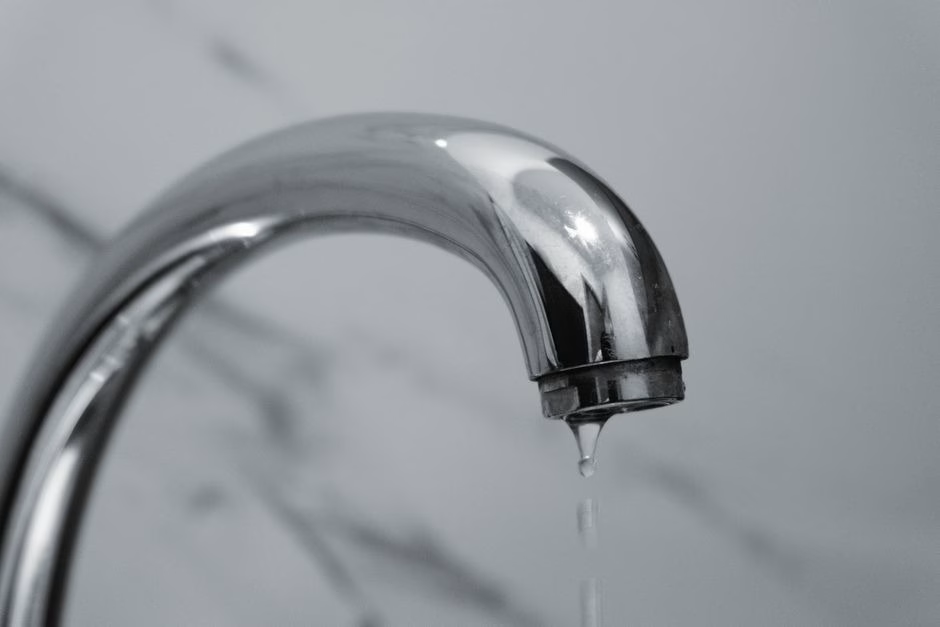
A tiny leak under your sink may seem harmless, especially if you only notice a damp cabinet floor once in a while. Water doesn’t need much time to start warping wood, loosening laminate, and inviting mold to move in like it pays rent.
Check under sinks, around toilet bases, behind washing machines, and near your water heater. Look for bubbling paint, soft drywall, musty smells, or stains that keep getting darker. Those are your home’s version of a warning light.
If a pipe starts leaking at night or over a weekend, waiting too long can turn a simple fix into a damaged floor and a mold cleanup project. In that kind of situation, calling an emergency plumber in Gaithersburg, MD can help you limit damage before water spreads to nearby rooms.
Slow Drains Can Point to Bigger Trouble
A slow drain is easy to dismiss. Most people assume it’s just hair, soap scum, or a clog that will eventually clear. Sometimes that’s true. Sometimes your plumbing system is hinting at a deeper blockage, pipe buildup, or even a sewer line issue.
Pay attention if multiple drains in your house start moving slowly at the same time. That pattern usually means the problem goes beyond one sink or shower. Gurgling sounds, bad odors, or water backing up in a tub after you run the washing machine also deserve attention.
Skip the habit of pouring harsh chemical drain cleaners down the pipe every time things get sluggish. They can corrode certain pipes over time and don’t always solve the actual blockage. A proper inspection usually tells you more than a bottle with dramatic branding ever will.
Your Water Bill Can Expose What You Can’t See
One of the smartest ways to catch a hidden plumbing issue is also one of the least flashy: read your water bill. If your usage suddenly jumps and your household habits haven’t changed, you may have a leak somewhere out of sight.
Toilets are common offenders. A running toilet can waste a surprising amount of water without making a scene. Underground supply line leaks are even sneakier. You may not notice them until the lawn develops soggy patches or the foundation area stays unusually wet.
You can also test for hidden leaks by checking your water meter, avoiding water use for a couple of hours, and checking again. If the reading changes, water is moving somewhere it shouldn’t.
That kind of silent loss adds up fast. It’s not just about the utility bill. Long-term moisture near your foundation or framing can create structural issues that cost far more than the water itself.
Low Water Pressure Isn’t Just Annoying
Low water pressure has a way of making every shower feel disappointing, but comfort isn’t the main issue. Pressure drops can signal mineral buildup, pipe corrosion, hidden leaks, or valve problems.
If only one fixture has weak pressure, the fix may be simple. A clogged aerator or showerhead can restrict flow, especially in areas where mineral deposits build up over time. If the whole house has low pressure, the cause is often more complex.
Older galvanized pipes are especially prone to internal corrosion, which narrows the space water can move through. That means your plumbing system may be aging from the inside even if everything looks normal on the surface.
Water Heater Problems Build Up Gradually
Water heaters rarely go from fine to disastrous in one leap. Most start dropping hints. Maybe your hot water runs out faster, the tank makes rumbling noises, or the water starts looking rusty. None of that counts as normal aging you should casually accept.
Sediment buildup is a common issue, especially as minerals settle in the tank over time. That layer forces the unit to work harder, reduces efficiency, and can shorten its lifespan. A noisy tank often means that sediment is baking at the bottom like something you forgot in the oven.
Leaks around the base, inconsistent temperatures, or moisture near the unit all deserve a close look. Even a minor drip can damage flooring and nearby walls.
Seasonal Weather Can Stress Plumbing Systems
Weather changes put plumbing under more pressure than many homeowners realize. Cold snaps can freeze exposed pipes, while heavy rain can overwhelm drainage systems and reveal foundation or sump pump issues.
In Gaithersburg, seasonal shifts can be rough on older plumbing components, outdoor spigots, and pipes in unheated spaces like basements, garages, and crawl spaces. Even newer homes aren’t immune if insulation or installation quality falls short.
Before winter, disconnect hoses, shut off exterior faucets if possible, and insulate vulnerable pipes. During heavy rain, pay attention to basement dampness, musty odors, or water collecting where it usually doesn’t.
Knowing When to Act Saves More Than Money
A hidden plumbing problem usually gives you at least one clue. The trick is noticing it early and resisting the urge to put it on the “deal with later” list. Water damage compounds fast, and repair costs often grow in layers: plumbing, drywall, flooring, paint, and sometimes mold remediation for extra chaos.
A good rule is simple. If you notice recurring moisture, unexplained stains, strange drain behavior, pressure changes, or unusual sounds, investigate. Take photos, monitor the pattern, and get professional help when the issue goes beyond a basic DIY fix.
Home maintenance isn’t glamorous, and nobody brags about catching a slab leak early at a dinner party. Still, staying alert protects your budget, your structure, and your sanity. In plumbing, quiet problems are often the ones that hit hardest if you let them linger.