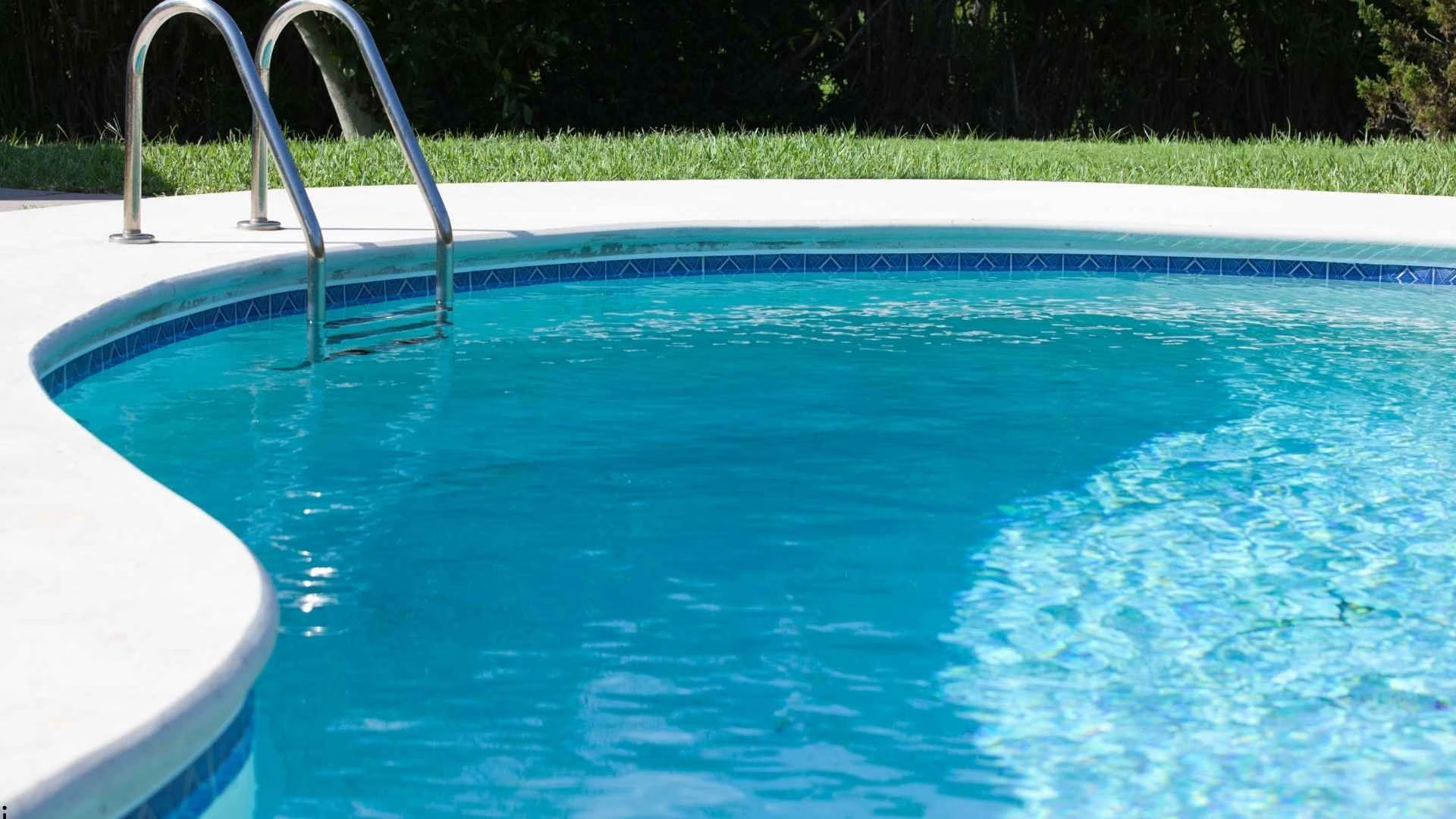
An in-ground pool is a valuable addition to any home, offering relaxation, exercise, and entertainment throughout the warmer months. However, keeping your pool at a comfortable temperature can become expensive if your heating system isn’t operating efficiently. Whether you own a gas heater or an electric heat pump, improving efficiency not only lowers energy bills but also extends the lifespan of your equipment.
Fortunately, maximizing your pool heater’s performance doesn’t always require major upgrades. By following a few practical maintenance and energy-saving strategies, you can enjoy warm water while reducing operating costs. Here’s how to get the most from your in-ground pool heating system.
Choose the Right Heating System
Efficiency begins with selecting a heater that matches your pool’s size and your local climate. An undersized heater will struggle to maintain the desired temperature, while an oversized unit may increase upfront costs unnecessarily.
Electric heat pumps have become a preferred choice for many homeowners because they transfer heat from the surrounding air rather than generating it directly. This process typically uses less electricity than conventional electric resistance heaters, making them a cost-effective option for long-term use in moderate climates.
If you’re considering upgrading your equipment, modern Inground Pool Heat Pumps combine energy-efficient performance with advanced features like inverter technology, helping homeowners reduce operating expenses while maintaining consistent water temperatures.
Use a Pool Cover
One of the simplest and most effective ways to improve heater efficiency is by using a high-quality pool cover.
Most heat loss occurs through evaporation, especially during cool evenings or windy weather. A pool cover helps retain heat by creating a barrier between the water and the surrounding air.
Benefits include:
- Reduced evaporation
- Lower heating costs
- Faster water warm-up
- Less chemical loss
- Cleaner pool surface
Even using a cover overnight can significantly reduce the amount of energy your heater needs to maintain the desired temperature.
Set a Reasonable Water Temperature
Many pool owners unknowingly waste energy by setting water temperatures higher than necessary.
For recreational swimming, temperatures between 78°F and 82°F (26°C to 28°C) are generally comfortable. Raising the temperature by just a few degrees can noticeably increase energy consumption.
Consider lowering the temperature when:
- The pool won’t be used for several days.
- You’re leaving on vacation.
- Weather forecasts predict warmer temperatures.
- Children or guests won’t be swimming.
Using programmable temperature settings helps maintain comfort without unnecessary energy use.
Keep Your Filter Clean
Your heater depends on proper water circulation to operate efficiently.
A dirty or clogged pool filter restricts water flow, forcing the heater to work harder and potentially reducing heating performance.
Regular maintenance should include:
- Cleaning cartridge filters
- Backwashing sand filters when needed
- Checking pressure gauges
- Replacing worn filter media according to manufacturer recommendations
Proper water circulation allows the heater to transfer heat more effectively while reducing strain on the entire pool system.
Schedule Regular Heater Maintenance
Routine inspections help keep your pool heater operating at peak efficiency throughout the swimming season.
Maintenance tasks may include:
- Inspecting electrical connections
- Cleaning evaporator coils (for heat pumps)
- Checking refrigerant levels when necessary
- Removing debris around the unit
- Examining plumbing connections for leaks
Addressing small issues early can prevent larger repairs while maintaining optimal performance.
Improve Airflow Around Heat Pumps
If you use an electric heat pump, unrestricted airflow is essential.
Heat pumps absorb warmth from the surrounding air. Leaves, shrubs, fences, or outdoor furniture placed too close to the unit can reduce airflow and decrease efficiency.
Maintain adequate clearance around the heater according to the manufacturer’s recommendations, and regularly remove leaves, grass clippings, and other debris that may accumulate around the unit.
Take Advantage of Smart Controls
Many modern pool heaters now include WiFi connectivity and programmable controls.
These smart features allow homeowners to:
- Schedule heating times
- Monitor system performance remotely
- Adjust temperatures using mobile apps
- Reduce heating during periods of non-use
Programming your heater to warm the pool shortly before use rather than maintaining maximum temperatures continuously can substantially lower energy consumption.
Use Variable-Speed Pool Pumps
Your pool pump also affects heater efficiency.
Variable-speed pumps consume significantly less electricity than traditional single-speed models while providing consistent water circulation.
Running a variable-speed pump at lower speeds during filtration and increasing flow only when heating is required can improve overall system efficiency and reduce utility costs.
Protect Against Heat Loss
Several environmental factors contribute to heat loss, including wind and cool nighttime temperatures.
You can minimize these losses by:
- Installing windbreaks such as fencing or landscaping
- Using solar blankets
- Heating the pool during warmer daytime hours
- Keeping the water covered whenever practical
Reducing heat loss means your heater spends less time restoring lost warmth, resulting in lower energy bills.
Monitor Water Chemistry
Balanced pool water supports efficient heater operation and protects internal components from corrosion or mineral buildup.
Regularly test and maintain:
- pH levels
- Total alkalinity
- Calcium hardness
- Sanitizer levels
Poor water chemistry can shorten equipment lifespan and reduce heating efficiency by damaging heat exchangers and plumbing components.
Upgrade to Inverter Technology
If your current heater is several years old, upgrading to an inverter heat pump may provide significant energy savings.
Unlike traditional fixed-speed systems that operate at full power until the target temperature is reached, inverter models continuously adjust compressor speed based on heating demand.
Advantages include:
- Lower electricity consumption
- More consistent temperatures
- Quieter operation
- Reduced wear on components
- Longer equipment lifespan
Although inverter systems may have a higher initial purchase price, the reduced operating costs often make them a worthwhile long-term investment.
Don’t Overlook Proper Sizing
Even the most advanced heater cannot perform efficiently if it isn’t properly sized for your pool.
Factors influencing heater size include:
- Pool volume
- Average outdoor temperature
- Wind exposure
- Desired swimming season
- Whether a pool cover is used
Consulting sizing recommendations before purchasing a heater helps ensure efficient operation and faster heating performance.
Final Thoughts
Improving the efficiency of your in-ground pool heater doesn’t require complicated changes. Simple habits like using a pool cover, maintaining proper water chemistry, cleaning your filter, and scheduling routine maintenance can dramatically reduce energy consumption.
If you’re planning to replace an older system, investing in a modern heat pump with inverter technology and smart controls can further improve performance while lowering long-term operating costs.
By combining good maintenance practices with energy-efficient equipment, you’ll enjoy a comfortable swimming temperature, lower utility bills, and a longer-lasting pool heating system for years to come.