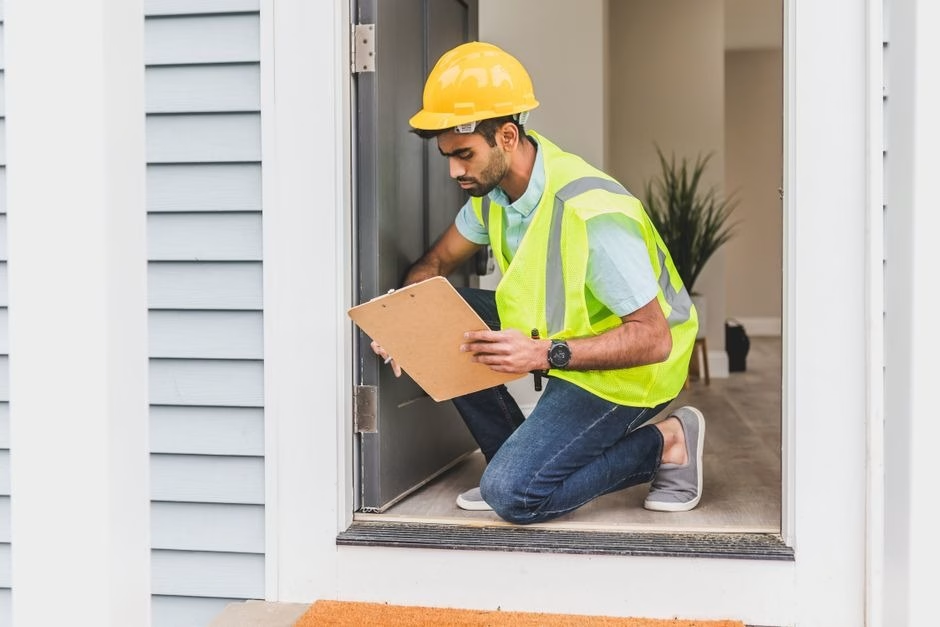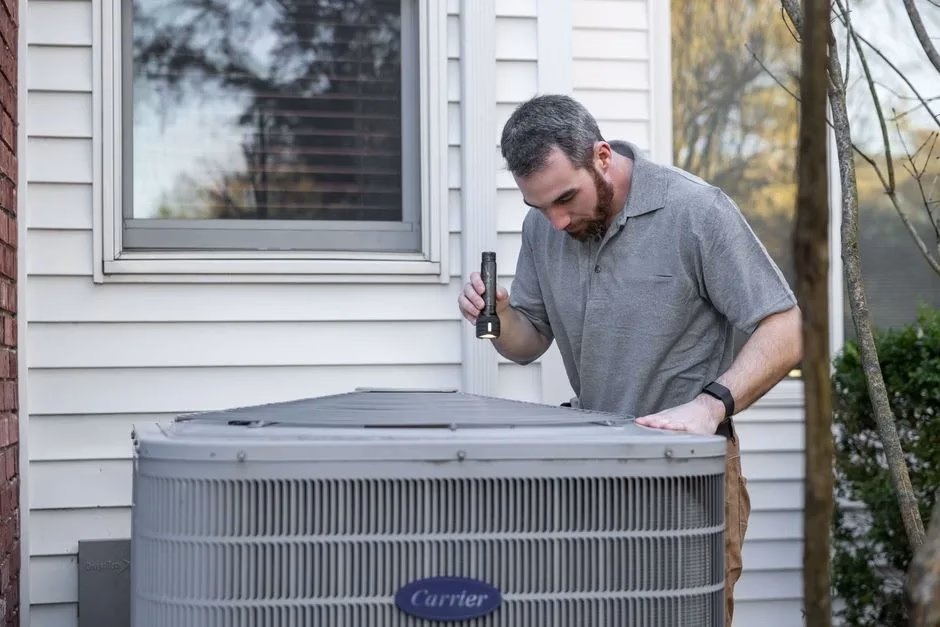
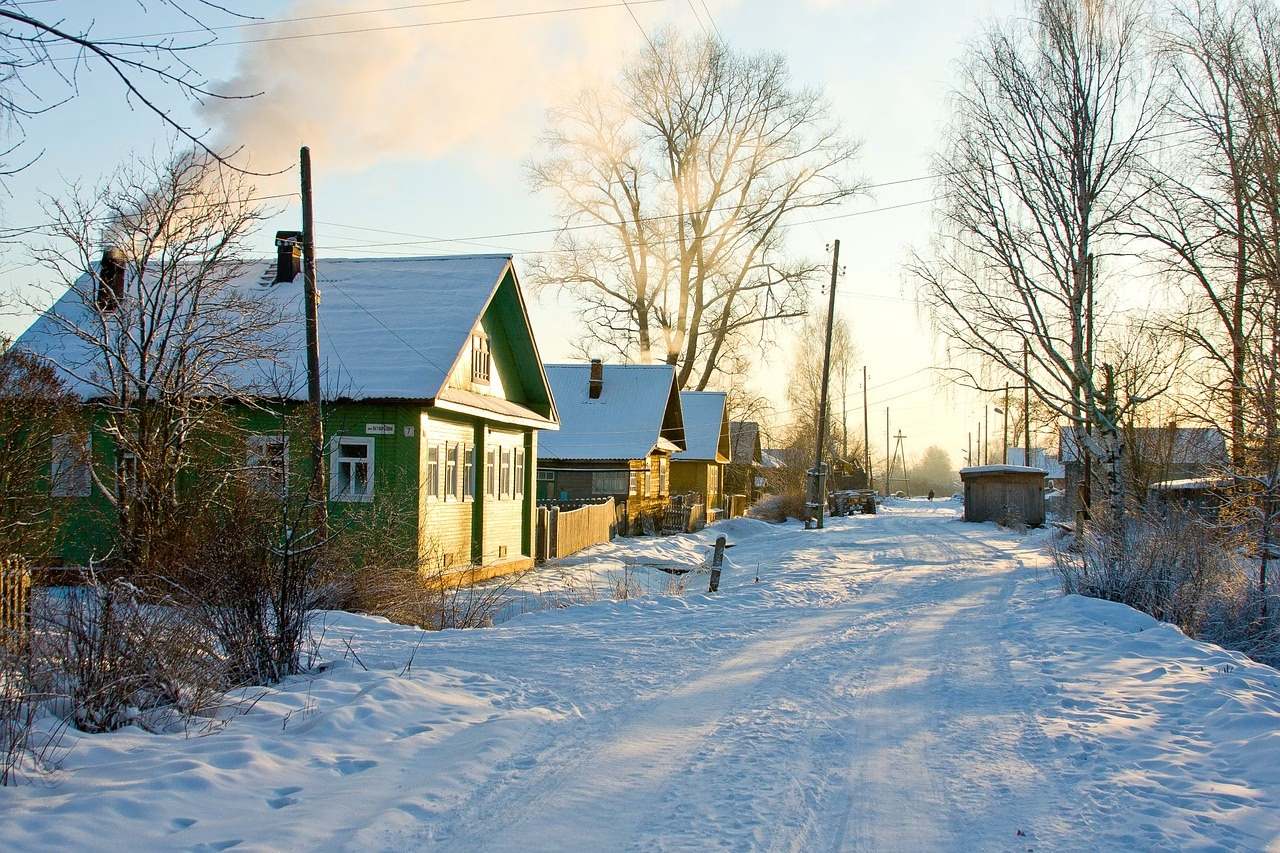
Winter has a sneaky way of finding every weak spot in a home. One leaky faucet, one stuck window, one burst pipe… and now you’re staring at a repair bill in the thousands. The good news? You can prevent most costly winter damage with just a few simple checks beforehand.
This checklist highlights the most critical pre-winter maintenance items every homeowner should complete to safeguard their home — and their finances — from expensive damage.
Let’s jump in…
Here’s what’s inside:
- Why Pre-Winter Prep Is Worth Your Time
- The Garage Door Check (Most Homeowners Skip This)
- Plumbing & Pipe Inspections
- HVAC and Heating System Checks
- Sealing Drafts and Insulating Weak Points
- Roof, Gutters & Outdoor Prep
Why Pre-Winter Prep Is Worth Your Time
Winter damage is expensive. Really expensive. Water damage and freezing account for 23% of homeowner insurance losses in America according to the Insurance Information Institute. The average claim cost is $15,400.
And it gets worse…
State Farm received over 20,000 frozen pipe claims valued at more than $628 million from 2024 to mid-2025. Claims paid averaged more than $30,000.
The bottom line is most of these claims are preventable. Several hours of preparation this fall could save you thousands in damages, prevent denied insurance claims and severe family hardship.
The truth is winter doesn’t break your home in one day. It’s a culmination of all the small things you should’ve fixed in October.
The Garage Door Check (Most Homeowners Skip This)
Your garage door is your home’s biggest moving part — and cold weather’s first target.
Icy seals, rigid springs, slow openers … they’re just a few problems that rear their ugly heads when the mercury dips. If your garage is attached to your home, you also have the problem of cold air blasting into your living space from a damaged or poorly sealed garage door.
That’s where Smart garage door openers come in.
Smart garage door openers allow you to remotely monitor and receive alerts from your smartphone. You can see if your door is closed, receive alerts if it opens and close it from anywhere if it’s snowing. If your existing garage door opener is over 10 years old or having issues opening in cold weather you may need a garage door company to evaluate your system and suggest a smart solution.
Before winter sets in, the garage door checklist looks like this:
- Lubricate rollers, hinges, and springs
- Replace worn weather stripping along the bottom seal
- Test the battery backup on the opener
- Clean and realign the safety sensors
Smart garage door openers can also connect with smart thermostats and home automation systems. They help eliminate heat loss each time your garage door opens or closes. A small upgrade that will benefit you all winter.
Plumbing & Pipe Inspections
Frozen pipes are the NUMBER ONE cause of winter homeowners insurance claims. Now, why are frozen pipes so deadly? One tiny crack in a frozen pipe can release over 250 gallons of water each day. Enough water to ruin floors, drywall, furniture and electronics in a matter of hours.
The pipes most at risk are the ones in unheated spaces:
- Basements
- Crawl spaces
- Attics
- Exterior walls
- Attached garages
Before winter, every homeowner should:
- Insulate exposed pipes with foam sleeves or heat tape
- Disconnect and drain outdoor garden hoses
- Shut off and cover exterior faucets
- Know where the main water shut-off valve is located (you don’t want to be looking for it in an emergency)
When freezing temperatures are expected and the home will be vacant more than one or two days, set the thermostat to at least 55°. Most policies demand it — and failing to do so could invalidate your claim.
HVAC and Heating System Checks
The heating system will be working overtime soon. Make sure it’s ready. In addition to costing more to operate, a poorly maintained furnace can also break down when you need it most. If your furnace quits in the middle of a cold snap, you can guarantee you’ll experience frozen pipes, unhappy relatives, and an emergency service call.
Pre-winter HVAC checks should include:
- Replacing the air filter
- Scheduling a professional tune-up
- Testing the thermostat (and replacing the battery if needed)
- Making sure vents and registers are open and unblocked
- Bleeding radiators on hot water systems
Don’t wait until the heat doesn’t work the first cold night. By then, every HVAC shop in town is booked solid.
Sealing Drafts and Insulating Weak Points
Cold air finds its way through the tiniest cracks. Then your heating system works overtime just to stay even. Take a brief candle (or your hand) and walk around your house. You’ll easily locate drafts around:
- Windows
- Exterior doors
- Electrical outlets on outside walls
- Attic hatches
- Crawl space vents
Weatherstrip, caulk or spray foam in gaps. It’s inexpensive, it’s quick and it can save 10-20% on heating costs this winter.
Look closely at places where pipes run. Insulating plumbing in cold areas is one of the best bang for buck pre-winter projects.
Roof, Gutters & Outdoor Prep
Snow and ice can exert tremendous weight on a roof. If gutters are clogged or flashing is damaged, ice dams may occur. Ice dams push water back underneath shingles and into the attic.
Before the first freeze:
- Clean leaves and debris out of every gutter
- Inspect the roof for missing or damaged shingles
- Trim tree branches that hang over the house
- Check that downspouts direct water away from the foundation
The outdoor stuff matters too:
- Drain and store garden hoses
- Winterize the sprinkler system
- Cover outdoor AC units
- Store patio furniture, grills, and cushions
These little projects only take an afternoon. Neglecting them can result in thousands of dollars of damage when winter really arrives.
Closing The Hatches
Winterizing your home isn’t sexy. But it’s one of the wisest investments a homeowner will make.
A few hours of work in the fall can prevent:
- Burst pipes and water damage
- Frozen and damaged garage doors
- Furnace failures during cold snaps
- Sky-high heating bills
- Denied insurance claims
To quickly recap, the most important checks are:
- Service the garage door and consider upgrading to a smart opener
- Insulate exposed pipes and shut off outdoor water
- Schedule an HVAC tune-up and replace filters
- Seal drafts around doors, windows, and outlets
- Clean the gutters and inspect the roof
- Winterize outdoor faucets, hoses, and equipment
Run these diagnostics now and make winter just another season. Not a five digit catastrophe.