Indoor space quality impacts daily living conditions in every structure. Taking simple proactive measures keeps indoor air clean and shields surfaces from unseen degradation.
Water accumulation creates ideal conditions for spores to settle and expand across walls or flooring. Early action stops small structural dampness issues before expensive repairs become necessary.
Controlling Indoor Humidity Levels
Indoor air contains varying amounts of vapor depending on seasonal shifts and daily domestic activities. Controlling interior humidity serves as a frontline defense against microbial spread.
Official health guidelines recommend keeping indoor humidity levels below 50% throughout the day. Daily monitoring with a simple digital hygrometer gives homeowners exact readings to manage room conditions.
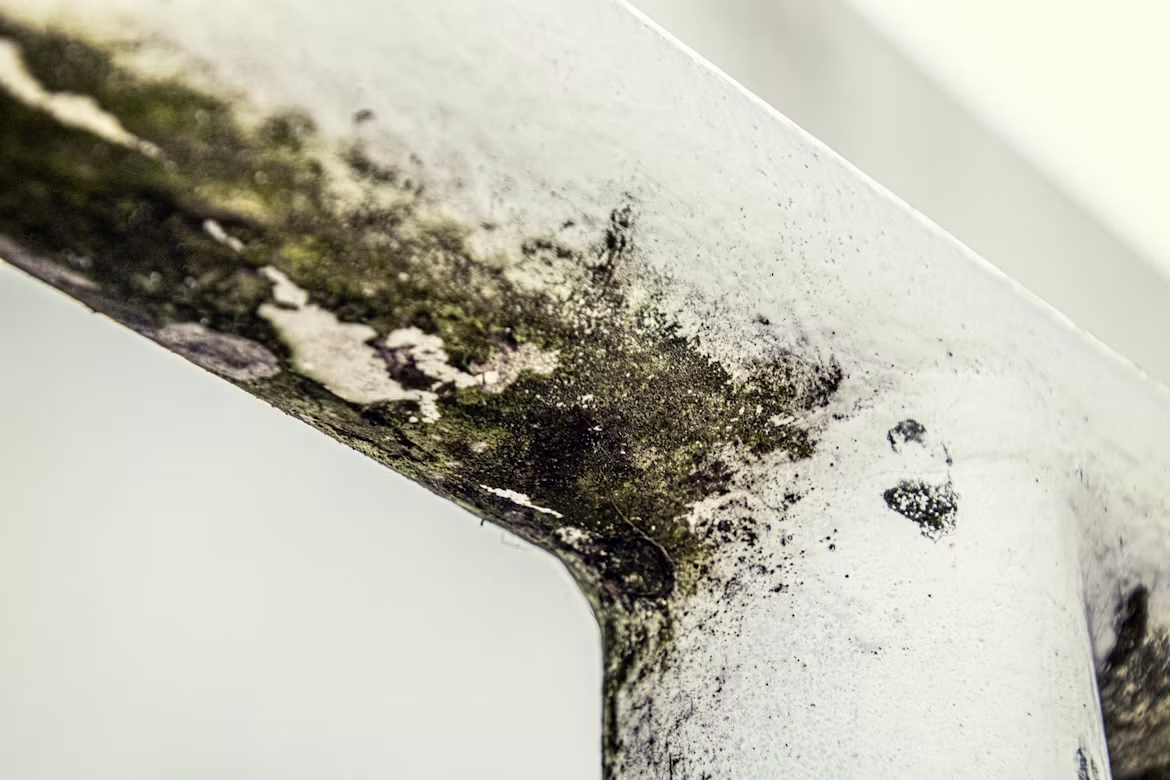
High indoor humidity allows invisible spores to colonize drywall, wood trim, and ceiling tiles. Keeping interior air dry prevents these biological organisms from taking root on household materials.
Using Air Conditioners and Dehumidifiers
Mechanical ventilation equipment provides effective temperature and moisture control for enclosed residential zones. Running proper cooling units moves stagnant indoor air while pulling excess vapor out of living spaces.
Running mechanical systems routinely keeps indoor spaces dry throughout humid seasons. Many homeowners consult this Charleston testing company when indoor dampness starts creating noticeable structural issues. Professional guidance helps clarify whether home HVAC equipment requires adjustment or maintenance.
Replacing air filters every 30 to 90 days optimizes airflow across modern cooling systems. Clean filters allow appliances to extract excess moisture without placing heavy strain on electrical motors.
Managing Moisture in Bathrooms and Kitchens
Cooking and hot showers generate substantial amounts of airborne vapor inside high-use domestic zones. Exhaust fans ought to run continuously during meal prep or bathing to route steam directly outside.
Medical clinical reviews suggest using dedicated air conditioners or dehumidifiers to maintain low room humidity. Running exhaust systems for 20 minutes after bathing carries remaining vapor out of localized areas.
Wiping down wet tile surfaces after daily bathing routines removes residual standing droplets. Keeping surfaces dry deprives microscopic spores of the liquid needed to expand.
Fixing Plumbing Leaks Without Delay
Dripping pipes hidden beneath kitchen sinks or inside wall cavities silently release liquid into surrounding materials. Left unchecked, minor water line failures weaken timber support framing and ruin interior drywall.
Homeowners ought to inspect vulnerable plumbing fixtures regularly to catch tiny leaks early. Pay close attention to these common household trouble spots:
- Underneath sink supply lines and kitchen drain traps
- Around toilet base seals and supply valve connections
- Near washing machine hose fittings and water supply valves
Drying out damp building materials within 24 hours stops biological colonies from forming. Replacing degraded rubber gaskets and rusted valves prevents sudden water leaks from flooding cabinets.
Improving Ventilation in Dark Storage Spaces
Closets, attics, and basements often suffer from poor air circulation due to enclosed layouts. Stagnant air traps lingering moisture inside dark corners where stored items sit undisturbed for months.
Spacing out stored boxes allows air to circulate freely around personal belongings and structural walls. Raising storage bins off concrete floors with plastic shelving protects cardboard containers from ground dampness.
Installing louvered closet doors encourages continuous airflow between bedrooms and storage spaces. Leaving interior doors slightly open helps equalize humidity across different parts of the residence.
Cleaning and Drying Home Surfaces Properly
Routine household cleaning removes organic dust and debris that fungal spores feed upon. Vacuuming carpets with HEPA filtration units traps fine particles before they settle into subflooring.
Non-porous surfaces like tile, glass, and metal clean easily with simple soap and water solutions. Thoroughly drying washed items prevents lingering moisture from creating ideal growth conditions.
Porous materials like saturated carpet padding or waterlogged ceiling tiles often require complete replacement. Removing ruined items protects adjacent structural elements from long-term decay.
Inspecting Roofs and Gutters Regularly
Exterior building envelopes shield interior living spaces from weather elements and heavy rainfall. Damaged roof shingles or clogged rain gutters redirect rainwater directly into attic insulation and wall frames.
Clearing leaves and debris from gutter channels twice a year lets rainwater drain cleanly away from foundations. Downspout extensions ought to discharge runoff at least 5 feet away from exterior walls.
Regular exterior checks help identify cracked flashing or loose shingles before heavy storms hit. Maintaining exterior drainage systems keeps water from entering living quarters.
Maintaining a dry living environment protects residential structures while supporting healthy indoor spaces. Simple habits like monitoring humidity and repairing minor plumbing drips make a significant difference.
Consistent care keeps indoor surfaces clean and prevents unwanted moisture from accumulating in hidden corners. Small daily efforts protect residential investments and keep indoor environments comfortable year-round.