When your rental property is empty, every day it stays vacant means you’re losing money. The trick is making that empty space feel like a potential home. Just blank walls and bare floors don’t really spark anyone’s imagination; they often make rooms seem smaller and colder than they actually are. That’s where home staging comes in.
By carefully furnishing and decorating a property, you can help potential tenants picture their life there. This often leads to faster applications and a better rental experience right from the start. Smart design choices, like where you put furniture or what colors you use, can turn an empty space into a warm, inviting home.
Staging isn’t just for selling fancy houses. It’s a really useful tool for any landlord who wants to quickly find great tenants and get the most out of their investment.
First Impressions Matter Most
You only get one shot at a first impression, and in the rental world, that usually happens online. People scroll through tons of listings, so your property photos really need to pop. An empty room is just a box, but a staged room tells a story. It helps people imagine where their sofa could go, how the morning sun might hit the breakfast nook, or how a spare room could become the perfect home office.
According to the National Association of Realtors, home staging helps potential occupants see the property as their future home. While this data is about buyers, the same idea applies to renters. A well-staged property feels cared for and professionally managed. It quietly tells people that you’re a responsible landlord who keeps their property in good shape. This initial feeling of quality can attract more serious and dependable applicants who are willing to pay for a space that truly feels like home.
Budget-Conscious Staging Ideas
The idea of furnishing an entire property just for showings might seem overwhelming, but good staging doesn’t have to cost a fortune. You can create a welcoming vibe with just a few smart, budget-friendly choices. The goal is to hint at a lifestyle, not to completely fill every corner.
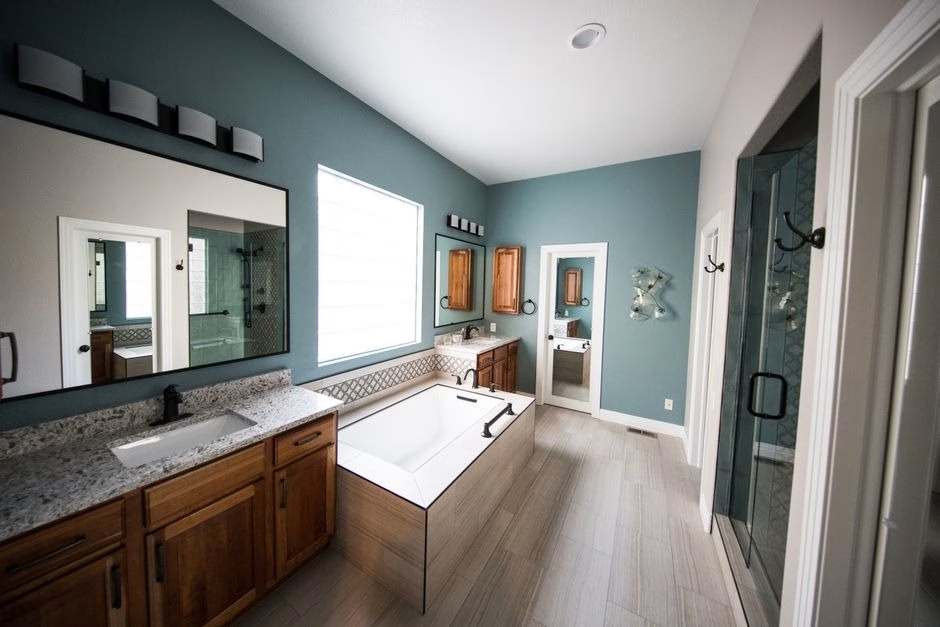
Start with the basics: a really good clean and a fresh coat of neutral paint. A clean, bright space is the foundation of good staging. Colors like light gray, beige, or off-white give you a blank canvas that appeals to most people and makes rooms feel bigger. From there, you can focus your efforts on a few key areas.
Here are some affordable home staging tips to get you started:
- Focus on the most important rooms: You don’t need to stage every single room. Concentrate on the living room, main bedroom, and kitchen. These are the spots where tenants will spend most of their time and make their decisions.
- Rent furniture: Instead of buying, think about renting key furniture pieces like a sofa, a small dining set, and a bed frame. This is much more affordable for a temporary setup.
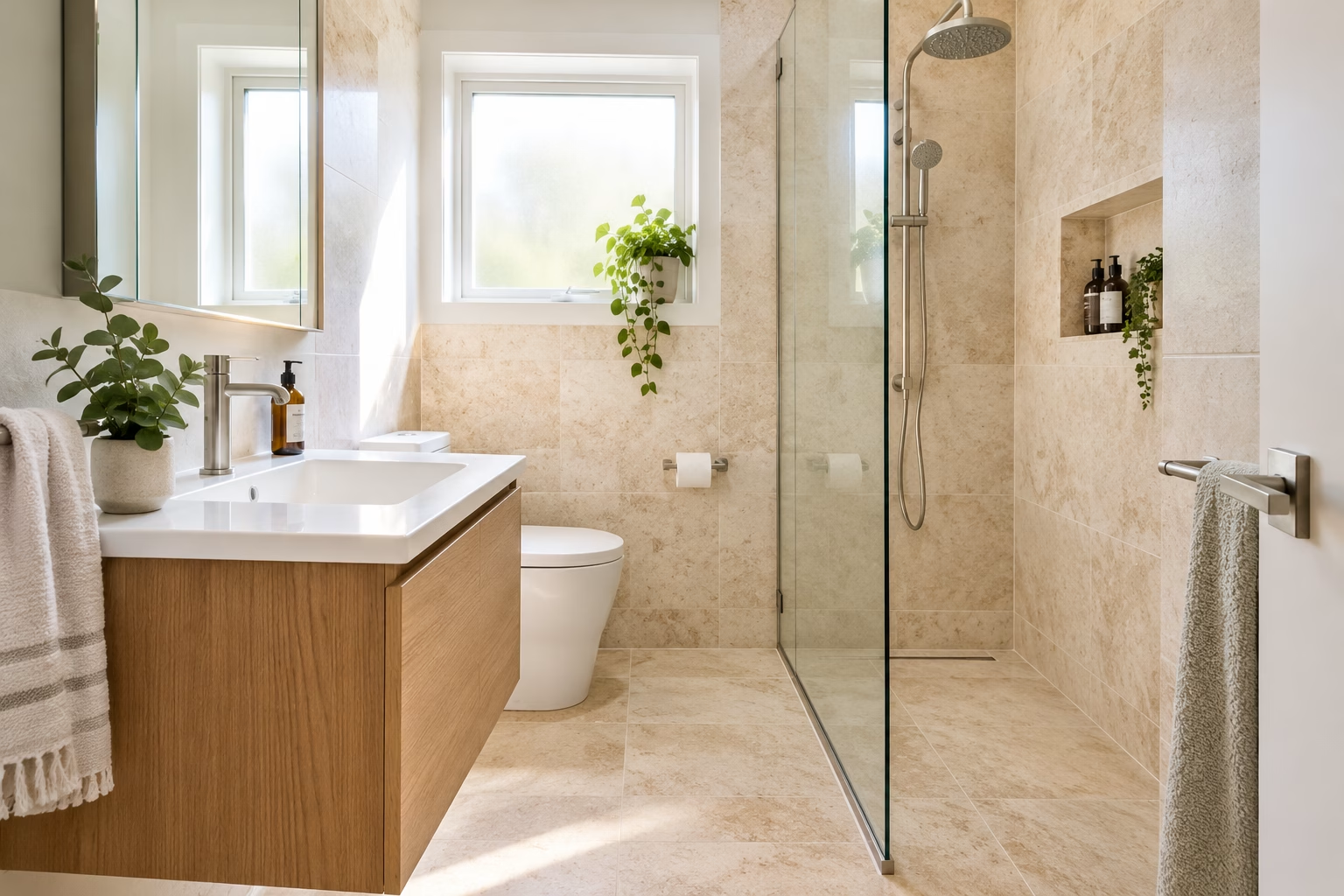
- Add thoughtful accessories: Small details can make a huge difference. Put fresh towels and a new shower curtain in the bathroom. Place a bowl of green apples or lemons on the kitchen counter. A few healthy plants can bring life and color to any room.
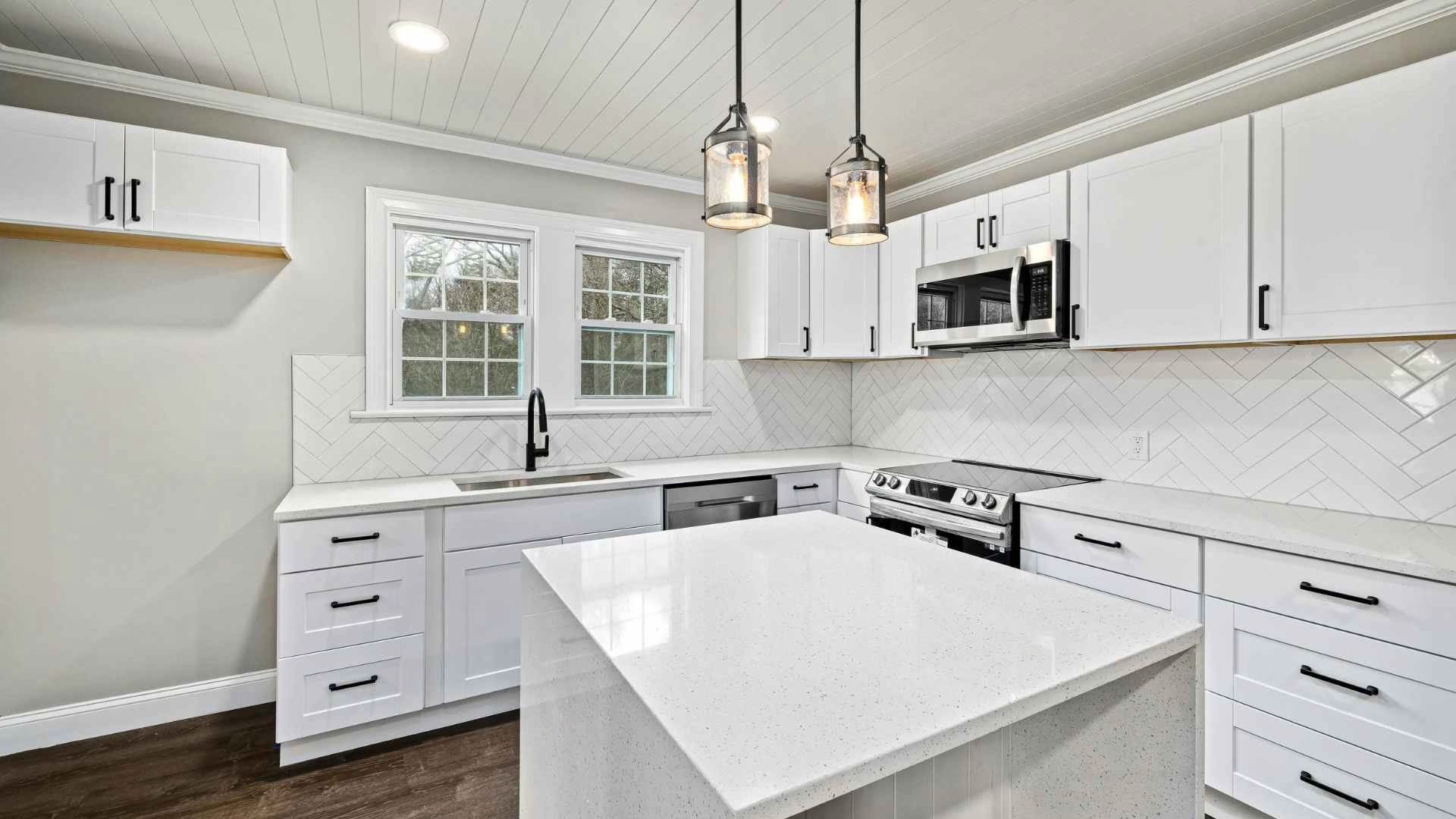
- Improve the lighting: Open all the blinds and curtains to let in natural light. Swap out any dim or old light fixtures for modern, brighter ones. Add a floor lamp to a dark corner to make the space feel cozier.
Highlighting Key Property Features
Good staging does more than just fill a space; it highlights your property’s best features. It’s about using furniture and decor to show how the space can be used. Every property has its unique selling points, and your staging should make them impossible to miss. Think about what makes your rental special and use visual cues to show off those assets.
For instance, if the unit has a big window with a great view, put a comfy armchair and a small side table next to it to create an inviting reading nook. This helps a potential tenant imagine themselves relaxing there. If you have a small patio or balcony, add a small bistro table and two chairs to show it’s a usable outdoor space for morning coffee or evening relaxation. This adds value beyond just the square footage.
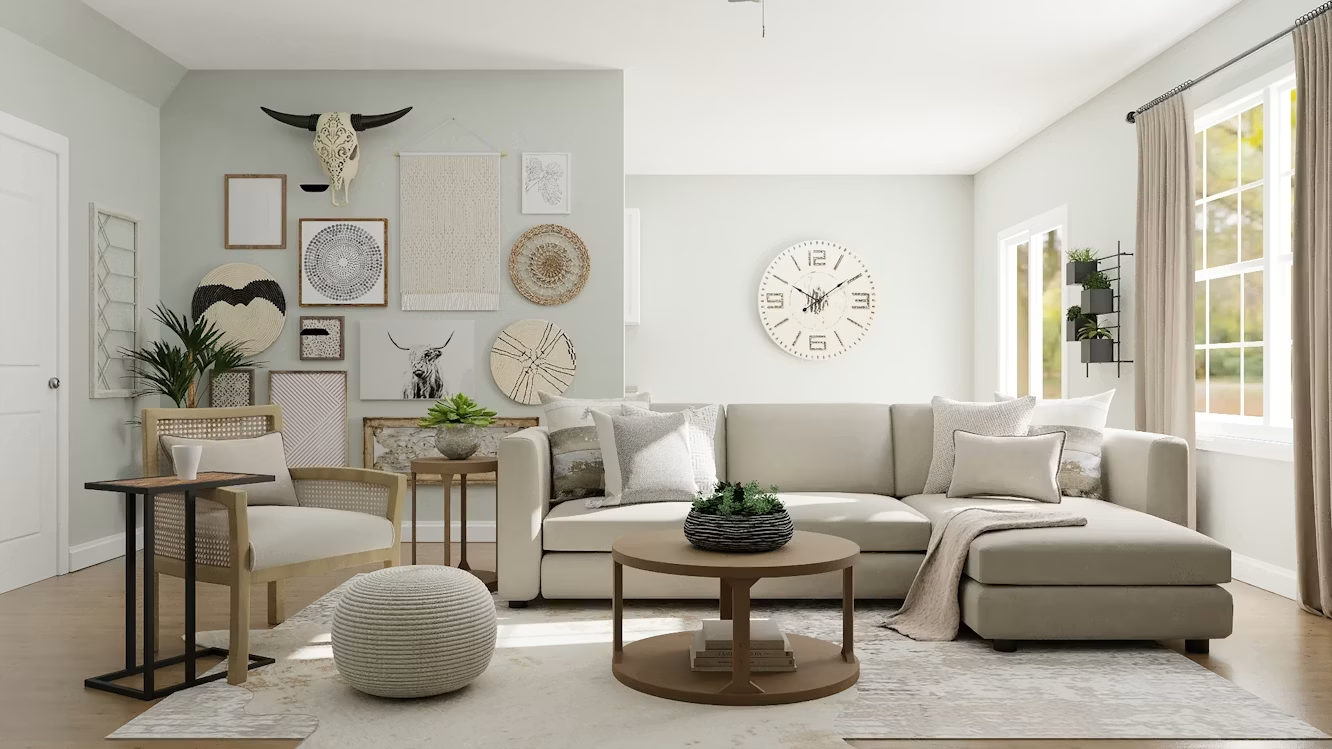
The art of effective property staging involves creating separate zones. In an open-concept living area, use an area rug to define the seating area and visually separate it from the dining space. If a spare bedroom is on the smaller side, stage it as a home office with a sleek desk and chair to show its functionality for remote work, which is a huge plus for many modern renters. Mirrors are also fantastic; a large mirror can make a small entryway or hallway feel much bigger and brighter.
Simplify Your Landlord Tasks
Once your beautifully staged property starts getting a lot of interest, the real work of being a landlord begins. Handling inquiries, scheduling showings, and processing applications can quickly become overwhelming. This is where having an efficient system is super important. You’ve put in the effort to present your property professionally, so your management process should be just as organized. Using the best diy landlord software can make all the difference, helping you move smoothly from marketing to management.
These platforms are designed to automate and simplify the most time-consuming parts of renting out a property. Instead of juggling emails, texts, and phone calls, you can direct everyone interested to a single online application. Good software lets you collect applications, run credit and background checks, and talk to applicants all in one place. This not only saves you a ton of time but also ensures you have a consistent and fair screening process for everyone, helping you follow fair housing laws.
Beyond Staging: Securing Tenants
Staging gets potential tenants in the door, but you need a few more steps to seal the deal. The effort you put into staging should be matched by the quality of your entire leasing process. Your amazing photos need to come with a compelling and detailed listing description. Highlight the features you staged, mention nearby amenities, and be clear about your rental terms.
During showings, be ready to answer questions and have information handy about utilities, lease terms, and community rules. A pdf converter can help you quickly prepare lease agreements and other important rental documents in a convenient format. A professional and organized approach reassures potential tenants that you are a competent and trustworthy landlord.
By combining great staging with a smooth and professional management process, you not only fill your vacancy faster but also increase your chances of finding a long-term, responsible tenant who will treat your property with care.
Staging is an investment in your property’s future. It sets a positive tone right from the start, attracting tenants who appreciate a well-maintained home and paving the way for a successful landlord-tenant relationship.