12 Interior Decoration Tips: A Simple Guide From an Architect Who Actually Lives This Stuff

I’m Todd Lynch from Urbansfreaks. I’m an architect, a professor, and a researcher who has spent years studying how buildings affect health and well-being. I also just love a beautiful home. Over the years, clients and readers keep asking me the same question: what are the interior decoration tips that actually make a difference? So here’s my honest answer, built from real projects, not trends I saw once online.
Before we get into it, if you want to see how these ideas look in practice, take a look at Urbansfreaks. It’s a good starting point if you want inspiration alongside the advice.
Why Interior Decoration Tips Matter More Than You Think
Good decoration isn’t just about looks. It affects your mood, your sleep, and how relaxed you feel at home. Research from design and health studies backs this up again and again. A room that works with your daily life will always feel better than one that just looks nice in photos.
That’s why interior decoration tips should start with function, not furniture. Ask what each room needs to do before you ask what it should look like. This one shift changes how every other decision gets made, from color to layout to lighting.
Start With a Plan, Not a Shopping Cart
Every good project begins with a plan. Walk into each room and think about how you use it. Do you read there? Work there? Relax there? Write it down before buying anything.
A simple mood board helps too. Collect a few photos, fabric samples, or paint swatches that feel right together. This step alone saves you from expensive mistakes. Many of the best interior decorating tips I’ve learned came from planning too little and paying for it later.

Get Furniture Sizing Right First
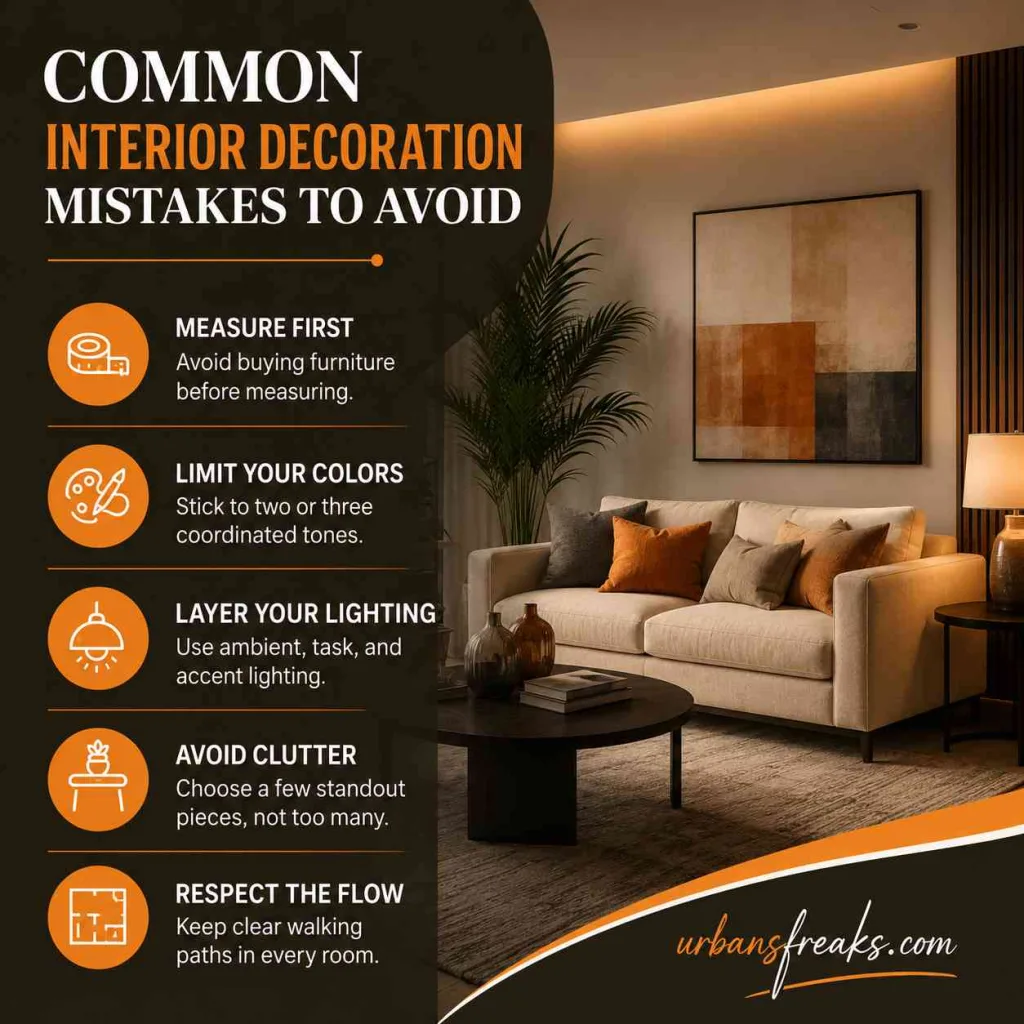
Furniture size is the most common mistake I see, even in beautiful homes. Oversized sofas crowd small rooms. Tiny chairs get lost in big ones. Always measure your space before you shop.
Leave enough room to walk comfortably between pieces. A general rule is about 30 inches of clear walking space in main pathways. This single habit solves more layout problems than any decorating trick.

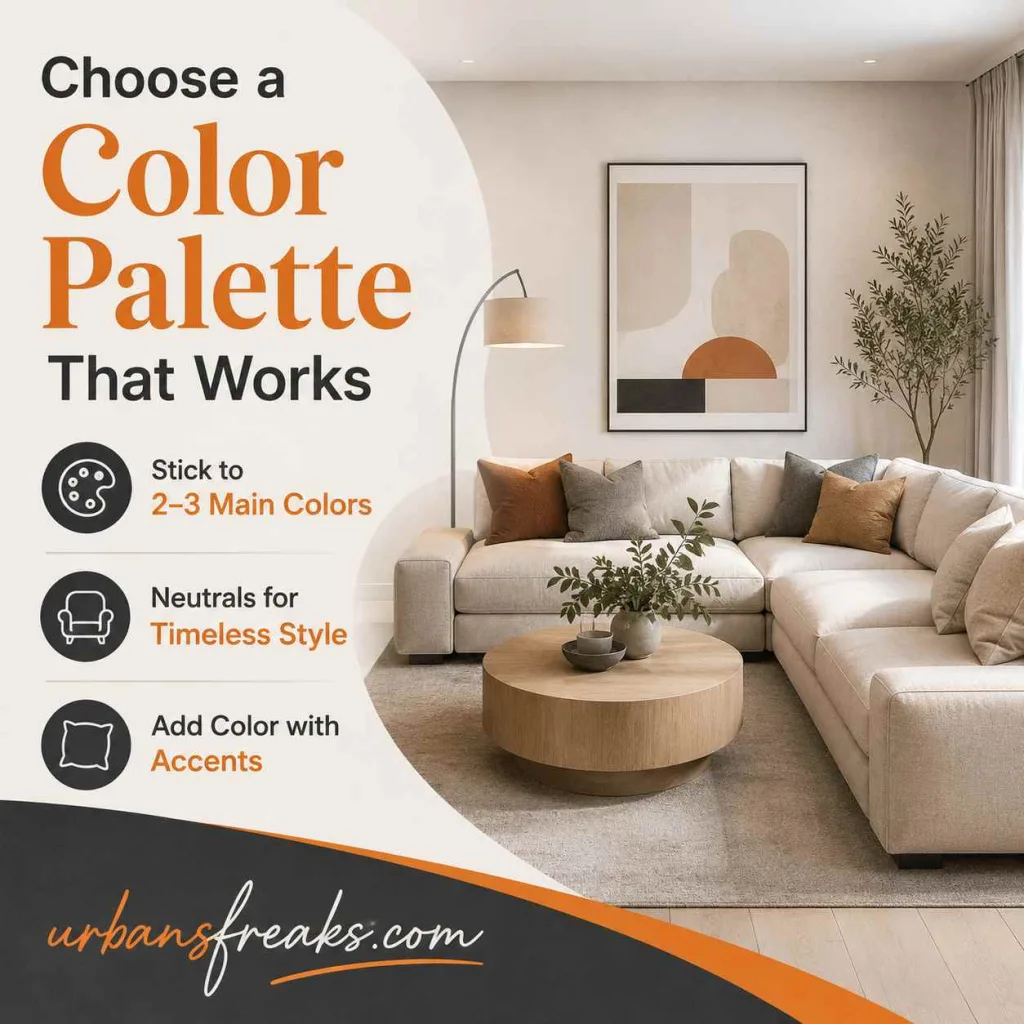
Choose a Color Palette That Actually Works Together at Interior Decoration Tips
Pick two or three main colors and stick with them through the whole room. Neutral tones like warm white, soft gray, or beige give you the most flexibility. They also make it easier to change accent colors later without repainting.
Add color through pillows, art, rugs, or curtains instead of every wall. This keeps the base timeless while letting your personality show. It’s one of the simplest tips for interior decorating that beginners often skip.
Layer Your Lighting, Don’t Just Add One Fixture
Lighting changes a room more than almost anything else, yet most people rely on a single ceiling light. Combine three light sources instead: ambient light for the whole room, task light for reading or work, and accent light for mood.
Table lamps, wall sconces, and dimmer switches all help here. Natural light matters too, so keep windows clear where possible. The U.S. Department of Energy has useful guidance on efficient home lighting choices if you want to go deeper on this topic.

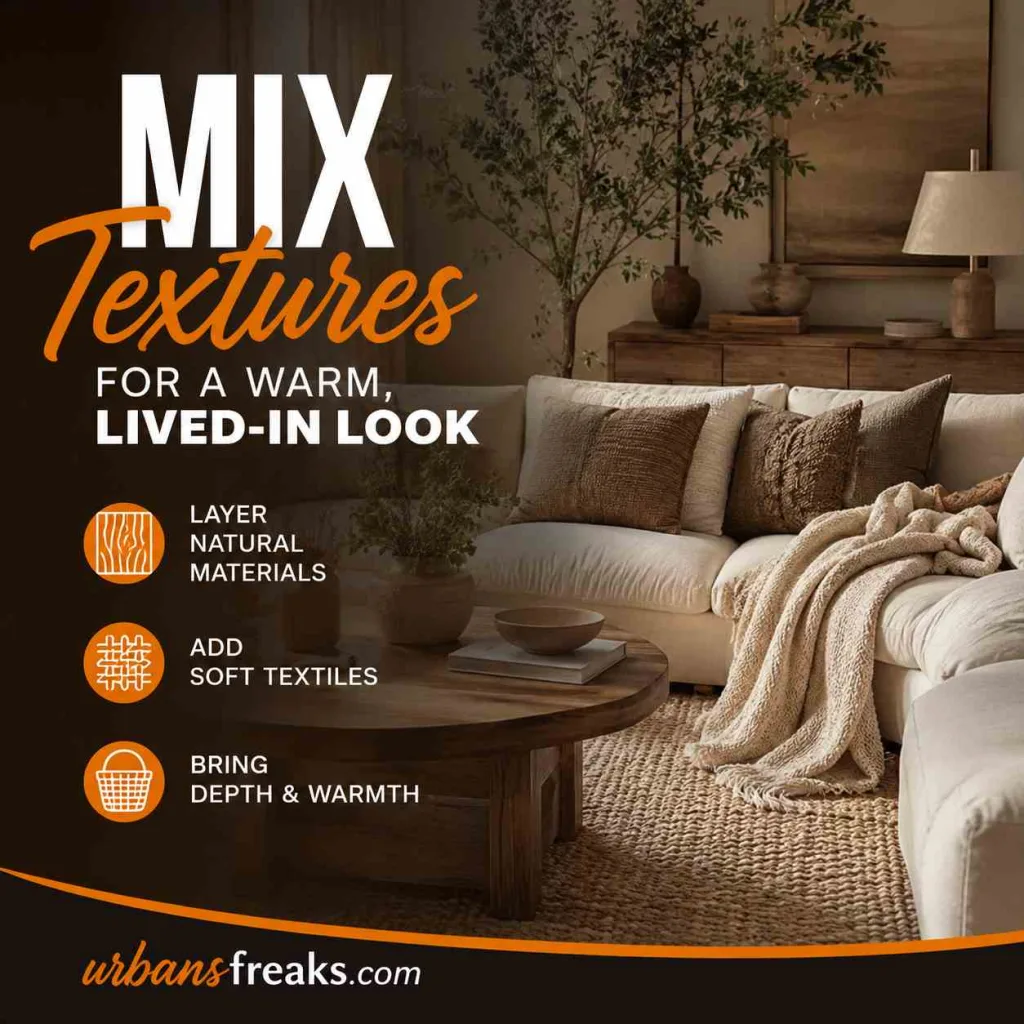
Mix Textures So the Room Doesn’t Feel Flat
A room with only smooth, shiny surfaces feels cold, even with good colors. Mix in wood, wool, linen, stone, or woven baskets. This layering is what makes a space feel warm and lived-in rather than staged.
Rugs and throws are the easiest way to start. A textured rug under a plain sofa instantly adds depth. This is one of those interior tips and tricks that costs very little but changes a lot.
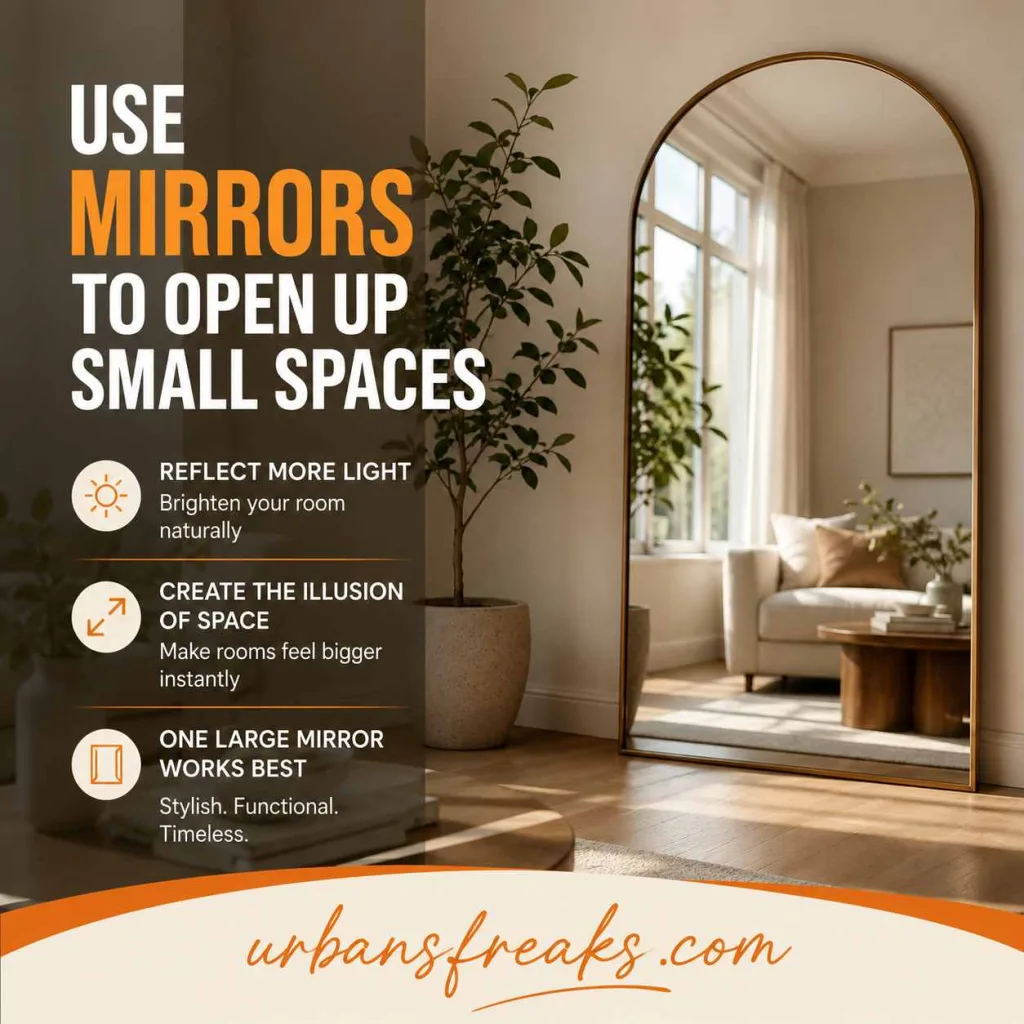
Use Mirrors to Open Up Small Spaces
Mirrors reflect both light and space, which makes rooms feel bigger and brighter. Place one across from a window if you can. This bounces natural light deeper into the room throughout the day.
A single large mirror usually works better than several small ones scattered around. It becomes a design feature instead of an afterthought, and it does real practical work for the room at the same time.
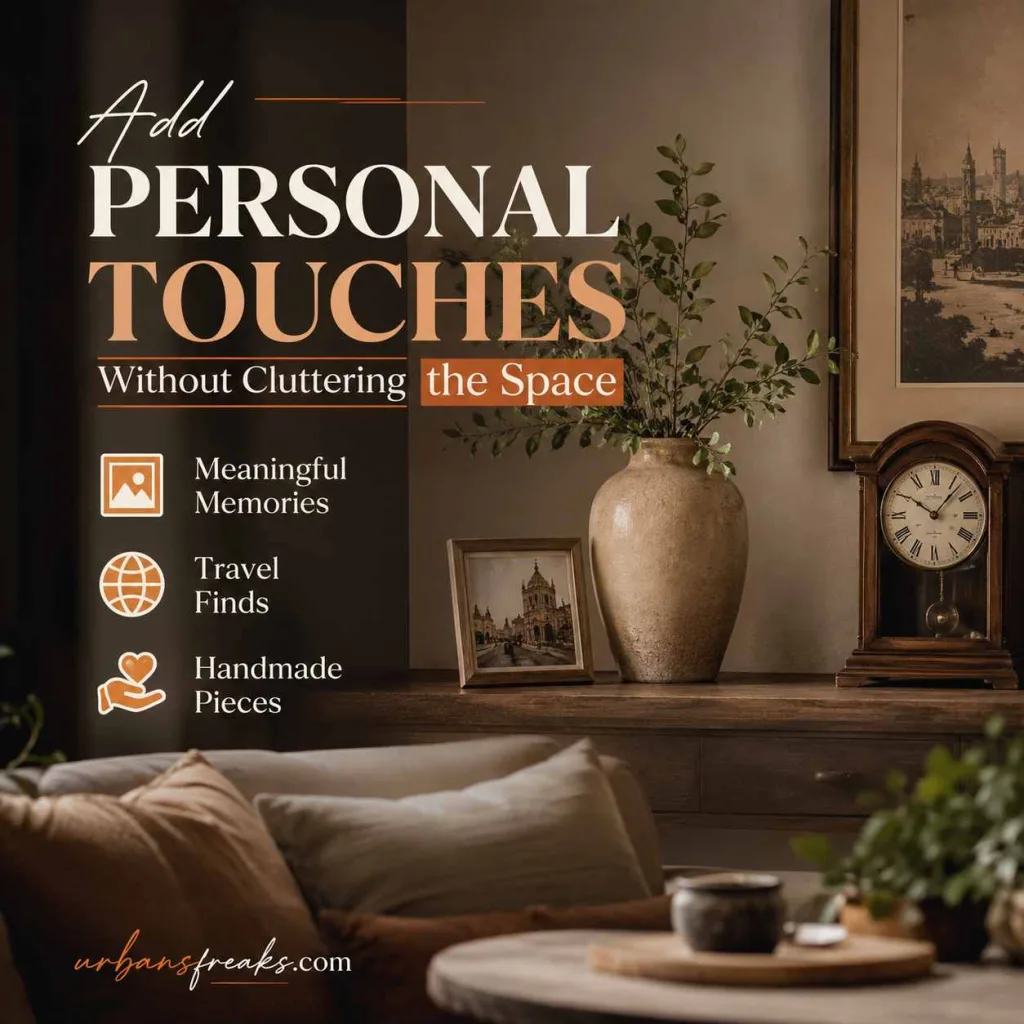
Add Personal Touches Without Cluttering the Space
Photos, travel finds, and handmade objects make a house feel like yours. But displaying everything at once creates visual noise. Pick a few meaningful pieces and give them space to stand out.
One well-placed Interior Decoration Tips piece, like a favorite vase or an old family clock, often says more than a shelf full of small items. Restraint here almost always looks better than abundance.
Build in Real Storage, Not Just Decoration
Clutter undoes good decorating fast. Built-in shelving, storage benches, and baskets with lids keep rooms looking calm. Multifunctional furniture, like a coffee table with drawers, helps small spaces stay organized.
Plan storage into the room from the start rather than adding it later. A tidy room always reads as more thoughtfully decorated, even with simple furniture.

Common Interior Decoration Mistakes to Avoid
Even careful homeowners repeat the same Interior Decoration Tips mistakes. Wrong furniture sizes, too many colors, weak lighting, and cluttered surfaces all quietly ruin a good room. The fix is usually simple once you spot the pattern. Here’s a quick reference table.
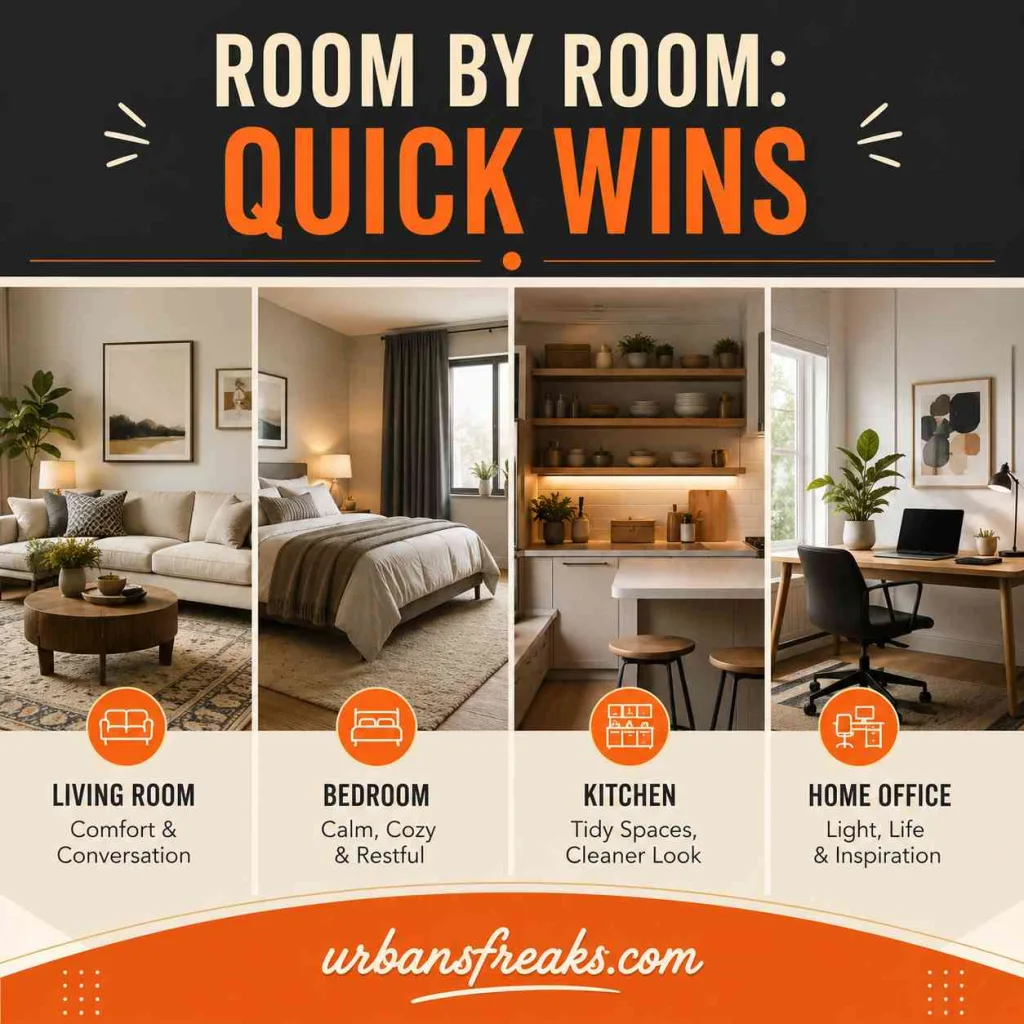
Room by Room Interior Decoration Tips: Quick Wins
Living room: Anchor the space with a rug sized to fit under the front legs of your furniture. Keep seating arranged for conversation, not just facing a screen.
Bedroom: Stick to calming, muted colors. Add blackout curtains and a soft rug by the bed for comfort underfoot.
Kitchen: Open shelving works only if you’re tidy. If not, closed cabinets with good lighting underneath will always look cleaner.
Home office: Face your desk toward natural light when you can. Add one plant and one piece of art so the room doesn’t feel purely functional.
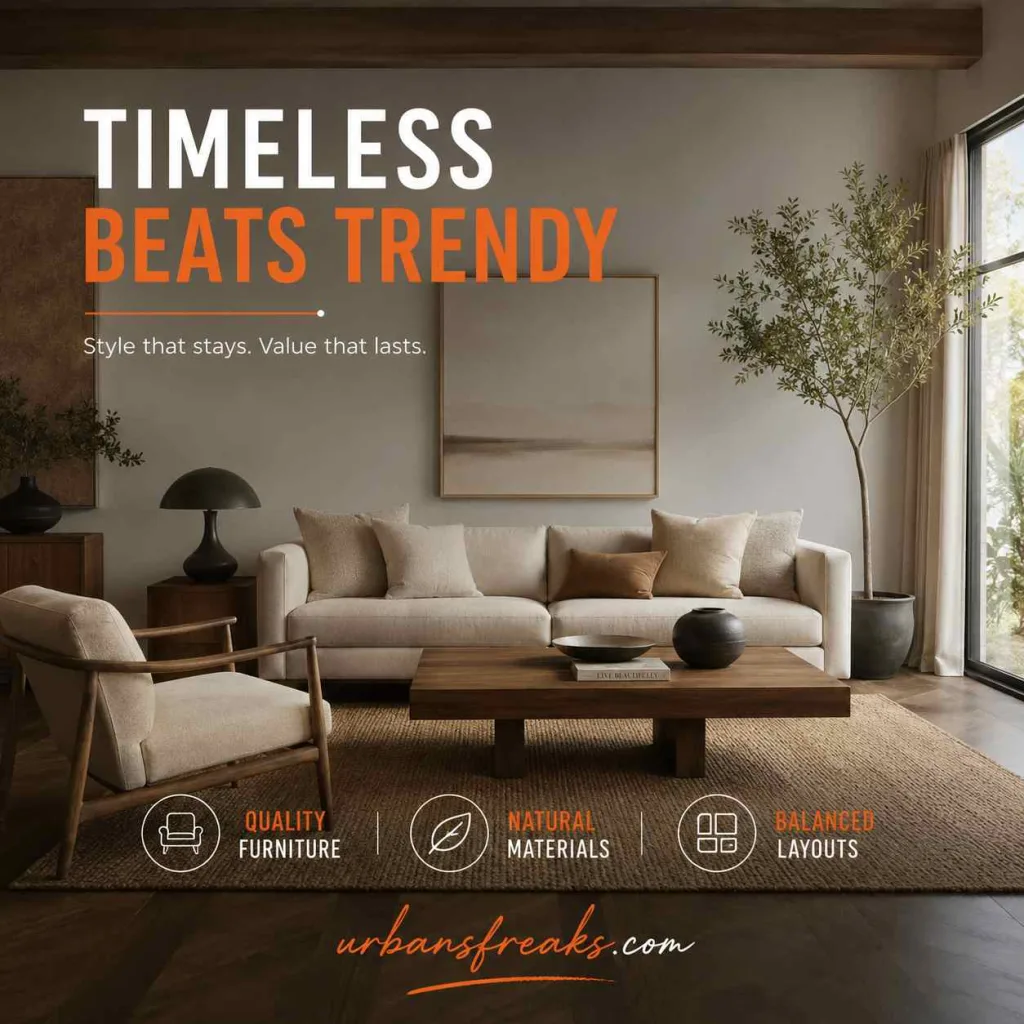
Timeless Beats Trendy
Trends come and go fast, but good bones last for years. Quality furniture, natural materials, and balanced layouts stay attractive long after this year’s color of the moment fades. I always tell clients to spend more on the pieces they’ll keep the longest, like a sofa or a dining table, and save on things that are easy to swap later.
Groups like the American Society of Interior Designers publish helpful research on what actually holds up over time in real homes, if you want a deeper, evidence-based view beyond trend lists.
Final Thoughts
Good interior decoration tips always come back to the same idea: plan for how you live, then decorate around that. Get the furniture size right, layer your lighting, mix your textures, and leave room for the personal touches that make a house feel like home.
You don’t need a big budget to do this well. You need patience, a plan, and a willingness to fix the basics before chasing the next trend. That’s the difference between a home that looks good in photos and one that actually feels good to live in.