10 Amazing Restaurant Interior Design Ideas to Elevate Guest Experience

Ever walked into a restaurant and instantly felt something a vibe, a warmth, a story? That feeling isn’t accidental. It’s the result of smart, intentional restaurant interior design. Whether you’re opening your first spot or refreshing an existing one, the way your space looks and feels is just as important as what’s on your menu.
If you’re looking for a broader source of spatial inspiration before diving in, Urbansfreaks.com covers everything from residential to commercial design ideas worth exploring. Let’s dive into some of the most exciting and practical design ideas that can turn your four walls into an unforgettable experience.
1. Bring the Outdoors In Literally (Biophilic Design)

There’s something deeply comforting about being surrounded by nature, and biophilic design taps right into that feeling. Think cascading green walls, hanging planters, reclaimed wood tables, stone accents, and natural light flooding in through oversized windows.
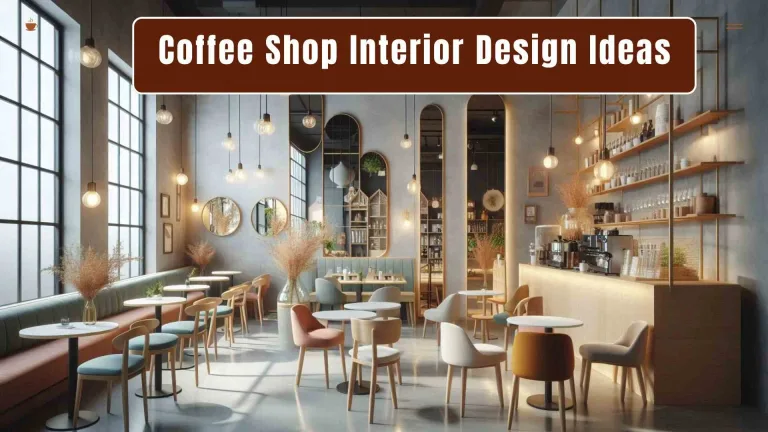
This approach to restaurant interior design works beautifully for cafés, farm-to-table restaurants, and health-focused eateries. It doesn’t just look good, studies show that natural elements actually reduce stress and increase dining satisfaction. Your guests will linger longer, order more, and leave feeling genuinely refreshed. That’s a win on every level.
2. Raw, Rugged, and Ridiculously Stylish (Industrial Chic)
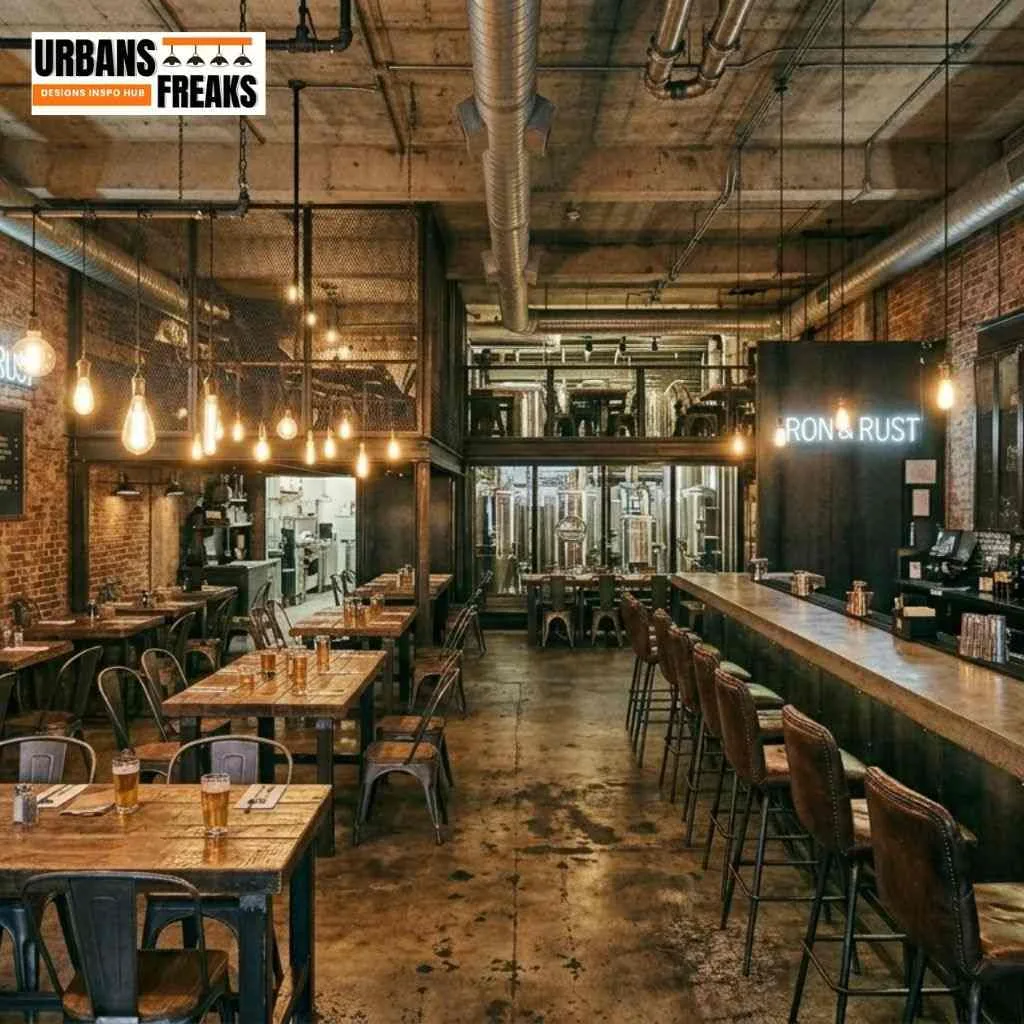
Exposed brick walls, Edison bulbs hanging from iron pipes, concrete floors, and metal mesh partitions, industrial design has been a restaurant favorite for good reason. It feels authentic, edgy, and effortlessly cool without trying too hard.
The beauty of this restaurant’s interior design style is its versatility: pair it with leather bar stools for a moody cocktail bar vibe, or soften it with warm wood tones and plush cushions for a more welcoming dining room feel. It’s especially popular with burger joints, craft breweries, and modern casual eateries that want to project a bold, no-nonsense personality.
3. More Is More When Done Right (Maximalist Storytelling)
Not every great restaurant design is about restraint. Sometimes the most memorable spaces are the ones that are unapologetically loud, layered, and full of personality. Maximalist interiors use bold wallpaper patterns, eclectic vintage furniture, gallery-style walls crammed with art, mismatched tiles, and rich jewel-toned color palettes. The key is intentionality every piece should tell a part of your brand story.

Think of it as curating a visual narrative that guests discover piece by piece with every visit. This style of restaurant interior design works wonderfully for themed restaurants, cocktail bars, and heritage-inspired dining concepts.
4. The Art of Quiet Luxury (Japandi Fusion)
Japandi a fusion of Japanese minimalism and Scandinavian warmth — is one of the most sophisticated design trends sweeping upscale dining spaces. It combines clean lines, muted earthy tones (think sand, charcoal, moss, and warm taupe), handcrafted ceramics, and natural textures like linen, bamboo, and washi paper.

The result is a restaurant interior design that feels calm, intentional, and quietly luxurious. It’s perfect for omakase restaurants, fine dining establishments, and modern Asian-fusion concepts. Guests immediately sense a level of care and refinement that elevates the entire dining experience before the food even arrives.
5. Set the Mood With Light Your Most Powerful Design Tool (Theatrical Lighting)
Lighting is the unsung hero of good dining ambiance, and most operators significantly underestimate it. The right lighting doesn’t just illuminate a space it creates emotion, directs attention, and sets the entire mood. Warm amber lighting makes food look gorgeous and guests feel relaxed.

Pendant lights above booths create intimacy, while dramatic chandeliers command attention and add grandeur. Layering multiple light sources ambient, task, and accent gives you the flexibility to shift atmospheres from a bright lunch service to a sultry dinner setting. Never treat lighting as an afterthought; it’s one of the most transformative elements of any great restaurant interior design.
6. Make the Kitchen the Star of the Show (Open Kitchen Concept)
There’s something undeniably magnetic about watching skilled chefs work their magic in real time. Open kitchen designs have exploded in popularity because they add excitement, transparency, and authenticity to the dining experience.

A well-designed open kitchen with a bar-style counter, dramatic range hoods, and gleaming surfaces becomes the ultimate centerpiece of your restaurant dinner and a show, all in one. Guests feel connected to the craft, which builds trust and elevates perceived value. Whether you go for a fully open layout or a peek-through pass-through window, this concept is a bold and rewarding design choice that communicates confidence in your kitchen and your craft.
7. Design That Transports Guests Somewhere Else Entirely (Cultural Immersion)
Imagine stepping into a Moroccan riad, a rustic Tuscan farmhouse, or a vibrant Mexican mercado without leaving your city. Cultural immersion creates a complete sense of place through authentic materials, traditional patterns, imported décor, and regionally inspired color stories.

When done respectfully and thoughtfully, this approach to restaurant interior design produces an unforgettable sense of escapism that makes dining a full sensory journey. Hand-painted tiles, macramé wall hangings, brass lanterns, carved wooden panels every detail reinforces the narrative. It’s particularly powerful for ethnic and heritage cuisine restaurants that want their space to feel like a genuine extension of the culture they represent.
8. One Space, Many Moods Design for Flexibility (Adaptive Zoning)
The smartest restaurants today are designed not as a single static environment, but as a collection of distinct zones that serve different guest needs throughout the day.
Think a sun-drenched communal table area for daytime café crowds, cozy booth nooks for intimate dinners, a lively bar zone for after-work drinks, and a private dining alcove for celebrations.

Using movable furniture, modular shelving, curtains, and strategic lighting, you can shift the personality of your space with ease. This kind of thoughtful, flexible restaurant interior design maximizes revenue potential and ensures every guest whether solo, on a date, or with a party of twelve finds their perfect spot.
9. Warm, Worn, and Wonderfully Familiar (Rustic Farmhouse Style)
Rustic farmhouse design creates an atmosphere that feels like a warm hug the moment guests walk through the door. Shiplap walls, barn wood ceiling beams, mason jar centerpieces, vintage signage, and checkered or plaid textiles all work together to build a sense of cozy, unpretentious charm. If you want to see how this warmth translates in real homes before bringing it into a commercial space, our House Tour category is full of farmhouse and rustic-inspired interiors that can fuel your creative direction

This approach to restaurant interior design resonates deeply with comfort food restaurants, brunch spots, bakeries, and Southern or country-cuisine eateries. It signals homeliness, honesty, and hospitality values that guests genuinely connect with on an emotional level. When people feel at home in your restaurant, they come back again and again, and they bring everyone they know.
10. Sleek, Sharp, and Sophisticated (Contemporary Minimalism)
Sometimes, less truly is more. Contemporary minimalist restaurant interior design strips everything back to its purest essentials clean geometric lines, a disciplined neutral palette, carefully edited décor, and furniture that earns its place in the room. There’s no clutter, no noise, just intentional space.

This style lets your food become the visual hero, which is exactly the point. It’s a particularly powerful choice for fine dining restaurants, sushi bars, modern tasting-menu concepts, and any establishment where the cuisine is sophisticated enough to hold the spotlight on its own. Minimalism communicates confidence, restraint, and a premium positioning that discerning guests immediately recognize and respect.