
TheHomeTrotters McNamara: Smart Home Living, DIY Tips & Home Improvement Guides

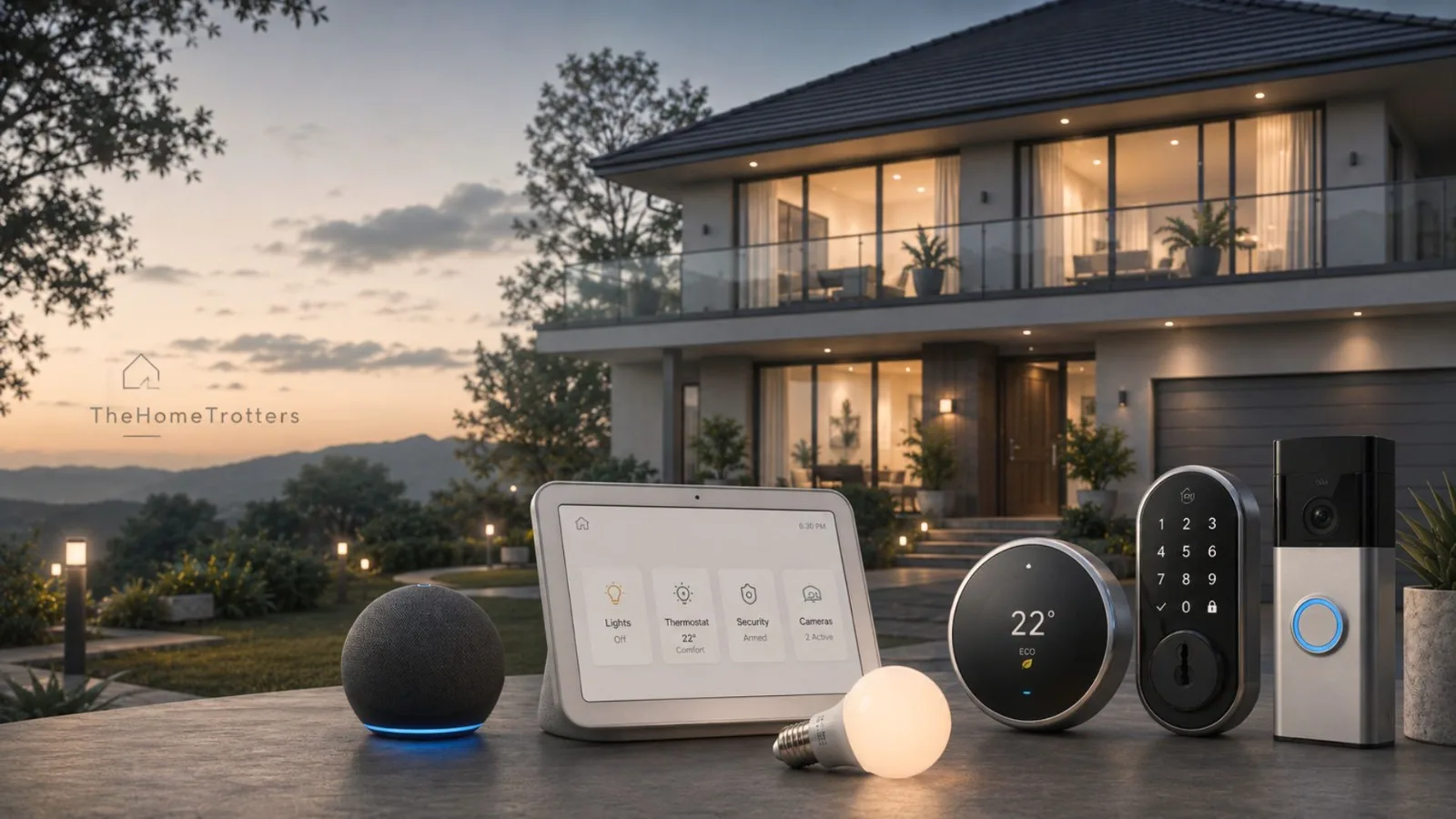
I’ve spent years studying how people live in their homes — what makes a space work, what makes it fail, and what makes it feel truly yours. When I came across TheHomeTrotters McNamara platform, I paid attention. This is not a glossy lifestyle feed. It is a real resource built by real people who brought back practical lessons from every space they lived in.
At Urbansfreaks, we focus on design and living environments that genuinely improve quality of life. TheHomeTrotters McNamara aligns with that mission in almost every way.
Who Is TheHomeTrotters McNamara?
The name “TheHomeTrotters McNamara” refers to two connected things, and understanding both makes the platform much clearer.
Trisha McNamara
TheHomeTrotters McNamara is the primary writer and lead contributor at thehometrotters.com. Her articles cover cooling systems, flooring choices, multipurpose room design, home security, and smart home technology. The writing is specific, well-researched, and aimed at people who want real answers, not filler content.

The McNamara family
Dan, Rachel, and their four children — made the decision to sell their home and travel full-time across continents. They reduced their belongings to what fit in bags and built an income through blogging, brand partnerships, and remote work. Their experience of living in many different types of spaces gave the platform a perspective most home blogs simply do not have.
Both threads are present throughout the content. Trisha brings the technical depth. The family story brings the lived experience. Together, they created a platform that serves homeowners, renters, and people who move around a lot — all with equally useful advice.
What TheHomeTrotters Platform Actually Covers
The platform’s tagline — “Turning properties into homes, one trip at a time” — reflects both sides of its identity well.
Content on the site is organized around six main areas:
| Category | What It Includes |
|---|---|
| Home Decor Ideas | Room styling, color palettes, renter-friendly updates |
| Home Safety & Security | Smart locks, alarms, fire safety, carbon monoxide detection |
| Interior Design | Space planning, lighting, furniture selection |
| Home Improvement | HVAC, flooring, waterproofing, plumbing, roofing |
| Smart Home & Technology | Automation, smart devices, energy efficiency |
| DIY Projects | Budget renovations, repair guides, maintenance tips |
What sets this apart from most home content platforms is the renter-friendly angle. A large portion of the articles are written for people who cannot paint walls or install permanent fixtures. That comes directly from the McNamara family’s experience of making temporary spaces feel like home.
Trisha McNamara’s Approach to Home Guides
Trisha McNamara does not write general “10 tips for a better home” content. Her articles go into the mechanics of how things work, what to watch for, and what most homeowners get wrong.
A few examples of the depth she brings:
- Her cooling system guide compares evaporative coolers and air conditioners across climate compatibility, installation cost, and long-term energy use — the kind of breakdown that helps someone actually make a decision.
- Her flooring guide covers hardwood, laminate, vinyl plank, tile, and carpet with cost-per-square-foot comparisons and realistic maintenance expectations for each.
- Her multipurpose living room articles deal with the specific challenge of making one room function as multiple spaces without feeling cluttered or compromised.
The practical value in her writing is high. You leave the article knowing what to do, not just what to consider.
Smart Home Technology: The McNamara Approach
Smart home technology is one of the strongest content areas on the platform. TheHomeTrotters McNamara family’s perspective on this is rooted in function rather than trend: a home that works for you is a home that keeps running whether you are in it or not.For a family that traveled full-time, remote monitoring and automation were not luxury features — they were basic requirements.
1. Smart Security Systems
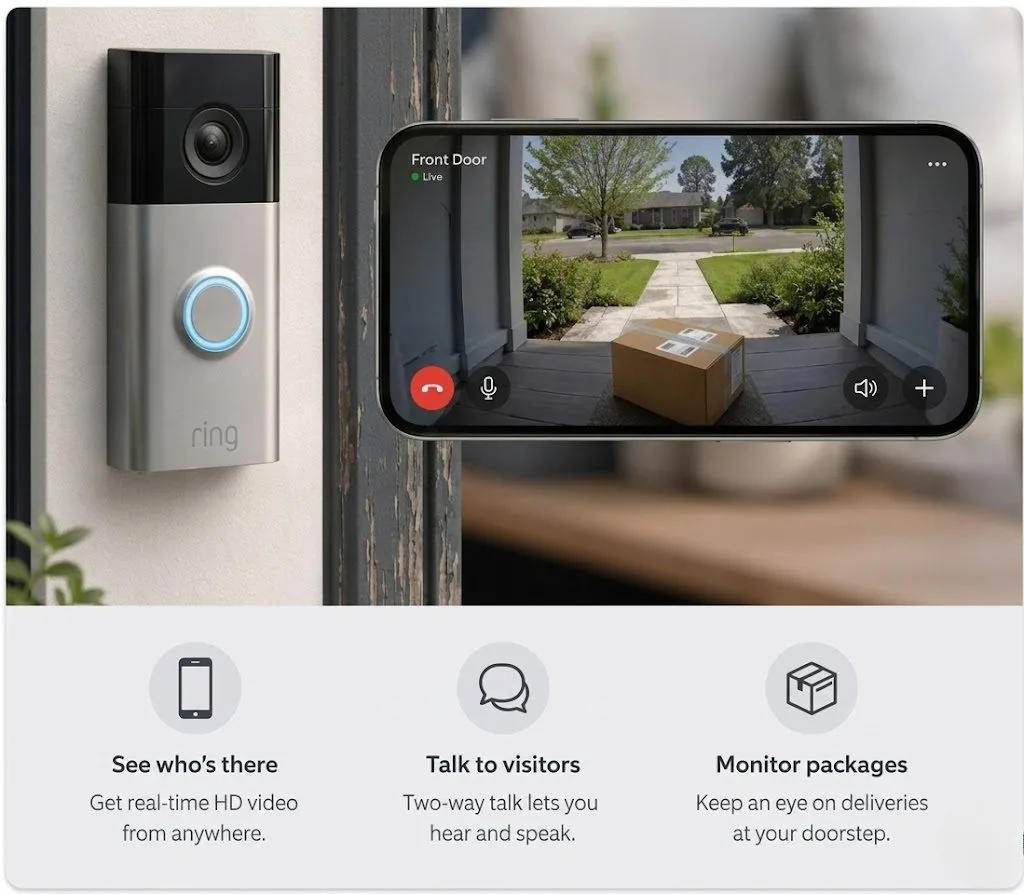
Video doorbells like Ring and Nest Hello let you see who is at the door from anywhere. Motion-activated cameras and smart alarms send alerts if someone tries to enter without permission. For the McNamaras, monitoring a home remotely was a genuine daily need, not a nice-to-have.
2. Smart Lighting
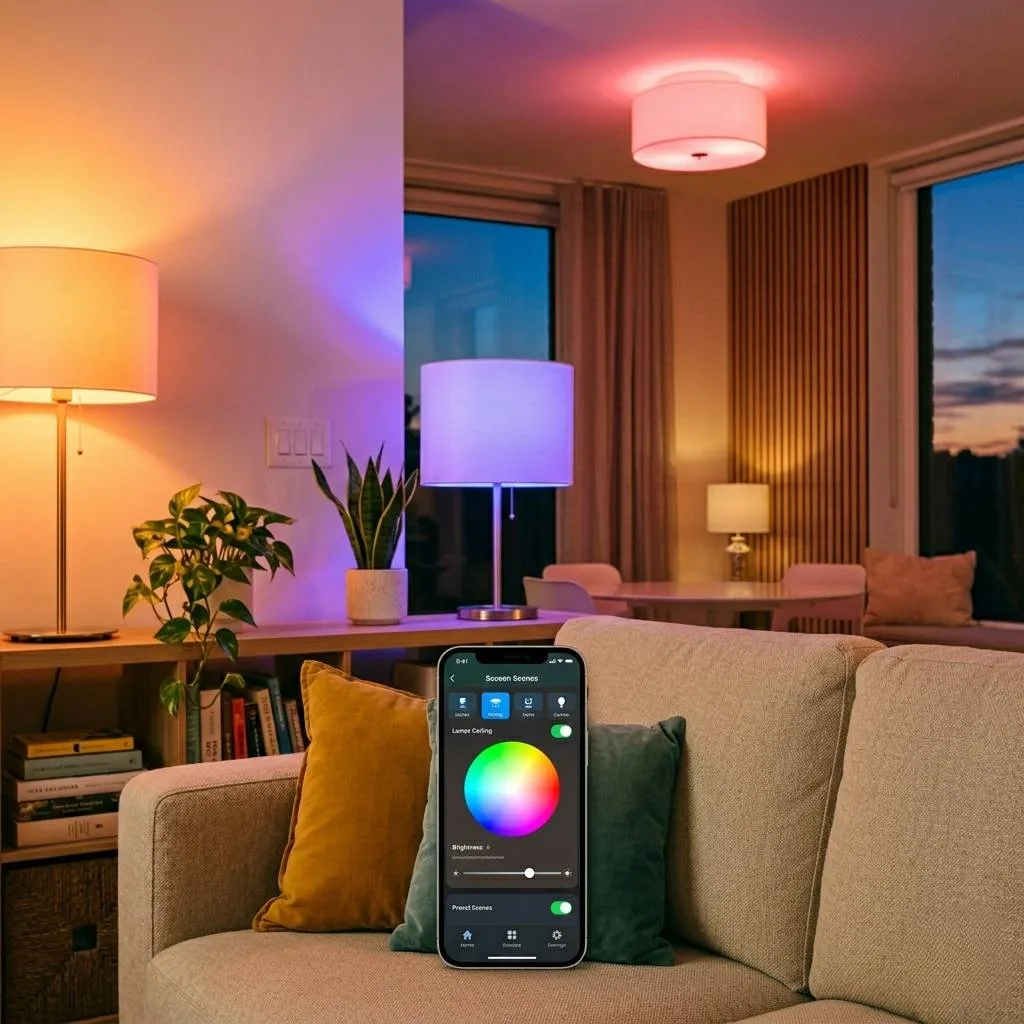
Philips Hue and LIFX bulbs allow brightness and color adjustment through an app or voice assistant. You can set schedules, automate on/off times, and change the mood of a room without touching existing wiring. The platform consistently notes that smart lighting is one of the highest-impact, lowest-disruption upgrades available.
3. Smart Thermostats
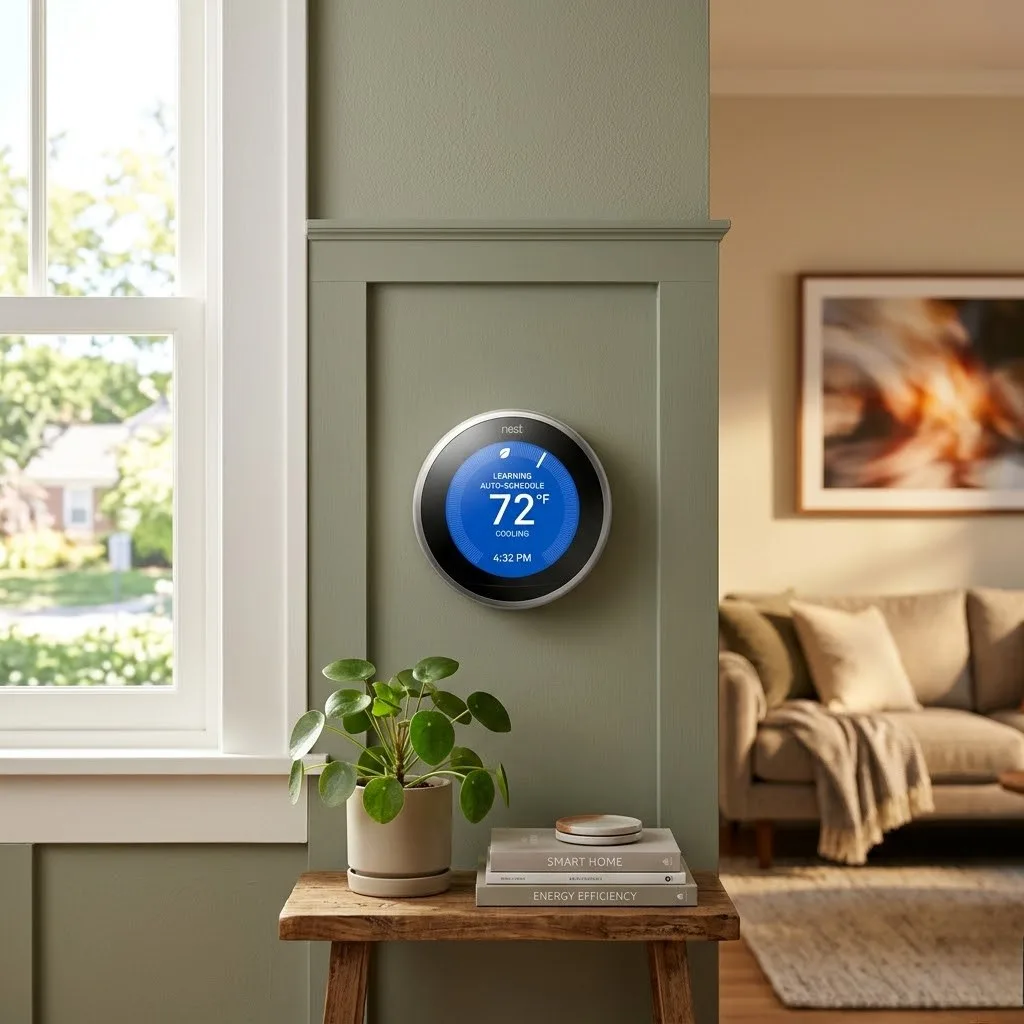
Google Nest is the most cited example. The key value is that it learns your schedule and adjusts temperature automatically, cutting energy use without requiring constant manual input. Smart thermostats typically save a measurable amount on monthly electricity bills once they have learned a household’s routine.
4. Smart Appliances
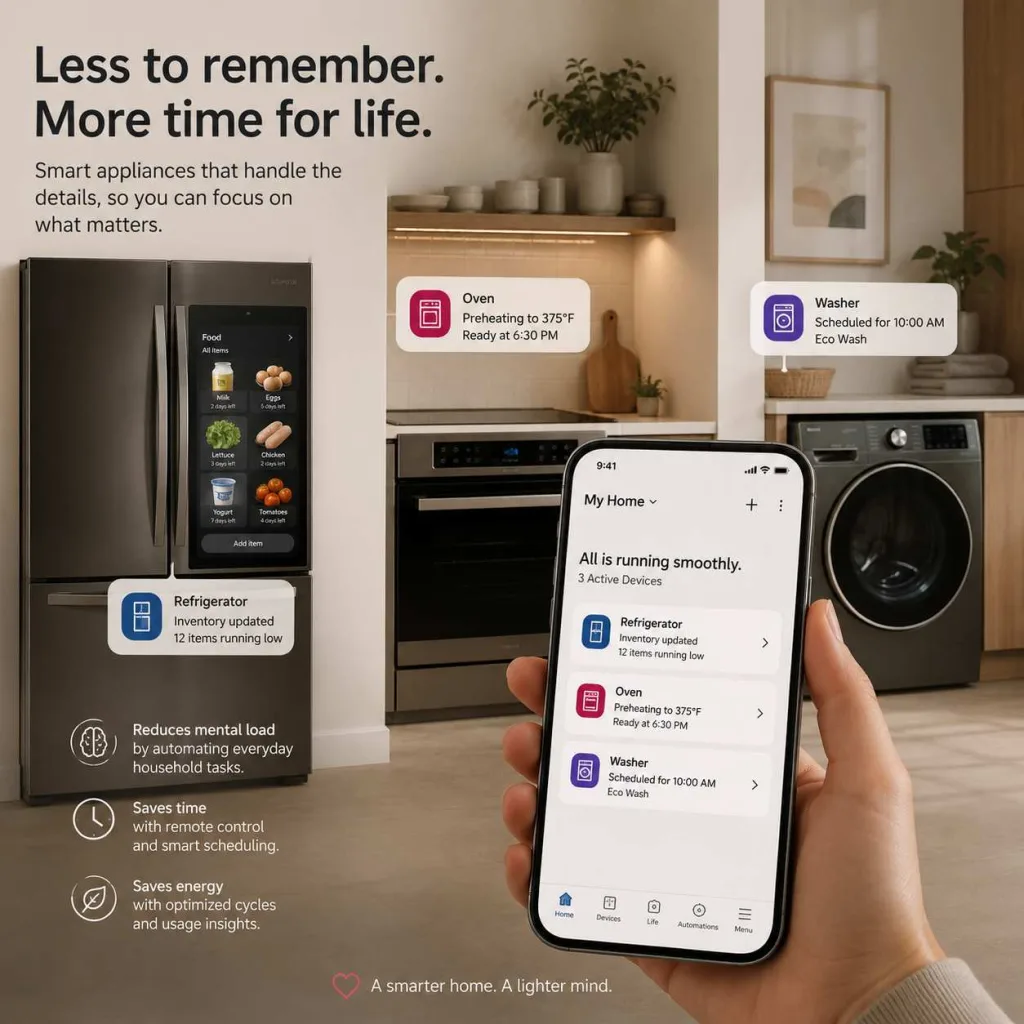
Samsung SmartThings and LG ThinQ product lines include fridges that track inventory, ovens that preheat remotely, and washing machines that run on a schedule. The appeal is not novelty — it is reducing the mental load of managing a household.
5. Smart Assistants and Hubs
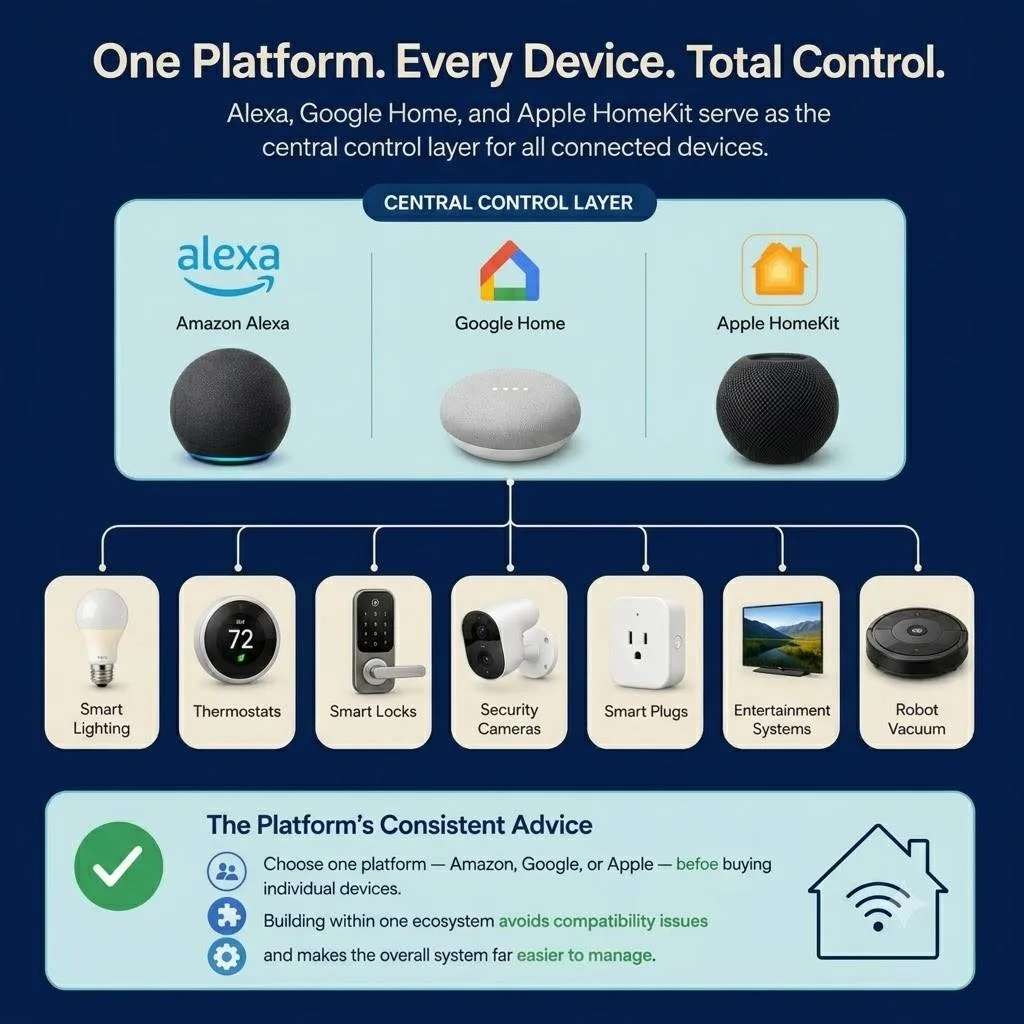
Alexa, Google Home, and Apple HomeKit serve as the central control layer for all connected devices. The platform’s consistent advice is to choose one platform — Amazon, Google, or Apple — before buying individual devices. Building within one ecosystem avoids compatibility issues and makes the overall system far easier to manage.
6. Smart Door Locks and Garage Openers
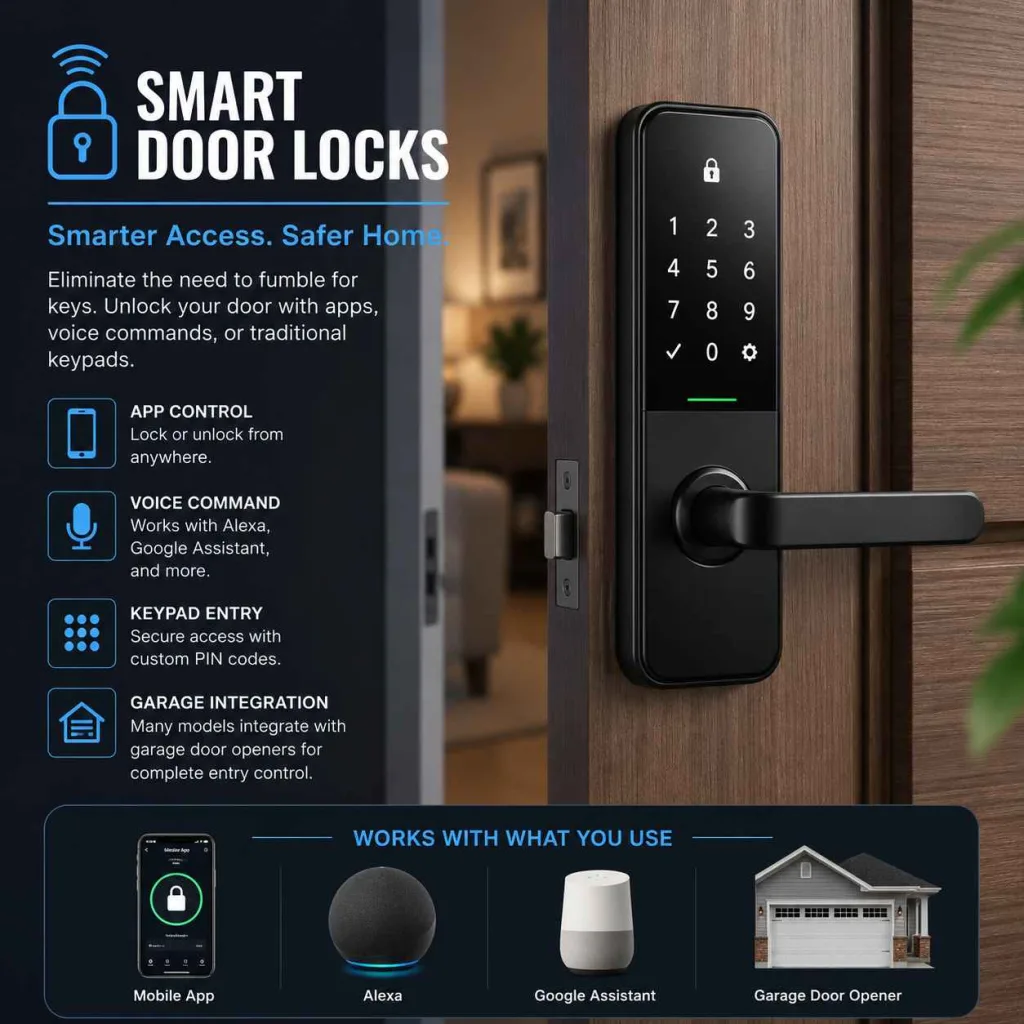
Remote locking, temporary access codes for guests or service providers, and entry logs are the practical features here. The ability to grant and revoke access without being physically present is particularly useful for families who travel or rent out their space.
7. Smart Sensors and Detectors
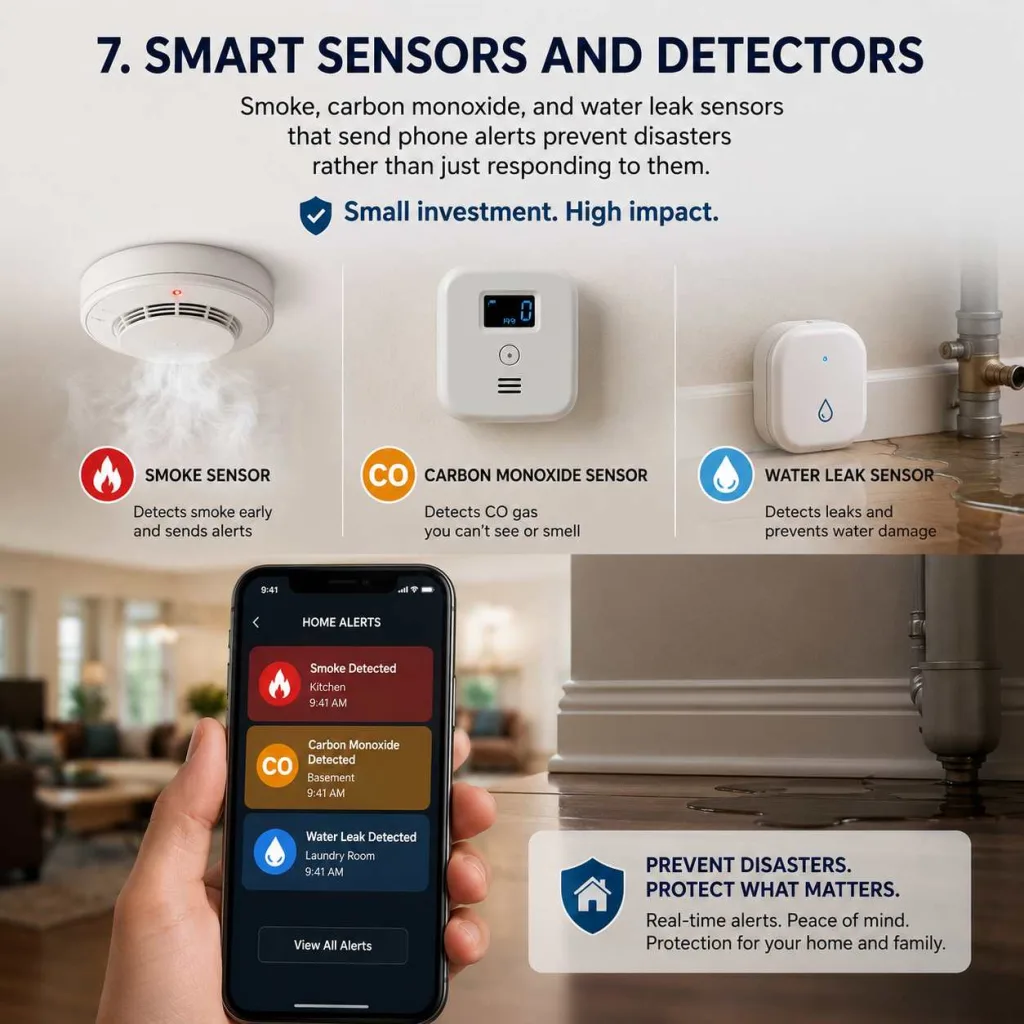
Smoke, carbon monoxide, and water leak sensors that send phone alerts prevent disasters rather than just responding to them. These are small investments with genuinely high impact.
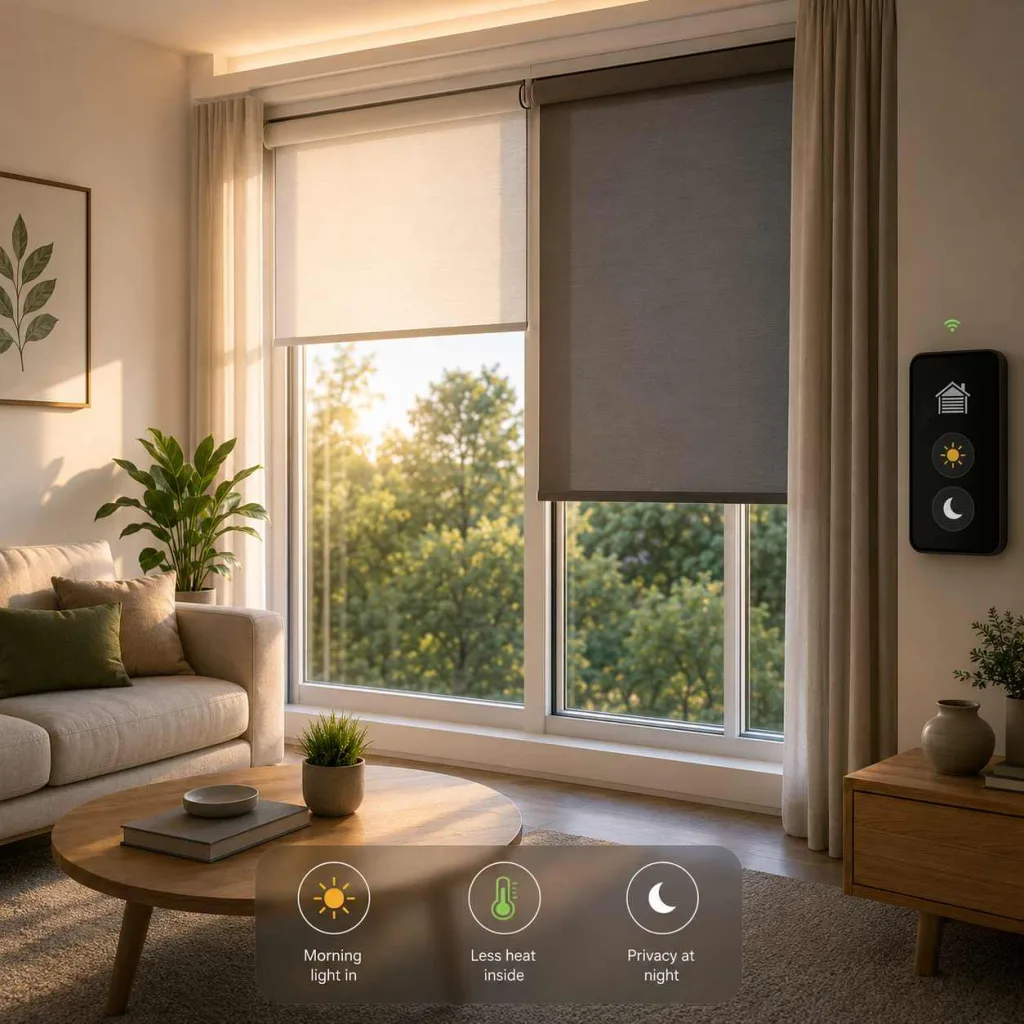
8. Smart Blinds and Curtains
Automated window coverings that open with morning light or close at night also reduce heat gain in summer, which has a real effect on cooling costs. The platform frames these as energy tools as much as convenience items.
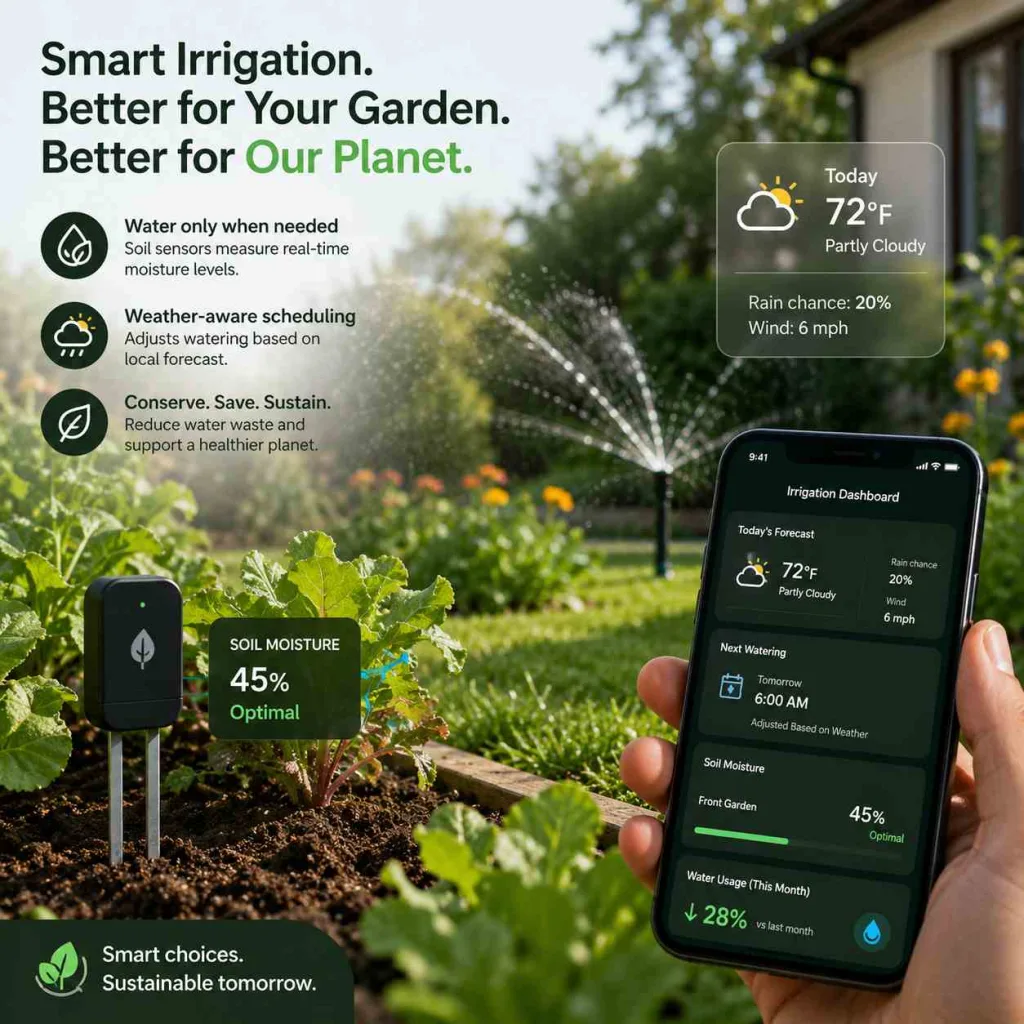
9. Smart Irrigation and Garden Technology
Soil sensors and weather-aware sprinkler systems adjust watering schedules based on actual conditions rather than fixed timers. The platform frames this as resource conservation, which aligns with the McNamara family’s broader interest in sustainable living.
How Much Does Smart Home Technology Actually Cost?
One of the most useful things TheHomeTrotters McNamara does is talk honestly about cost. Smart home setups are often framed as either affordable for everyone or prohibitively expensive. The reality sits in the middle.
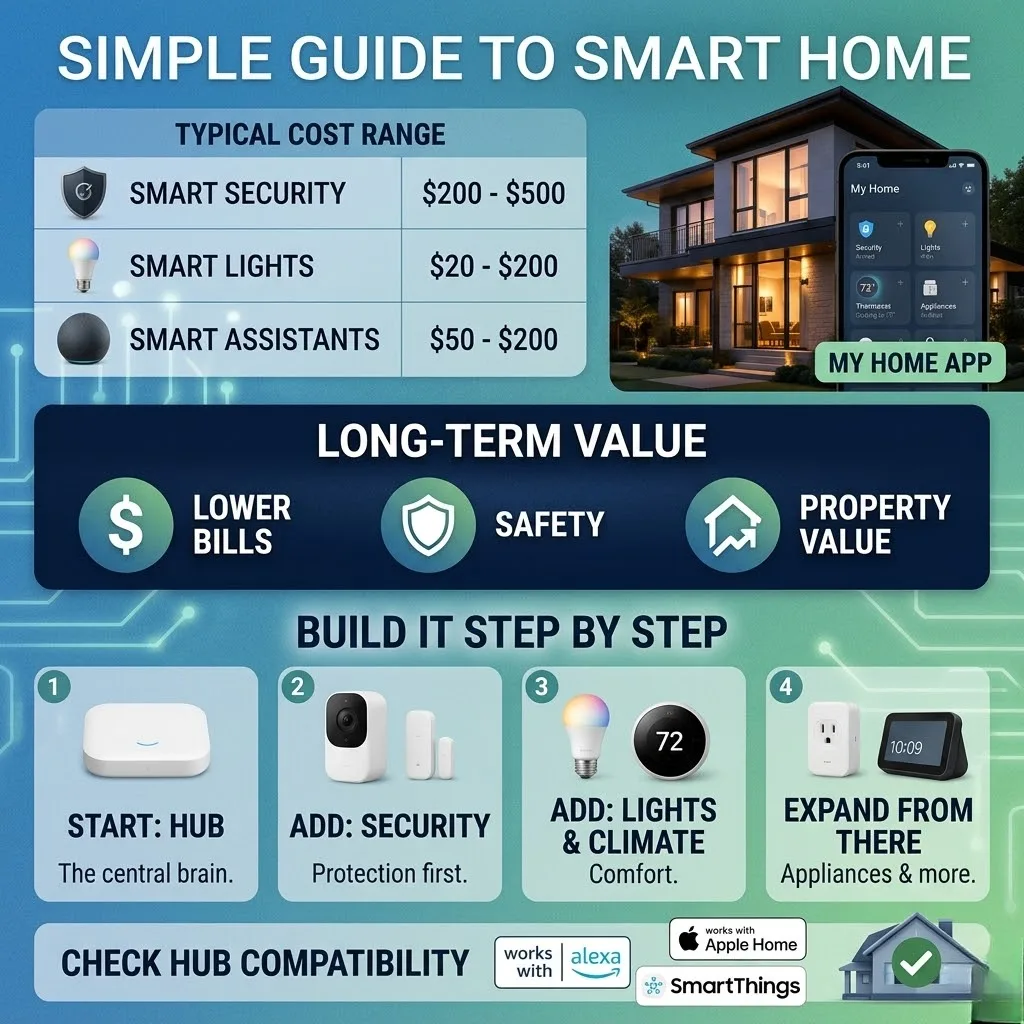
The upfront investment can be significant, but smart thermostats reduce electricity bills over time, smart security systems reduce the risk of theft and property damage, and the overall package tends to raise property value. The platform’s framing is sound: treat it as a long-term investment, not a one-time purchase.
The setup advice is practical and consistent: start with a hub, then add security, then lighting and climate control, then expand from there. Check hub compatibility before buying any device — this single step prevents the most common and frustrating problems people encounter.
DIY and Home Improvement: What the Platform Gets Right
Beyond smart home technology, the DIY and home improvement content on the platform is strong for a specific reason: it was built by people who had to fix and improve many different types of spaces, not just one home they owned for decades.
The most useful DIY content on the platform includes:
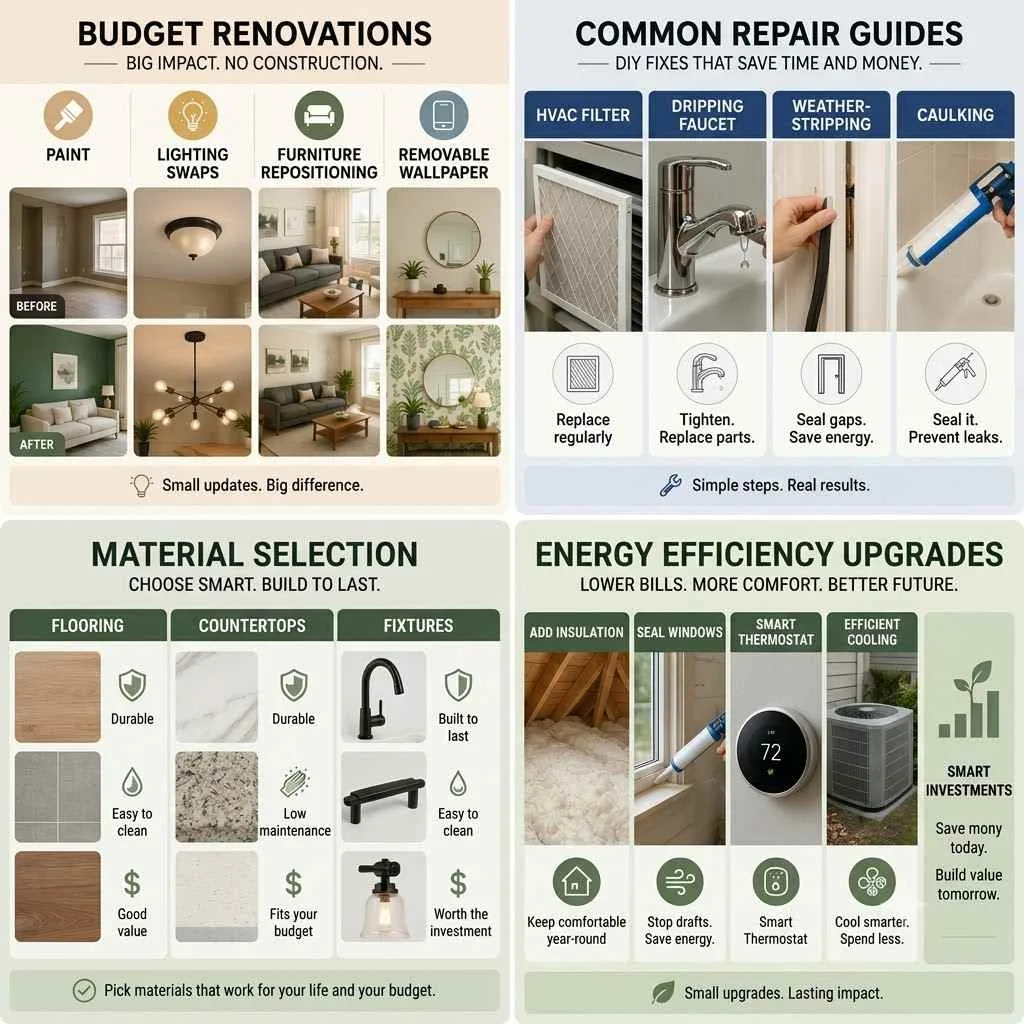
Budget renovations: How to update a space visually without structural changes. Paint, lighting swaps, furniture repositioning, and removable wallpaper all feature here. These work in rentals and owned homes equally.
Common repair guides: Step-by-step instructions for fixes that homeowners often call a professional for unnecessarily — HVAC filter replacement, minor plumbing issues, weather-stripping, and caulking.
Material selection: Guidance on flooring, countertops, and fixtures based on durability, maintenance, and cost rather than just aesthetics. This is where the depth of Trisha McNamara’s research shows most clearly.
Energy efficiency upgrades: Insulation, window sealing, smart thermostat installation, and cooling system comparisons framed as investments with measurable payback periods. According to the U.S. Department of Energy, energy-efficient upgrades can reduce household energy use significantly over time, which supports the financial case the platform makes for these changes.
Decorating Temporary and Rented Spaces
This is an area where TheHomeTrotters McNamara platform genuinely stands apart from most home improvement resources. Most decor content assumes you own the space and can make permanent changes. The McNamara family’s experience of living in many different spaces produced a body of content specifically built for renters and people in temporary accommodation.
The practical guidance covers four approaches:
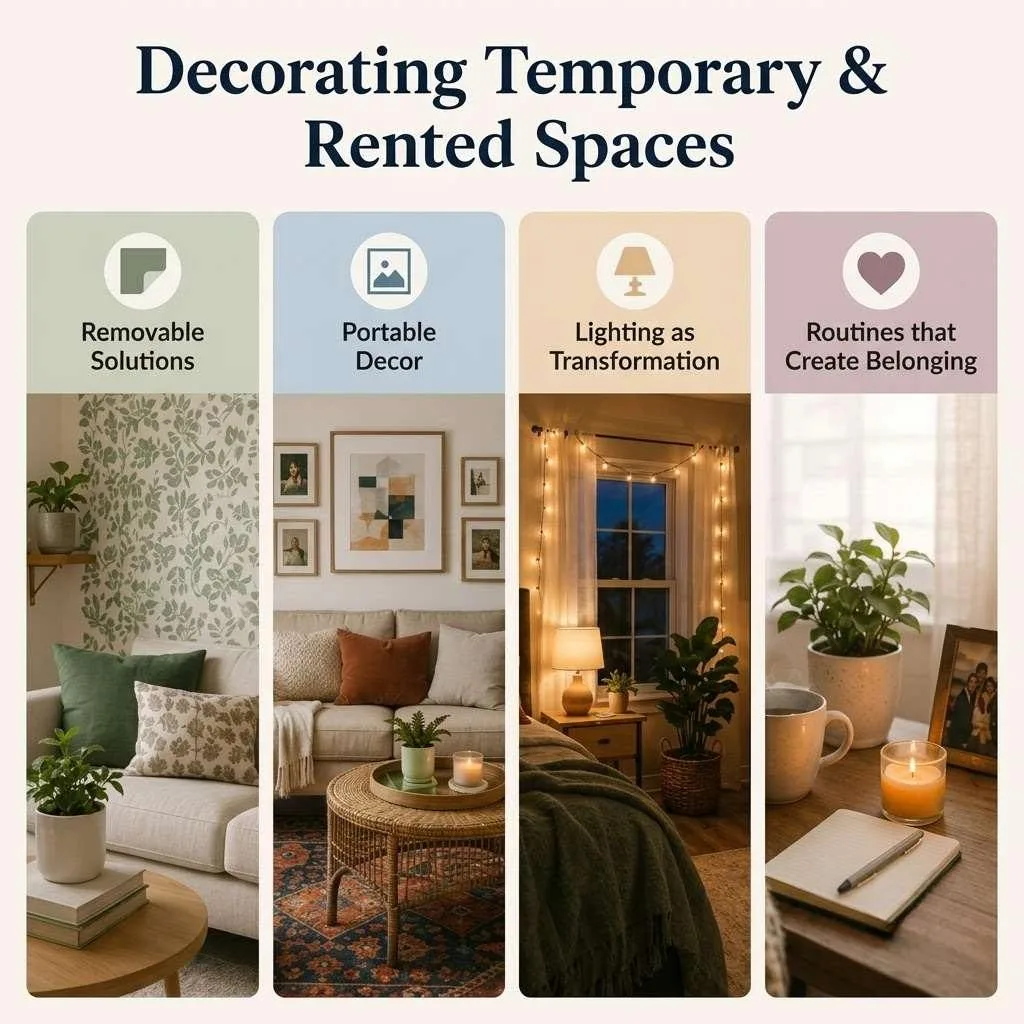
Removable solutions: Peel-and-stick wallpaper, command strips, tension rods, and furniture risers allow significant visual change without lease violations.
Portable decor: Lightweight art, folding furniture, and textiles that define a space regardless of the underlying architecture. The platform notes that a well-placed rug is one of the highest-impact portable decorating tools available — something I have seen confirmed repeatedly in my own design work.
Lighting as transformation: Lamps, string lights, and smart bulbs change the mood of a room without touching existing wiring. Overhead lighting alone makes most rooms feel flat; layering in portable sources fixes that without a single permanent installation.
Routines that create belonging: This is the more philosophical side of the content, but it is grounded in real experience. Making a temporary space feel like home is partly about objects and partly about habits. The platform covers both sides of that honestly.
For more ideas on making any space feel considered and livable, the Home Decor section at Rivon Home covers complementary approaches to styling and personalizing interiors.
The McNamara Family and the Digital Nomad Lifestyle
The McNamara family’s story is relevant beyond the travel angle because it addresses something most nomad content avoids: what full-time travel actually looks like for a family with children.
The honest answer from the platform is that it requires more structure, not less. Location independence does not eliminate the need for financial planning, educational continuity, or daily routines.
Income model: The family relies on multiple streams — blog revenue, sponsorships, and remote freelance work. The platform is transparent that this took time to build and required drawing on savings in the early months.
Education approach: Online courses provide structure, but the family treats cultural immersion as a core part of the curriculum. Language exposure, local history, and hands-on experiences in different countries are treated as educational content, not distractions from it.
Financial planning: Emergency travel funds, multiple income streams, and budget-conscious itinerary planning are documented openly. The challenges — unreliable internet in remote locations, time zone management, finding family-friendly accommodation within budget — are covered alongside the wins.
The credibility of the platform comes partly from this willingness to document the hard parts. It makes the advice more trustworthy.
The Future of Smart Homes: What the Platform Anticipates
Smart home technology is moving fast. AI-driven automation now learns your daily routine — adjusting lights, temperature, and security without manual input. Biometric locks and facial recognition are shifting from commercial buildings into everyday homes, making security effortless.
Faster 5G connections will eliminate lag between devices entirely. Meanwhile, energy-focused smart homes actively reduce waste, optimize solar input, and respond to live grid pricing — a direction the American Institute of Architects has long supported in sustainable residential design.
Why TheHomeTrotters McNamara Platform Works
Most home improvement content treats the house as a static object to be optimized. The TheHomeTrotters McNamara platform treats it as a dynamic environment that changes with the people using it.
Trisha McNamara brings technical depth. The McNamara family’s story brings experiential credibility. The content serves homeowners, renters, and families considering a fundamentally different way of living — all with practical, actionable guidance.
The platform also avoids the aspirational inflation that compromises most home and lifestyle content. The challenges are documented alongside the wins. That is what makes the advice trustworthy.
Frequently Asked Questions (FAQ)
Got questions about TheHomeTrotters McNamara? Here are the most common ones answered clearly and simply for you.
Who is Trisha McNamara on TheHomeTrotters?
She is the lead writer and primary contributor at thehometrotters.com. Her articles cover home decor, interior design, home improvement, and smart home technology with specific, practical depth.
Is TheHomeTrotters the same as the McNamara family travel blog?
They are connected. The McNamara family’s travel story is part of the platform’s identity, but thehometrotters.com is primarily a home improvement and decor resource. The travel experience informs the perspective, particularly on temporary spaces and renting.
What smart home hub does the platform recommend?
The platform does not endorse a single brand but consistently recommends choosing one ecosystem — Amazon, Google, or Apple — before buying individual devices. Compatibility within one platform is the key consideration.
Is the content suitable for renters?
Yes. A significant portion of the content is written specifically for people who cannot make permanent changes to their space. The renter-focused decorating section is one of the most practically useful areas on the site.
How does the McNamara family fund full-time travel?
Through blog revenue, brand sponsorships, and remote freelance work. The platform is transparent that this model took time to build and required financial planning before it could sustain long-term travel for a family of six.
Where do I start if I want to build a smart home?
The platform’s consistent recommendation is: choose a hub first, start with security, add lighting and climate control, then expand from there. Always check hub compatibility before purchasing any individual device.