How 3D House Rendering Enhances Interior Design

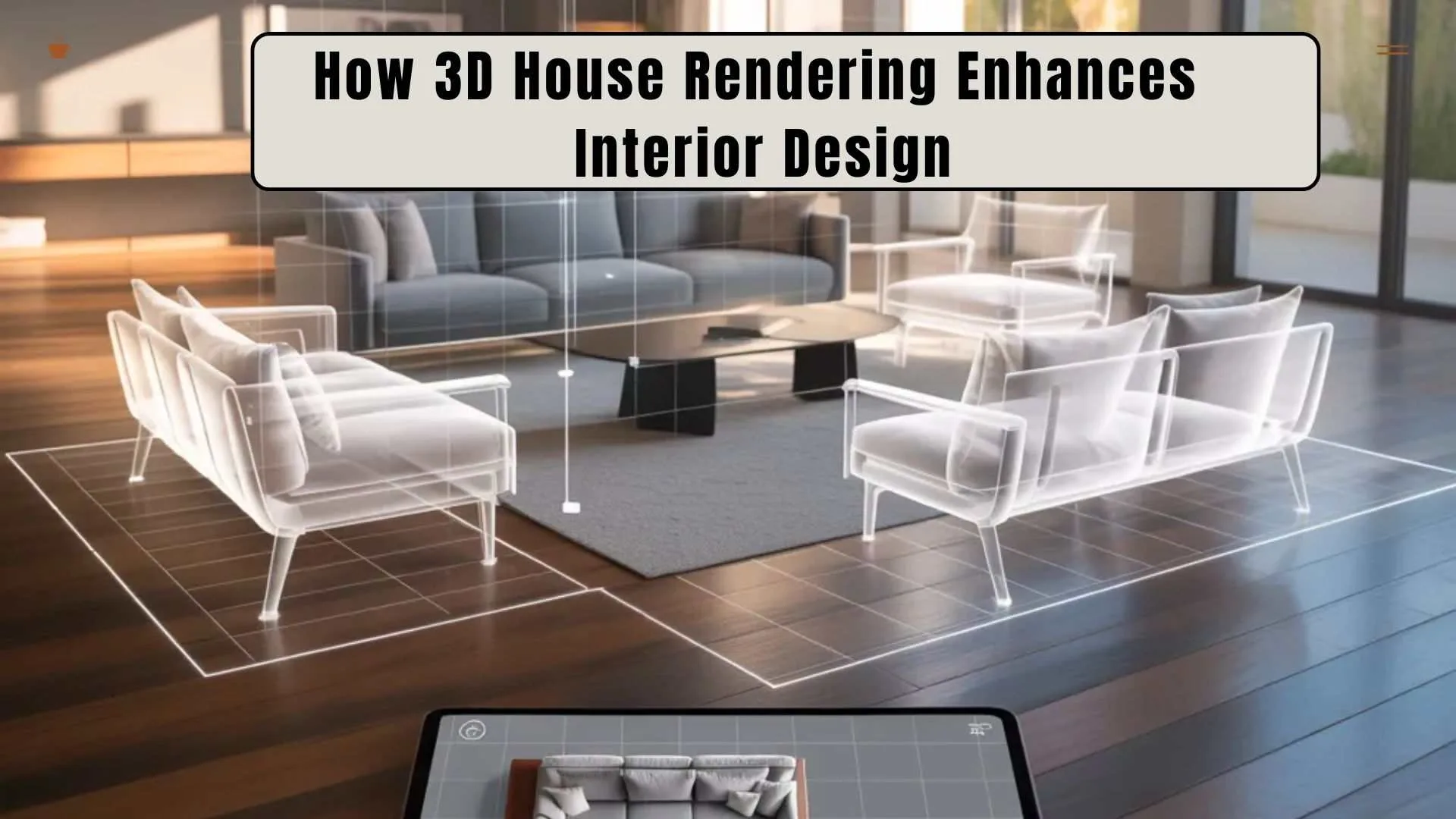
Picture your dream living room. Now imagine seeing it fully furnished, painted, and lit before touching a single wall. That is exactly what 3D house rendering makes possible. This technology has changed how homeowners plan spaces and how designers communicate ideas. It removes the guesswork. It replaces vague imagination with clear, photorealistic visuals.
Whether you are renovating a small apartment or designing a luxury home from scratch, 3D rendering gives you something invaluable: the ability to see your decisions before you live with them.
What Is 3D House Rendering?
3D house rendering is the process of creating photorealistic images or walkthroughs of interior spaces using design software. Designers feed in room dimensions, furniture models, material textures, and lighting data. The software then produces images that can look almost identical to a real photograph.
Popular tools include V-Ray, Lumion, Blender, and 3ds Max. Each serves a different purpose, some for still images, others for real-time walkthroughs or VR.
The core benefit is simple: clients and homeowners see the finished design before any physical work begins. That one shift changes everything.
Why Traditional Methods Fall Short
For decades, designers relied on mood boards, paint swatches, and hand-drawn floor plans. These tools are helpful. But they ask clients to do something very difficult — mentally translate a flat, two-dimensional layout into a three-dimensional lived experience.
Most people cannot do this accurately. They approve a design based on what they imagine, not what they will actually see. Then construction finishes, and the space does not match the picture in their head. Revisions follow. Budgets stretch. Relationships strain.
3D rendering solves this problem at its root.
10 Ways 3D House Rendering Enhances Interior Design
1. Visualizing Color Schemes Before You Commit
Color is one of the trickiest decisions in any design project. A paint swatch looks completely different on a tiny card versus an entire wall. Light changes undertones. Room size shifts perception. What looks warm and inviting in the store can feel cold and flat once applied.
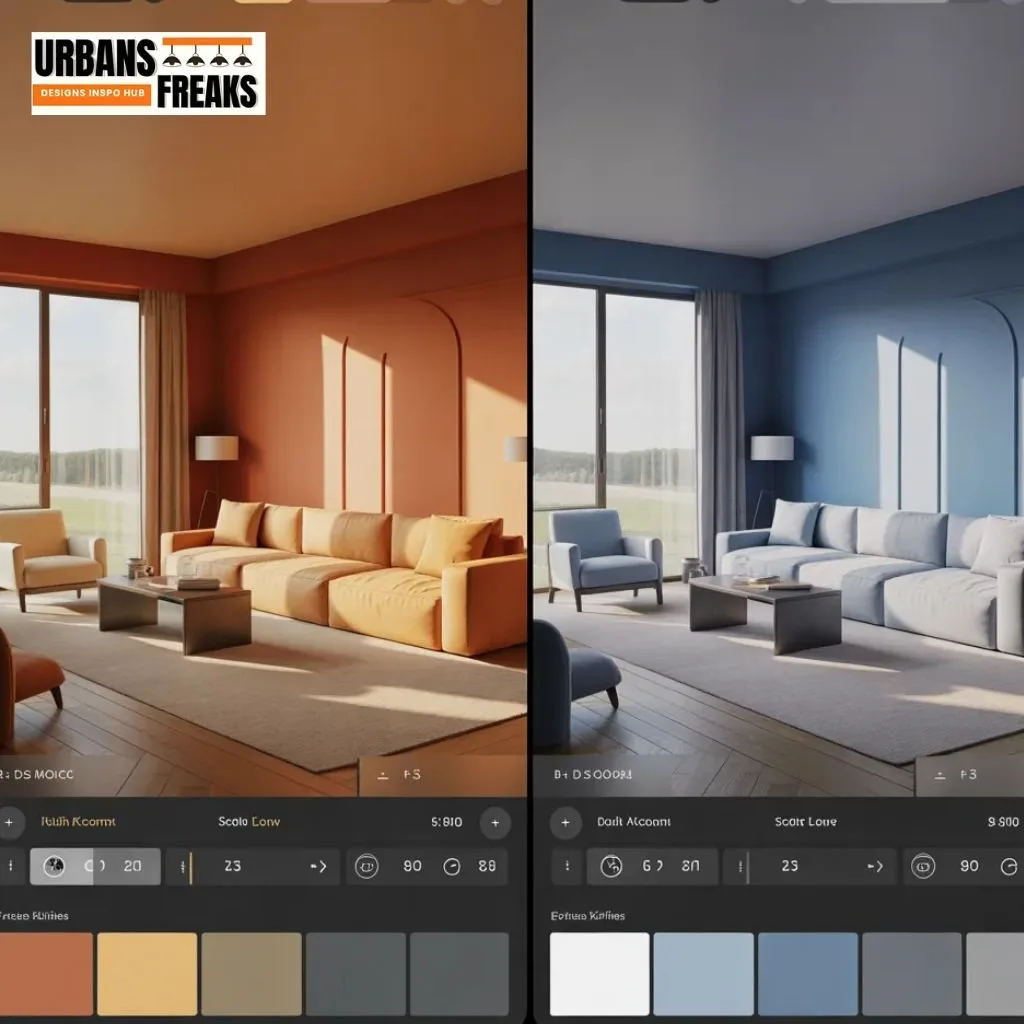
With 3D rendering, you can test full color palettes in a real room environment. You can see how a terracotta wall reads under afternoon sunlight. You can compare it against your flooring and furniture in the same view. No paint needed. No mess. No regret.
2. Experimenting with Furniture Layouts Virtually
Moving a large sofa to test a layout is exhausting. It can also scratch floors and damage walls. And after all that effort, it still might not be right.
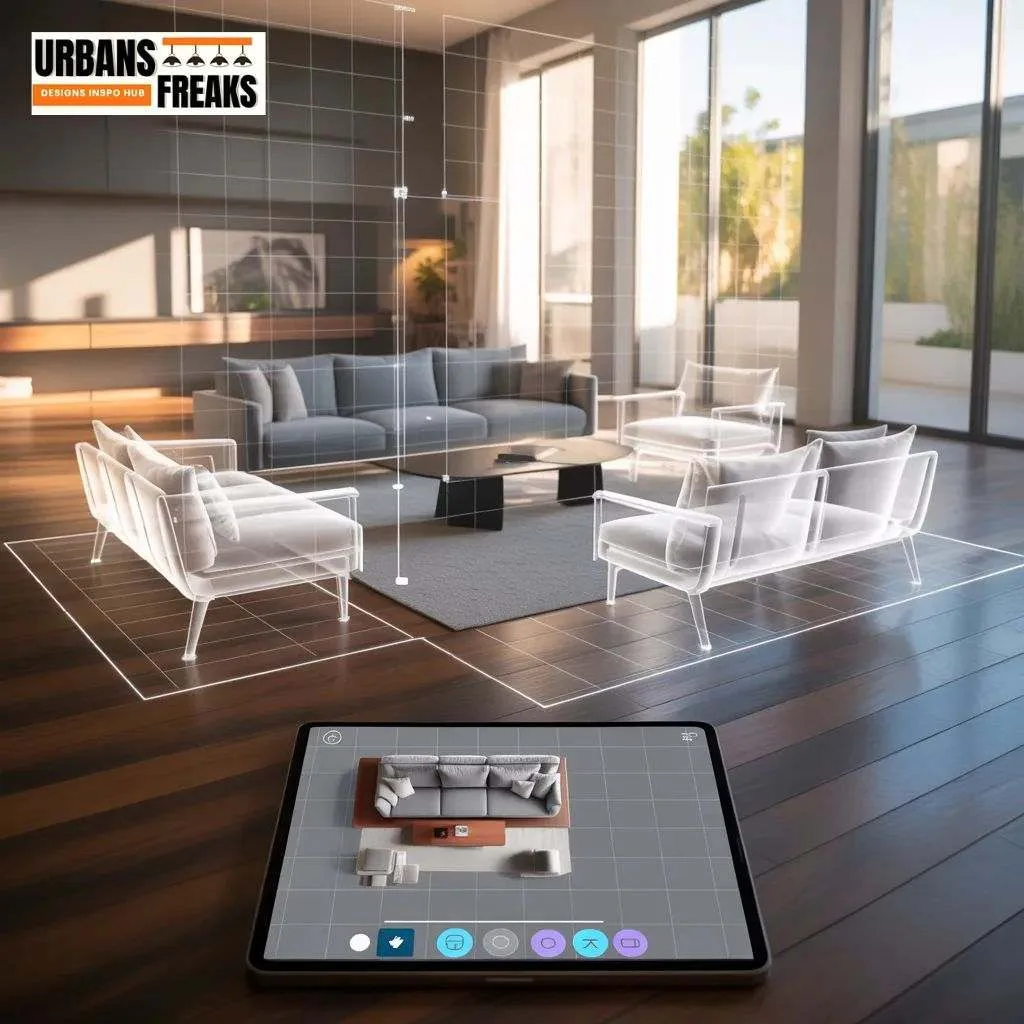
3D rendering lets you try every possible arrangement on screen. You can test whether the sectional blocks the window. You can check if the dining table feels too close to the kitchen island. You can see exactly how traffic flows through the room before committing to any position. It saves time, effort, and a surprising amount of frustration.
3. Showcasing Lighting in Realistic Detail
Lighting is the most underestimated element in interior design. A beautiful room with bad lighting feels dull and flat. The right lighting transforms an ordinary space into something that feels alive.
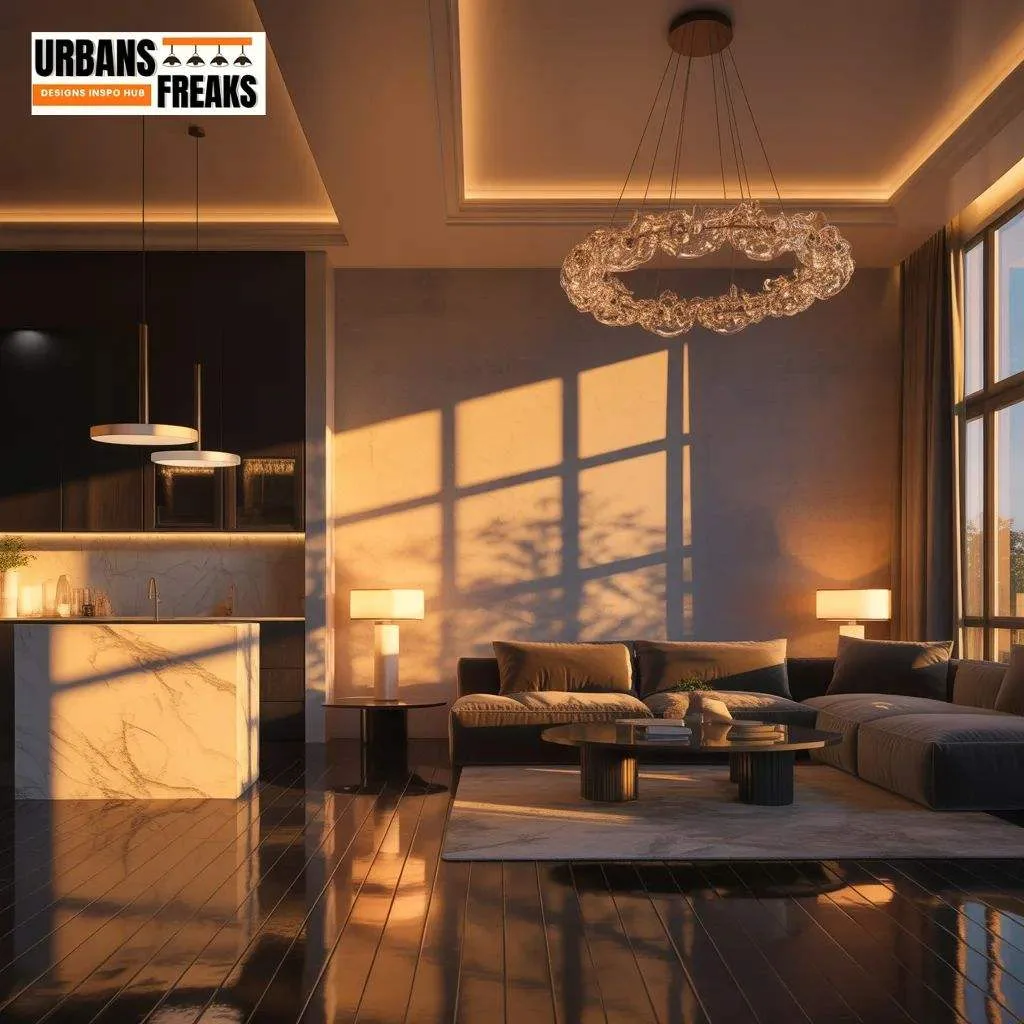
3D rendering simulates both natural and artificial light accurately. Designers can show how a room looks at golden hour versus a grey afternoon. They can compare recessed LEDs against pendant lights. They can demonstrate exactly how a statement chandelier casts shadows across a textured ceiling. Clients make better lighting choices when they can actually see the result first.
4. Presenting Material and Texture Combinations
A marble sample sitting on a table tells you almost nothing about how that marble will look covering an entire kitchen countertop. Context changes everything.
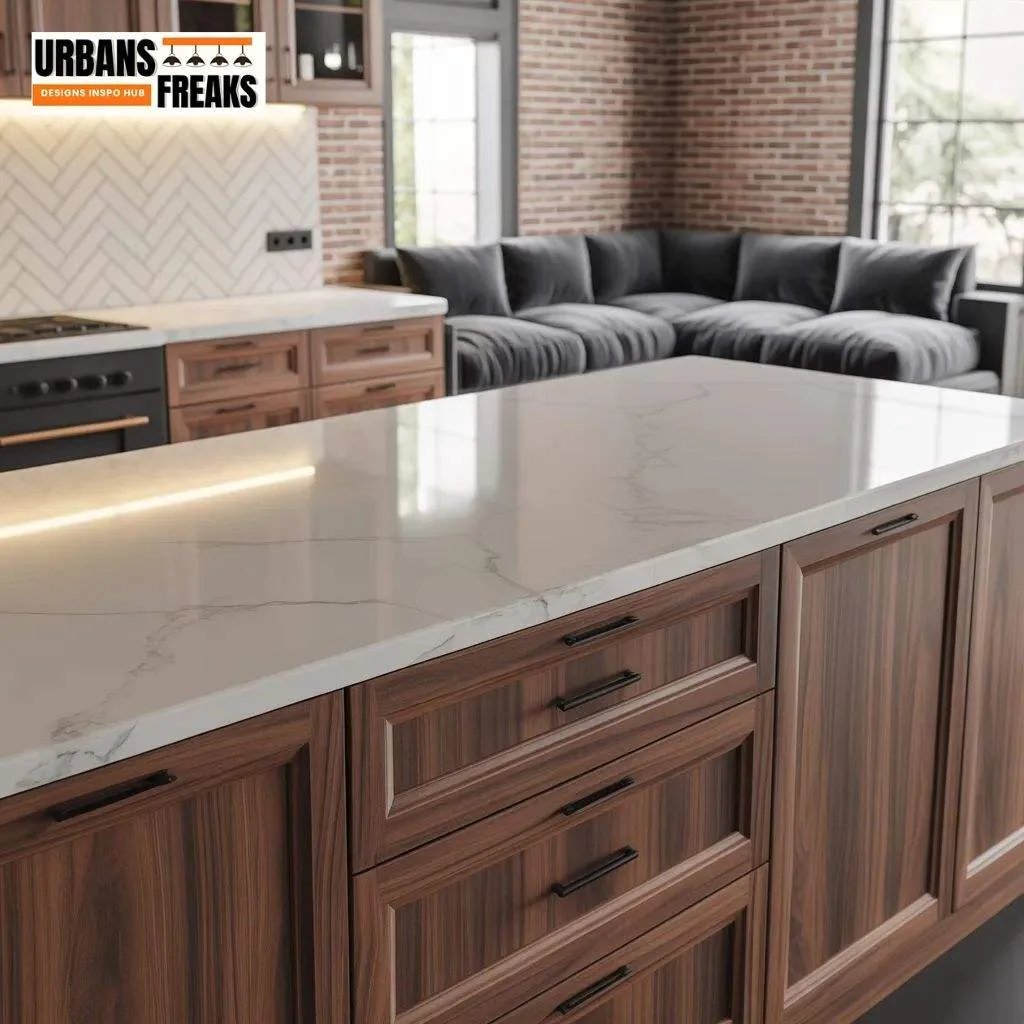
3D rendering puts all your material choices together at full scale. You can see walnut cabinets beside marble counters beside matte black hardware all in your actual kitchen layout. You can evaluate exposed brick next to a velvet sofa in your real living room dimensions. Materials are approved with confidence, not crossed fingers.
5. Streamlining Client Approvals
For design professionals, the approval process is often where projects slow down and stall. Clients struggle to commit when they cannot fully picture the outcome. Multiple revision rounds pile up. Timelines slip.
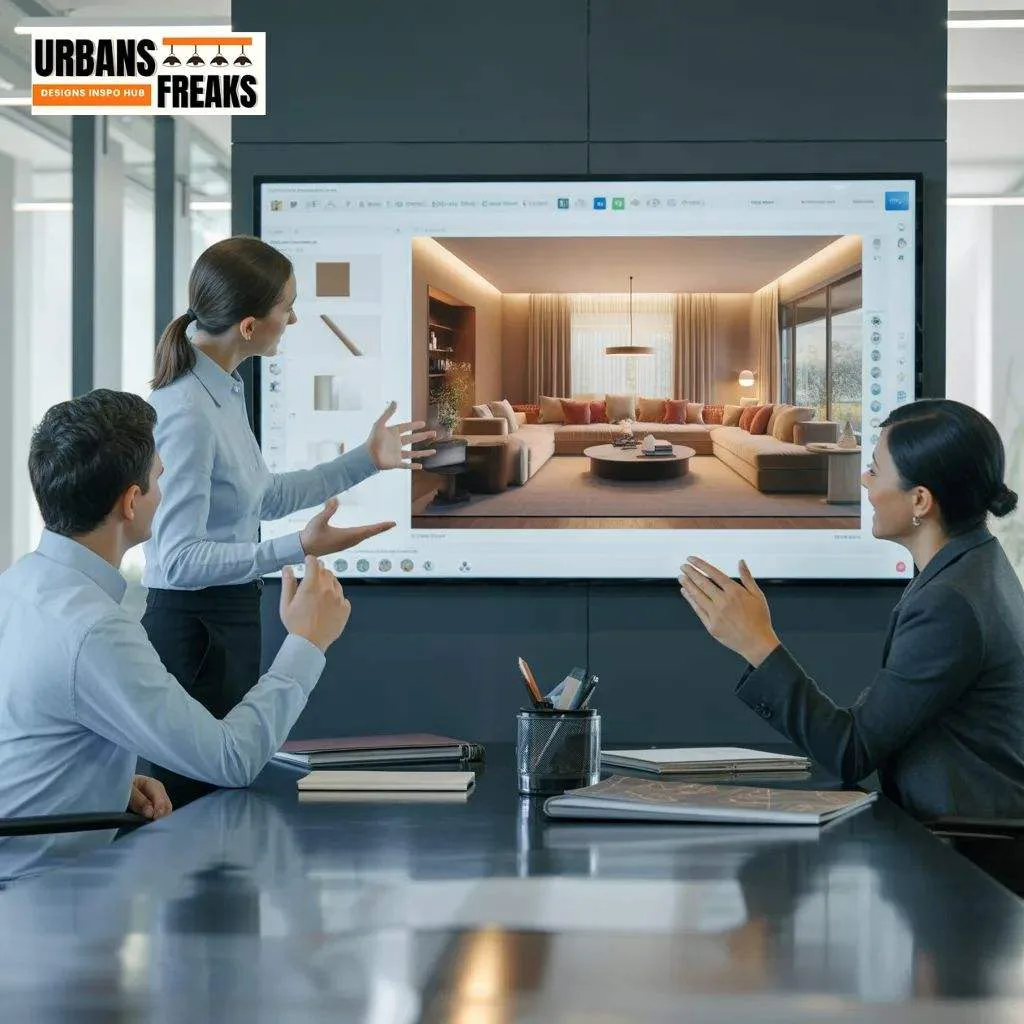
3D rendering changes this dynamic significantly. When a client receives a photorealistic image of their future room, feedback becomes specific and actionable. Instead of “I’m not sure about this,” they say, “Can we move the sofa slightly left?” That clarity speeds up approvals and keeps projects on schedule.
6. Designing Open-Plan Spaces with Confidence
Open-plan interiors are popular for good reason. They feel generous, social, and full of light. But designing them well is harder than it looks. Without walls to separate zones, the balance between kitchen, dining, and living areas needs careful thought.
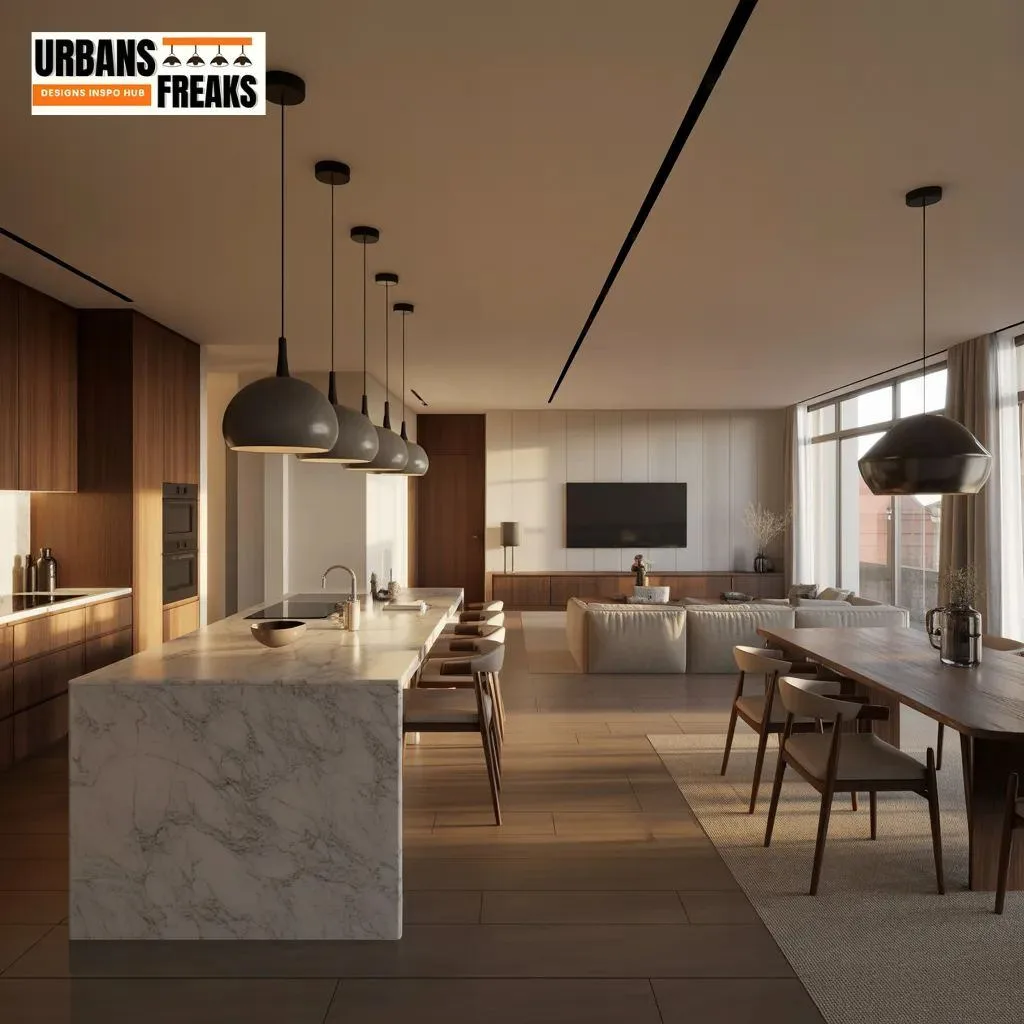
3D rendering lets designers map out every zone in a fully realized environment. They can check whether a kitchen island creates a natural visual boundary. They can see if the TV placement causes window glare. They can test traffic flow before a single wall comes down. These decisions are much cheaper to change on screen than mid-renovation.
7. Bringing Small Spaces to Their Full Potential
In a compact room, every inch matters. One furniture piece that is slightly too large can block a door. One dark wall color can make a narrow hallway feel like a tunnel.
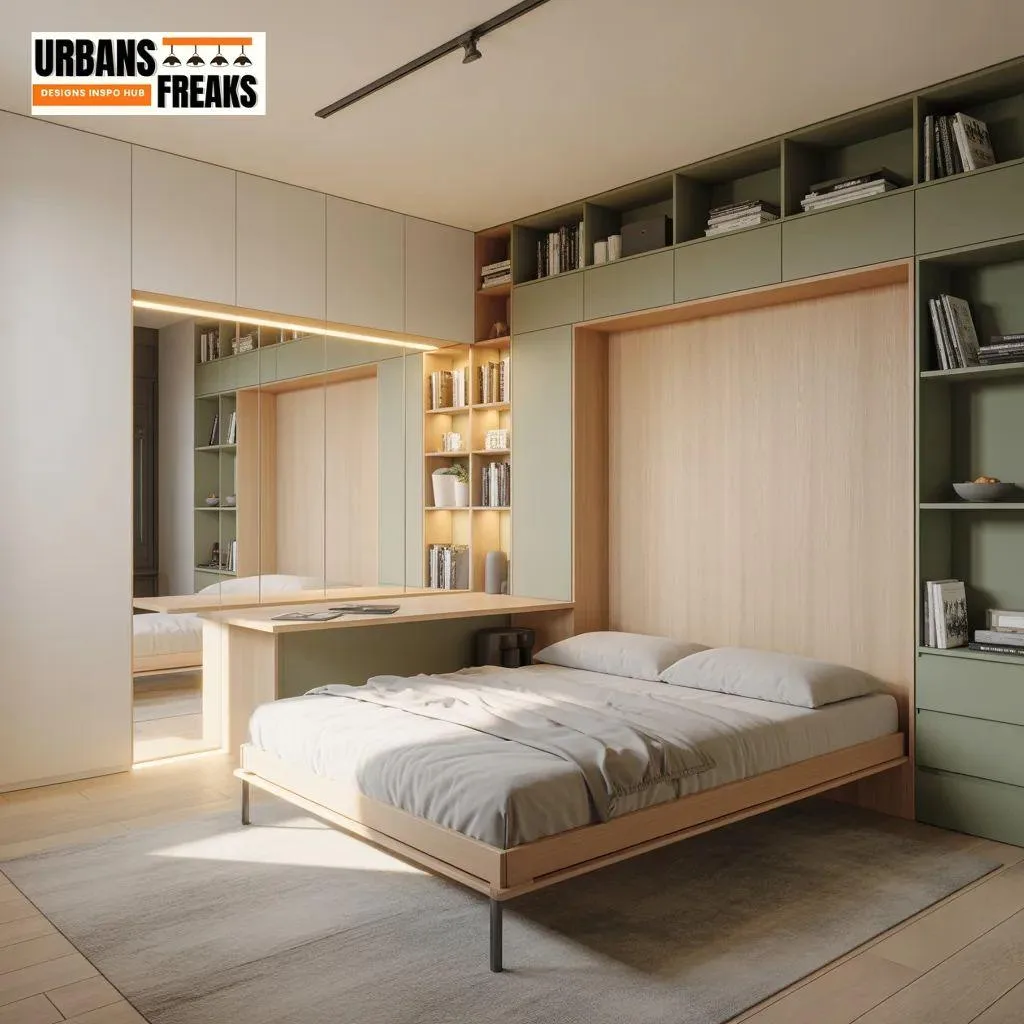
3D rendering lets designers test every small-space strategy before implementation. A client can see exactly how a Murphy bed transforms their studio apartment. They can preview how mirrored walls open up a tight corridor. Built-in storage solutions, pocket doors, and vertical shelving can all be evaluated in context. Small spaces stop feeling like limitations and start feeling like design challenges with real solutions.
8. Supporting Sustainable Design Choices
Sustainable interior design is growing fast. More clients want eco-friendly materials, such as bamboo flooring, recycled glass tiles, reclaimed timber, and cork wall panels. But sustainable materials are sometimes unfamiliar. Clients hesitate when they cannot picture how they will look.
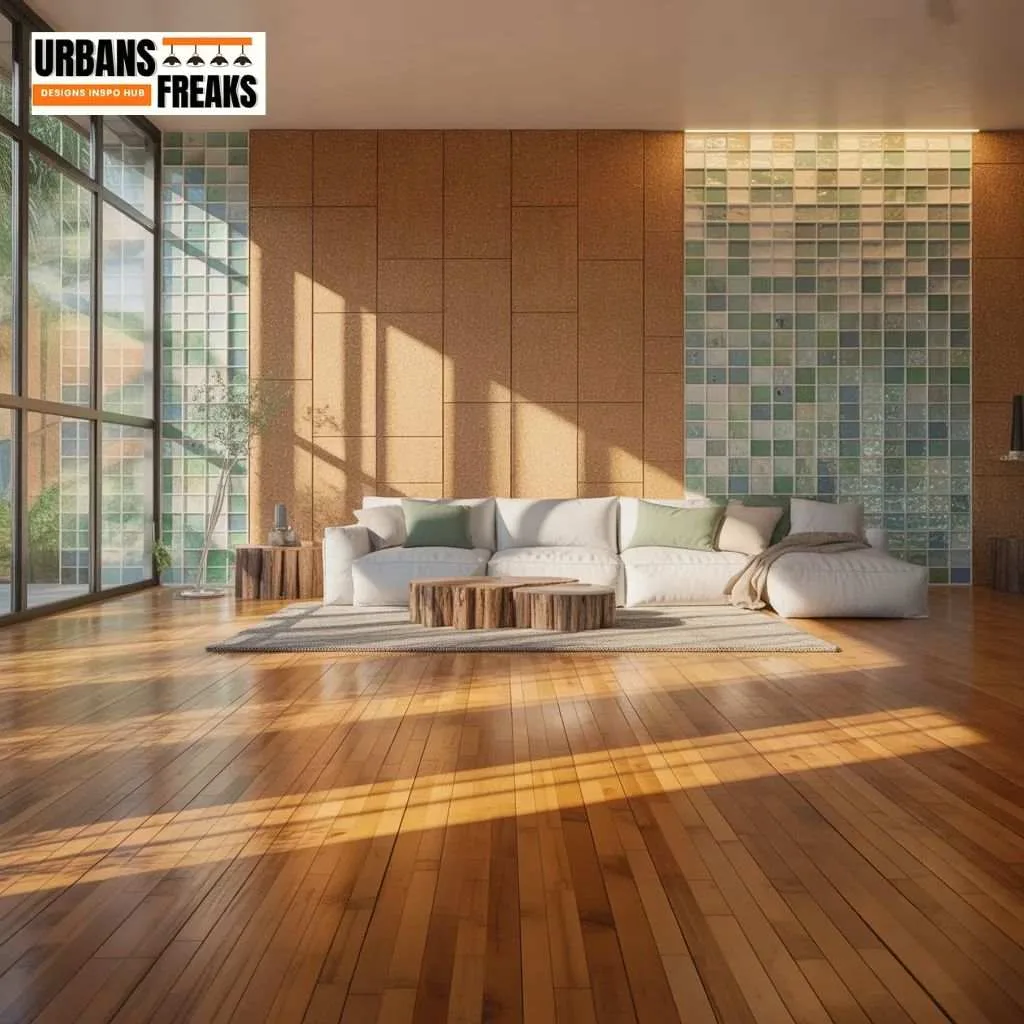
3D rendering makes sustainable options tangible and appealing. Designers can show bamboo flooring in a warm, sun-lit living room. They can present cork panels as a textured feature wall in a home office. Clients see the finished result, not just a sample. Confidence in sustainable choices goes up. Beyond materials, rendering can also simulate natural daylighting strategies, showing how window placement can reduce the need for artificial lighting.
9. Creating Immersive Virtual Reality Walkthroughs
Still images are powerful. But nothing compares to walking through your future home in virtual reality. With a VR headset, clients can physically move through rooms, stand at the kitchen counter, look out the window, and experience the space at a human scale.
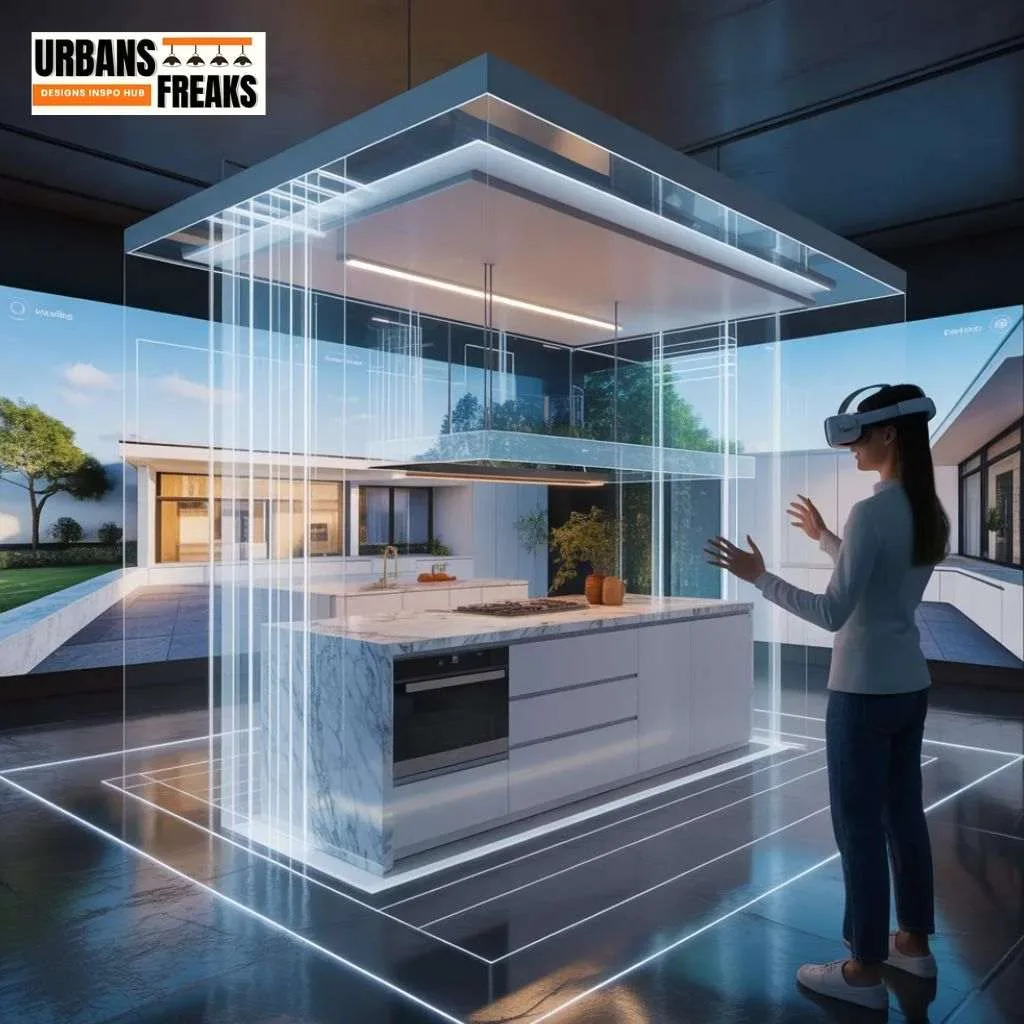
This removes the last major barrier to confident pre-construction decision-making: the inability to feel true proportions. A room can look correctly sized in a flat image but feel smaller than expected at life scale. VR walkthroughs catch those surprises before they become expensive post-construction problems. For high-value projects, this is one of the most impactful tools available.
10. Adapting Designs Across Different Cultural Aesthetics
Interior design is personal. It is shaped by heritage, culture, and individual identity. A family with South Asian roots may want interiors that reflect that tradition. A client drawn to Japanese wabi-sabi has a completely different relationship with materials and space than someone who loves Moroccan maximalism.
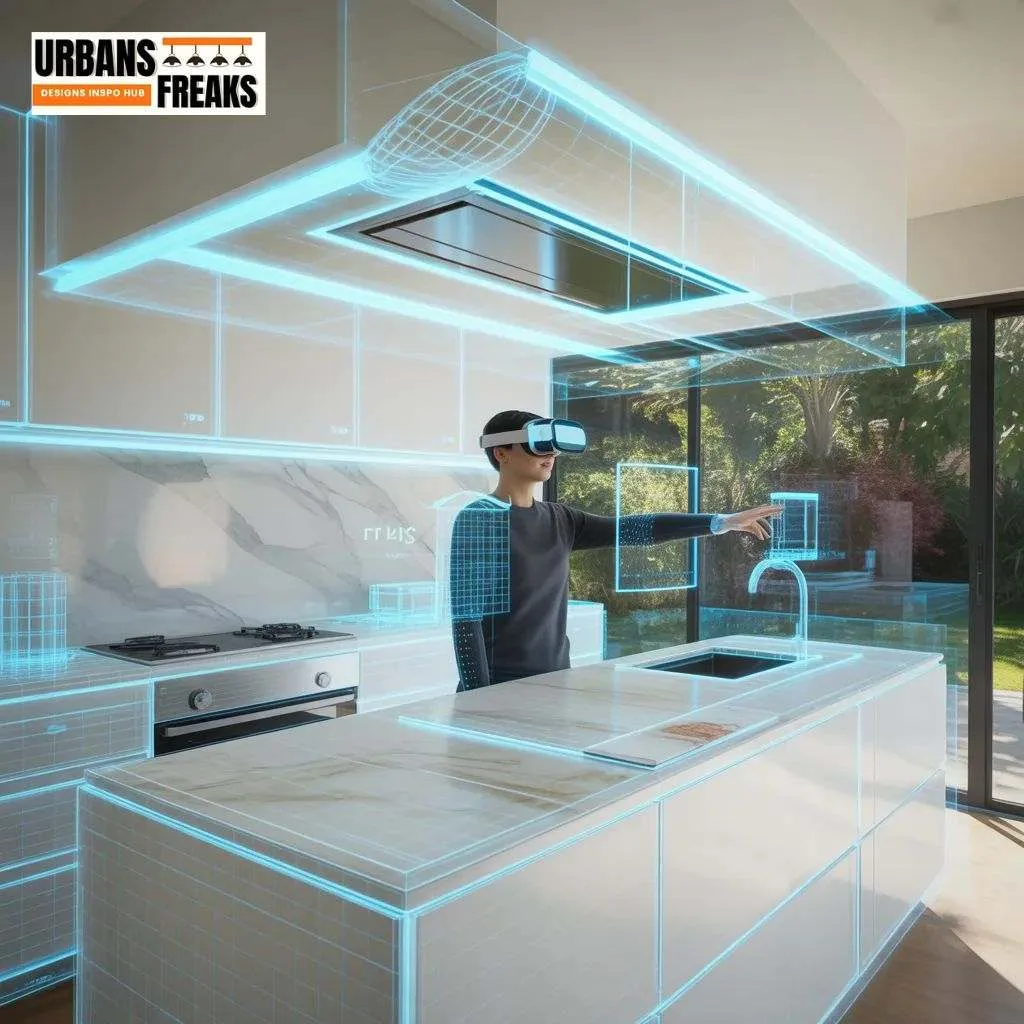
3D rendering makes it easy to present multiple culturally distinct concepts in full detail. A designer can show a minimal Scandinavian interpretation of a living room alongside a richer, more layered Mediterranean version not as mood boards, but as complete rendered environments. Clients experience both before deciding a flexibility that makes 3D rendering valuable across global markets. To see how these diverse aesthetics translate into real finished homes, browsing a House Tour gives you a genuine sense of how different cultural design languages look when fully lived in.
The Real Financial Case for 3D Rendering
Beyond the creative benefits, 3D rendering makes strong financial sense.
Most mid-project design changes are triggered by one thing: the client sees the partially completed space and realizes it does not match what they imagined. At that point, changes are expensive. Contractors revisit. Materials get reordered. Timelines extend.
Rendering moves that moment of realization to before work begins when changes cost almost nothing. For homeowners, that means fewer contractor callbacks and a result that reflects their true vision. For designers, it means fewer disputes and clients who refer others.
What’s Coming Next
3D rendering technology is still evolving quickly. Real-time rendering engines now produce results in seconds rather than hours. AI tools are beginning to suggest material pairings and flag spatial issues automatically.
Augmented reality is the next big shift. Instead of using a VR headset, clients will be able to point a smartphone or tablet at their existing room and see rendered furniture and finishes overlaid in real space. Within a few years, AR-assisted design will likely become a standard expectation rather than a premium add-on.
Final Thoughts
3D house rendering enhances interior design by doing one essential thing: it makes invisible decisions visible. It takes the abstract a color, a material, a furniture arrangement and turns it into something concrete that anyone can evaluate.
For homeowners, that means fewer surprises and more confidence. For designers, it means stronger client relationships and more efficient projects. For both, it means a finished space that was seen, considered, and chosen not guessed at.
The earlier you bring 3D rendering into your design process, the more control and clarity you will have over the outcome. If you’re looking to deepen your understanding of design tools, trends, and ideas beyond rendering, Urbansfreaks.com is a solid resource to keep in your corner as your project takes shape.