
Activities Brought to You by LookWhatMomFound LWMFCrafts — 2026 Guide

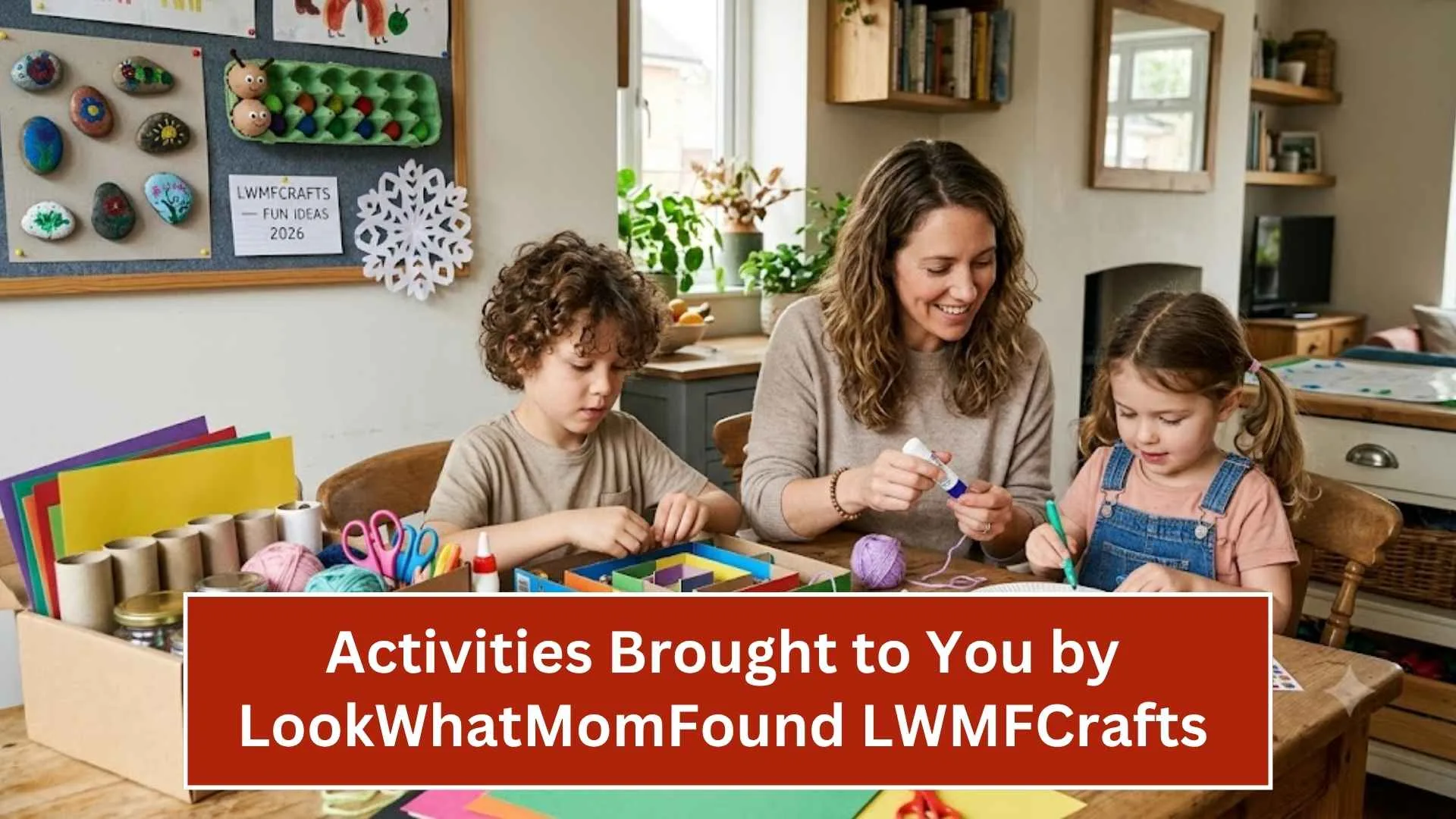
I design homes for a living. Every family I work with eventually asks: how do we actually use this space? Not which sofa to buy — how to fill the hours with something that matters.
Documentation workflow note: when screen capture matters, this Snagit screen recording guide is a practical reference.
That’s what drew me to activities brought to you by LookWhatMomFound LWMFCrafts. At UrbanSFreaks, we believe great homes support real family life — including making room for creativity and connection. A 2026 Common Sense Media report found children aged 8–12 now average over five hours of daily screen time. These activities offer a practical, affordable answer.
What Are Activities Brought to You by LookWhatMomFound LWMFCrafts?
LookWhatMomFound, known for its craft platform LWMFCrafts, is a family-focused creative hub built around one idea: the best activities use what you already have. Their collection covers paper crafts, recycled material projects, sensory play, nature-based making, and simple DIY games — all designed to be low-cost, easy to start, and genuinely engaging for children of different ages.
Why Creative Activities Matter More Than Most Parents Realize
I’ve always believed that the environments we create for children shape how they think. A child who grows up cutting, gluing, building, and experimenting develops a very different relationship with problem-solving than one raised purely on passive screen content.
Research from the National Association for the Education of Young Children (NAEYC) consistently supports this. Hands-on creative play builds fine motor skills, sharpens concentration, and develops the kind of flexible thinking children need in school and beyond.
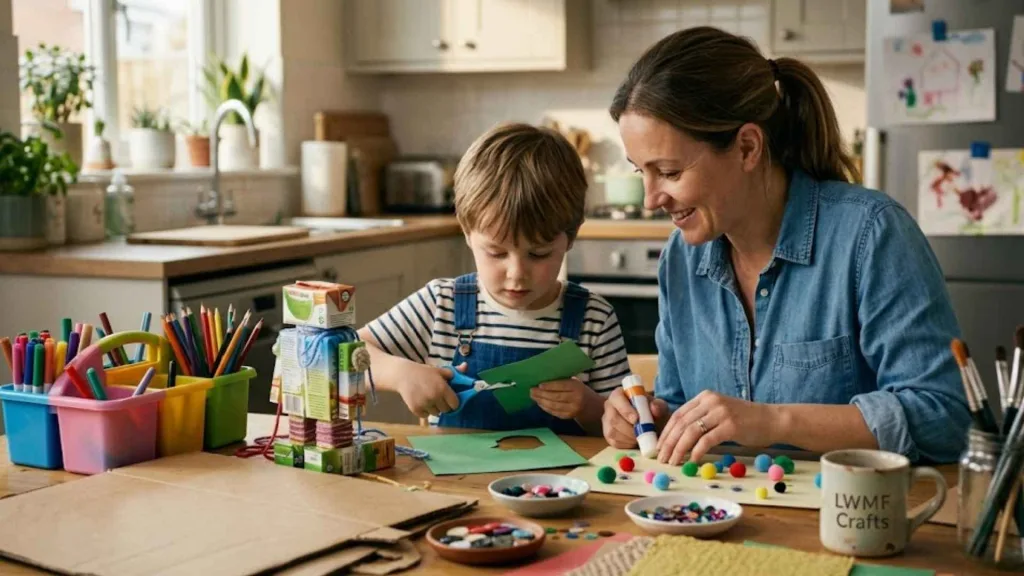
Here’s what the LWMFCrafts approach gets right developmentally:
- Fine motor development — Cutting paper, molding clay, and threading beads all strengthen the small muscles children use for writing and drawing.
- Concentration and focus — Following simple steps toward a finished project trains attention in a way that passive entertainment doesn’t.
- Confidence through completion — Finishing something, even a simple paper craft, gives children a sense of achievement that builds real self-esteem.
- Problem-solving and innovation — When a child figures out how to turn a cardboard box into a marble maze, they’re applying genuine creative thinking.
- Self-expression — Art and making activities give children a language beyond words for processing their world.
For parents, the benefit is just as real. These activities are some of the most effective bonding communication opportunities available — sitting together, making something, laughing about what went wrong and fixing it. That’s quality time in its most honest form.
Why Families Love These Activities in 2026
Screen fatigue is real. According to a 2026 survey by the American Academy of Pediatrics, over 67% of parents reported wanting more structured non-screen alternatives for their children. LWMFCrafts activities answer that directly — they’re interactive, social, and produce something tangible. Families love them because they work without planning, stress, or a trip to the craft store.
Key Benefits of Creative Activities for Kids and Families
Creative, hands-on activities do more than keep children busy. Here is what the research and real experience both confirm:
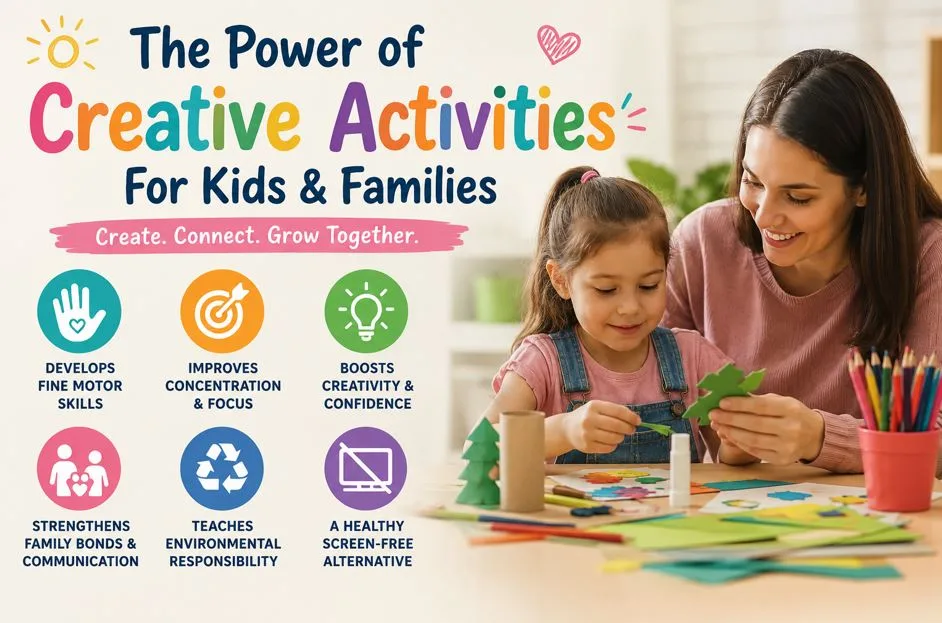
Developing Fine Motor Skills
Cutting, threading, folding, and shaping strengthen the small hand muscles children need for writing and drawing. A 2026 early childhood study found that children who engage in regular craft activities show measurably stronger pencil grip and handwriting confidence by age six.
Improving Concentration and Focus
Following craft steps — even simple ones — trains sustained attention. Unlike passive screen content, making something requires a child to stay with a process from start to finish. That builds real focus over time.
Boosting Creativity and Confidence
Finishing a project, however small, creates a genuine sense of achievement. Children who complete hands-on activities regularly show higher creative confidence and are more willing to attempt new challenges, according to child development data from 2025–2026.
Strengthening Family Bonds and Communication
Working on a craft together creates natural conversation — planning, problem-solving, laughing at what goes wrong. These are some of the most effective bonding communication opportunities available to families, and they cost nothing.
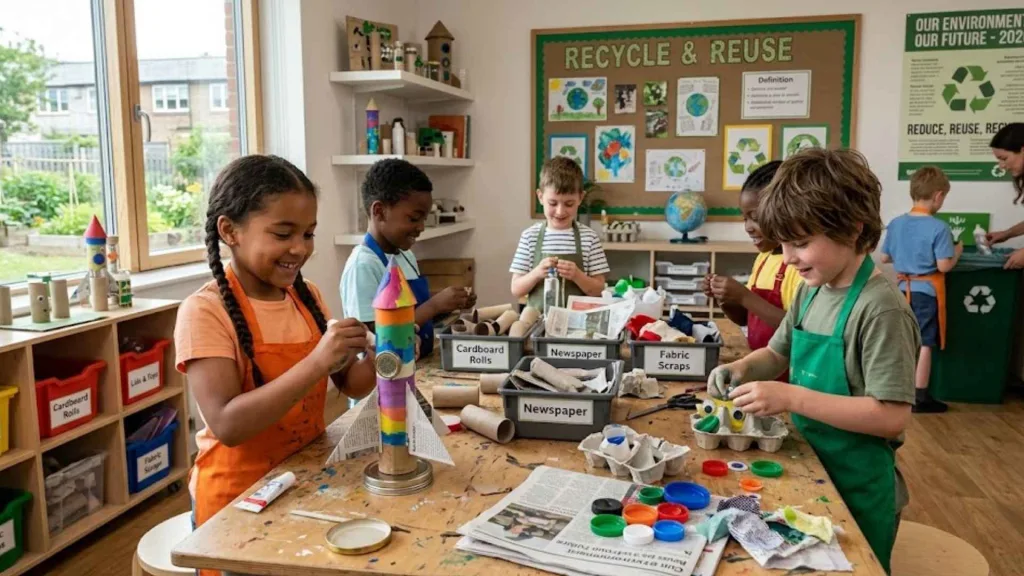
Teaching Environmental Responsibility
Using recycled materials — cardboard rolls, jar lids, old newspapers — teaches children early that creativity and sustainability go together. In 2026, with environmental awareness growing in schools worldwide, this is a lesson with real-world relevance.
A Healthy Screen-Free Alternative
Craft time is one of the few activities that competes successfully with screens because it offers novelty, choice, and visible results. A 2026 family wellness report noted that children who engage in regular hands-on creative play report higher satisfaction and lower anxiety than those with unstructured free time spent on devices.
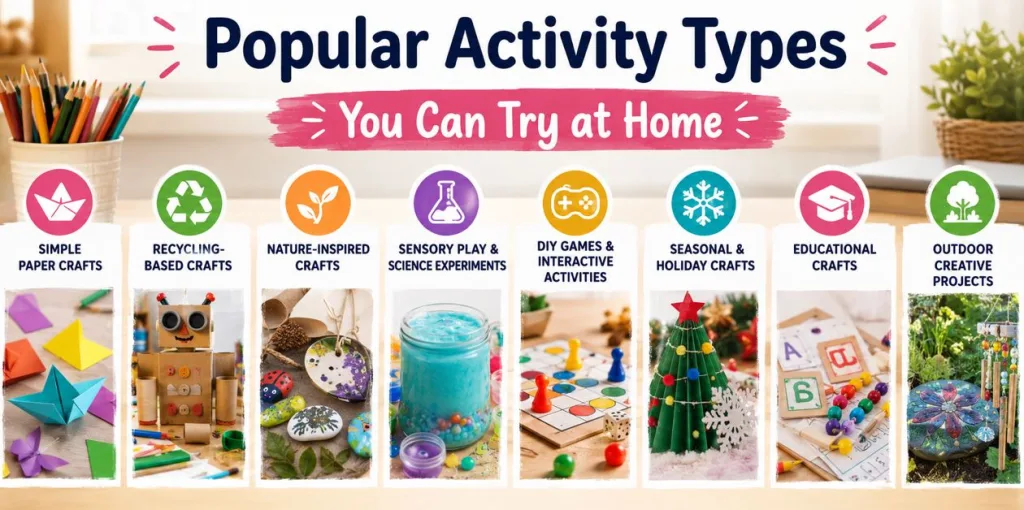
Popular Activity Types You Can Try at Home
These are some of the most beginner-friendly crafts and hands-on fun activities within the LWMFCrafts creative play library. I’ve organized them by type so you can match them to your child’s age, interests, and what you have available.
Simple Paper Crafts
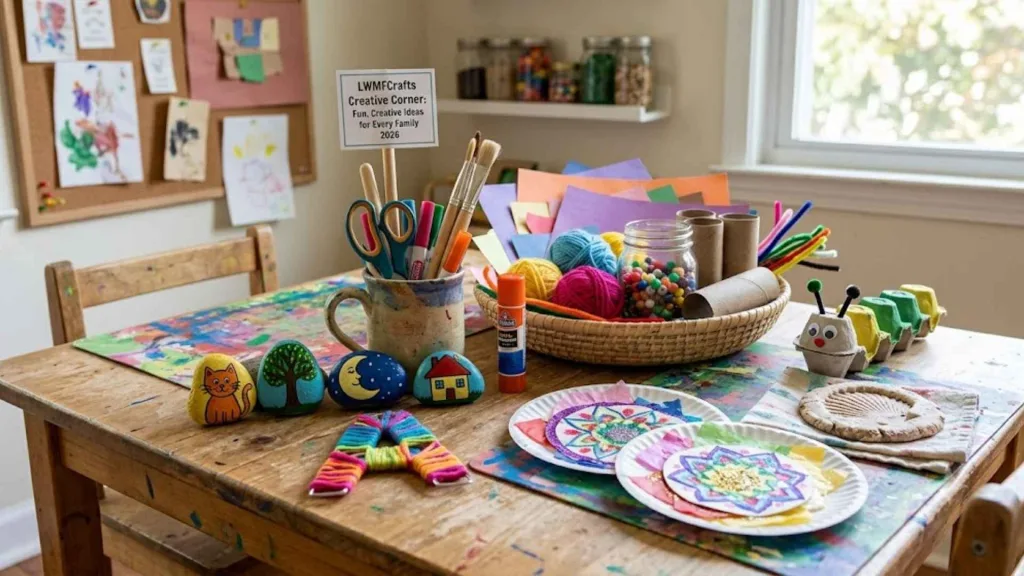
Paper is the most accessible material in any home. Origami animals build spatial thinking. Paper plate mandala suncatchers teach symmetry. Handmade greeting cards combine writing with art. Yarn-wrapped wire letter art is tactile and personal. All of these take under 45 minutes and cost essentially nothing.
Recycling-Based Crafts
Recycling-based crafts are among the most popular LWMFCrafts activity categories in 2026. Cardboard marble mazes, egg carton caterpillar puppets, bottle cap mosaic trivets, and upcycled denim patchwork baskets turn household waste into creative projects. Children learn resourcefulness and problem-solving while making something they’re genuinely proud of.
Nature-Inspired Crafts
A short walk outside becomes a crafting session. Painted rock story stones, salt dough fossil impressions, twig and yarn dream catchers, and nature-inspired clay bead necklaces all use materials gathered for free. These activities also connect children to the outdoor world and develop sensory awareness.
Sensory Play and Science Experiments
Glow-in-the-dark slime kits, miniature fairy garden terrariums, and DIY tie-dye kitchen towels are all sensory-rich activities that introduce basic science concepts. Children experiment with texture, colour mixing, and cause-and-effect — real learning dressed up as hands-on fun.
DIY Games and Interactive Activities
Homemade board games, scavenger hunts, and simple card games that children design themselves combine creativity with play. These DIY games also develop early literacy and numeracy skills because children need to write rules, count spaces, and create categories.
Seasonal and Holiday Crafts
Seasonal themes give LWMFCrafts a natural structure across the year. Pressed flower resin coasters in spring, hand-painted seashell ornaments after summer trips, felted wool acorn necklaces in autumn, and paper snowflake window art in winter. These crafts mark the seasons in a way that digital entertainment simply cannot.
Educational Crafts That Combine Learning and Fun
Some LWMFCrafts activities are designed specifically to support school learning — counting bead necklaces, alphabet collages, map-drawing projects, and storytelling story stones all reinforce classroom skills in a low-pressure, creative setting.
Outdoor Creative Projects
When the weather allows, take the making outside. Chalk drawing, garden stepping stone painting, leaf print fabric art, and garden wind chimes from found objects are all outdoor activities that combine fresh air with creative engagement.
What Materials Do You Need?
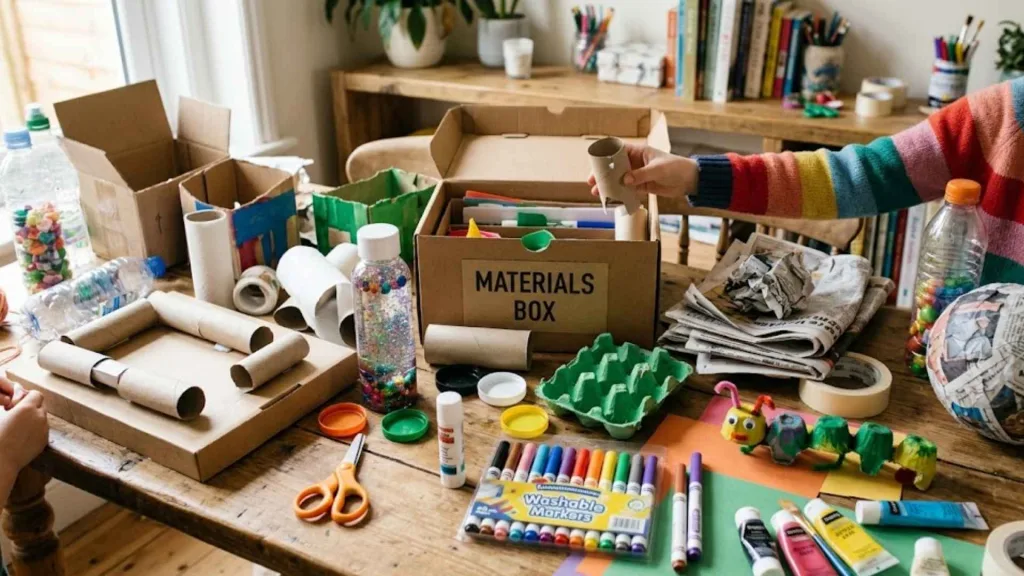
Almost everything you need is already at home. Keep a materials box — refilled, not discarded — so any activity can start within minutes.
| Material | What It Becomes |
| Cardboard boxes and rolls | Marble mazes, dollhouses, puppet theaters |
| Plastic bottles and jar lids | Sensory bottles, mosaic trivets, paint stamps |
| Egg cartons, old newspapers | Collage, papier-mâché, caterpillar puppets |
| Glue, scissors, markers, paper | The core toolkit — covers almost everything |
How to Get Started — A Simple Step-by-Step Approach
Starting is always the hardest part. Here’s a simple approach:

- Build your materials box with cardboard rolls, jar lids, ribbon, old magazines, and buttons. Refill instead of discarding.
- Match the project to the time available — paper crafts for 20 minutes, a terrarium for an afternoon.
- Let children choose between two or three options. Ownership drives engagement.
- Lower the stakes early — say “this doesn’t need to be perfect” and mean it.
- Display finished work, even temporarily, so children see their output has value.
Learning Through Play — How These Activities Support Child Development
Hands-on creative activities are not a break from learning — they are learning. According to the National Association for the Education of Young Children (NAEYC), play-based making activities develop cognitive flexibility, emotional regulation, and early STEM thinking. In 2026, as more schools integrate project-based learning into curricula, the skills children build through LWMFCrafts activities — experimenting, iterating, finishing — directly support classroom performance.
Seasonal Fun — Matching Activities to the Time of Year
Giving craft activities a seasonal rhythm keeps them fresh and gives children something to look forward to. In 2026, many families have adopted a simple seasonal craft calendar as part of their home routine.
| Season | Recommended Activities |
| Spring | Pressed flower coasters, seed pot planters, bird feeder making |
| Summer | Seashell ornaments, tie-dye towels, outdoor chalk art |
| Autumn | Story stones, acorn necklaces, leaf print fabric art |
| Winter | Paper snowflakes, salt dough ornaments, card making |
Indoor vs. Outdoor Activities — Making the Most of Every Day
One thing I’ve noticed working with families on home design is that the best activity plans are flexible. The LWMFCrafts approach works in both directions.
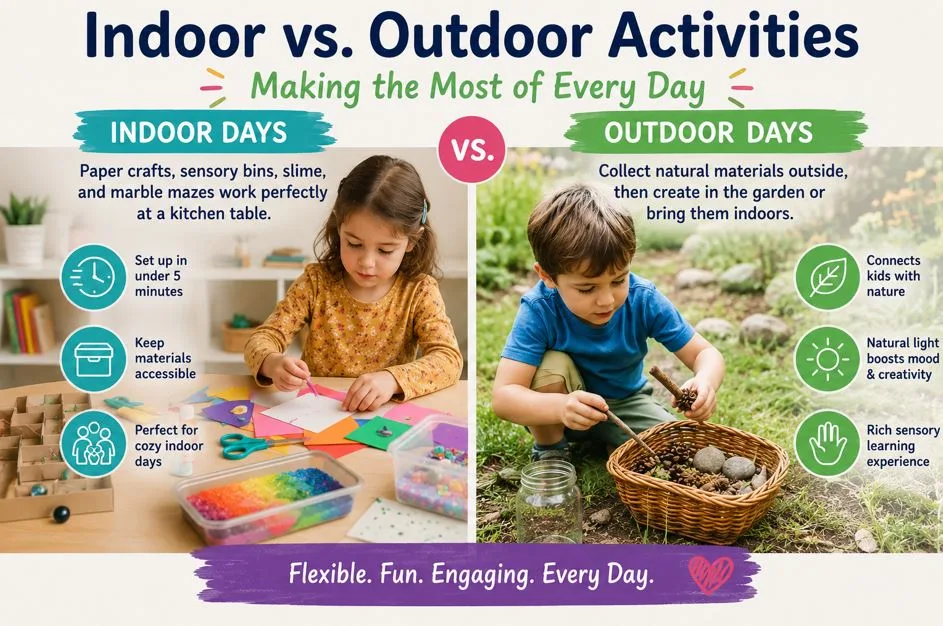
- For indoor days: Paper crafts, sensory bins, slime, and marble mazes work perfectly at a kitchen table. Keep the materials box accessible so setup takes under five minutes.
- For outdoor days: Send children out to collect materials first — stones, sticks, seed pods — then transform them indoors or complete the whole session in the garden. Working with natural materials in natural light adds a sensory richness that indoor crafting simply cannot replicate.
Budget-Friendly Crafting — Maximum Value, Minimum Cost
In a year when household budgets remain under pressure, the LWMFCrafts approach stands out. A 2026 consumer family spending analysis found that the average family spends between £80–£120 per month on children’s entertainment. Most LWMFCrafts activities cost nothing — or pennies when a small supply like glue or paint is needed.
The focus is never on buying. It’s on creating. That makes these activities genuinely inclusive — accessible to every family regardless of budget.
Tips to Make Every Craft Session More Enjoyable
Small adjustments make a real difference:
- Start with a theme — a colour, season, or animal. Structure sparks ideas faster than a blank canvas.
- Don’t over-plan. Set out materials and let the activity develop naturally.
- Give everyone a role, including toddlers. Inclusion keeps everyone engaged.
- Embrace the mess — lay newspaper down, wear an old shirt, stop worrying.
- Photograph finished work before it gets recycled. The photo preserves the memory and tells children their effort mattered.
How LWMFCrafts Fit Into Your Home Design
A home that supports creativity doesn’t need a dedicated craft room. Three design decisions make the biggest difference: a wipe-clean surface at child height, a materials box stored where children can reach it independently, and a small display area for finished work. These create the conditions for activities to actually happen — spontaneously, regularly, without preparation. See our Home Decor section for practical ideas on building a home environment that supports creative family life every day.
Final Thoughts
Activities brought to you by LookWhatMomFound LWMFCrafts work because they’re grounded in something real: the idea that children learn best by making, parents connect best by doing, and families grow strongest through shared experience.
As someone who has spent a career thinking about how environments shape people, I believe that creative home activities — simple, hands-on, screen-free — are one of the most meaningful things a family can invest time in. The cost is low. The return, in skills built, memories made, and relationships strengthened, is very high.